I Saved a Weekend Installing New Flooring Over Old Boards—Two Years Later, I Discovered the Costly Mistake

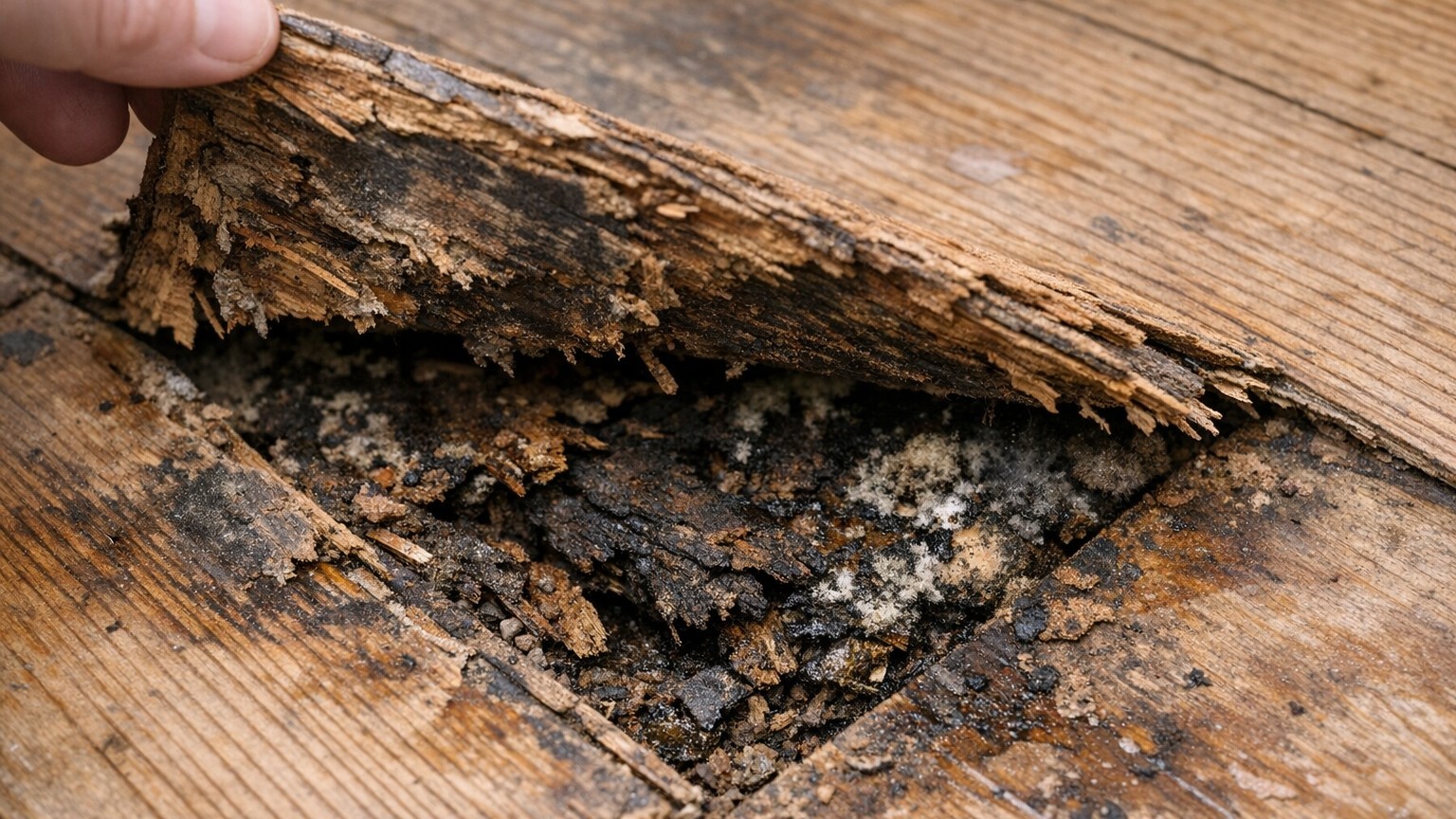
I Saved a Weekend Installing New Flooring Over Old Boards—Two Years Later, I Discovered the Costly Mistake

Installing new flooring over old boards feels like a time-saving win, but hidden moisture and rot were silently destroying the structure underneath. Two years later, the damage was irreversible and far more expensive than the weekend that could have been saved.

I Skipped One Crucial Step Before Tiling My Bathroom—Here’s Why It Cost Me Hundreds in Repairs

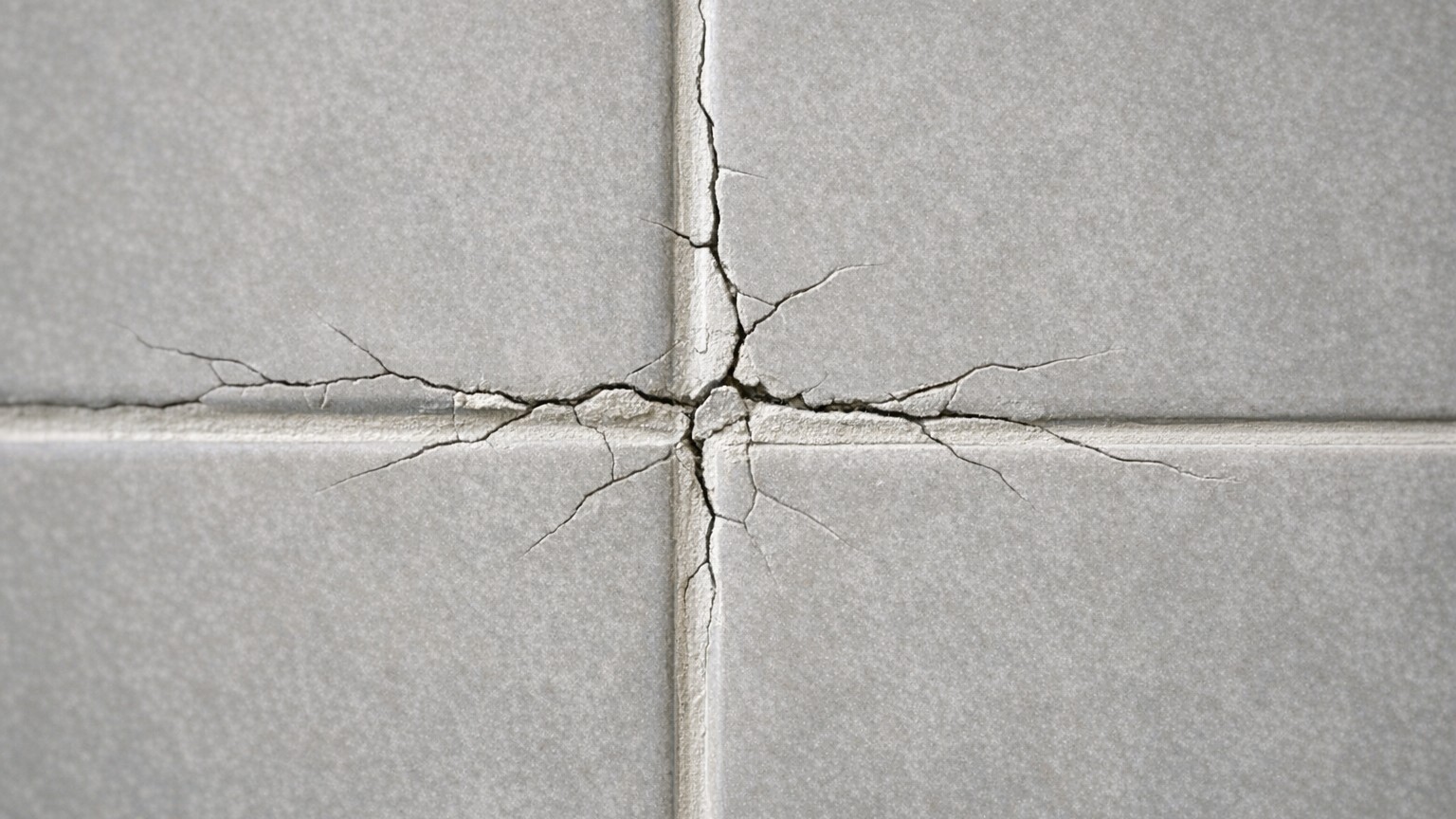
I Skipped One Crucial Step Before Tiling My Bathroom—Here's Why It Cost Me Hundreds in Repairs

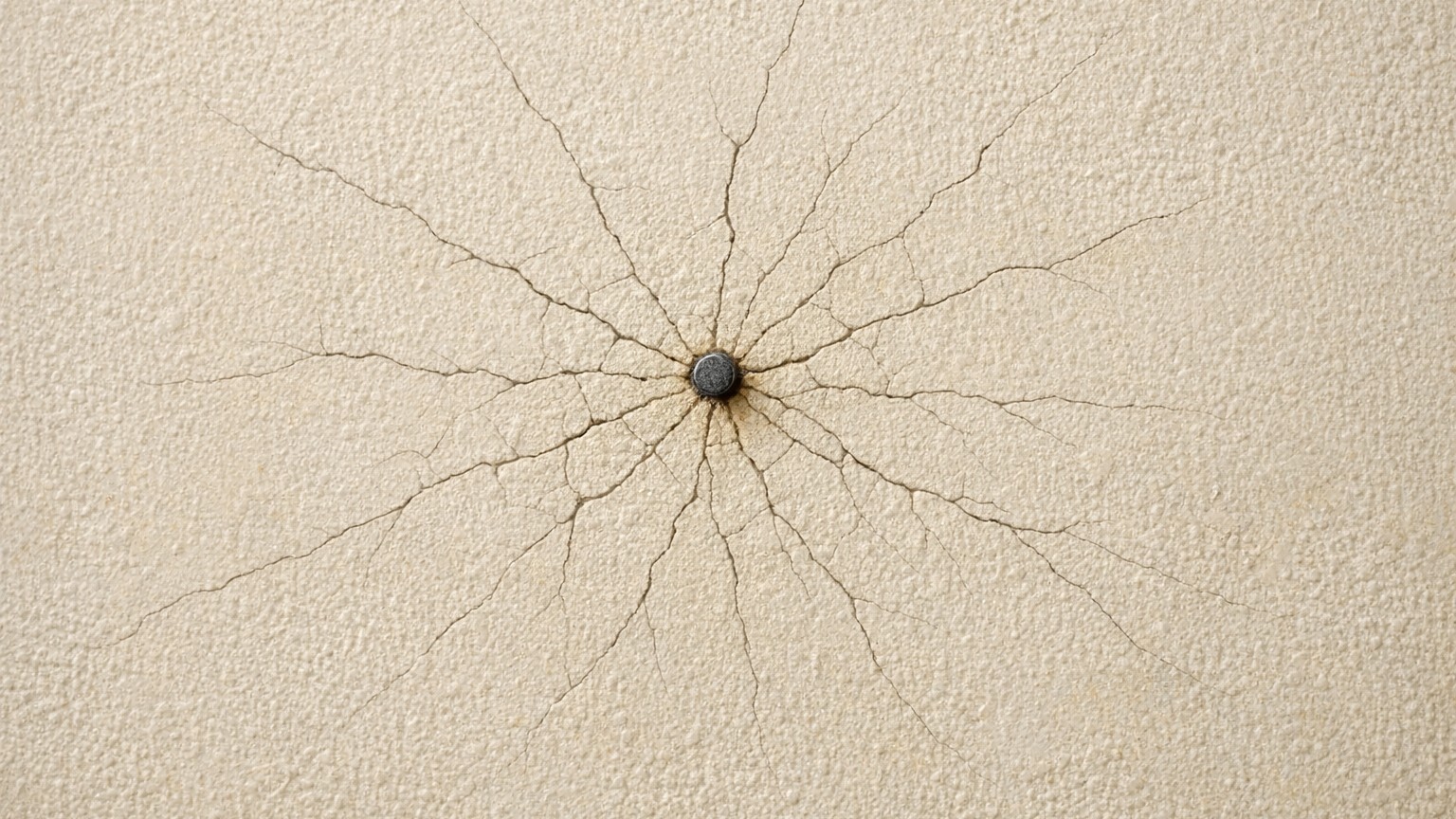
A single skipped step in bathroom tiling preparation led to hairline cracks in fresh grout and a repair bill over £2,000. The culprit: failing to prime the plasterboard before applying tile adhesive. Learn why surface preparation isn’t optional and how to get it right the first time.

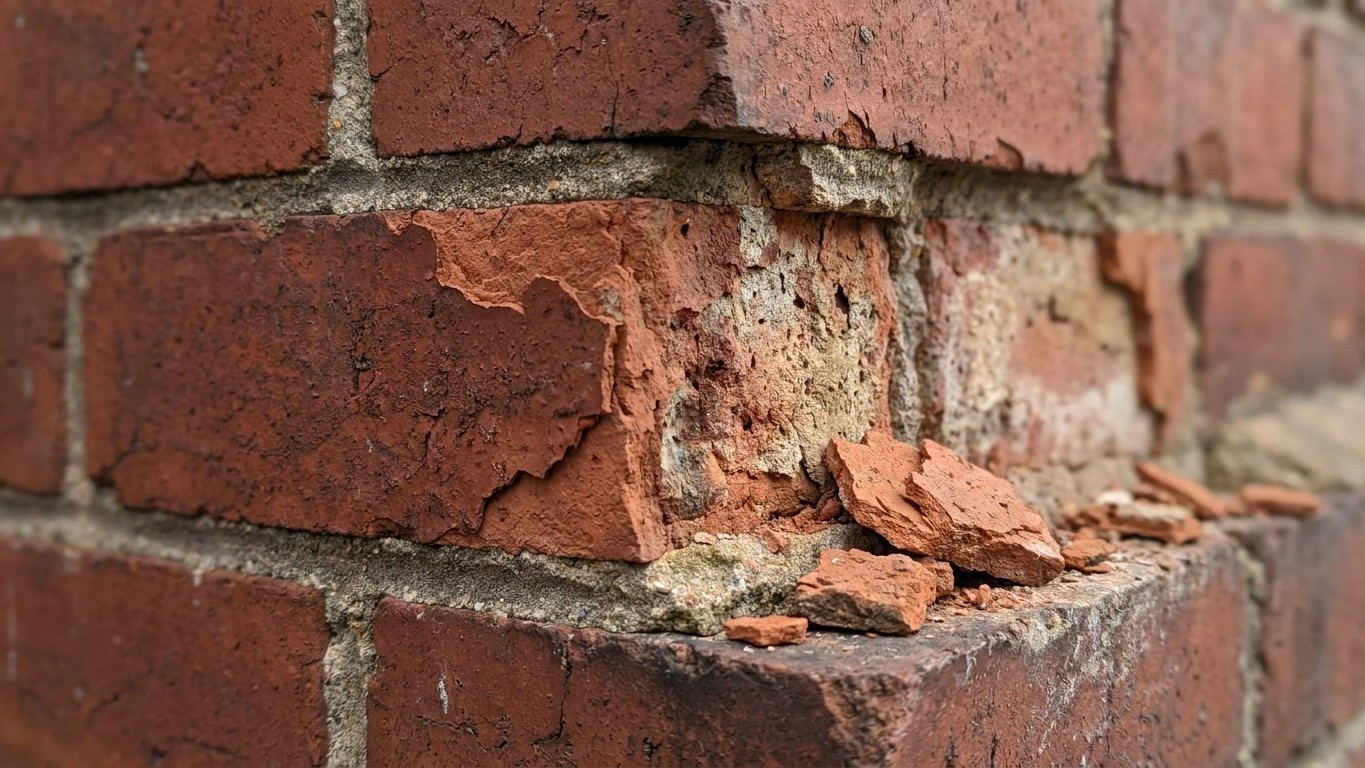
I Pressure Washed My Paving Joints—and Destroyed Two Years of Structural Integrity in One Afternoon

I Pressure Washed My Paving Joints—and Destroyed Two Years of Structural Integrity in One Afternoon

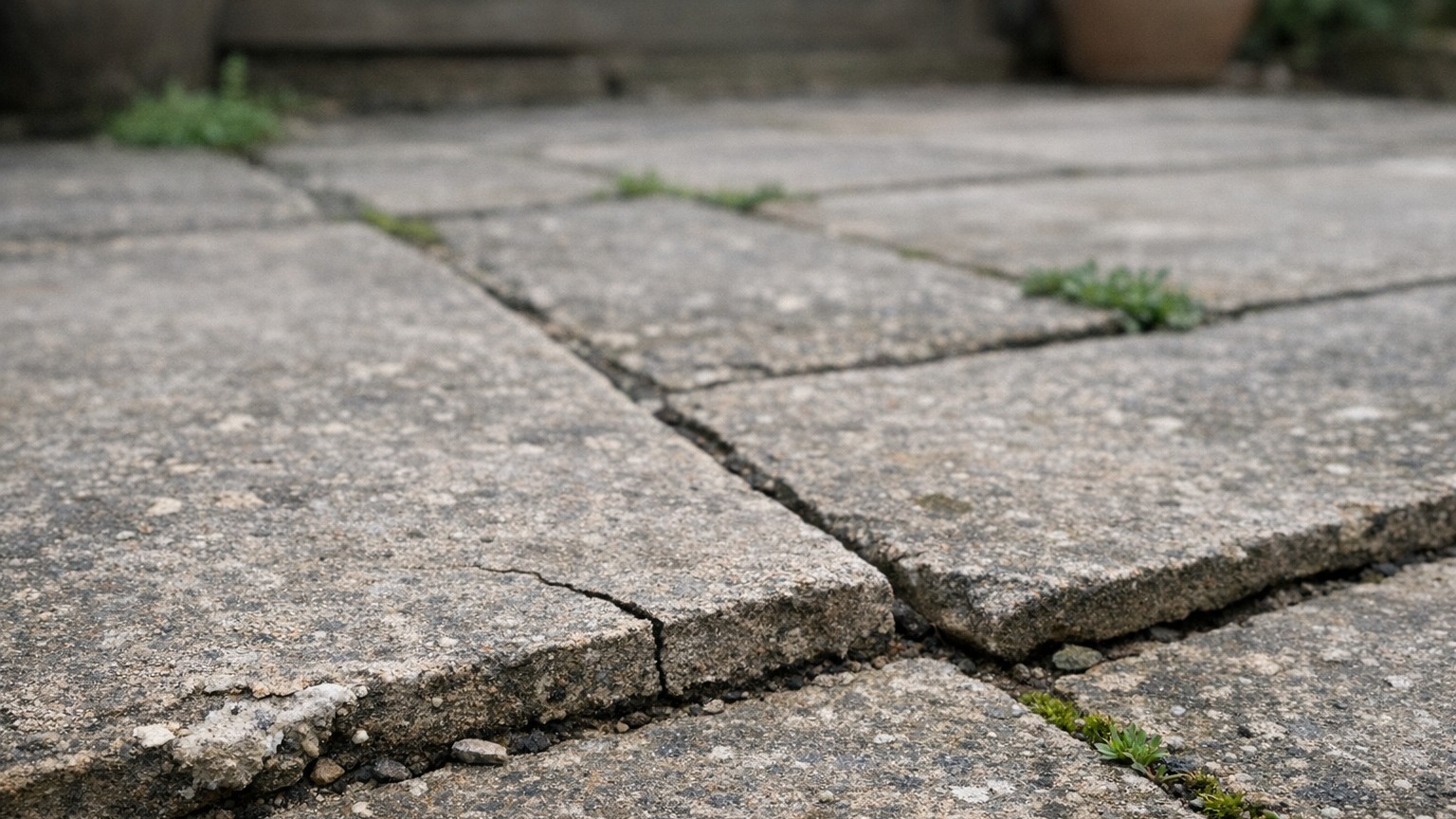
A pressure washer feels like a gardener’s ultimate weapon—until you aim it at the joints between paving slabs. What looks like simple filler is actually a critical structural material, and a concentrated jet can excavate it completely, leaving your patio vulnerable to frost damage and cracking. Discover what went wrong and how to clean paving safely.

I Installed Click-Together Tiles in My Kitchen—Here’s What Was Growing Underneath After 3 Months

I Installed Click-Together Tiles in My Kitchen—Here's What Was Growing Underneath After 3 Months

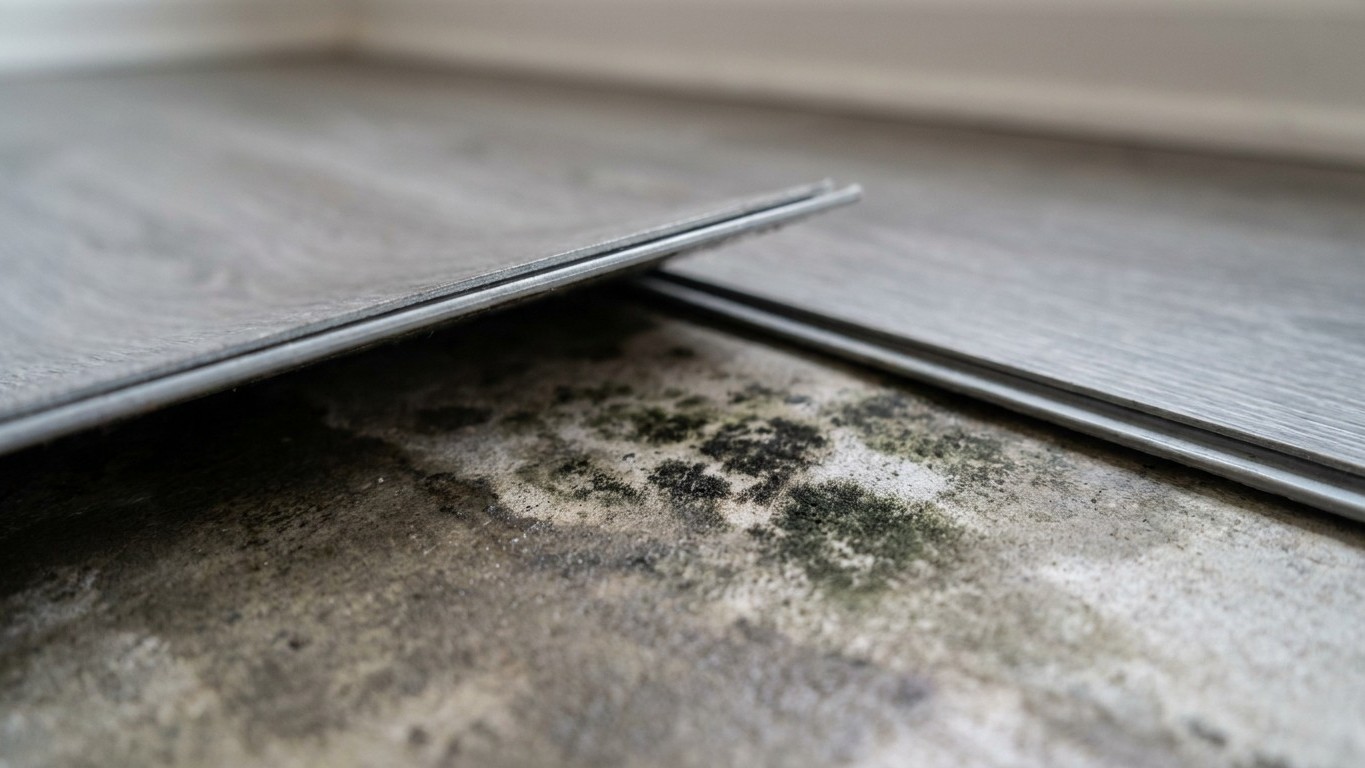
Floating click-together tiles seem like the perfect DIY solution—until you lift a corner three months later and find thriving mold colonies underneath. The very feature that makes these tiles convenient, their sealed interlocking fit, creates a moisture trap that can colonize your entire subfloor in weeks.

I Used Expanding Foam Behind Loose Skirting Boards—Here’s What Went Catastrophically Wrong

I Used Expanding Foam Behind Loose Skirting Boards—Here's What Went Catastrophically Wrong

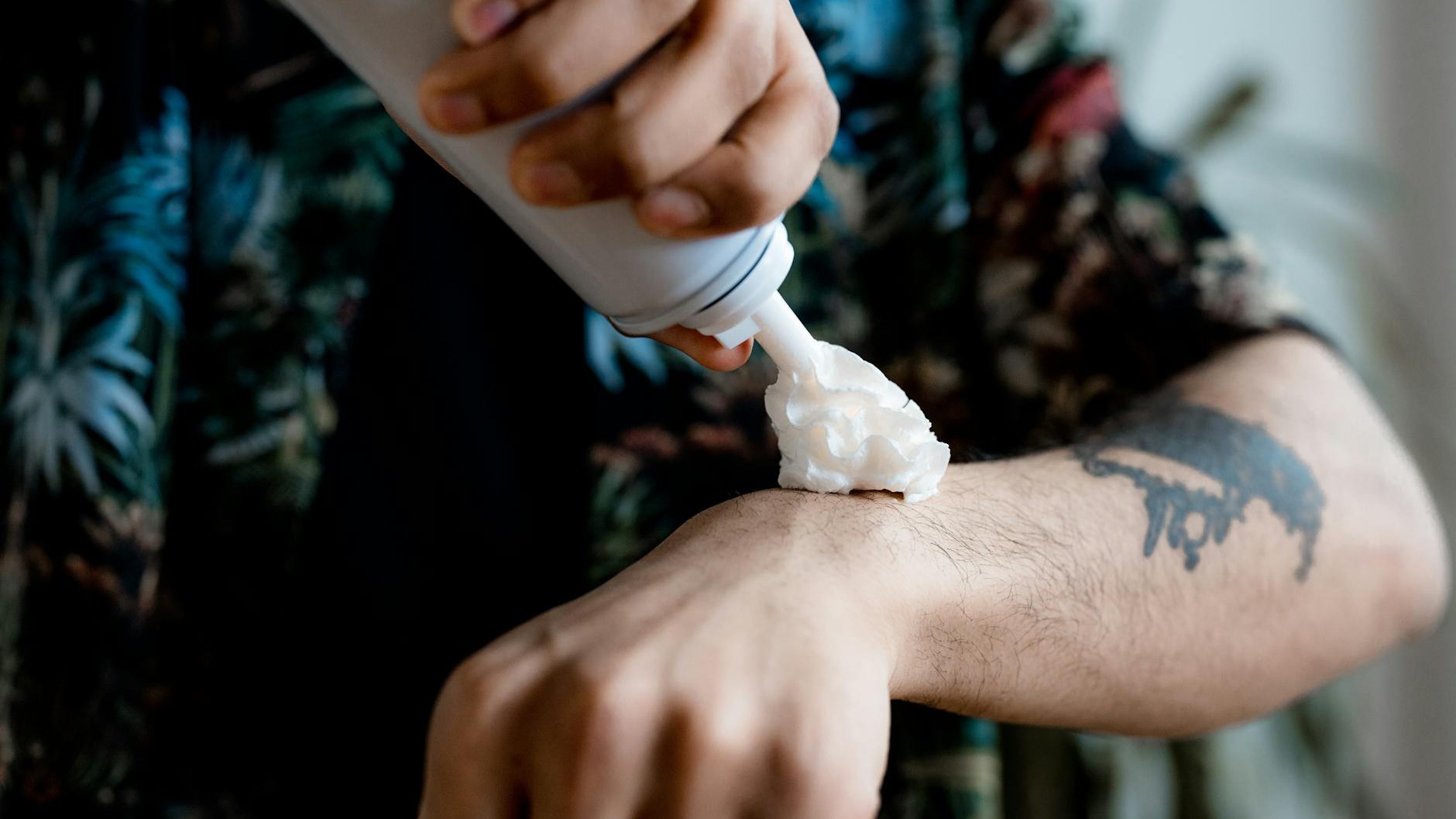
A common DIY mistake turns into a cautionary tale: one homeowner discovered that squirting expanding foam behind loose skirting boards overnight resulted in every board bowing outward and half-detaching from the wall by morning. Discover why this happens, how to fix the damage, and the safer alternatives professionals use.

Why Professional Tilers Never Skip Tape: The Science Behind Ceramic Tile Drilling

Why Professional Tilers Never Skip Tape: The Science Behind Ceramic Tile Drilling

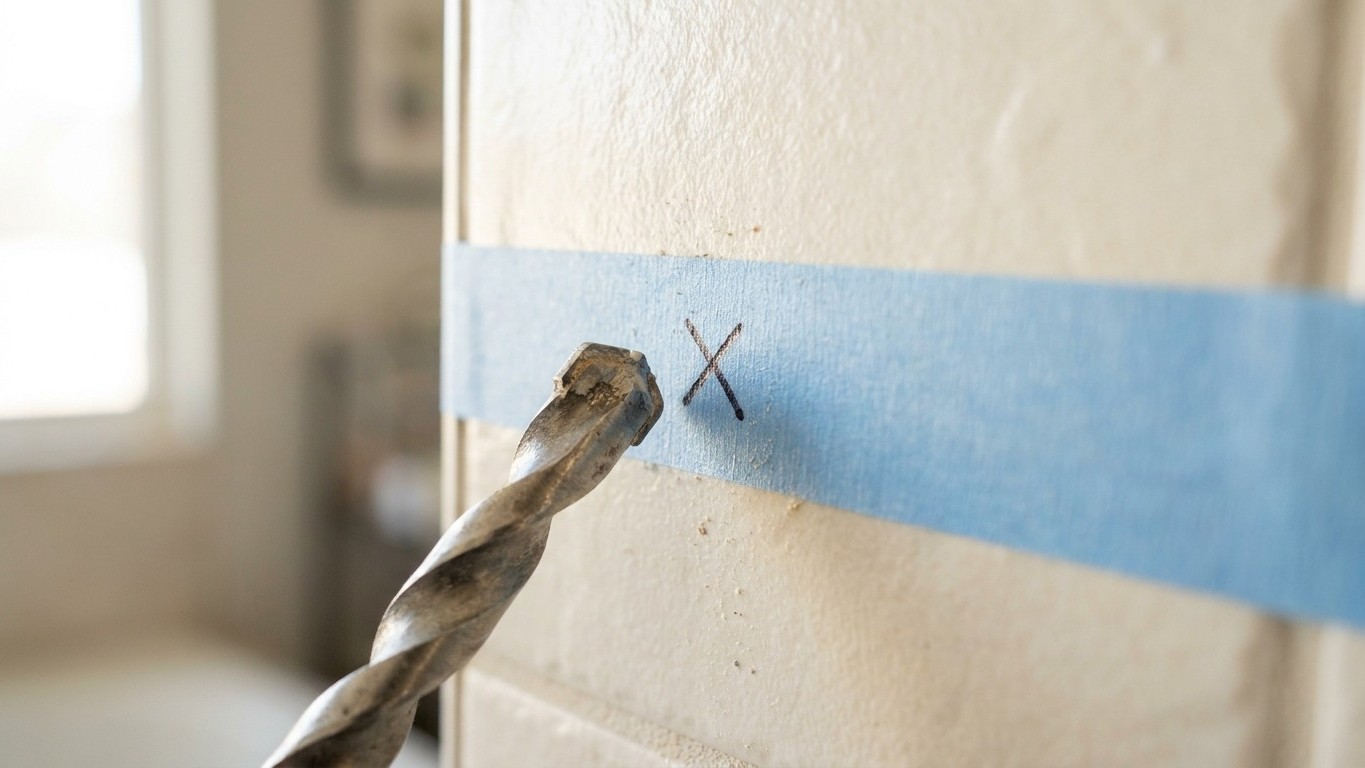
Drilling ceramic tile without tape is a common mistake that costs homeowners dearly. The glazed surface causes drill bits to skate rather than bite, generating heat and vibration that the tile can’t absorb. Professional tilers have learned through experience that a simple strip of low-tack tape transforms the entire process.

The Hidden Spring Tab Behind Your Loose Socket That Could Cause a House Fire

The Hidden Spring Tab Behind Your Loose Socket That Could Cause a House Fire

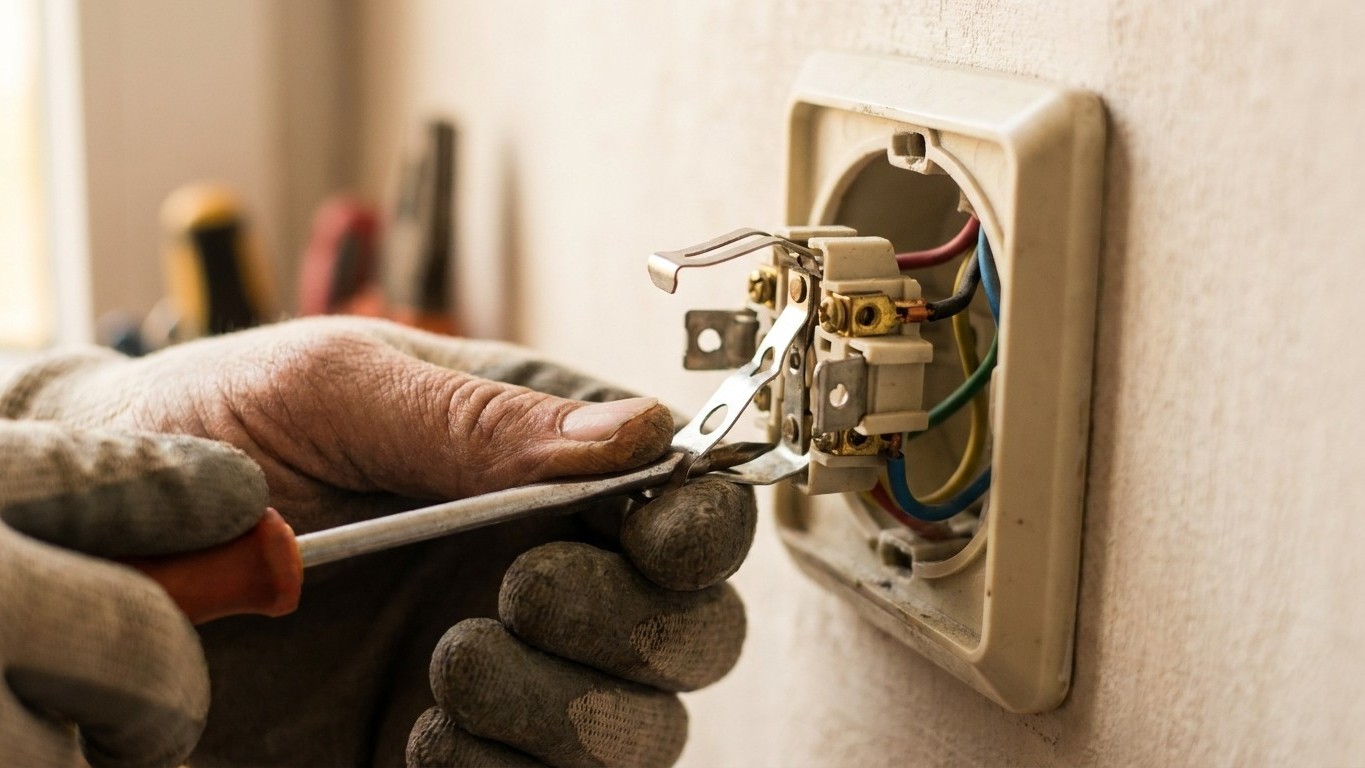
You’ve probably tried tightening that wobbly socket yourself, but you may have been crushing a critical hidden component that millions of homes rely on. An electrician reveals the decades-old wiring shortcut that could be silently degrading in your walls right now.

Why Your Concrete Fence Posts Are Rotting: A Builder’s Secret to Posts That Last Decades

Why Your Concrete Fence Posts Are Rotting: A Builder's Secret to Posts That Last Decades

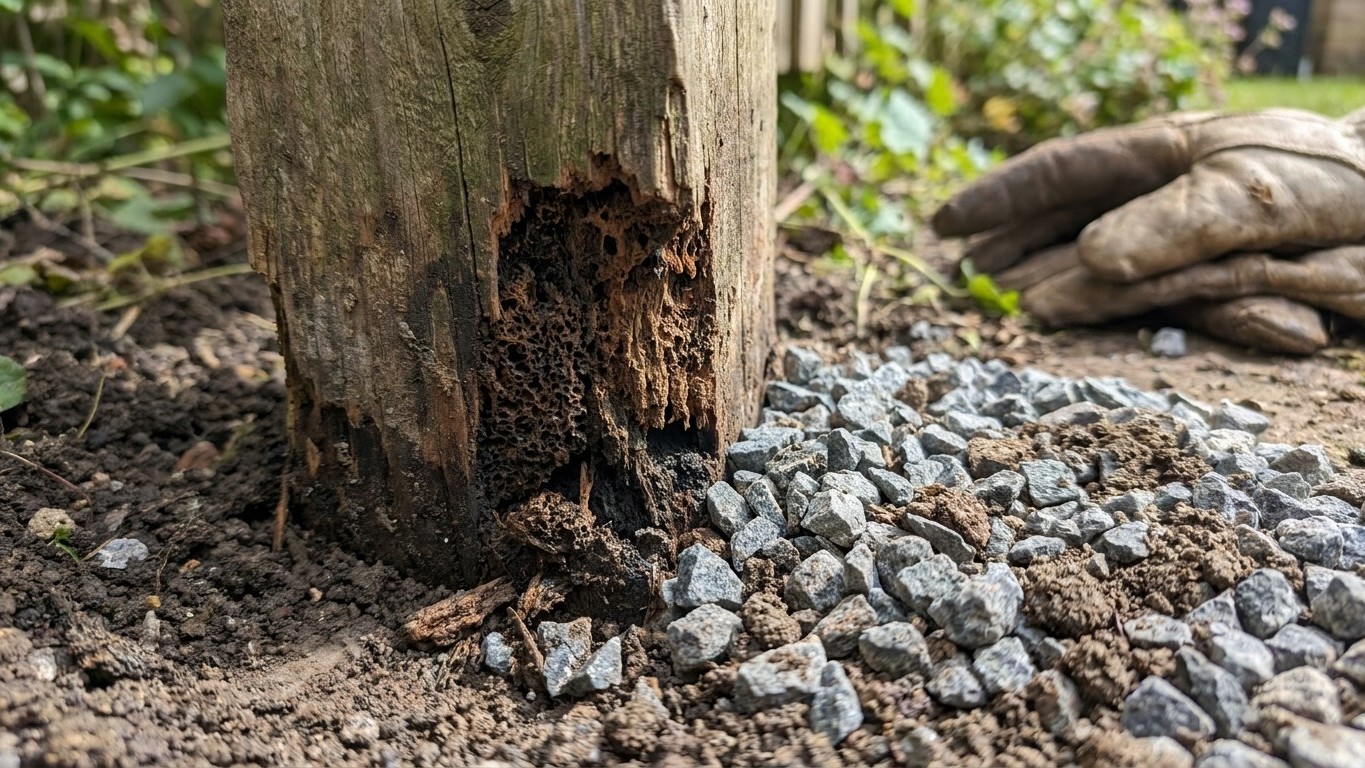
Concrete seems like the obvious choice for setting fence posts, but it’s actually creating the perfect conditions for rapid rot. A 30-year builder revealed a simpler, more effective method using gravel that lets wood dry out between wet periods—the key to preventing decay.

The MDF Edge Mistake That Ruins Your Finish: Why Fine Sanding Makes Everything Worse

The MDF Edge Mistake That Ruins Your Finish: Why Fine Sanding Makes Everything Worse

Sanding MDF edges with fine-grit paper seems logical, but it actually seals the surface and makes primer absorption catastrophically worse. Professional decorators and cabinetmakers use a completely different approach that runs counter to instinct but delivers consistently flawless results.