
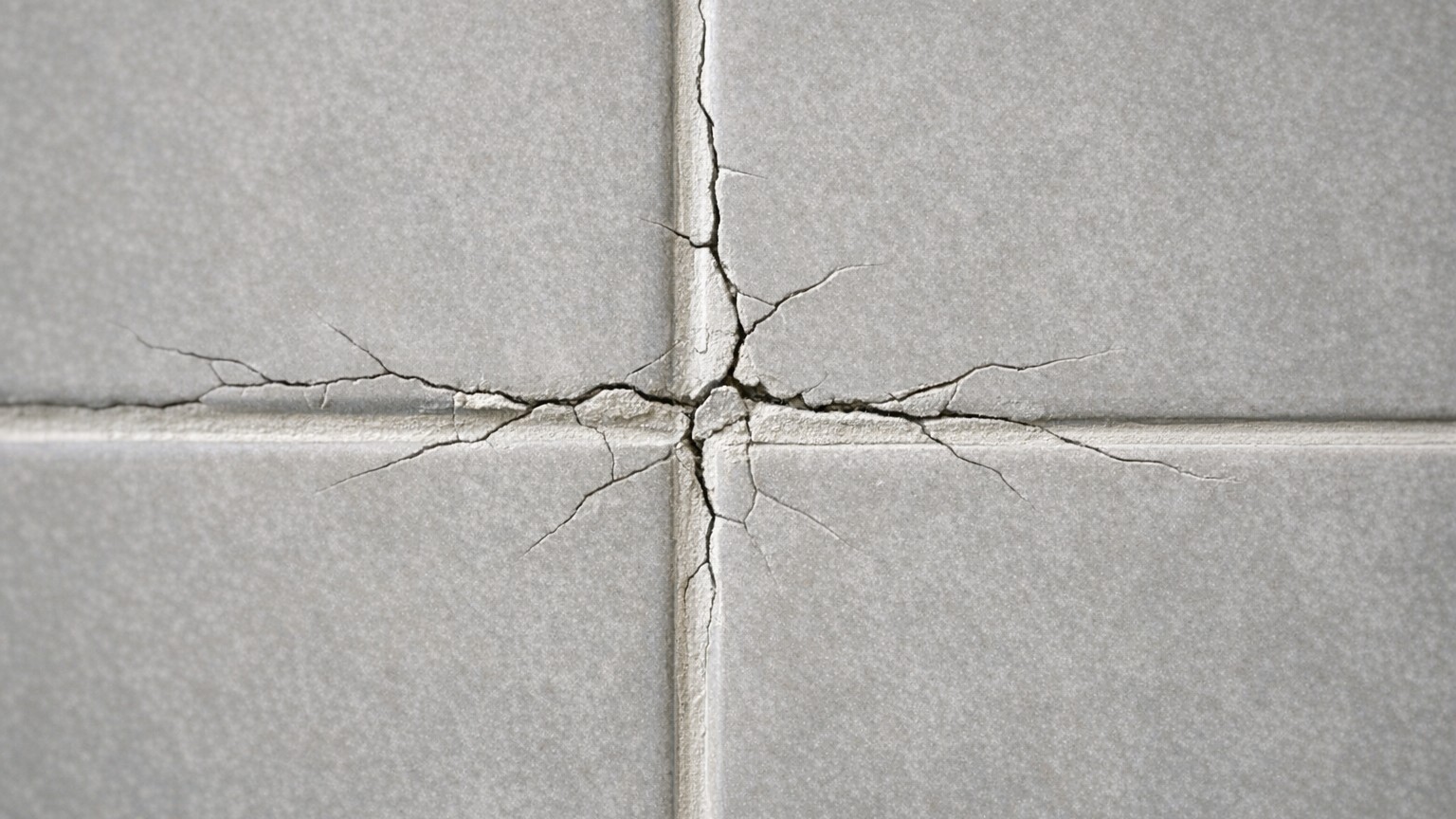
Hairline cracks in fresh grout, appearing just weeks after a brand-new tiling job, are one of the most disheartening sights in DIY home improvement. The tiles look beautiful, the grouting looks neat, and then, nothing. Or rather, something very much unwanted. The culprit, in the vast majority of cases, is a single step skipped before a single tile was even touched: priming the wall.
Key takeaways
- A bathroom tiling job can fail spectacularly from one overlooked step before any tiles are even laid
- Moisture, timing, and mixing mistakes combine to create problems that don’t show up until weeks or months later
- The difference between success and a £2,500 repair bill comes down to patience, proper primers, and following manufacturer instructions
The Step Nobody Warned Me About
Surface preparation sounds obvious, but priming is the part most first-timers quietly skip over, assuming their walls look fine, clean and solid. Plasterboard is a porous material, meaning it will absorb moisture applied to it, which means that once tile adhesive has been applied, the board can absorb the moisture too quickly for the bonding reaction to occur properly. The adhesive, starved of the moisture it needs to cure and grip, forms a weak bond. Weeks later, under the expansion and contraction that comes with a steamy bathroom environment, the tiles begin to shift. Almost imperceptibly at first. Then the grout lines crack.
The plaster needs to be sealed because it is very porous and will suck the moisture out of the tile adhesive before it has time to “grab” properly. This is not a minor technical detail. It is the reason your entire job can fail. For cement-based adhesive, you must prime the surface, otherwise, the tiles may either not adhere, or come away after a few months. Those aren’t alarmist words. They are exactly what can happen, and did happen to me.
The other common shortcut that causes identical results is the “dot and dab” approach to adhesive. One of the most frequently seen examples of poor tiling is the use of the outdated “dot and dab” method, which involves applying blobs of adhesive in the corners and centre of each tile instead of spreading adhesive evenly across the surface with a notched trowel, a shortcut that leads to trapped air pockets that collect moisture, and an increased risk of cracking due to lack of full tile support.
Why Grout Cracks Even When the Tiles Look Stuck
Cracked grout is not always a sign that the tile itself has failed, at first. Tile grout is designed to do more than fill the spaces between tiles: it stabilises the installation and protects against moisture. When grout begins to crack, it’s often a signal that something beneath the surface isn’t working as it should. In practice, what usually isn’t working is the substrate preparation that should have happened before a single tile went up.
If you rush to grout before the adhesive is fully dry, the tiles can experience minor movement as it cures, which can crack the grout. Some ready-mixed adhesives can take a number of days to fully cure, whereas rapid-setting adhesive will be fully dry in a few hours. Patience, on a DIY tiling job, is not a suggestion, it is the difference between success and a return visit from a professional with a chisel.
Grout itself can also be the weak link if mixed incorrectly. If too much water or additives are used when mixing the grout, air pockets can form inside it. Over time, this can weaken and break the grout, and it is a common culprit in cases where brand new grout is cracking. The fix sounds simple enough: mix to the manufacturer’s instructions, not by feel. But when you’re tired and just want the job done, it’s very easy to add a splash more water and tell yourself it’s fine.
Doing It Right: What Proper Preparation Actually Looks Like
Good surface preparation is not complicated, but it does require a specific order and the right products. Before priming, make sure you know what type of surface you are priming and what adhesive you are going to use, because primer can be used diluted or undiluted, depending on what substrate you’re tiling on to, or whether you’re using a cement-based or ready-mixed adhesive.
For most UK bathrooms with plastered or plasterboard walls, an acrylic-based primer is the appropriate choice. The final preparation step before tiling on plasterboard is to apply an acrylic-based primer to help prepare the surface for the tile adhesive. You can use moisture-resistant plasterboard, but it still needs to be primed and sealed properly to help keep it waterproof. Importantly, two coats of undiluted primer are recommended for gypsum plaster when using a cementitious adhesive. Apply the two coats in perpendicular directions, making sure to let the first coat dry before applying the second. Most primers dry within 30 minutes in a ventilated room, so this adds very little time to the overall project.
A word on PVA: many older guides and well-meaning builders still recommend it as a primer for tiling, and you’ll find conflicting advice in plenty of online forums. The trade consensus, however, is clear. The issue with PVA is that any moisture getting to it will reactivate it, it goes soft, and your tiles fall off. In a wet room, that’s essentially inevitable. Stick to an acrylic primer or an SBR-based product specifically designed for tile preparation.
Once the primer is fully dry, check the surface flatness before touching the adhesive. Uneven surfaces can lead to lippage, where tile edges are higher or lower than adjacent tiles, cracking, or tiles coming loose over time. Before laying tiles, thoroughly inspect the subfloor or wall for any unevenness. Small bumps up to about 4–5mm can generally be accommodated; anything more significant needs addressing with patching compound or, in serious cases, a new board.
The Cost of Skipping It
Bathroom tiling requires more than just a good visual finish. When correct methods are not followed, problems such as loose tiles, water leaks, and hidden structural damage can appear very quickly, often resulting in costly repairs. And those repairs are not cheap. Generally, you should expect to pay between £700 and £2,500 to retile a bathroom, depending on the complexity and size of the project. That figure can climb further if the substrate beneath has been damaged by water ingress. One of the most expensive issues is water damage, which may affect the tile. Also, the substrate and framework behind it — often requiring the installation of a new waterproofing layer by removing several tiles, drying the room, and then retiling.
There is also the small matter of matching tiles. Sourcing close matching or colour-blending of already existing tiles is a possible cost driver, and your installer may also have to go the extra mile to do this additional work, which in turn can increase the cost of labour. If your original batch is discontinued, and in bathrooms, even a few months can see a tile line change — you may end up retiling a wider area than strictly necessary simply because a perfect match cannot be found.
The priming step costs a few pounds and an afternoon. The repair bill for skipping it can easily run to several hundred. Poor installation practices cause more cracked tiles than homeowners realise, and these problems often don’t show up for months or even years after installation, long after the job feels finished. One other detail worth knowing: the British Standard for wall and floor tiling, BS 5385 Part 1:2018, now recommends that plasterboard, including moisture-resistant plasterboard, is generally unsuitable for wet areas unless additional protection in the form of a waterproofing tanking system is used. That is a newer development many DIYers are simply not aware of, and it explains why even “waterproof” boards still need proper treatment before tiling begins.
Sources : fantastichandyman.co.uk | servicetasker.co.uk