Why painting furniture in direct sun leaves roller marks
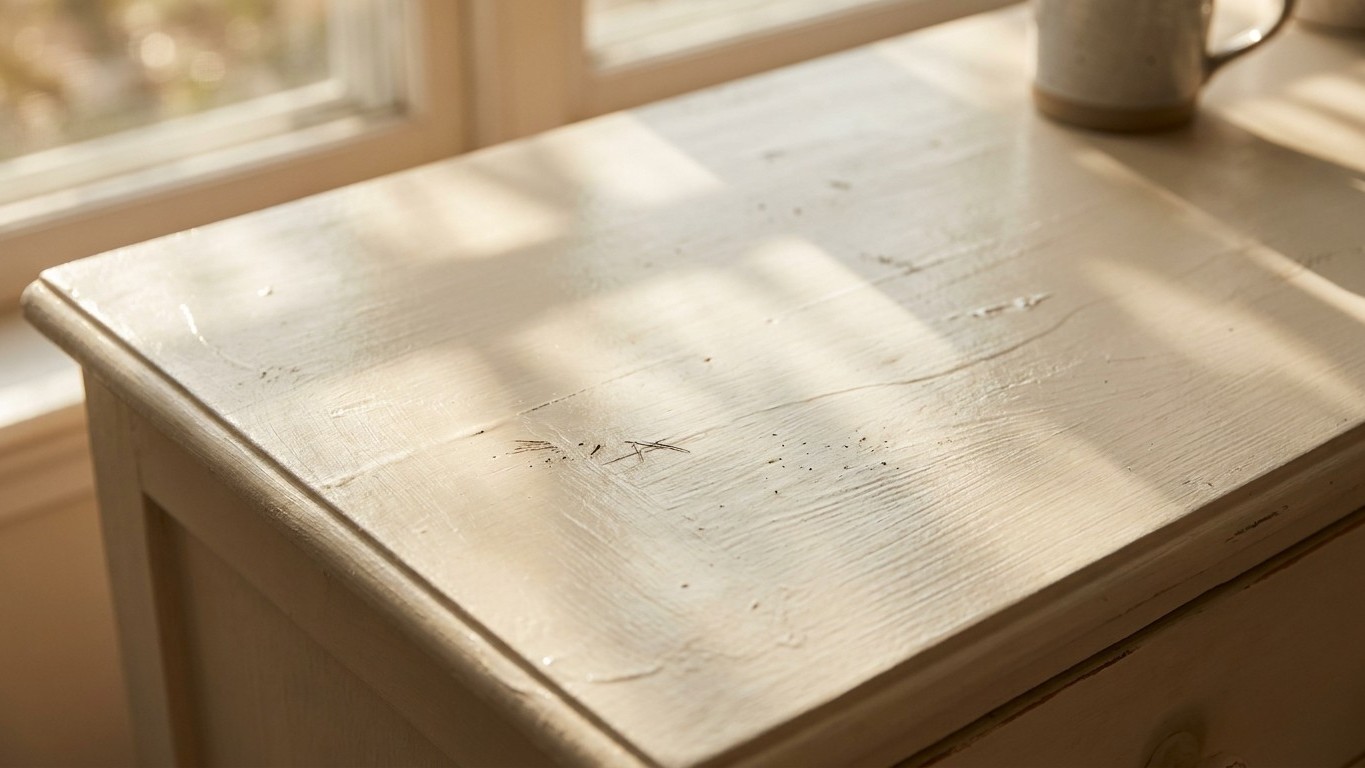
I rolled the second coat onto my second-hand chest in full sun just to speed the drying up: an hour later, standing back, ...

What looked like a clever shortcut—rolling paint in bright sunshine to speed drying—turned into a textured disaster. An hour of heat created a surface skin that trapped wet paint underneath, and the roller dragged up half-cured ridges that couldn’t be smoothed away. Here’s the chemistry behind the mistake and how to fix it.
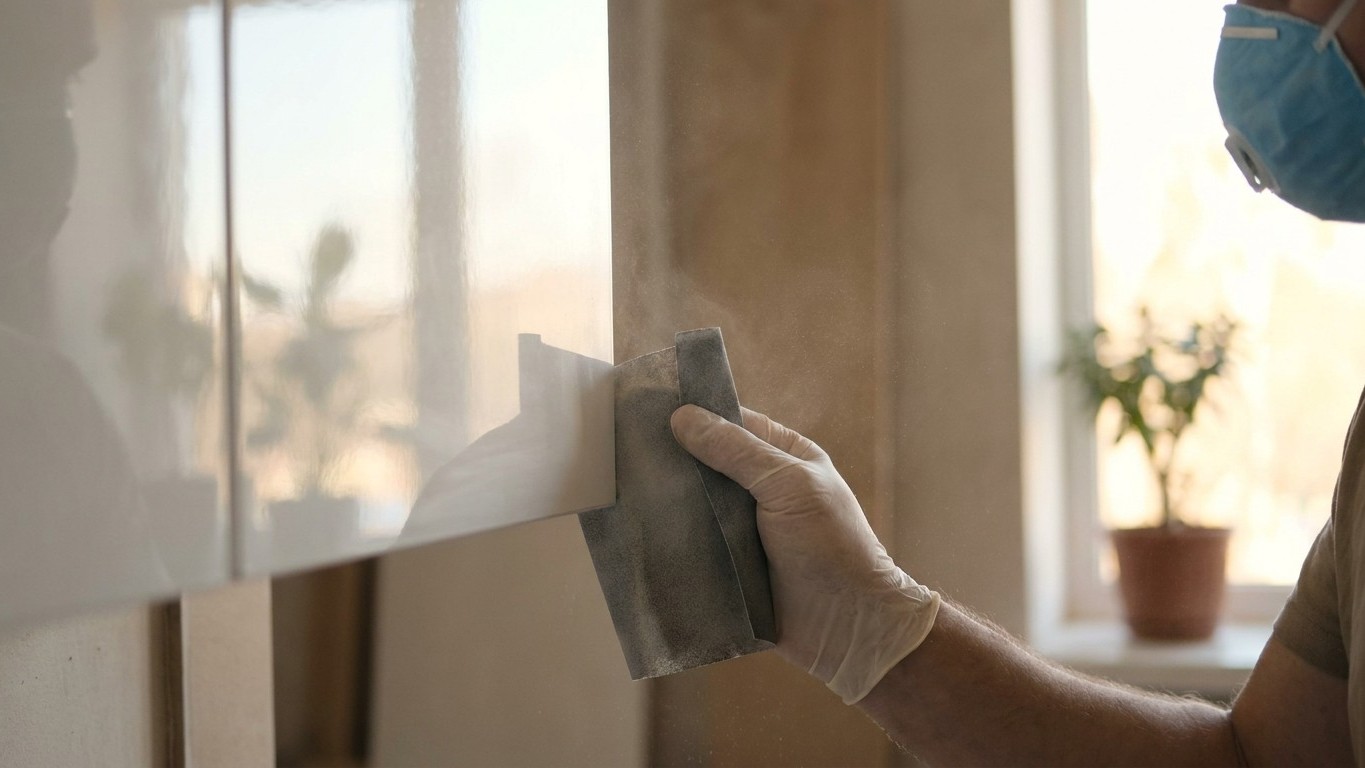
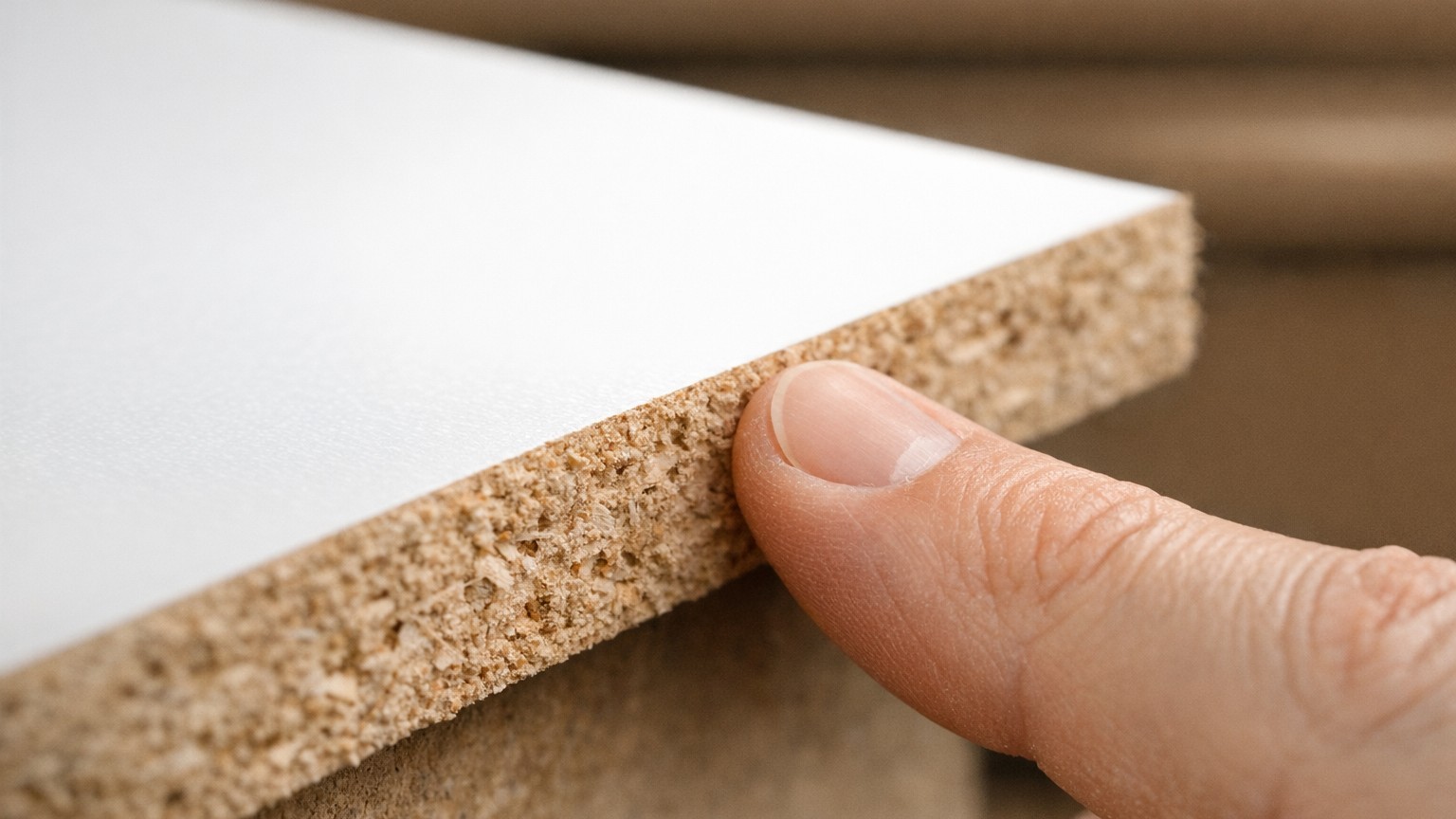
Why paint won’t stick to melamine furniture and how to prepare it first

'I thought paint would stick to any surface': why melamine furniture rejects every coat unless you do this first

Melamine’s slick plastic surface is essentially invisible to paint, which is why so many DIY projects fail within days. The secret isn’t better paint—it’s understanding the chemistry and following a precise preparation ritual that transforms the surface itself before any brush touches it.

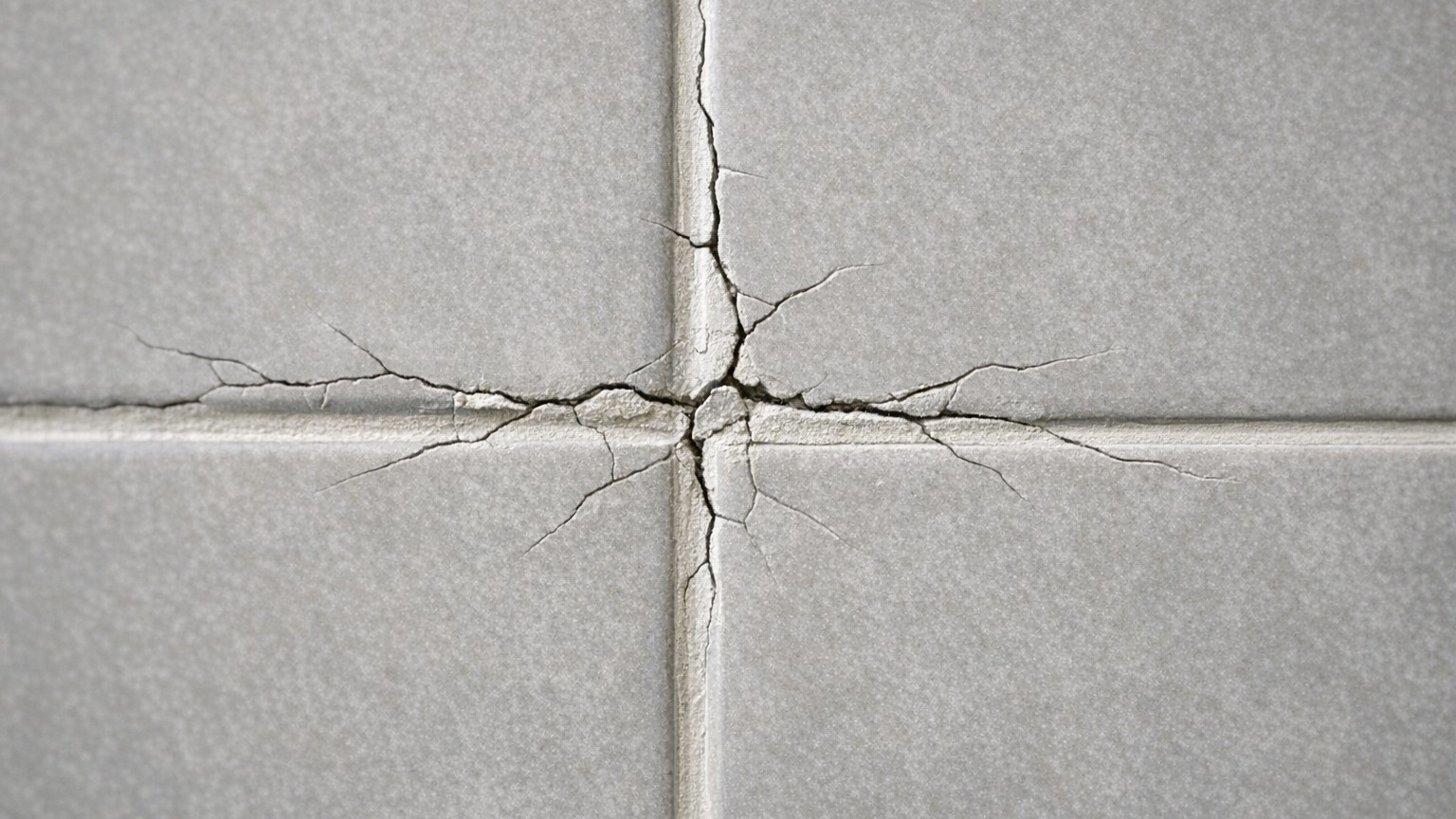
Why bathroom grout cracks when one tiling step is skipped

I Skipped One Crucial Step Before Tiling My Bathroom—Here's Why It Cost Me Hundreds in Repairs

A single skipped step in bathroom tiling preparation led to hairline cracks in fresh grout and a repair bill over £2,000. The culprit: failing to prime the plasterboard before applying tile adhesive. Learn why surface preparation isn’t optional and how to get it right the first time.

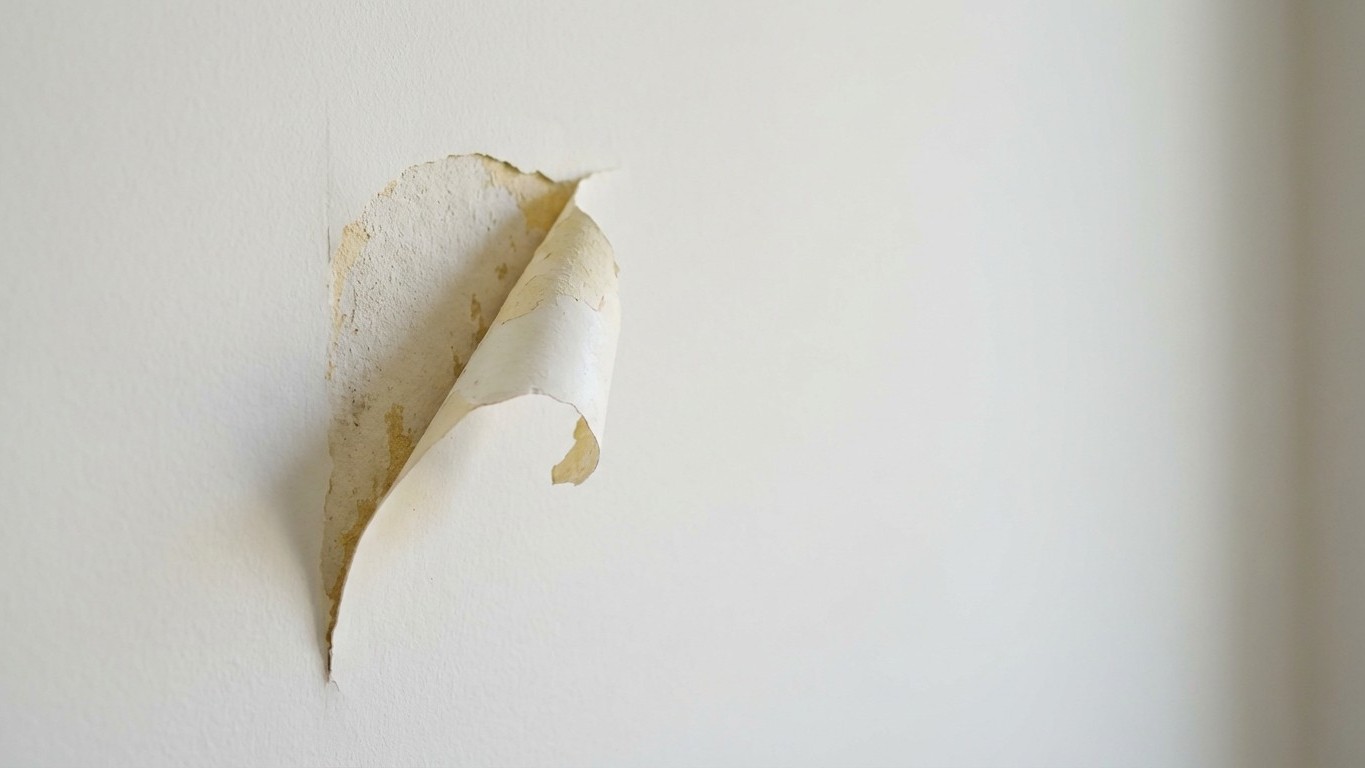
How to prepare walls before painting to stop paint peeling

The Hidden Wall Flaw That Determines If Your Paint Lasts 5 Years or Peels in 6 Months — The Critical Step 90% Skip

Your paint isn’t failing because of the brush or coats—it’s failing because of what happens before you open the tin. One overlooked surface preparation step, skipped by 90% of decorators, determines whether your paint lasts five years or peels in months. The fix costs almost nothing extra—only patience.