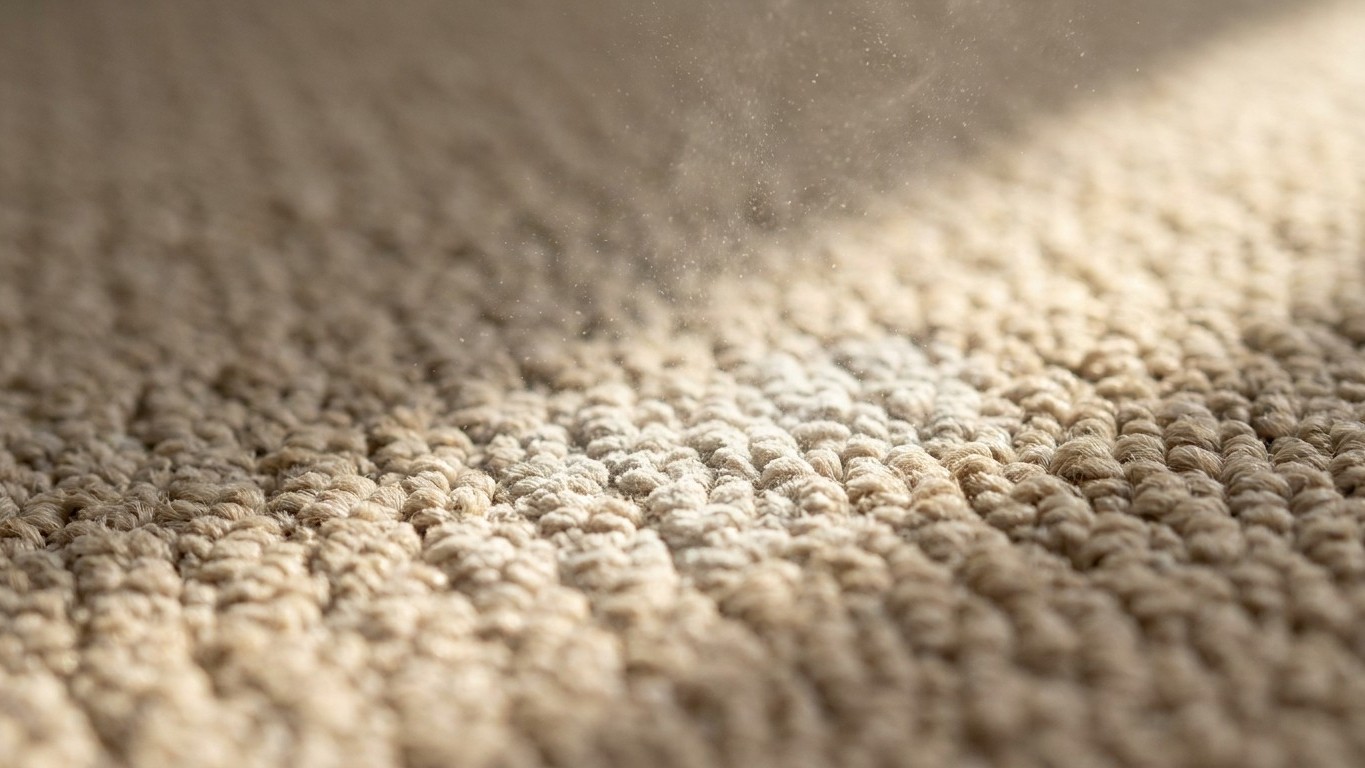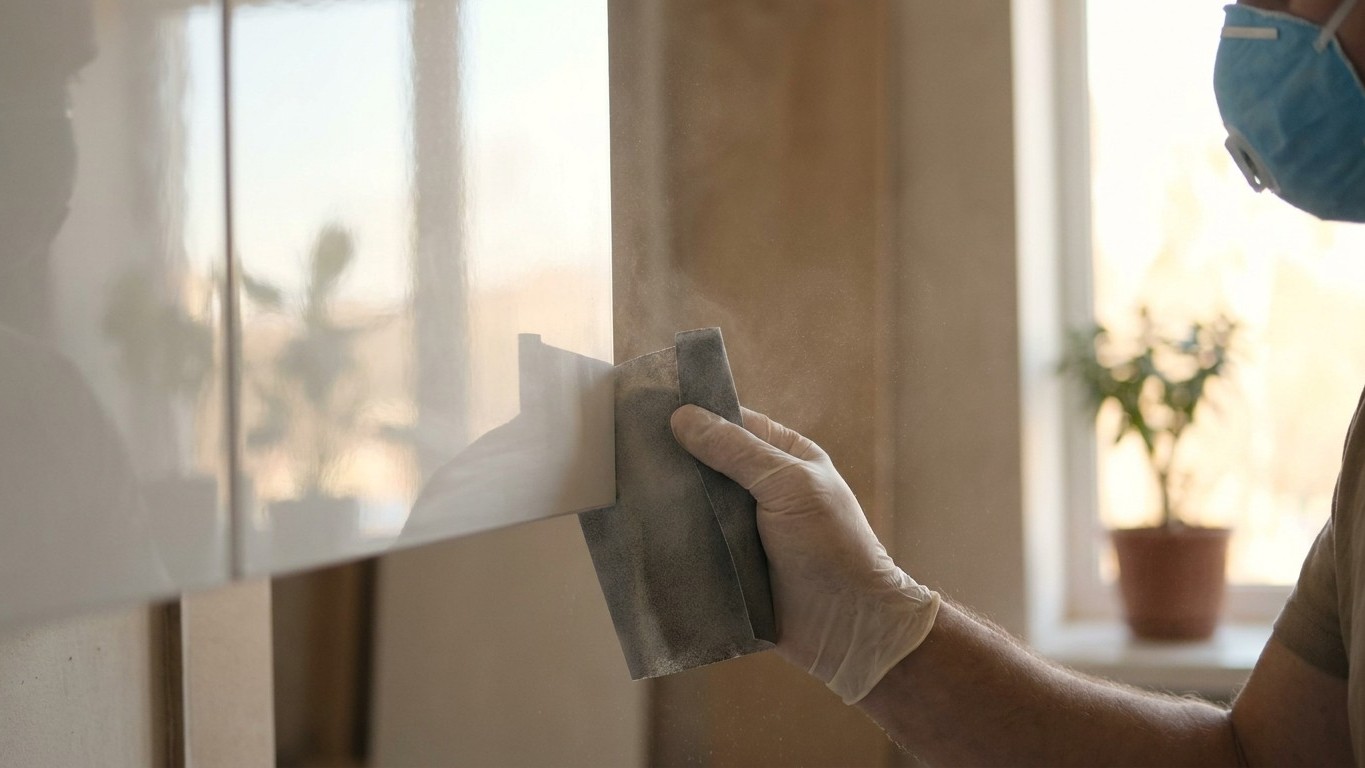
I dry-sanded an old chest of drawers in my living room just to freshen it up: when I saw what had settled into the carpet, it was already too late

I dry-sanded an old chest of drawers in my living room just to freshen it up: when I saw what had settled into the carpet,...

A weekend furniture refresh turned into a contamination hazard when fine lead dust settled invisibly into the carpet. Old painted chests of drawers and dressers may contain dangerous lead-based paint from before 1992, and dry sanding creates particles so small they’re impossible to see yet heavy enough to embed deeply into carpet fibres where ordinary vacuums can’t reach them.

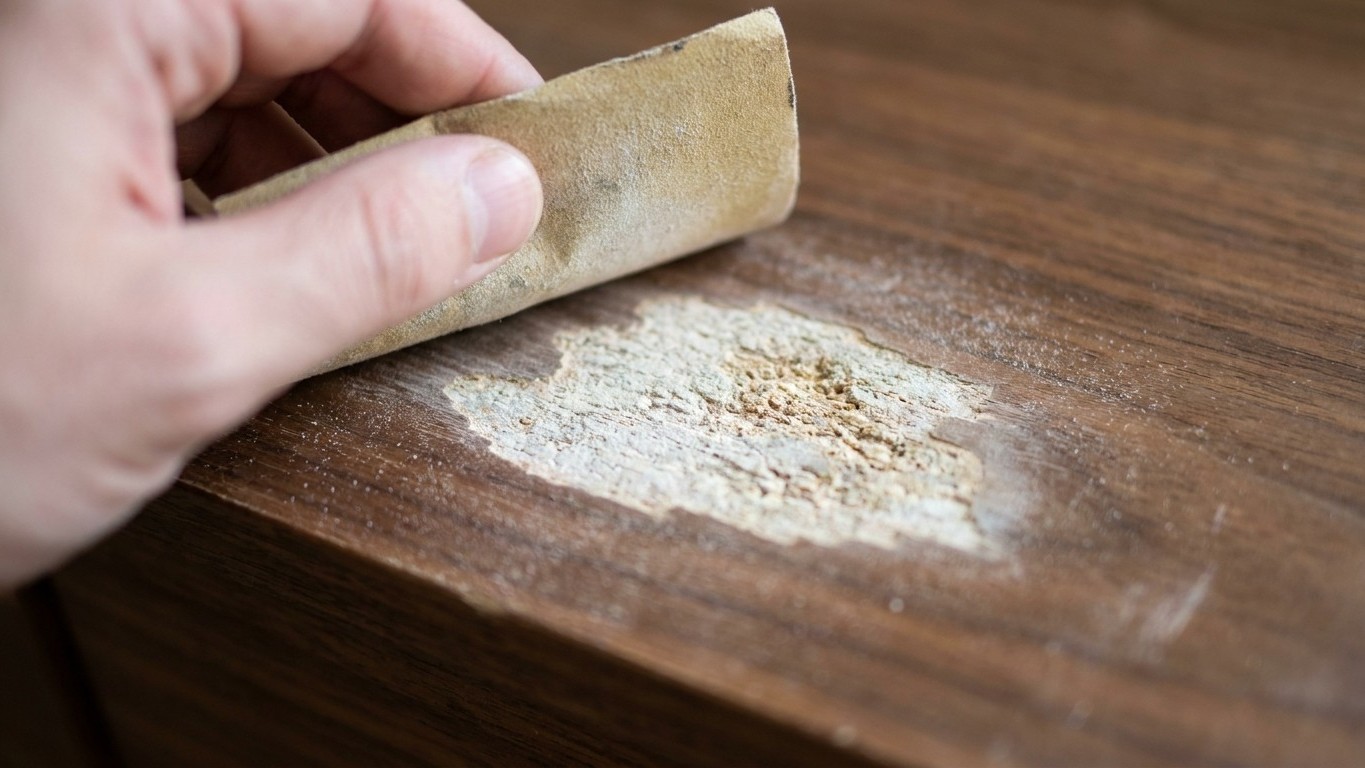
I sanded my flat-pack dresser like it was solid wood: when I saw what was showing through the surface, it was too late

I sanded my flat-pack dresser like it was solid wood: when I saw what was showing through the surface, it was too late

A seemingly simple refresh turned into a disaster when the sandpaper broke through the paper-thin veneer of a flat-pack dresser, exposing cheap chipboard underneath. Learn what’s really hiding beneath that wood-effect surface, why damage happens so suddenly, and how to prevent—or salvage—the mistake.

“I thought paint would stick to any surface”: why melamine furniture rejects every coat unless you do this first

'I thought paint would stick to any surface': why melamine furniture rejects every coat unless you do this first

Melamine’s slick plastic surface is essentially invisible to paint, which is why so many DIY projects fail within days. The secret isn’t better paint—it’s understanding the chemistry and following a precise preparation ritual that transforms the surface itself before any brush touches it.

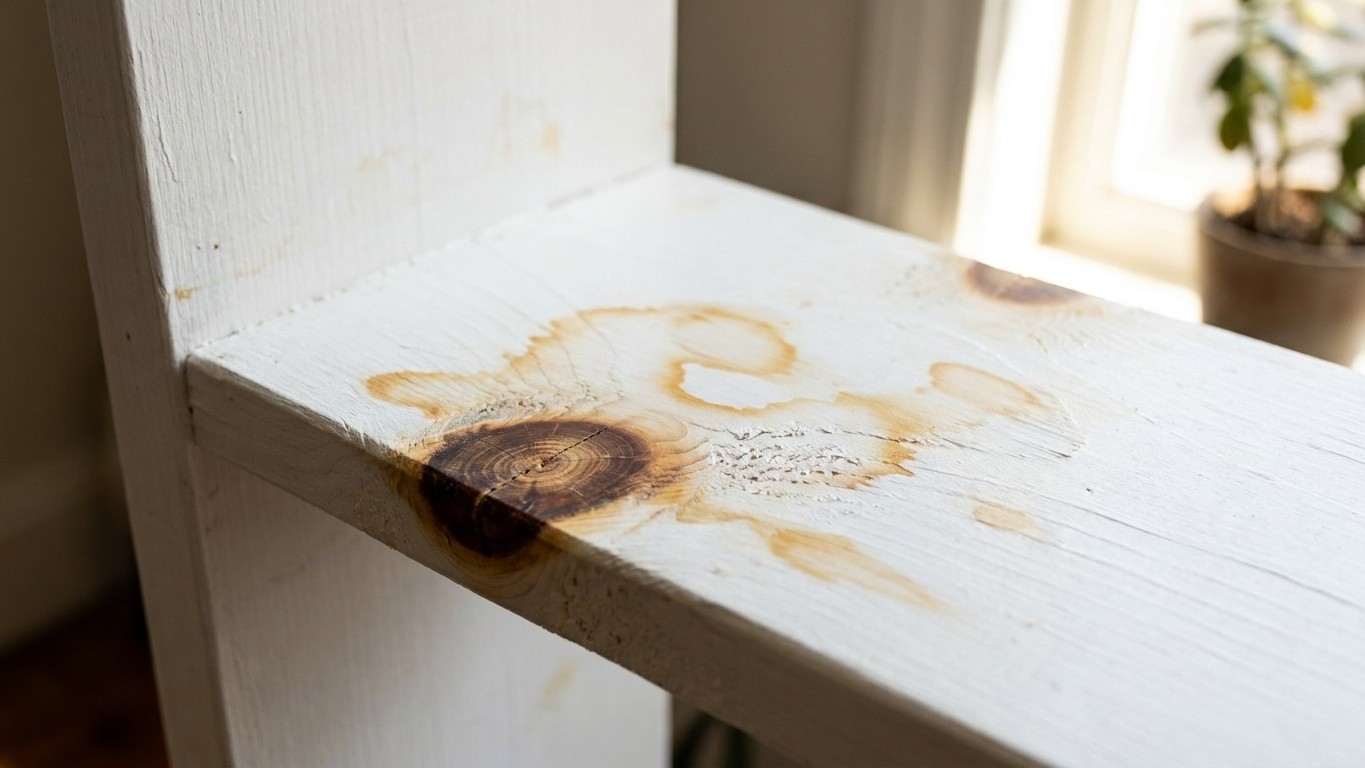
Why Your White Pine Shelves Turn Orange: The DIY Disaster Nobody Warns You About

Why Your White Pine Shelves Turn Orange: The DIY Disaster Nobody Warns You About

You paint your bare pine shelves white and think you’re done. Then weeks later, dark orange-brown halos appear around the knots, bleeding straight through your fresh coat. This maddening DIY mistake happens because pine resin never stops moving—but there’s a proven solution that works every time.

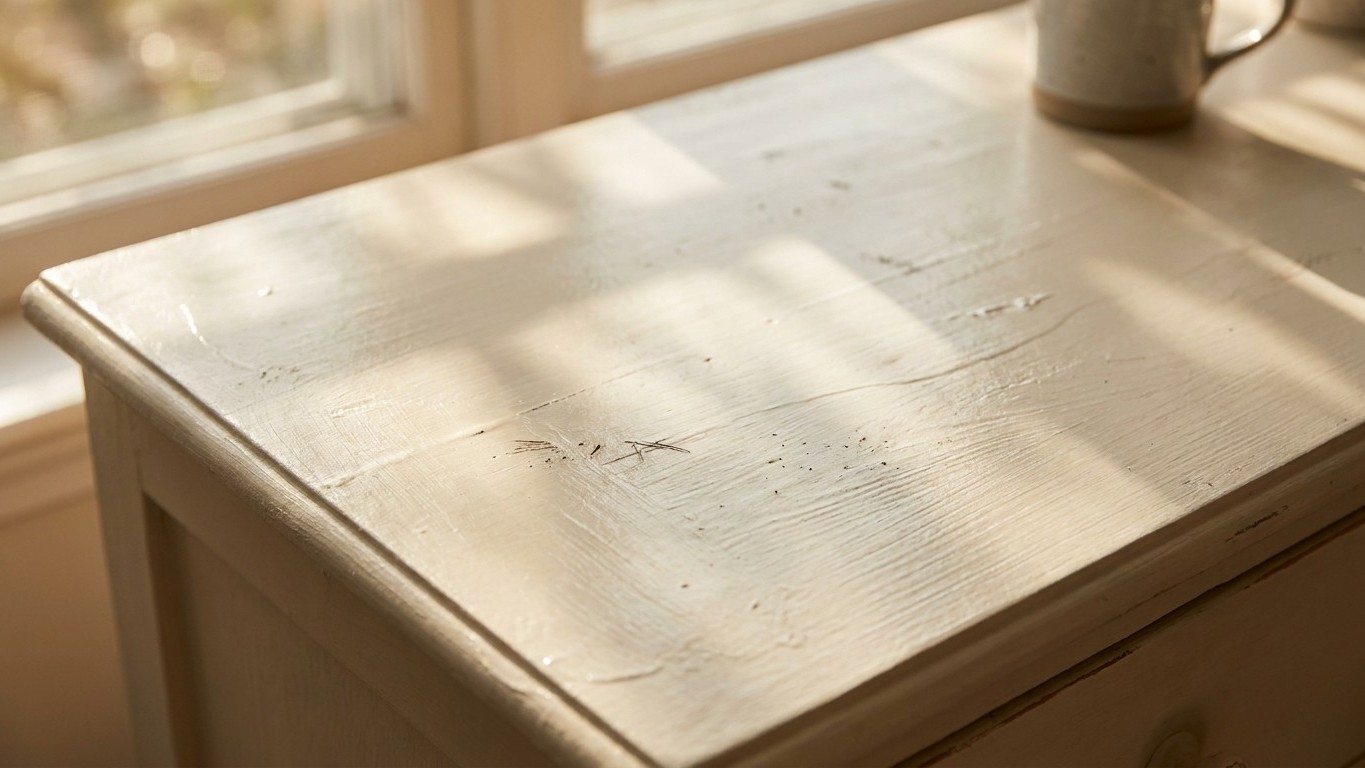
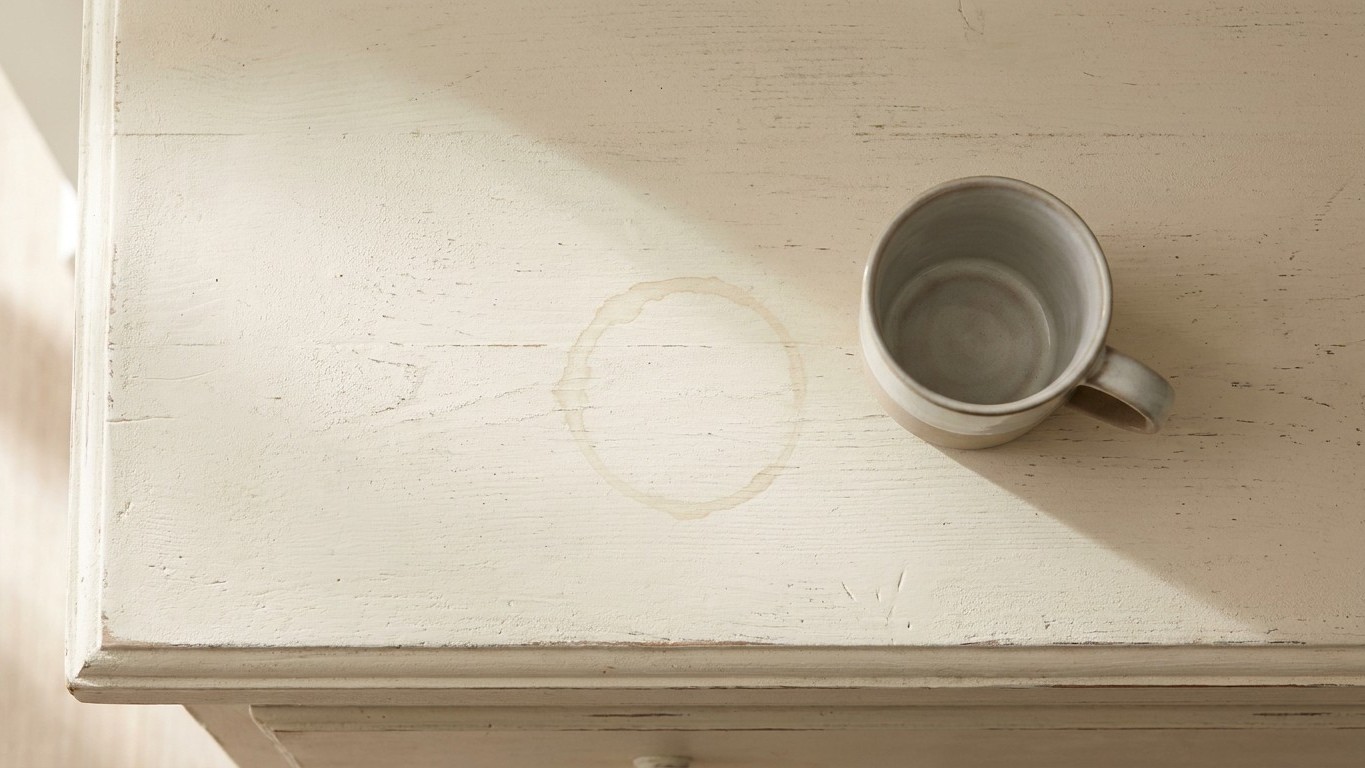
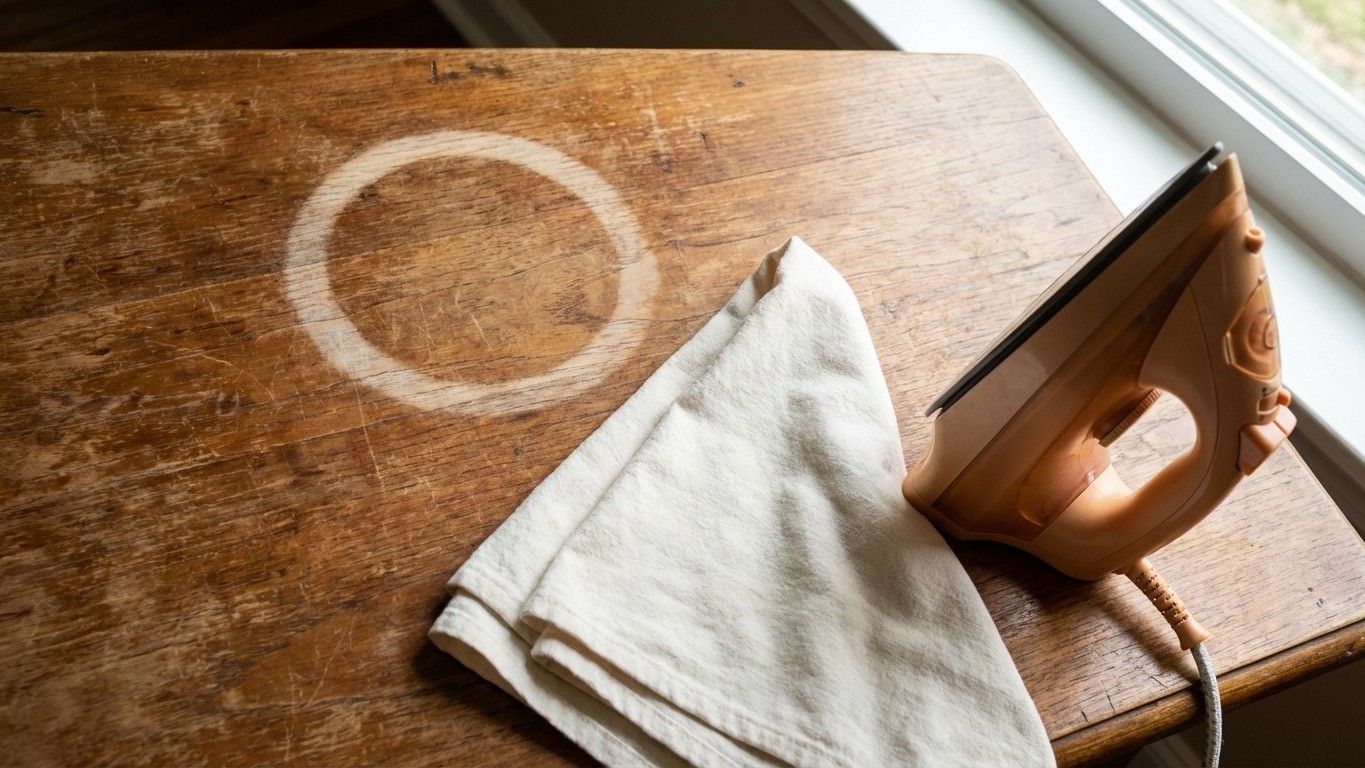
The Cabinet Maker’s Secret: Restore Damaged Furniture Without Ever Touching Sandpaper

The Cabinet Maker's Secret: Restore Damaged Furniture Without Ever Touching Sandpaper

Professional furniture restorers know a quiet secret: sanding destroys more pieces than it saves. Discover the gentler, cleverer tricks—using walnuts, olive oil, and steam—that bring damaged wood back to life without removing irreplaceable character.