
I repointed my Victorian brickwork with cement mortar myself to save a bit of money: when I looked at the wall after two winters, it was already too late
I repointed my Victorian brickwork with cement mortar myself to save a bit of money: when I looked at the wall after two w...

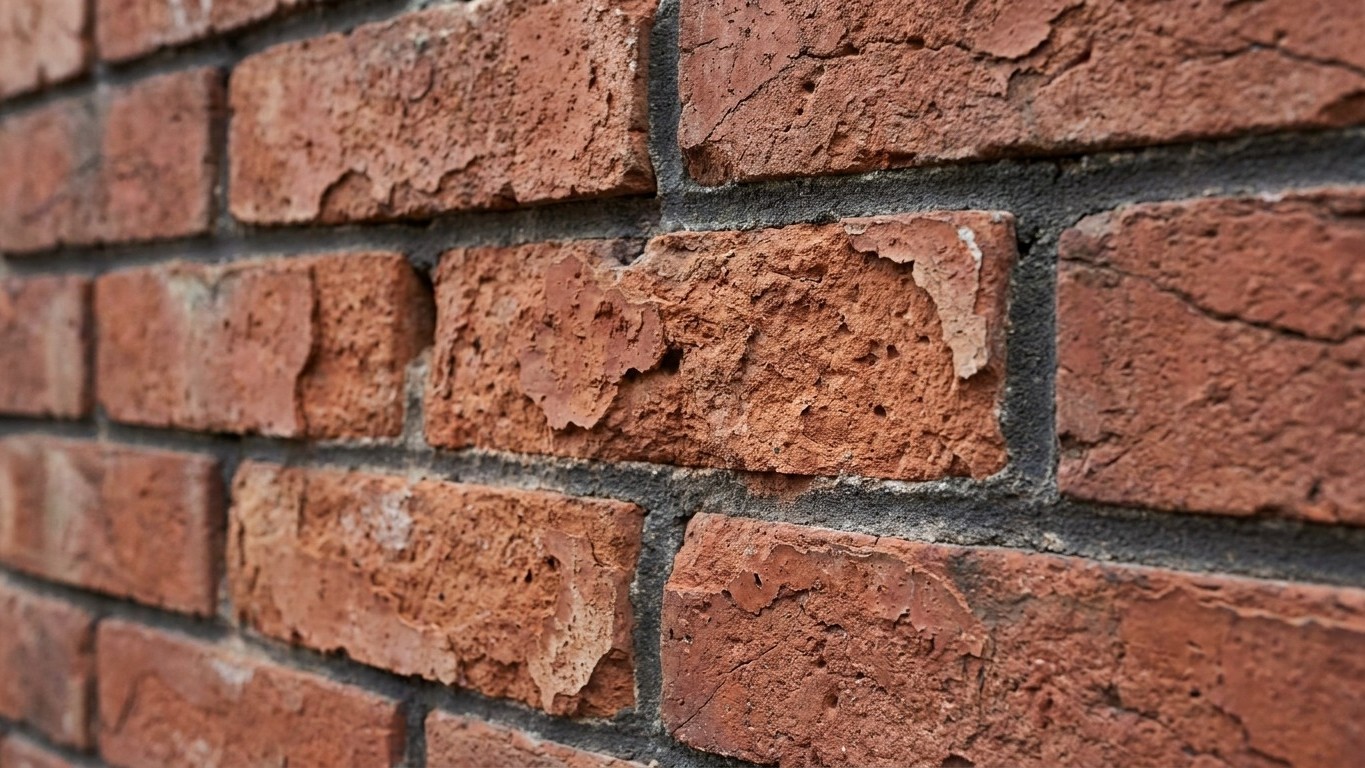
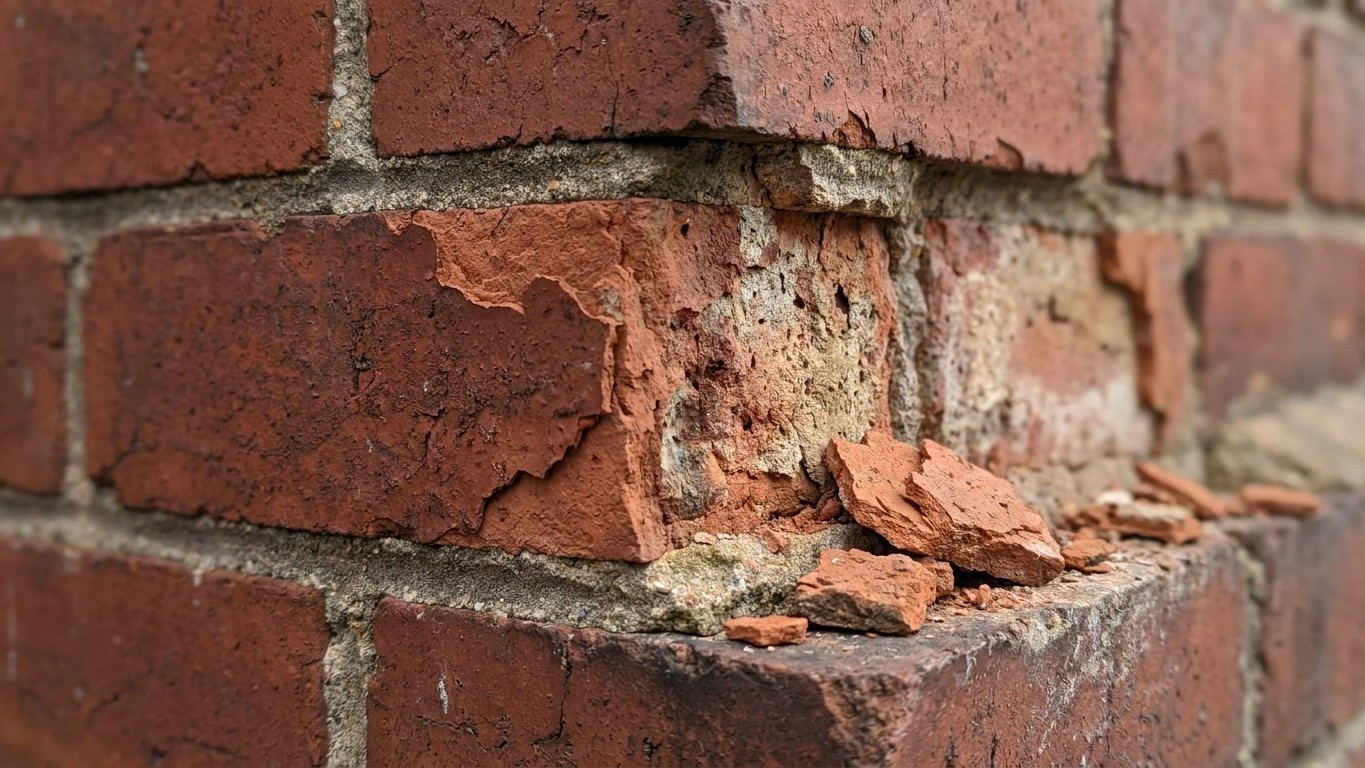
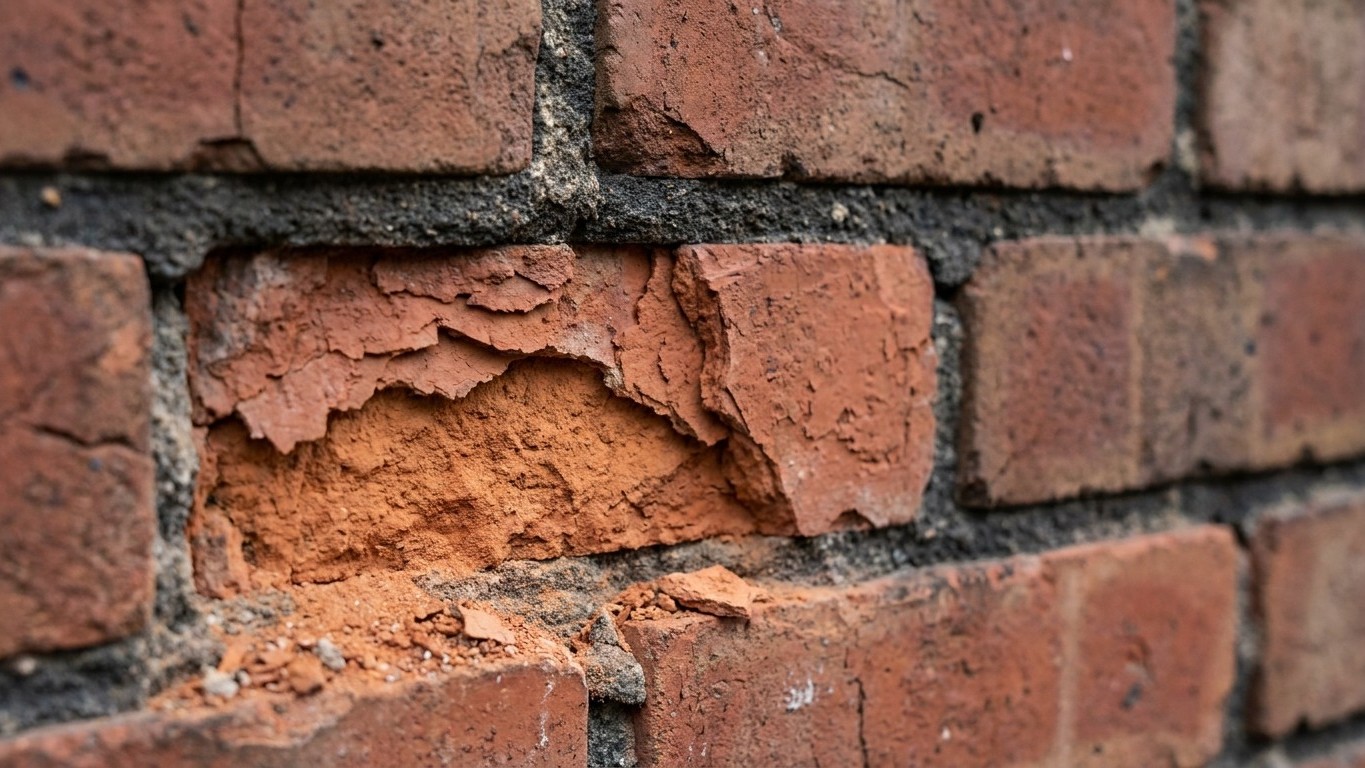
A seemingly smart DIY repointing job using cement mortar can destroy Victorian brickwork within two winters. The problem: cement is three times harder than the soft bricks it was meant to protect, trapping moisture and causing devastating frost damage that looks deceptively minor at first.
How I Destroyed My Victorian Walls With Cement Mortar—And Why It Happened to Thousands of Others

How I Destroyed My Victorian Walls With Cement Mortar—And Why It Happened to Thousands of Others

Repointing Victorian brickwork with modern cement mortar seems logical—until your bricks start cracking and spalling. This conservation mistake, repeated across thousands of period homes, costs tens of thousands in remedial work. The solution lies in understanding why the original builders chose soft lime mortar instead.

Why Cement Mortar Is Destroying Your Victorian Bricks: The Costly Mistake Homeowners Keep Making

Why Cement Mortar Is Destroying Your Victorian Bricks: The Costly Mistake Homeowners Keep Making

Repointing a Victorian wall with cement mortar seems like a sensible repair—until frost arrives. Two winters later, brick faces crumble in your hands. The problem isn’t the bricks; it’s a fundamental mismatch between modern cement and historic masonry that traps moisture and guarantees spalling.