Why expanding foam behind loose skirting boards bows them out
I Used Expanding Foam Behind Loose Skirting Boards—Here's What Went Catastrophically Wrong

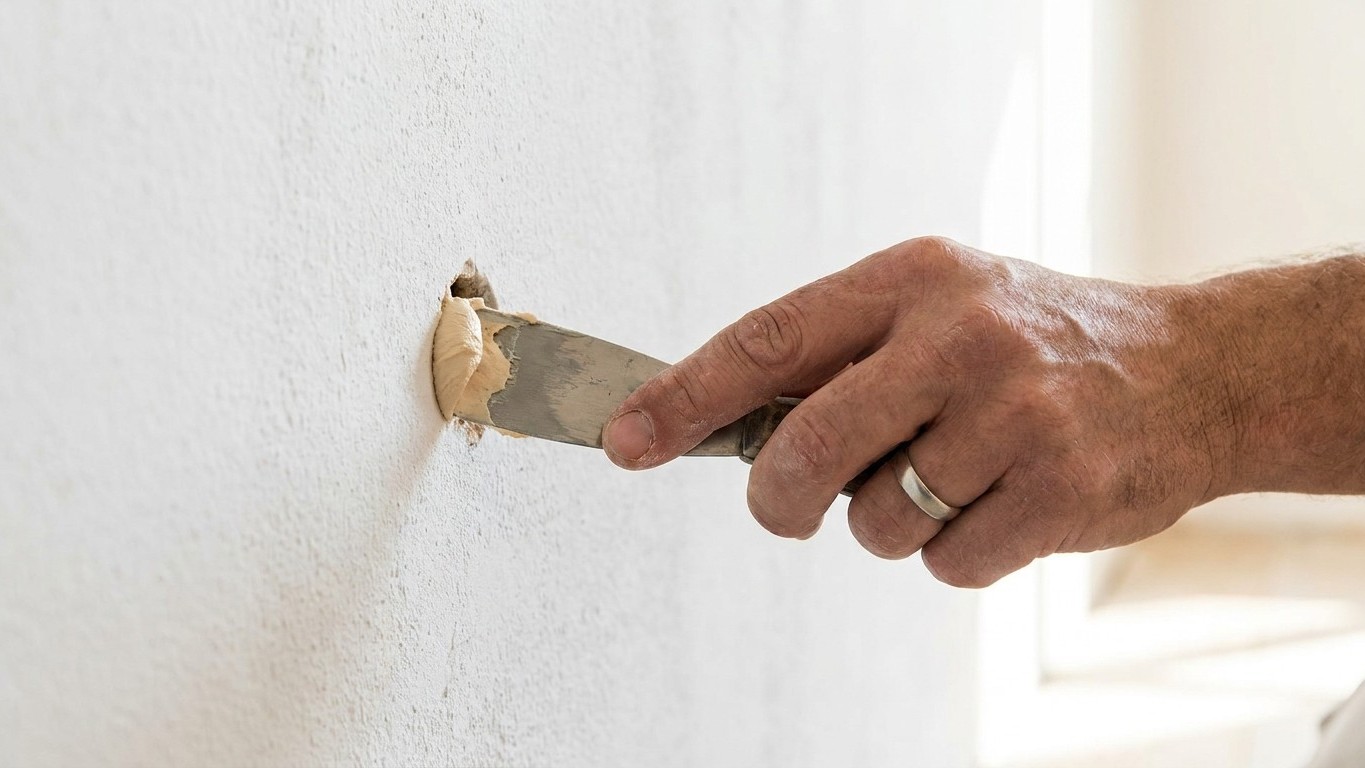
A common DIY mistake turns into a cautionary tale: one homeowner discovered that squirting expanding foam behind loose skirting boards overnight resulted in every board bowing outward and half-detaching from the wall by morning. Discover why this happens, how to fix the damage, and the safer alternatives professionals use.
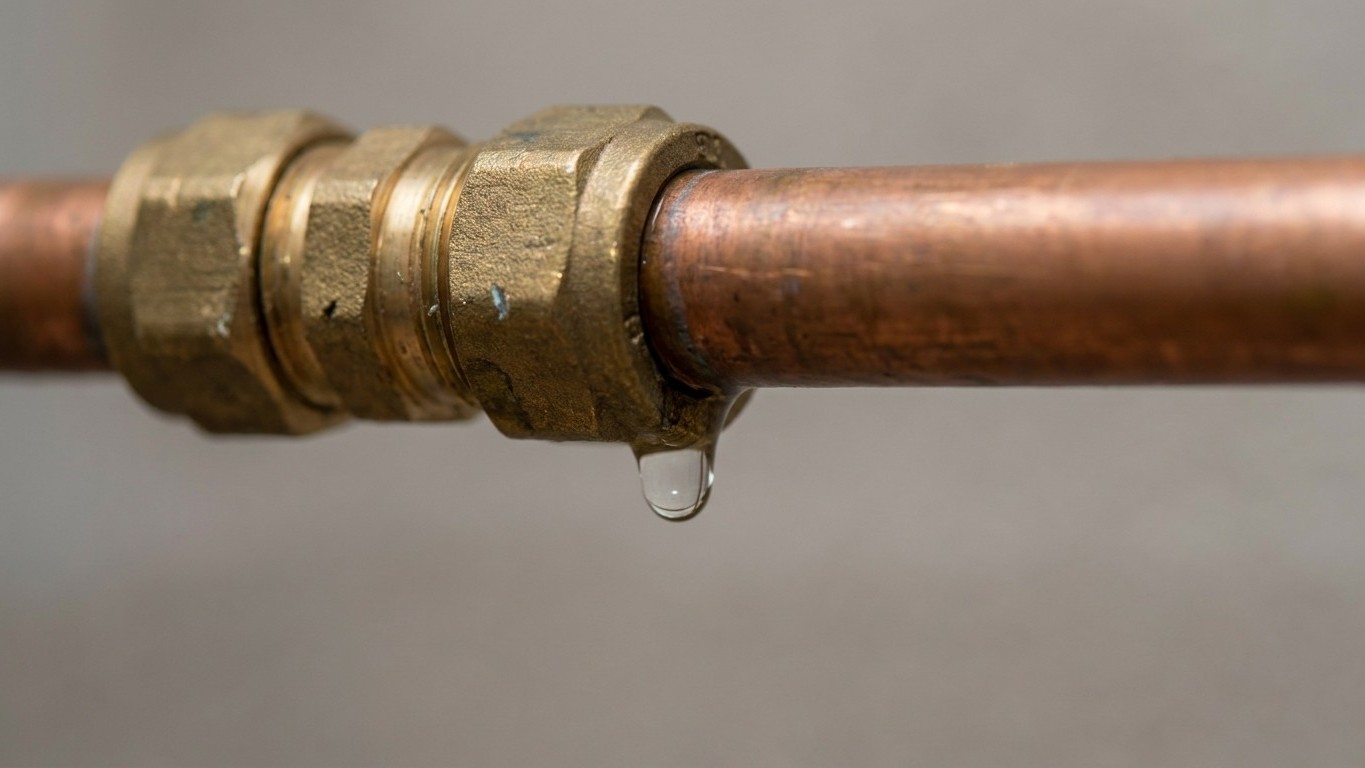
Why Tightening a Leaking Compression Fitting Makes It Worse

Stop Tightening That Leaking Pipe Fitting—You're Destroying the Only Part That Seals It

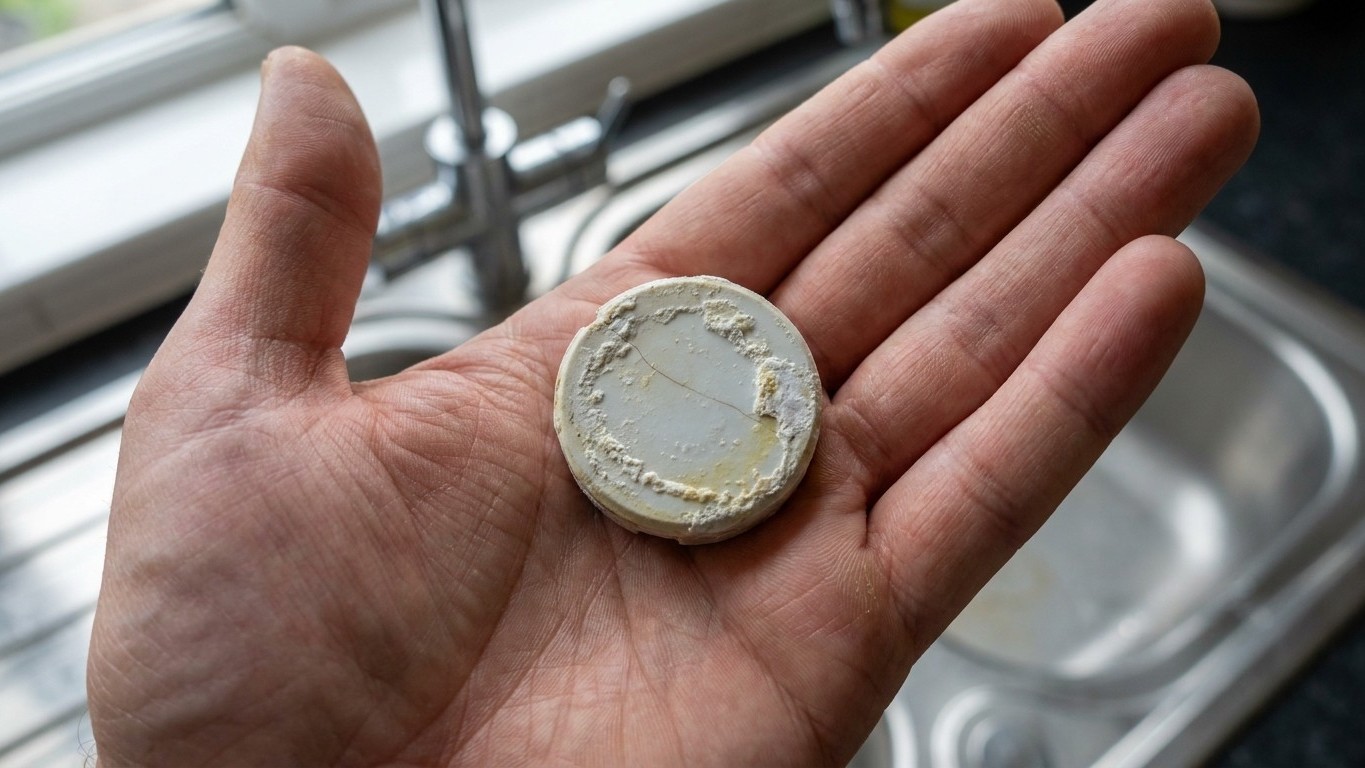
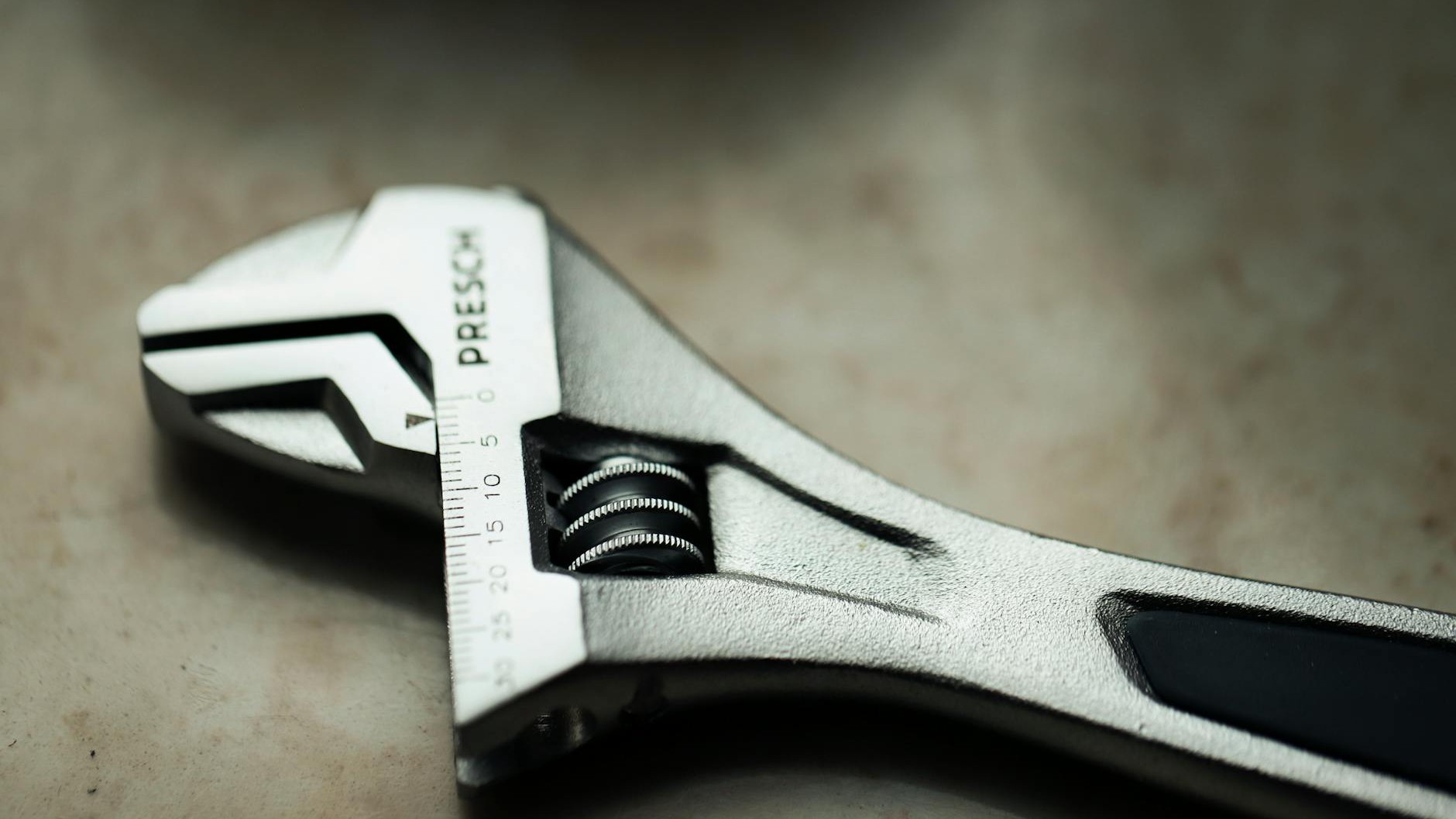
That dripping compression fitting isn’t calling for another turn of the spanner—it’s begging you to stop. Every twist of the nut is crushing the olive, the tiny brass ring that creates the watertight seal, pushing it closer to irreversible damage. Understanding why over-tightening destroys rather than repairs could save you from cutting out and replacing your entire fitting.

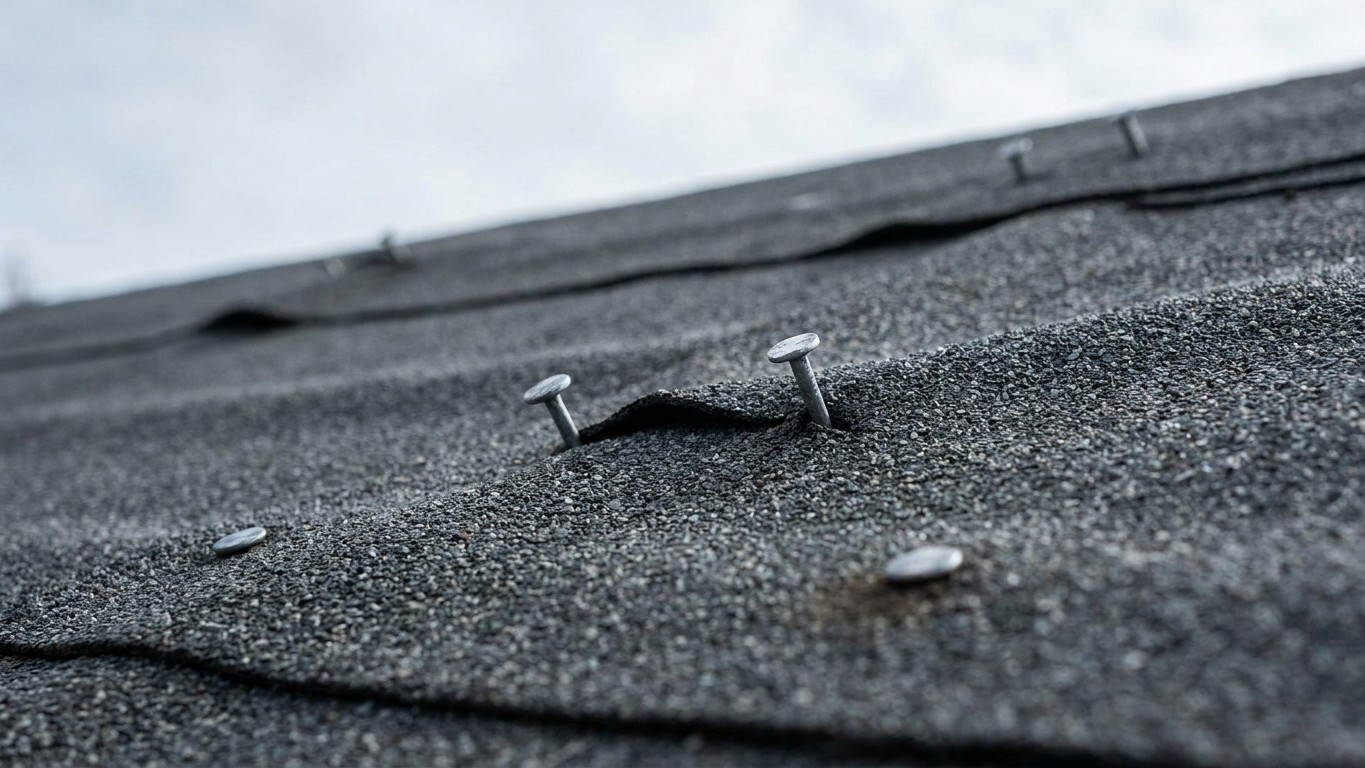
Why shed roof felt fails after hot summer weather

Why Your Shed Roof Fails by Autumn: The Physics Every Roofer Knows

A roofer’s insight into why shed felt installed on scorching summer days develops leaks by autumn reveals a simple but overlooked physics problem. When roofing felt expands in heat and contracts in cold, nails work loose and create gaps that funnel water straight through. Understanding this thermal cycling is the key to a roof that actually lasts.

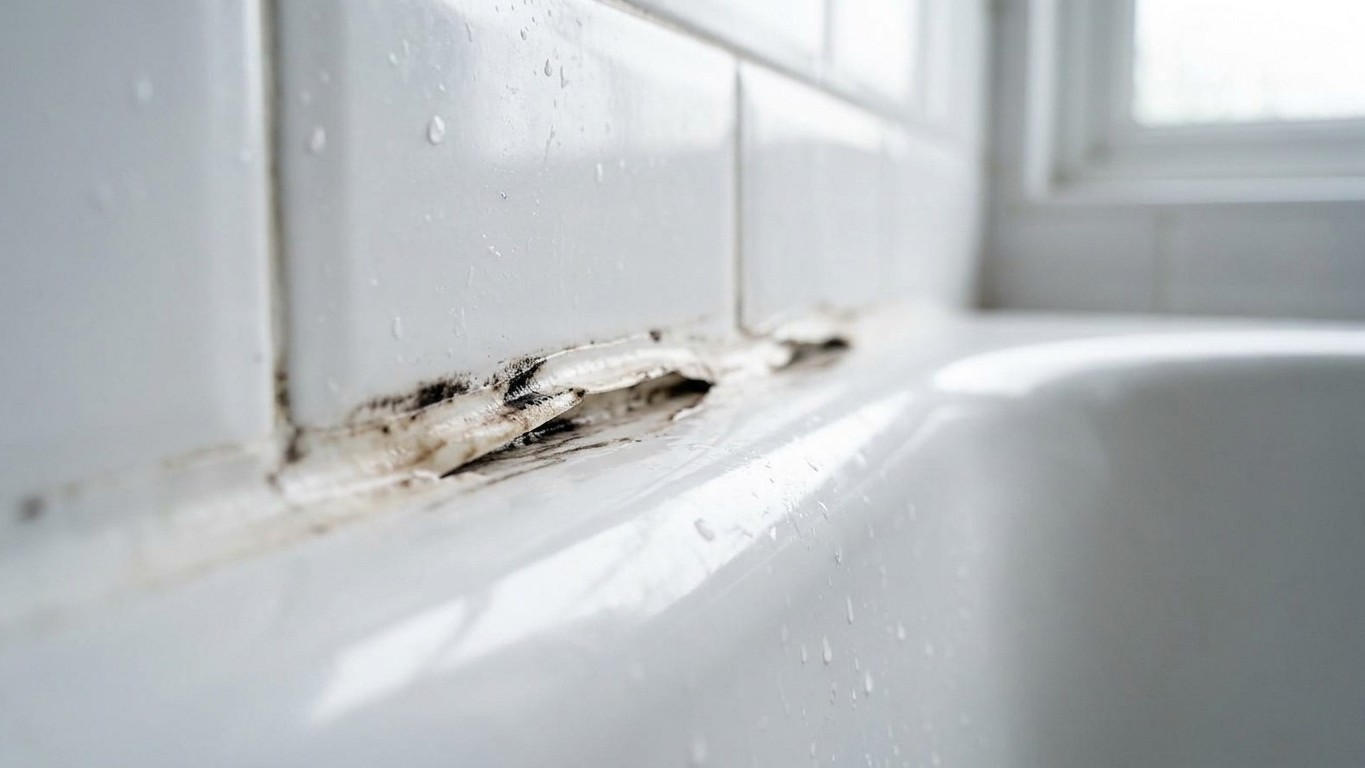
Why you should remove old silicone before resealing a bathroom

Never Seal Over Old Silicone: The Bathroom Mistake Tilers Fix Every Single Week

Professional tilers encounter the same bathroom blunder constantly: applying fresh silicone sealant directly over old, mouldy caulk. This common shortcut fails spectacularly because silicone simply doesn’t bond to itself, leading to peeling edges and trapped moisture within months. Discover why proper removal is the only solution that actually works.

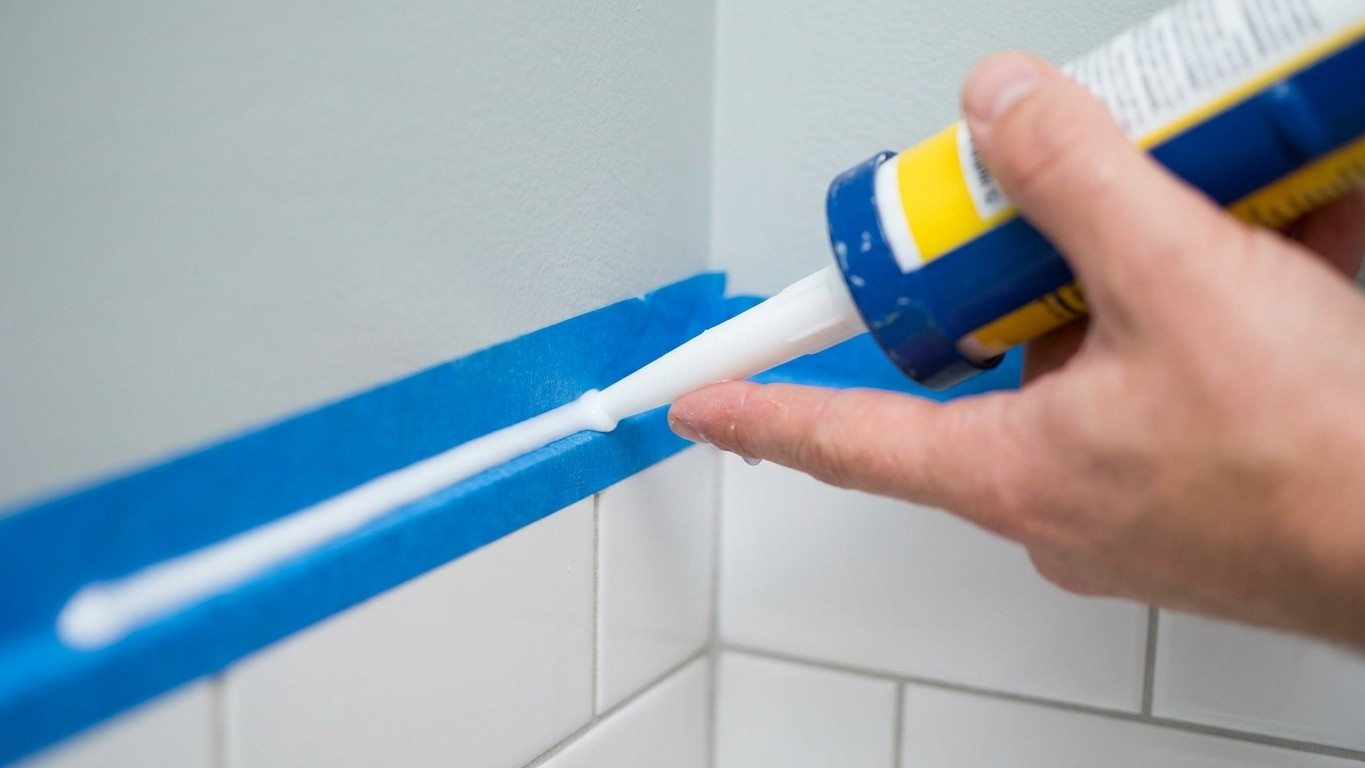
Why Bathroom Silicone Sealant Keeps Failing and How to Fix It

The Invisible Layer Destroying Your Bathroom Sealant—And How to Finally Fix It

You’ve scraped, cleaned, and reapplied sealant only to watch it fail again. A plumber’s casual observation revealed the real culprit: an invisible layer of primer residue, mineral deposits, and silicone oils that prevent proper adhesion. Proper surface preparation—not better products—is the key to a seal that lasts.