
Radiator Still Cold After Bleeding? 5 Causes and How to Check Each One
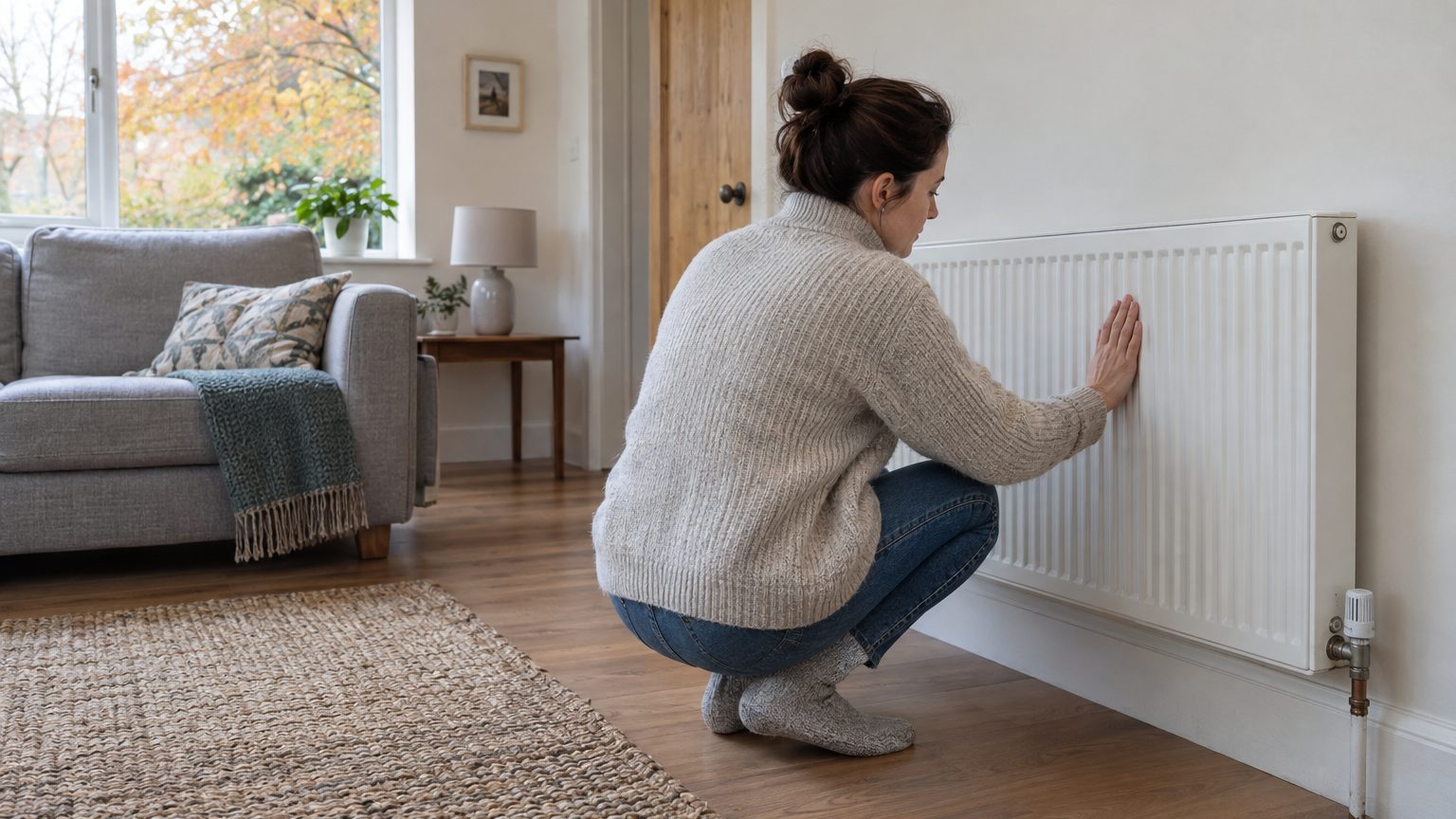
I bled the radiator twice and it still felt like a cold metal plank. Then I noticed something odd about where the chill sat.
I bled the radiator twice and it still felt like a cold metal plank. Then I noticed something odd about where the chill sat.
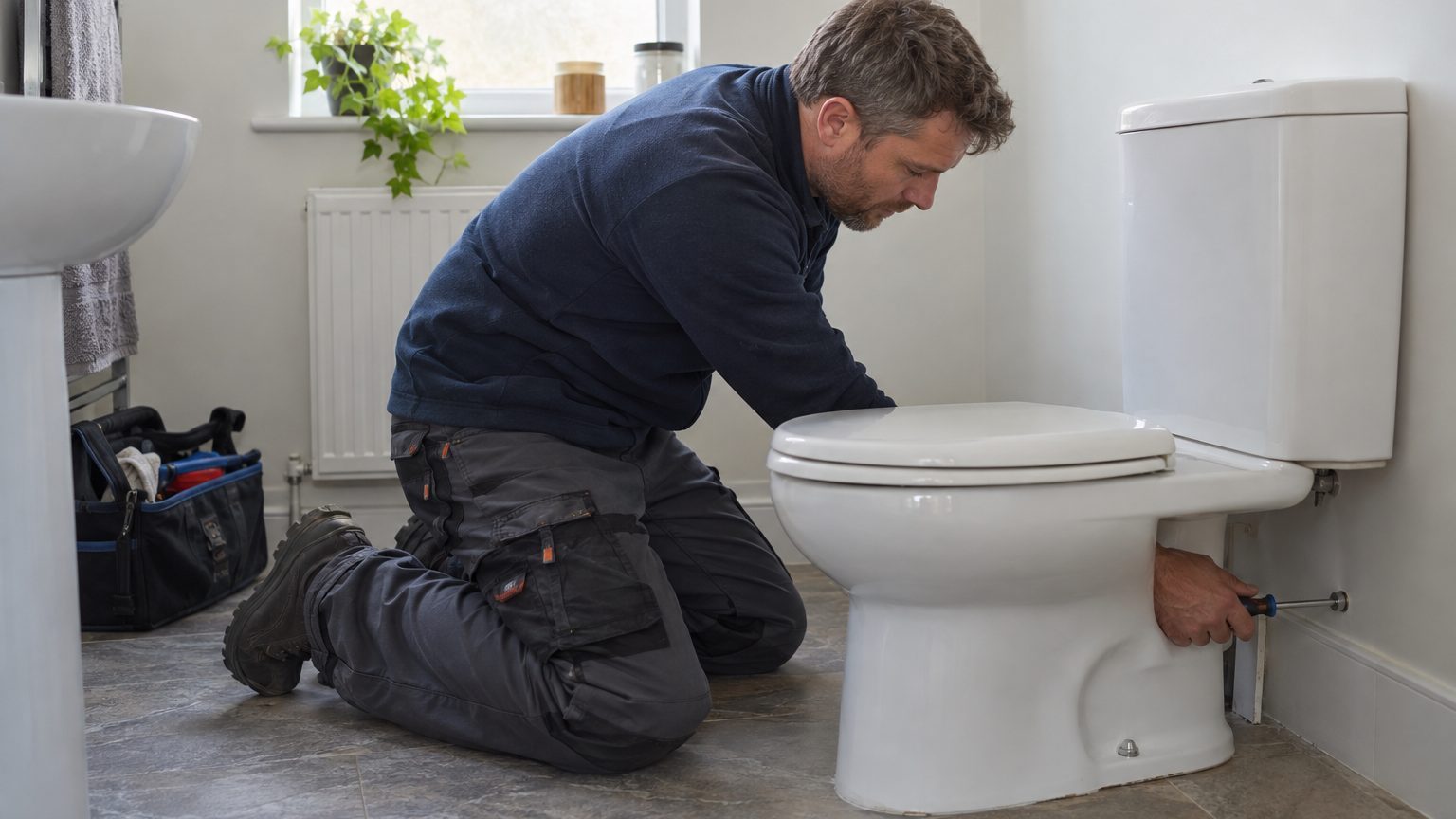
For months, every time I sat down, the seat slid sideways under me, and I kept telling myself I’d deal with it later. It turned out a ten-minute job was all it needed.
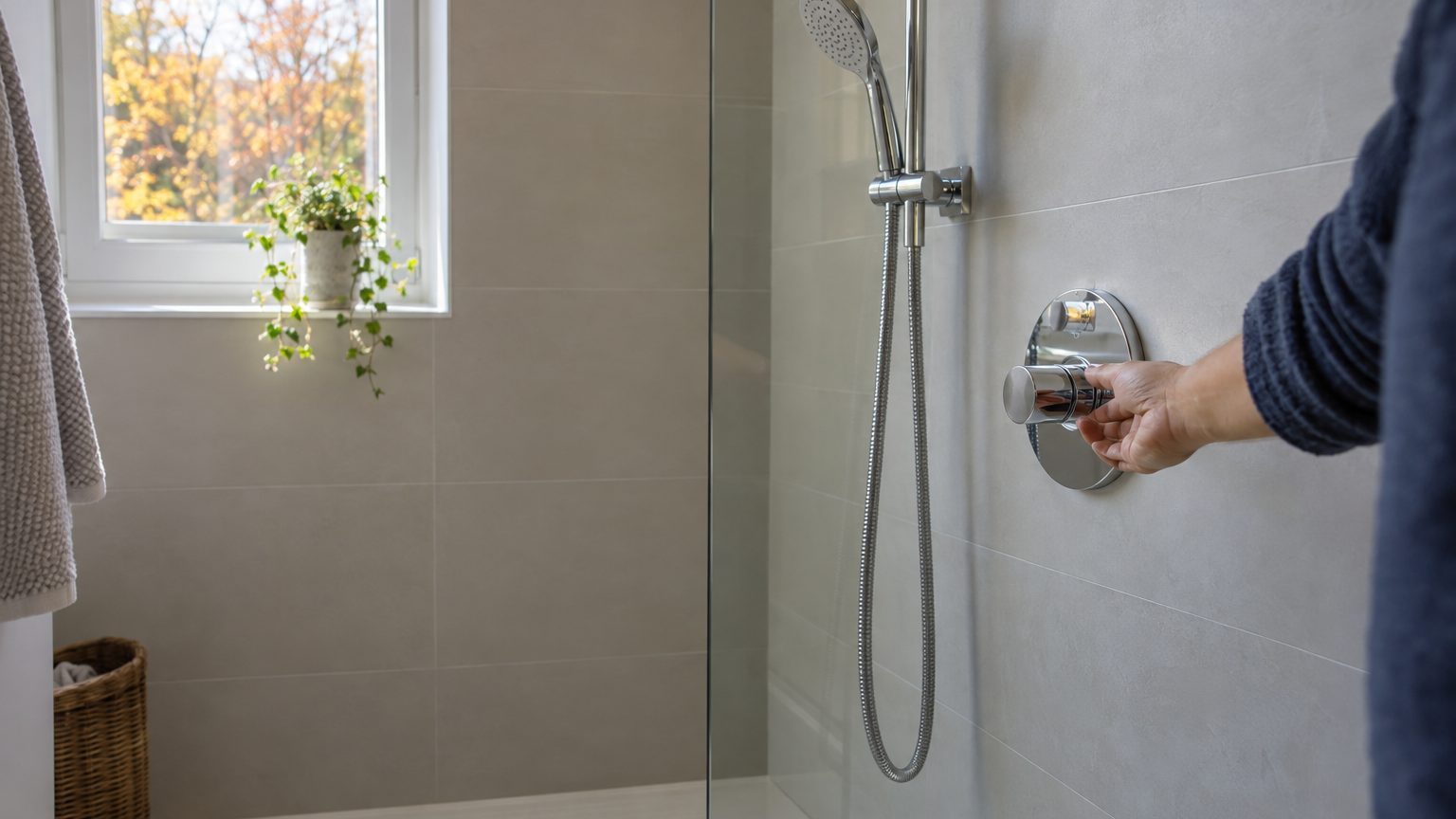
My shower lurched from scalding to freezing again this morning, just as I stepped under it. I was sure it was the boiler, until I noticed something I had missed.
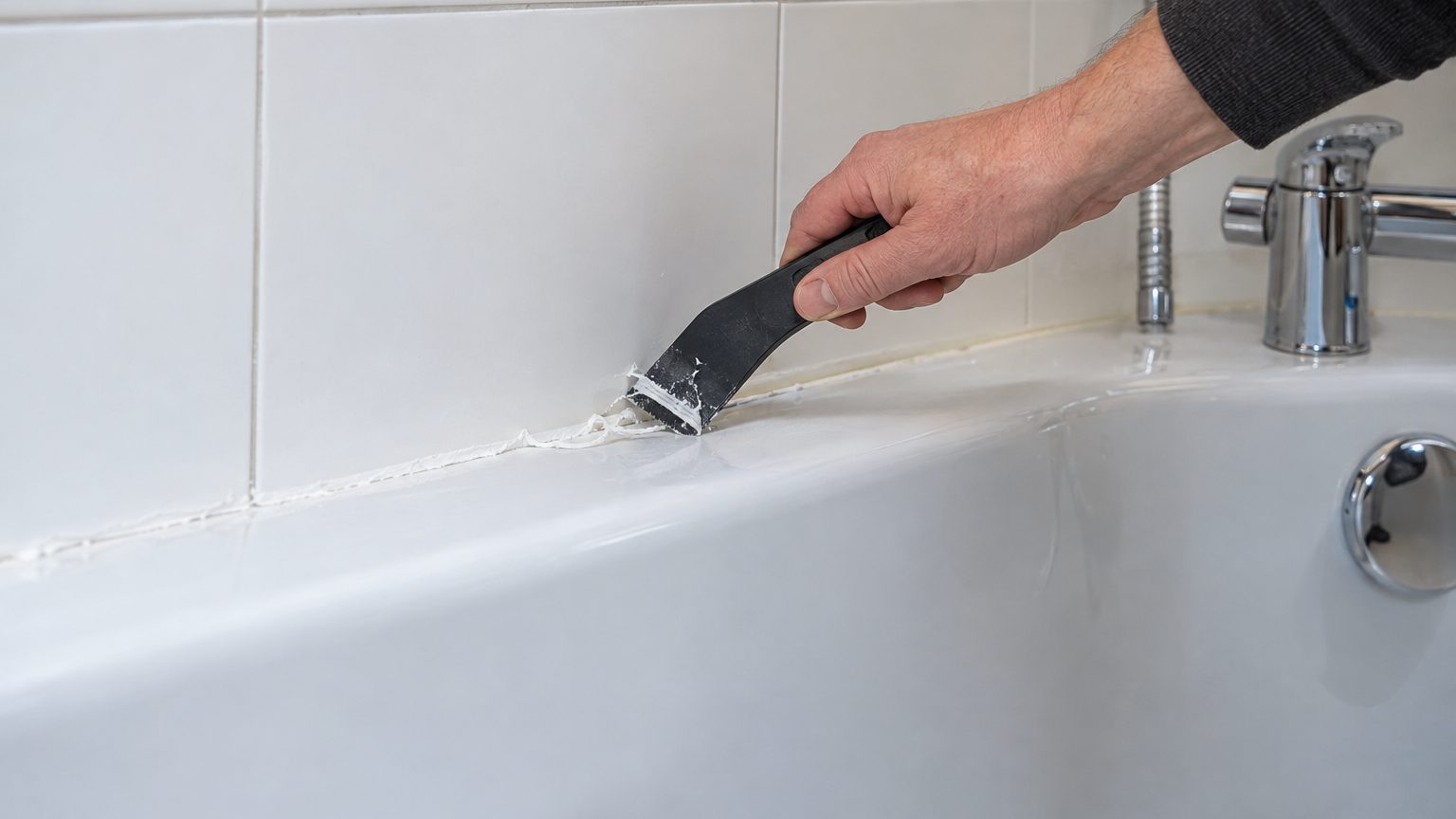
Old silicone fails because new sealant won’t bond to the greasy film left behind. Removing sealant properly takes two stages: cutting the bulk away, then dissolving the invisible residue. Do it right and your new seal lasts years.
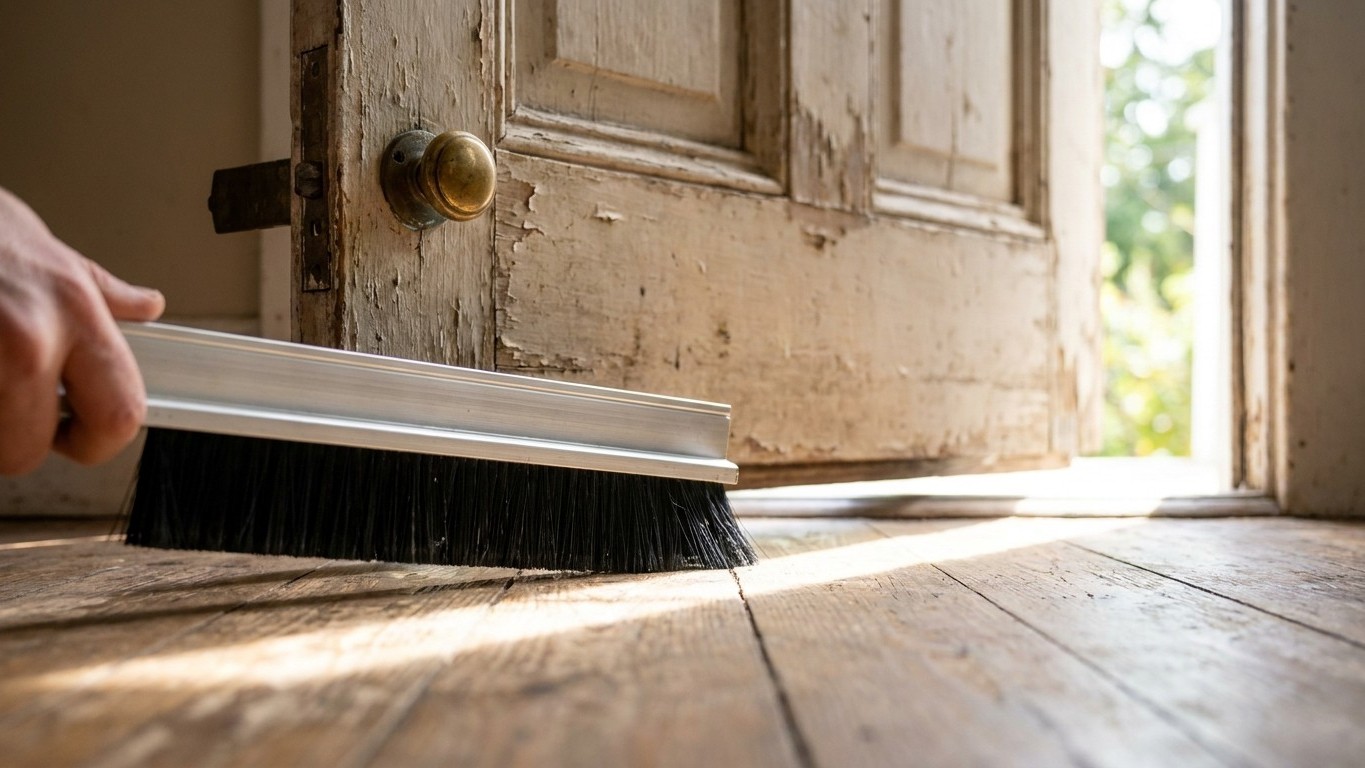
Installing a basic brush strip to block drafts uncovered a surprising truth: my home had been hosting an endless parade of spiders, insects, and debris. This five-minute fix does double duty, sealing out cold air while dramatically reducing unwanted visitors—and the results were visible within two weeks.
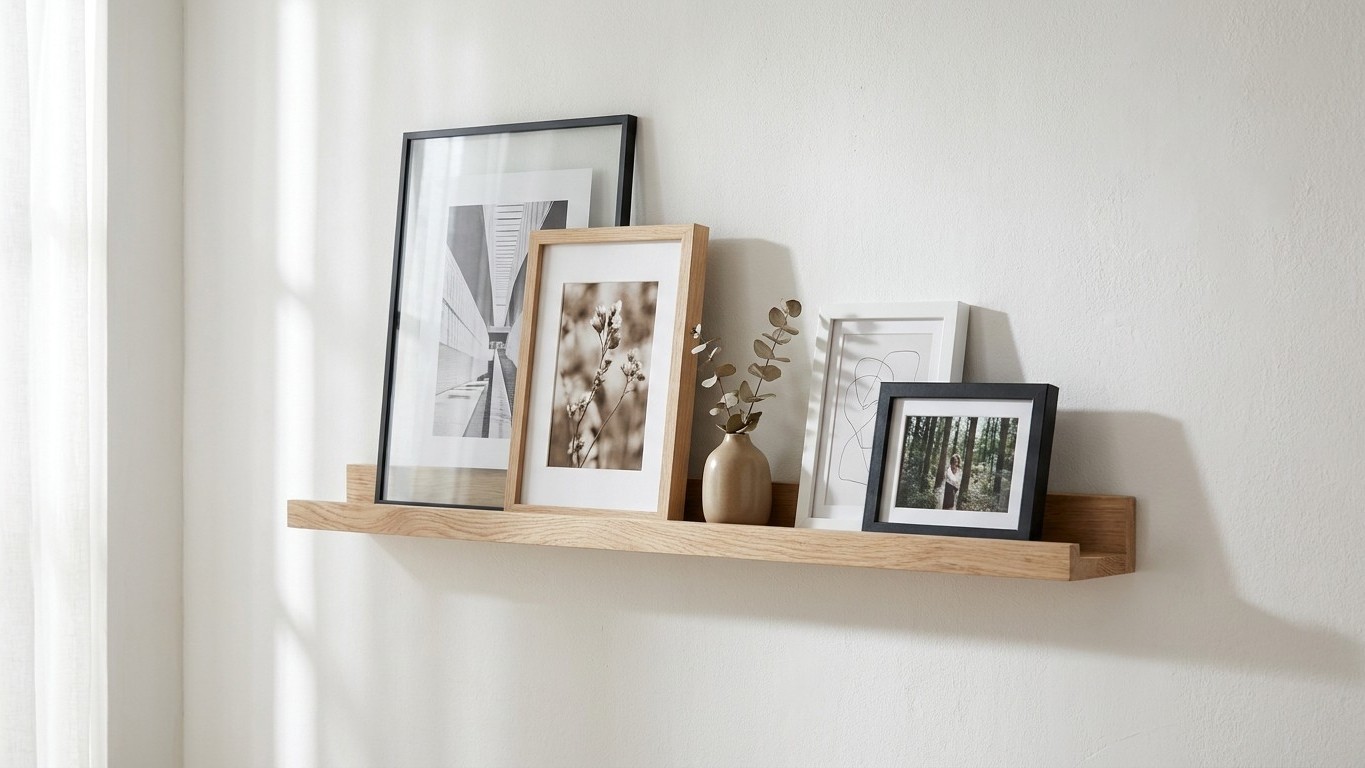
Forget the thirty holes, the filler, and the vanishing spirit level. A single picture ledge mounted in an afternoon eliminates the permanent commitment of a traditional gallery wall while making your entire room feel more intentional and curated. Discover how to layer, overlap, and endlessly rearrange framed art with zero additional wall damage.
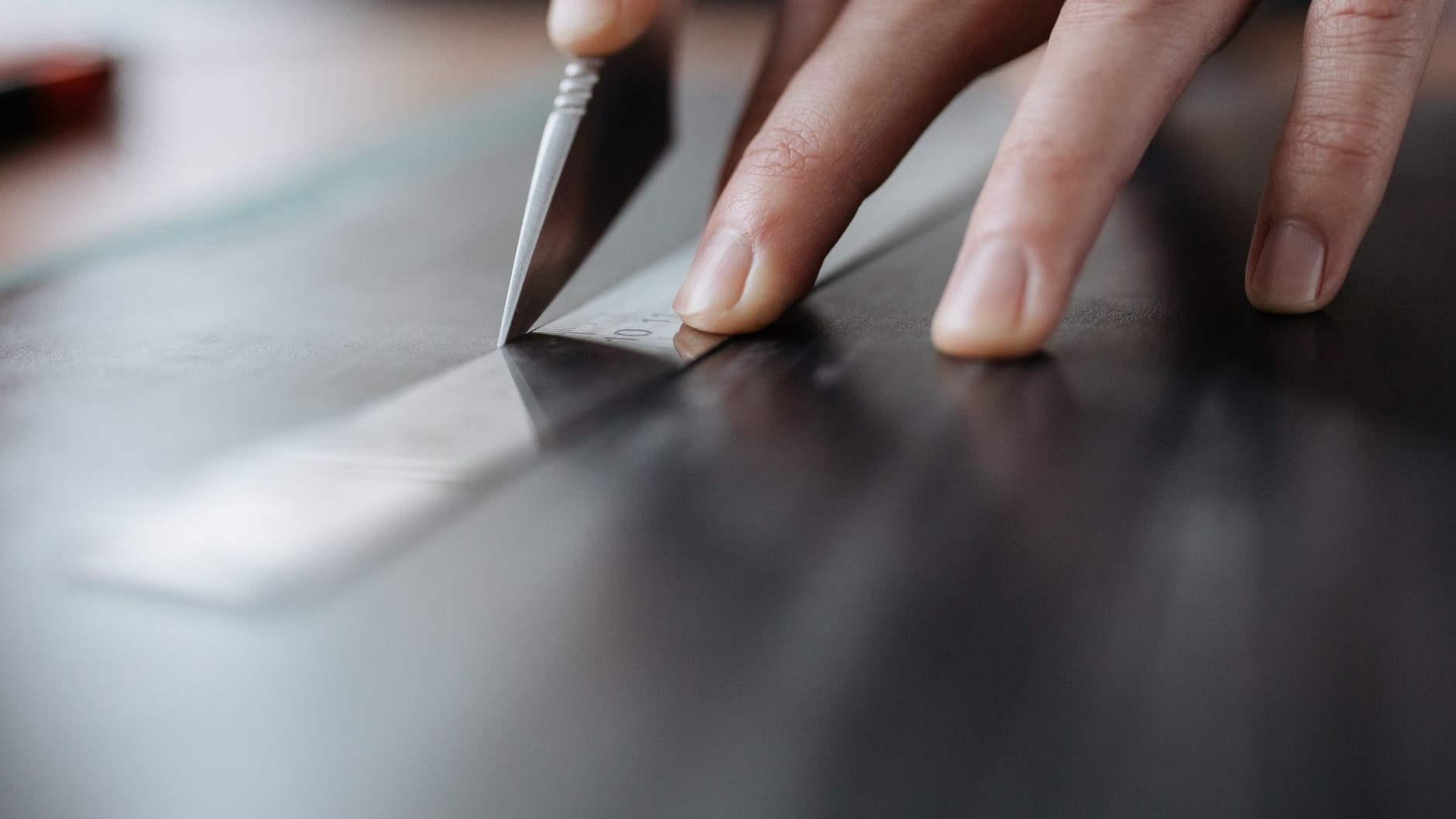
A humble £3 Stanley knife blade separates successful skirting board removal from walls that look chewed and damaged. The trick is deceptively simple: score the paint and caulk seal before levering begins, and the plaster stays put. Master decorators reveal exactly how this one step changes everything.
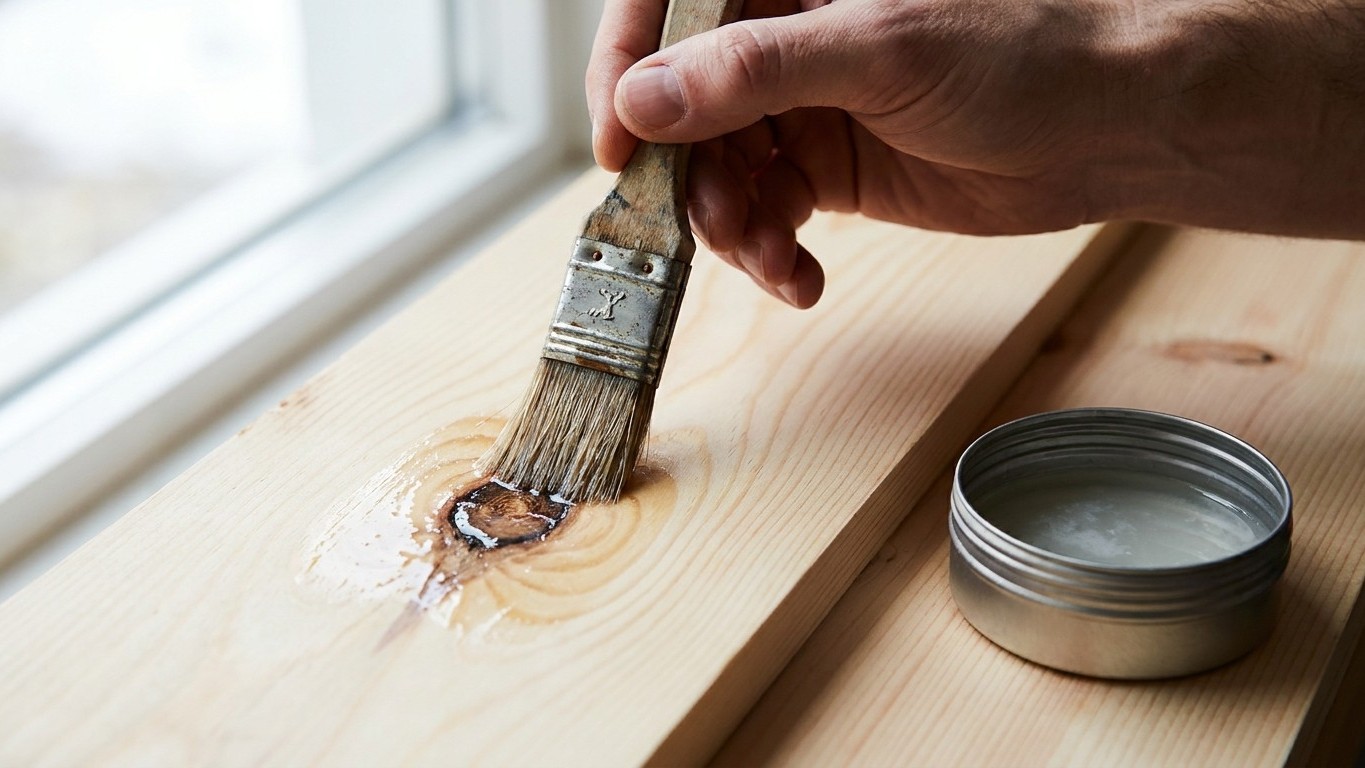
Those mysterious ginger-brown rings appearing through your fresh white paint weeks after decorating aren’t a painting failure—they’re pine knots bleeding resin. Professional decorators have used one cheap, simple solution for generations: shellac knotting solution. Here’s exactly how to use it.
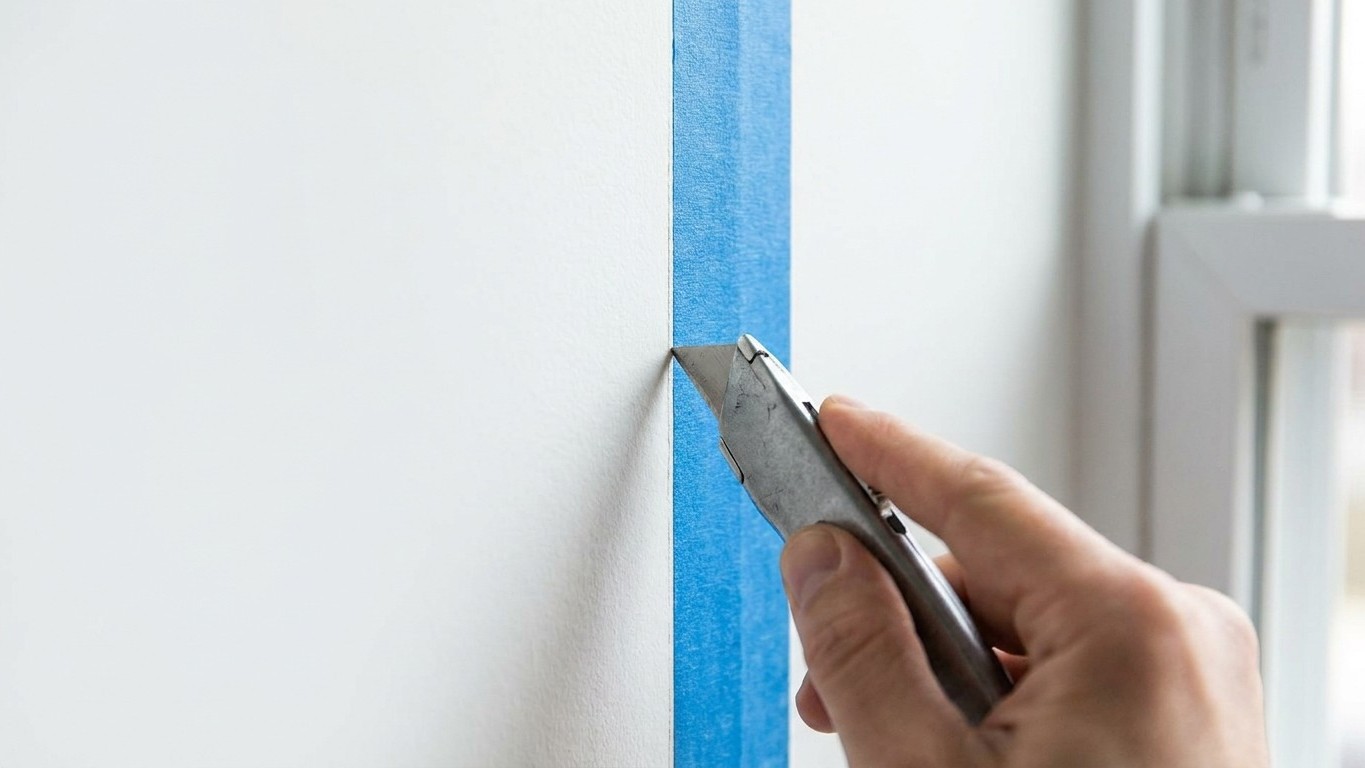
Your neighbor isn’t being obsessive—he’s preventing a common DIY disaster. Running a blade along painter’s tape before removal, called scoring, breaks the bond between dried paint and tape so your fresh paintwork stays intact. It’s a 30-second trick that saves hours of touch-up work.
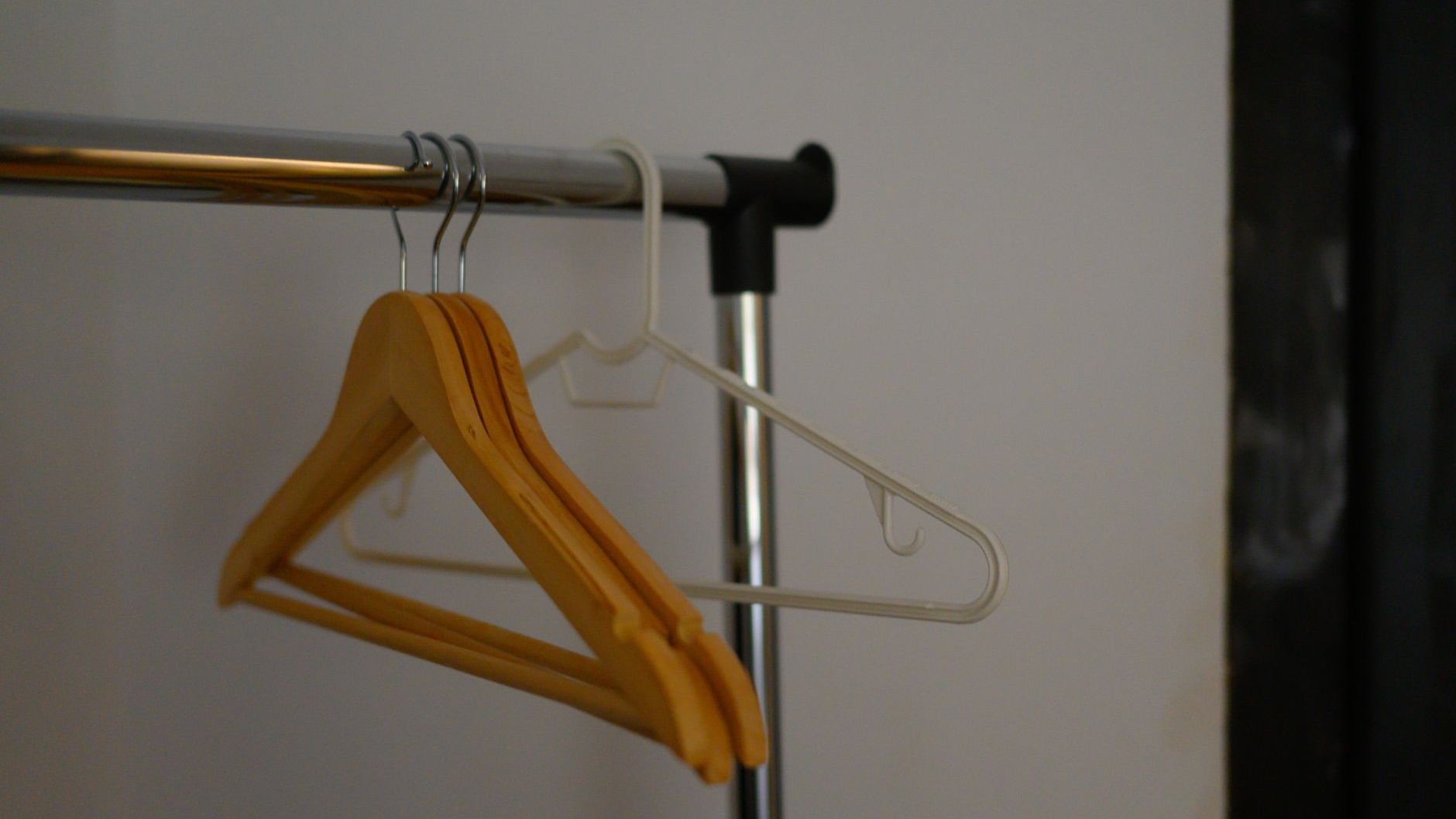
A cheap IKEA coat rail seemed like the perfect solution until it crashed to the floor one Tuesday morning, revealing a hard lesson about hollow walls. Only one of four screws had actually been holding it all along. What that screw taught me changed how I think about every picture frame and shelf in my home.
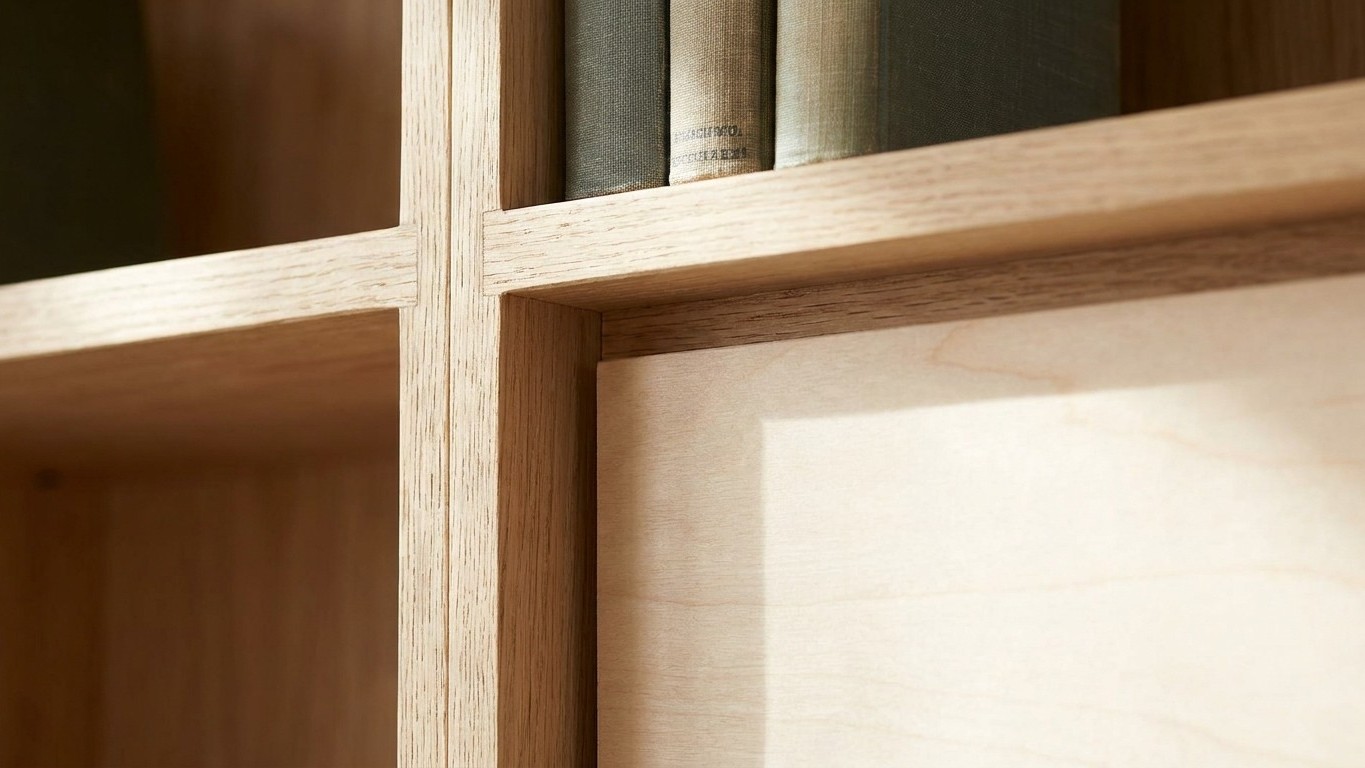
That thin hardboard stapled to the back of your bookcase isn’t stopping it from wobbling—it’s just along for the ride. The real solution isn’t more staples or thicker board; it’s swapping that surface-pinned panel for one set into a rebate and screwed firmly in place, transforming a decorative afterthought into a structural brace.
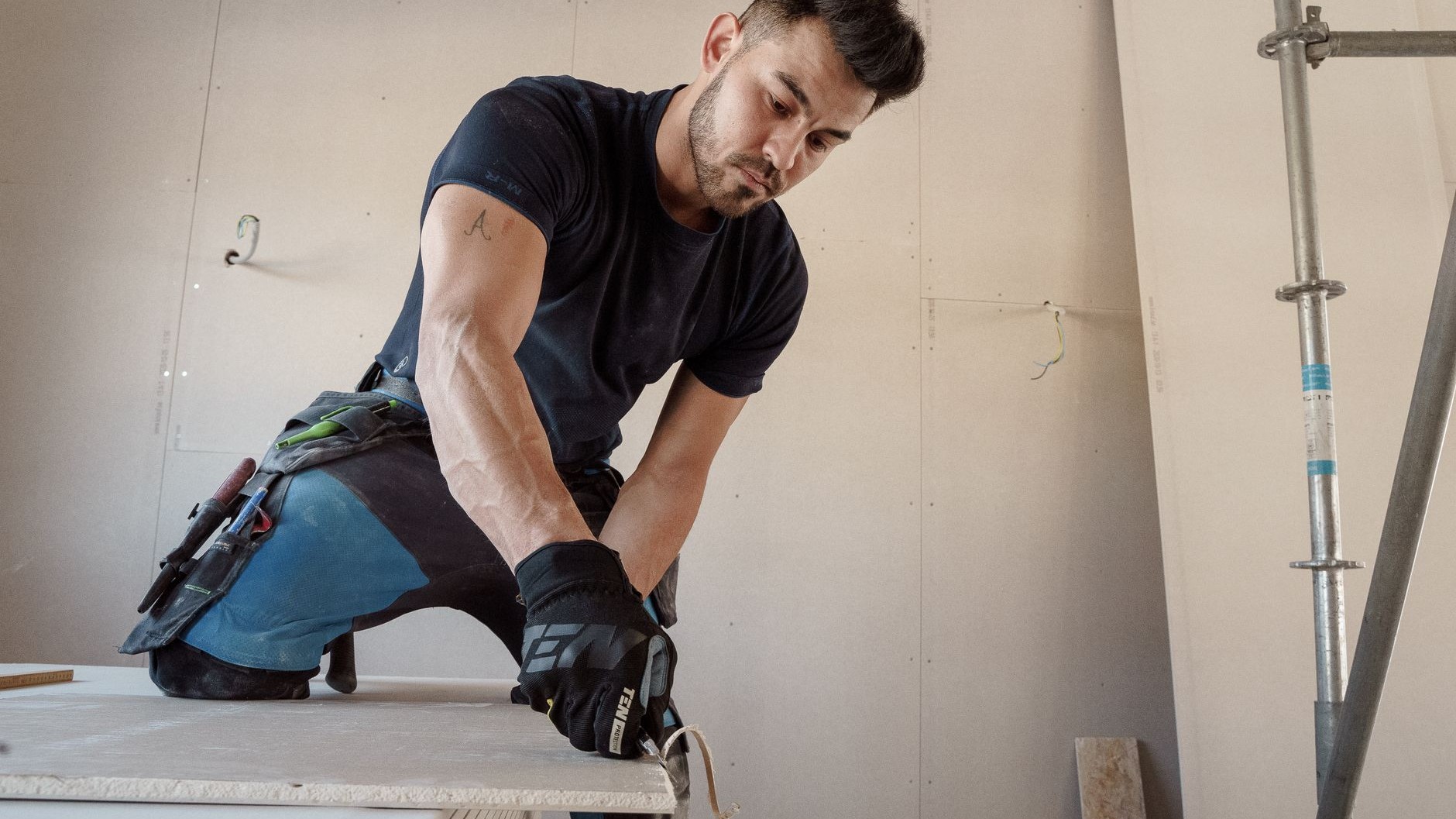
Standard nylon plugs are designed for solid masonry, not hollow plasterboard walls. Swap them for hollow wall anchors—also called molly bolts—and the same hole suddenly holds 30kg without wobbling. Learn which fixing matches your load.