Why the wrong grab adhesive clouds a glass shower door

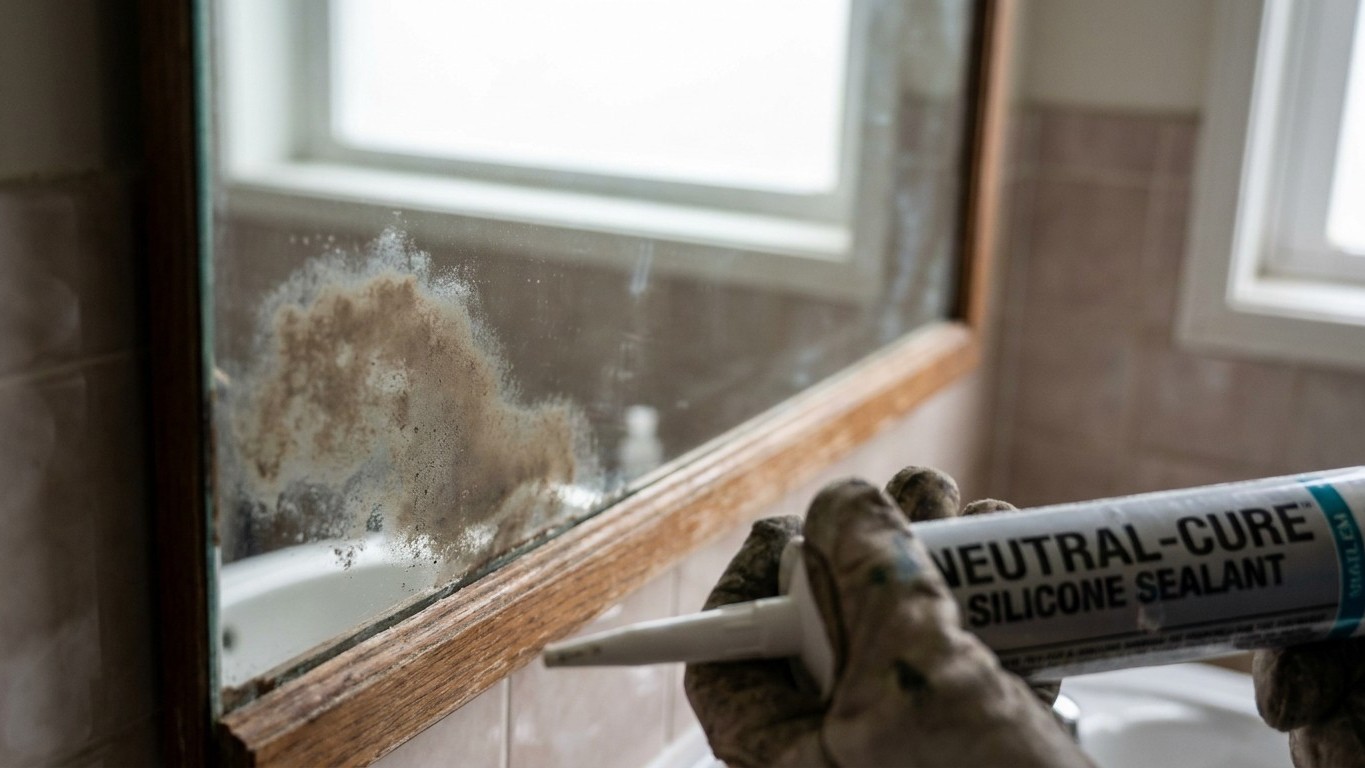
'I thought any grab adhesive would hold': why the tube you pick decides whether your glass door stays clear or fogs for good

That mysterious cloudiness creeping across your bathroom mirror isn’t dirt—it’s chemical damage from the wrong adhesive. Certain tubes release acid that silently corrodes the delicate silver backing, while grab adhesives contain solvents that can attack glass in hours. Discover exactly which products keep your glass clear for decades.

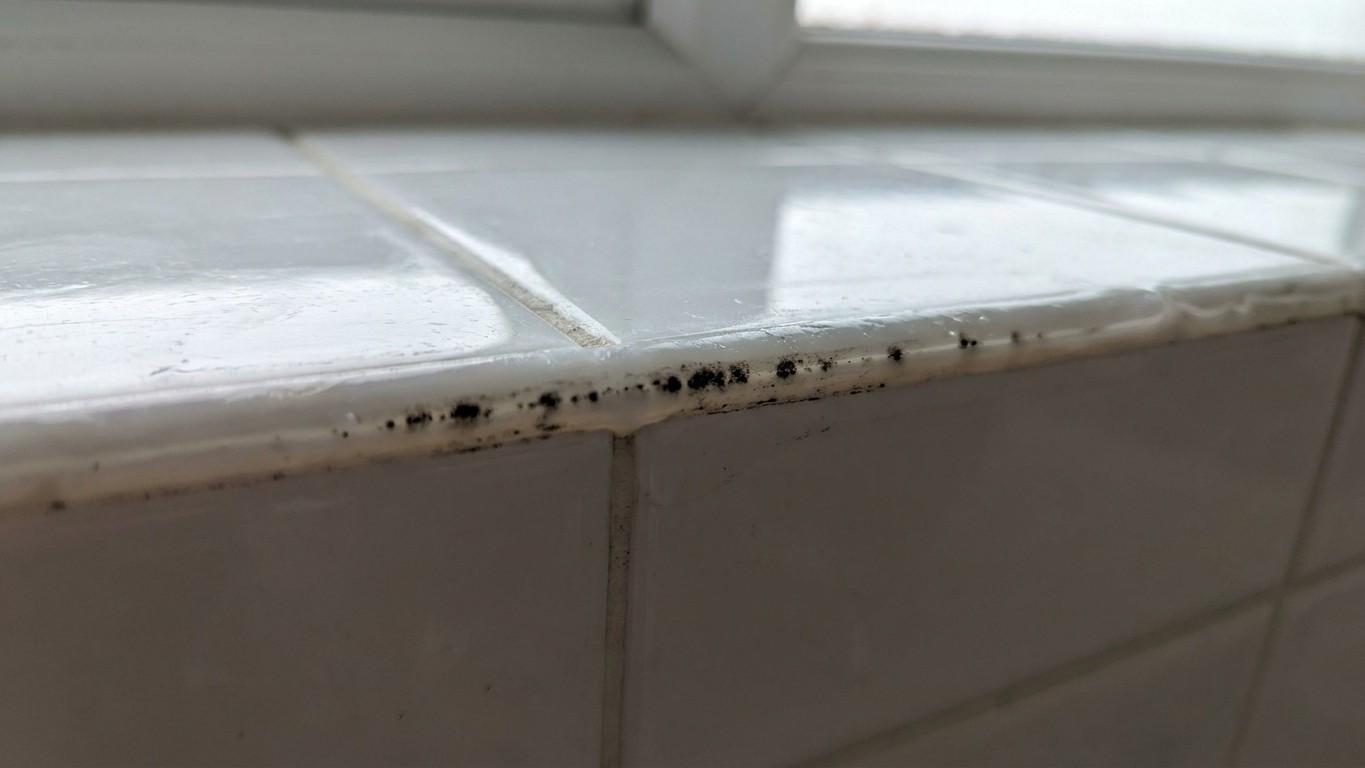
Why silicone put over old mouldy sealant lets black mould return

I ran a fresh bead of silicone straight over the old mouldy sealant to save time: when the black spots came back through i...

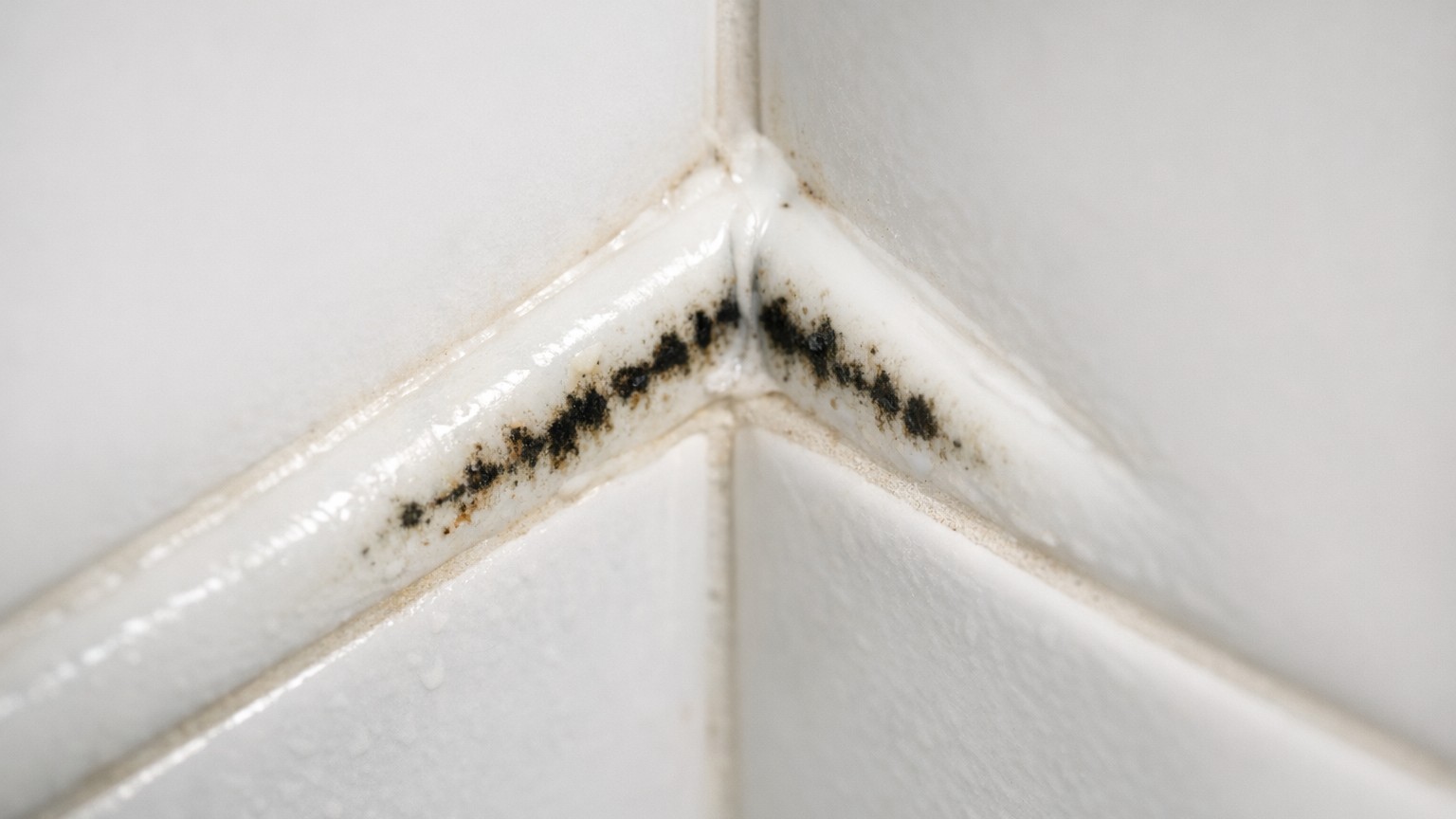
Applying fresh silicone sealant over existing mould might seem like a time-saving hack, but it’s actually sealing the problem inside rather than solving it. The mould isn’t living on the sealant surface—it’s thriving behind it, and a new layer just gives it more time to work back through. Here’s the proper way to fix it permanently.

Why your bathtub silicone keeps splitting and how to fix it

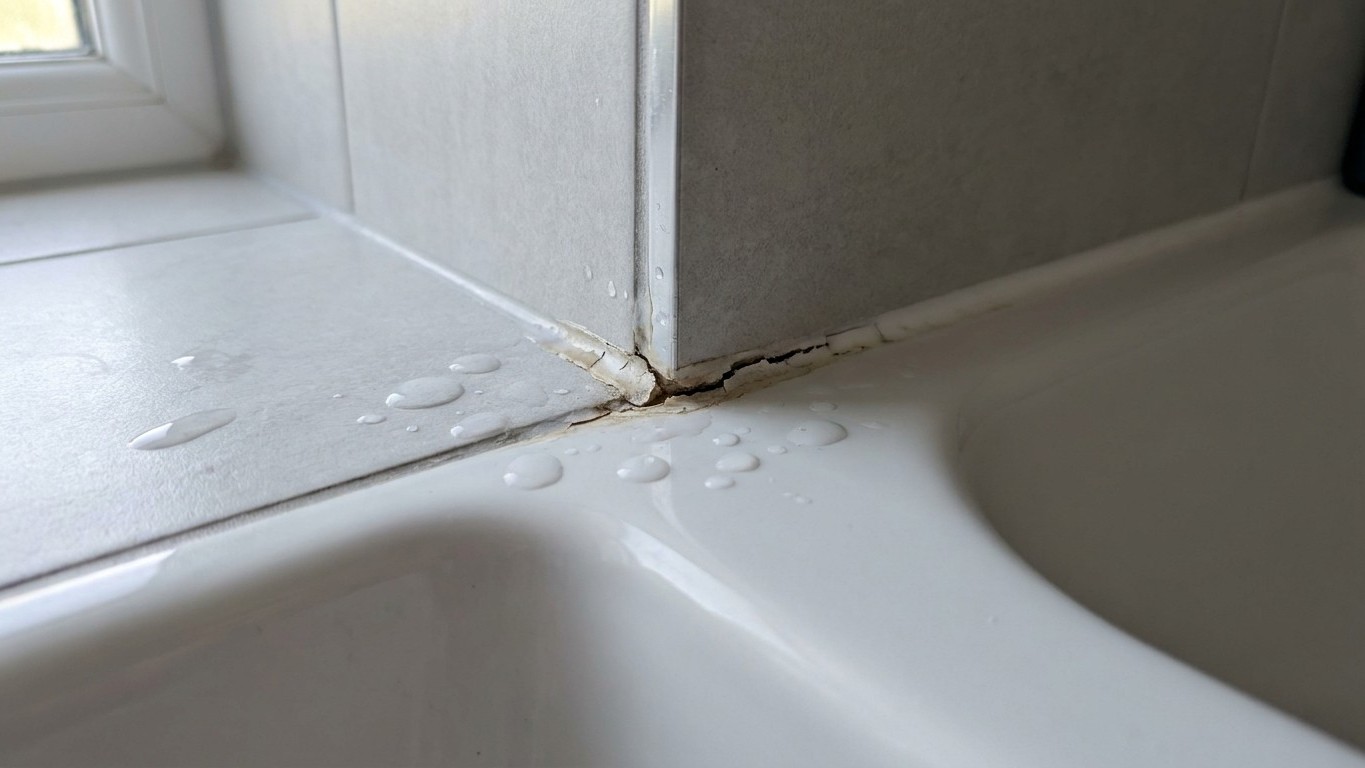
Why Your Bathtub Silicone Keeps Splitting—And the One Simple Fix That Works

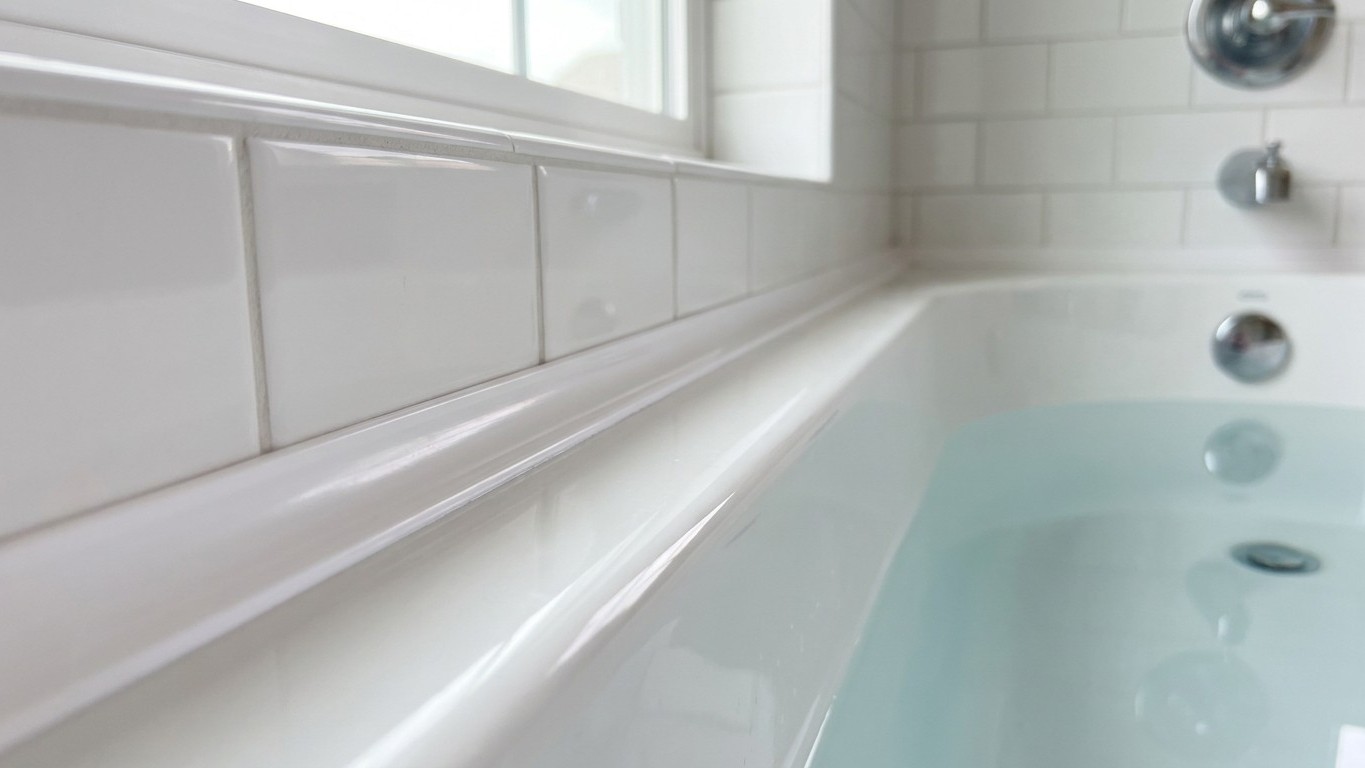
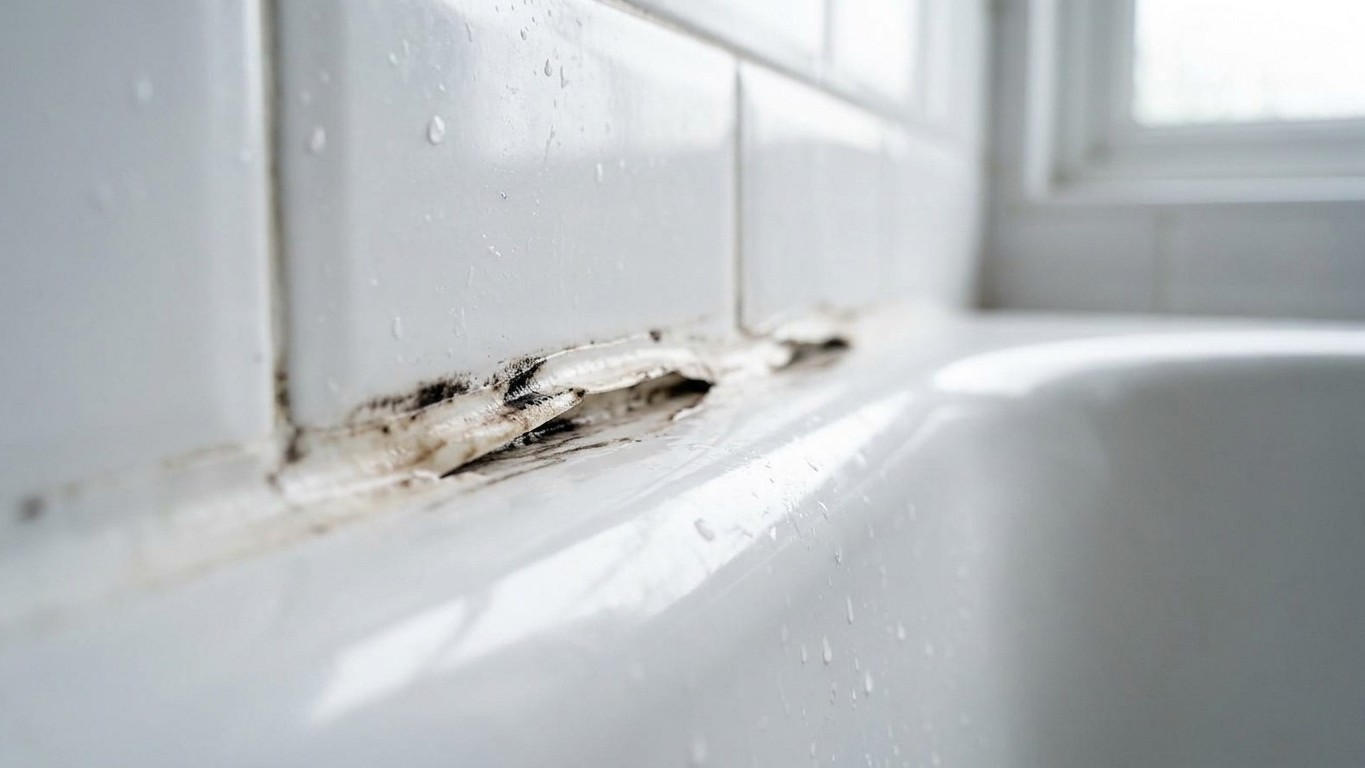
Your bathtub silicone keeps failing because you sealed it while the tub was empty. When filled with water, the bath flexes downward, stretching the cured sealant beyond its limits. The solution is surprisingly simple: fill the tub before applying silicone, and you’ll have a seal that actually works.

Why cut a silicone nozzle at 45 degrees for neat seals

Why Professional Tilers Cut Silicone Nozzles at 45°: The Game-Changing Technique That Transforms Your Sealant Joints

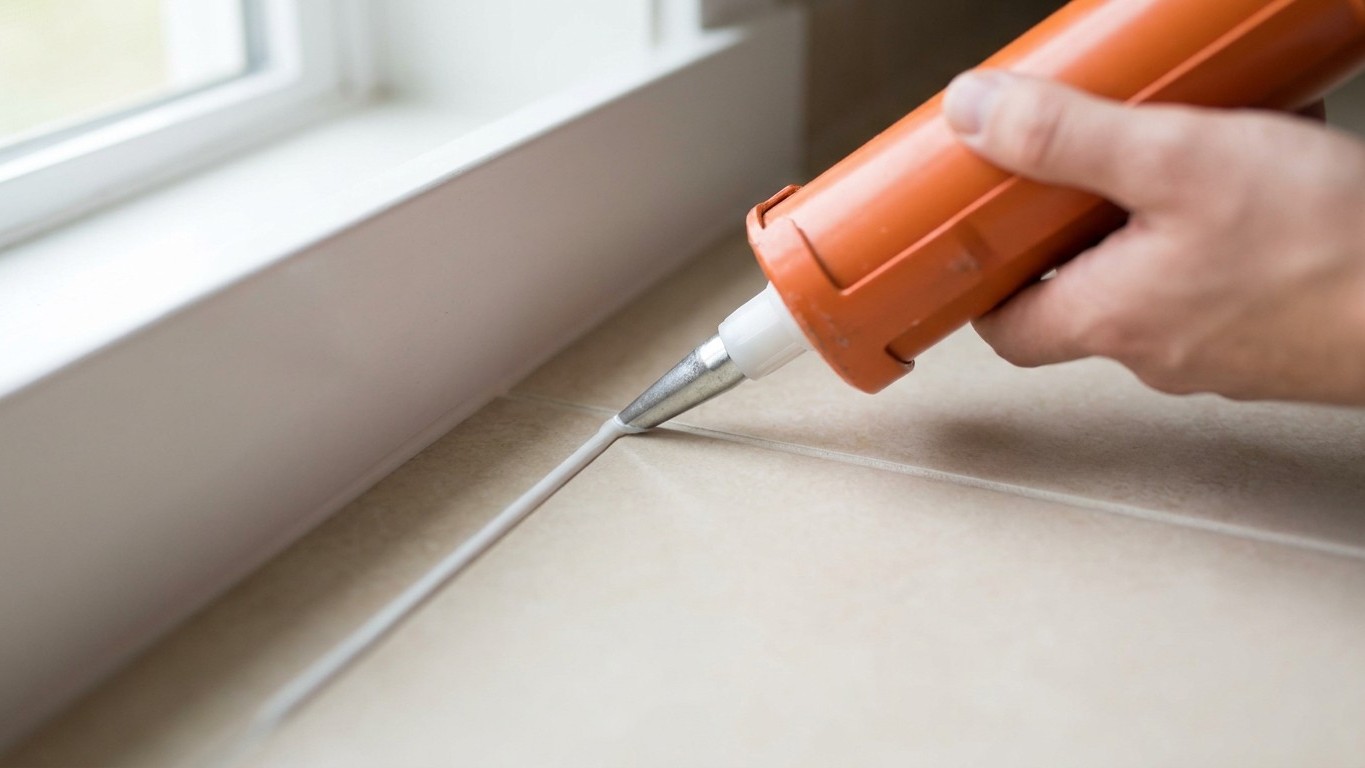
A tiler’s simple observation revealed what years of straight-across cuts couldn’t: the 45° angle on a silicone nozzle is the difference between amateur and professional results. This small geometric shift redirects the sealant into the joint rather than pooling on top, giving you control you didn’t know was missing.

Why Your New Shower Silicone Failed in Three Weeks (And How to Fix It Permanently)

Why Your New Shower Silicone Failed in Three Weeks (And How to Fix It Permanently)

That fresh silicone bead looked perfect on day one, but black mould is already bleeding through three weeks later. The culprit isn’t what you think. Learn why silicone won’t bond to silicone, the proper removal technique professionals use, and the ventilation secret that extends sealant life by months.

Why you should remove old silicone before resealing a bathroom

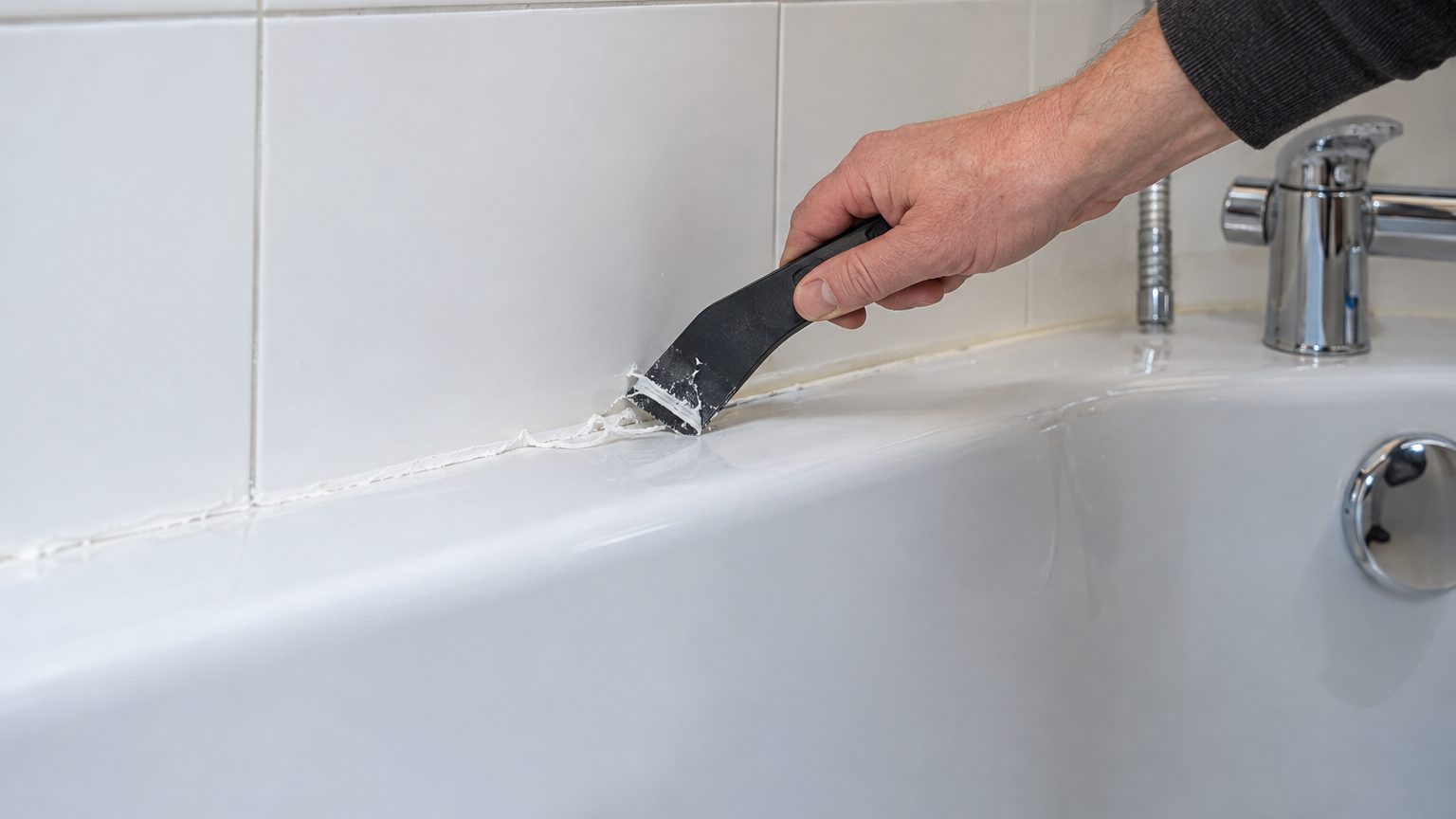
Never Seal Over Old Silicone: The Bathroom Mistake Tilers Fix Every Single Week

Professional tilers encounter the same bathroom blunder constantly: applying fresh silicone sealant directly over old, mouldy caulk. This common shortcut fails spectacularly because silicone simply doesn’t bond to itself, leading to peeling edges and trapped moisture within months. Discover why proper removal is the only solution that actually works.

Why Bathroom Silicone Sealant Keeps Failing and How to Fix It

The Invisible Layer Destroying Your Bathroom Sealant—And How to Finally Fix It

You’ve scraped, cleaned, and reapplied sealant only to watch it fail again. A plumber’s casual observation revealed the real culprit: an invisible layer of primer residue, mineral deposits, and silicone oils that prevent proper adhesion. Proper surface preparation—not better products—is the key to a seal that lasts.

Why April is a bad month to apply silicone sealant

Plumbers Warn: One April Mistake With Silicone Ruins Your Bathroom Seal Forever

April is prime time for bathroom renovations, but plumbers across the country are warning about a single mistake that causes silicone sealant to fail within weeks. The culprit? Hidden moisture lurking beneath surfaces that feel perfectly dry. This invisible problem leads to costly water damage that only reveals itself months later.