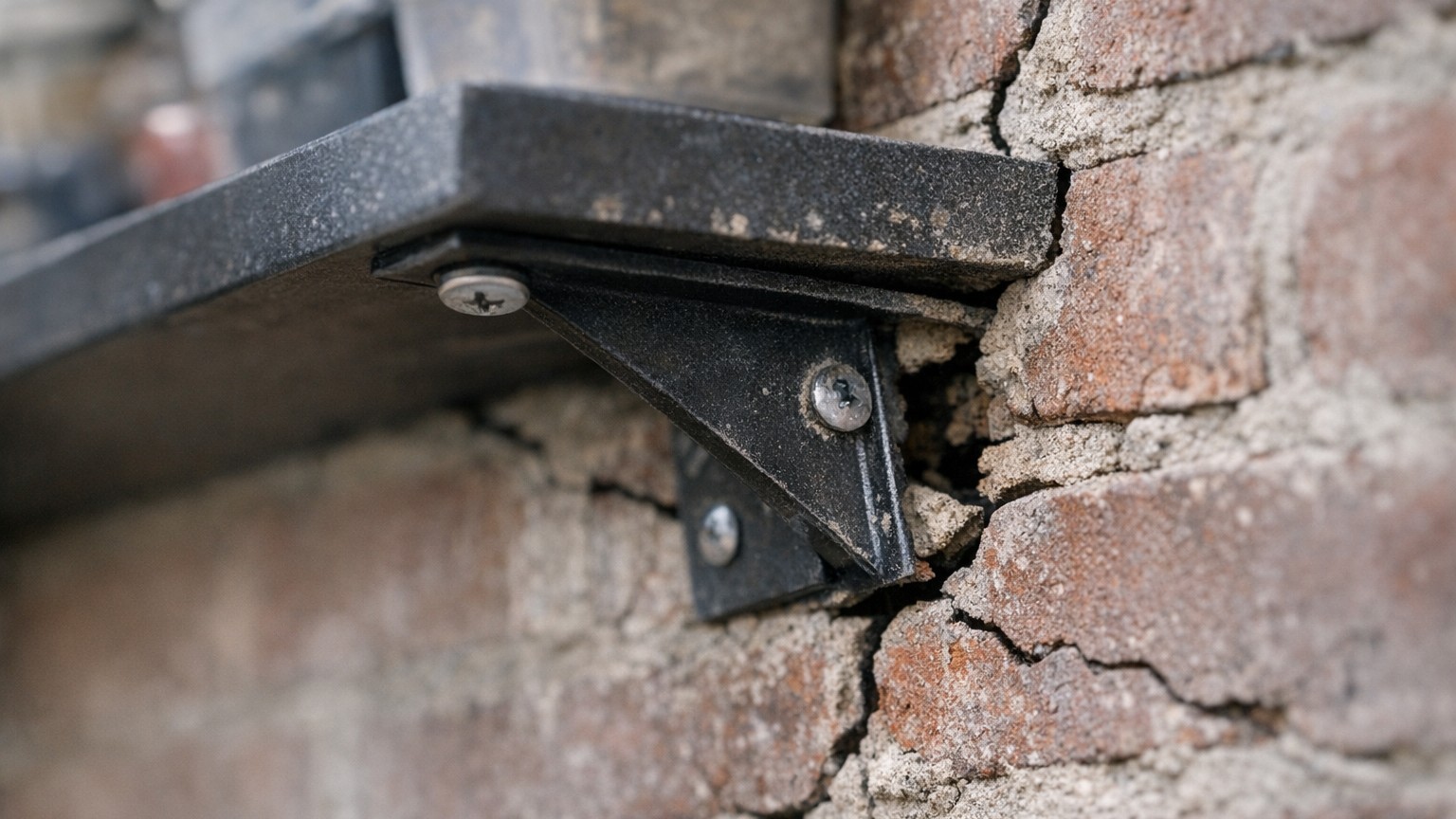
I screwed my Pax rail straight into the plasterboard just to save an afternoon: the morning the whole rail came down, I saw what the anchors had actually been gripping
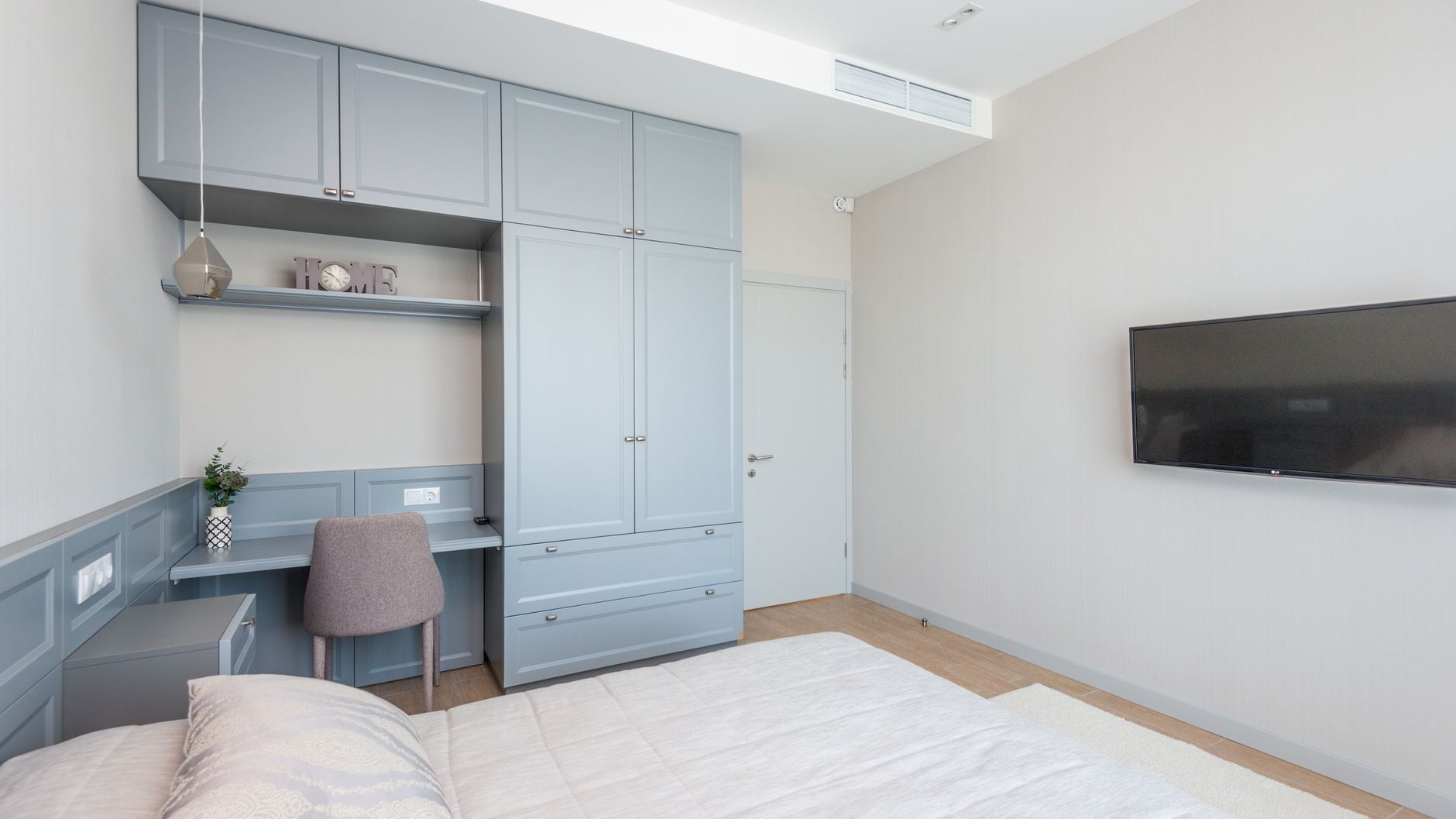
I screwed my Pax rail straight into the plasterboard just to save an afternoon: the morning the whole rail came down, I sa...

A Sunday afternoon shortcut turned into a costly lesson when an improperly anchored wardrobe rail came crashing down at dawn. What looked like secure fastening was actually just screws sitting in crumbled plaster, and the physics behind the failure reveal exactly why proper wall anchors aren’t optional—they’re essential.
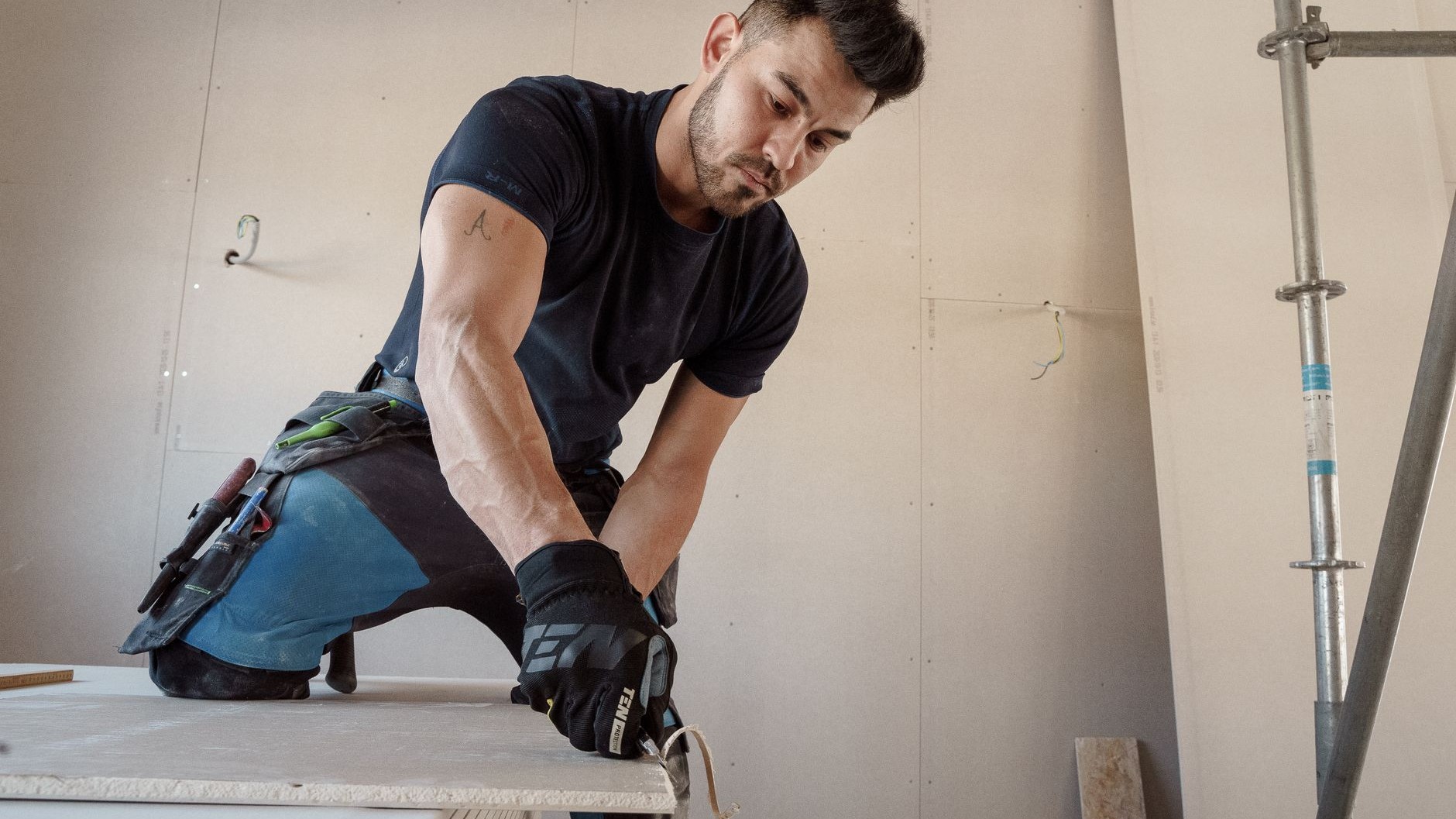
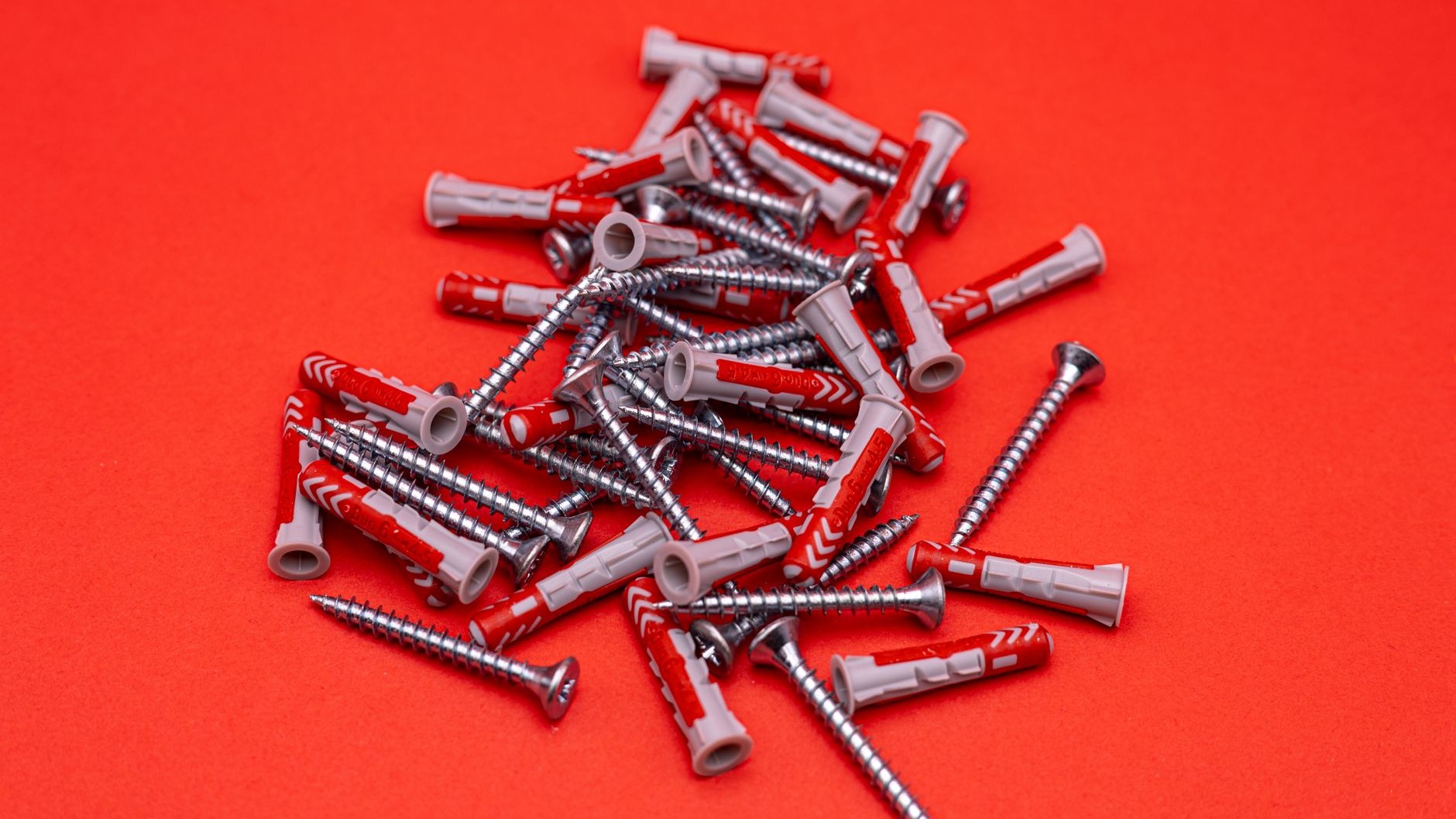
We all keep screwing nylon plugs into our hollow walls, while this anchor holds 30 kg in the very same hole

We all keep screwing nylon plugs into our hollow walls, while this anchor holds 30 kg in the very same hole

Standard nylon plugs are designed for solid masonry, not hollow plasterboard walls. Swap them for hollow wall anchors—also called molly bolts—and the same hole suddenly holds 30kg without wobbling. Learn which fixing matches your load.

“I thought the box said 25 kg”: why Molly bolts spin in the hole past 20 kg and what you should be screwing into instead

'I thought the box said 25 kg': why Molly bolts spin in the hole past 20 kg and what you should be screwing into instead

That 25 kg rating on your molly bolt packaging tells only half the story. In real walls, these anchors spin uselessly once you push toward 20 kg, but there’s a simple fix: knowing when to switch to toggle bolts instead.