What the test button on an RCD consumer unit is for

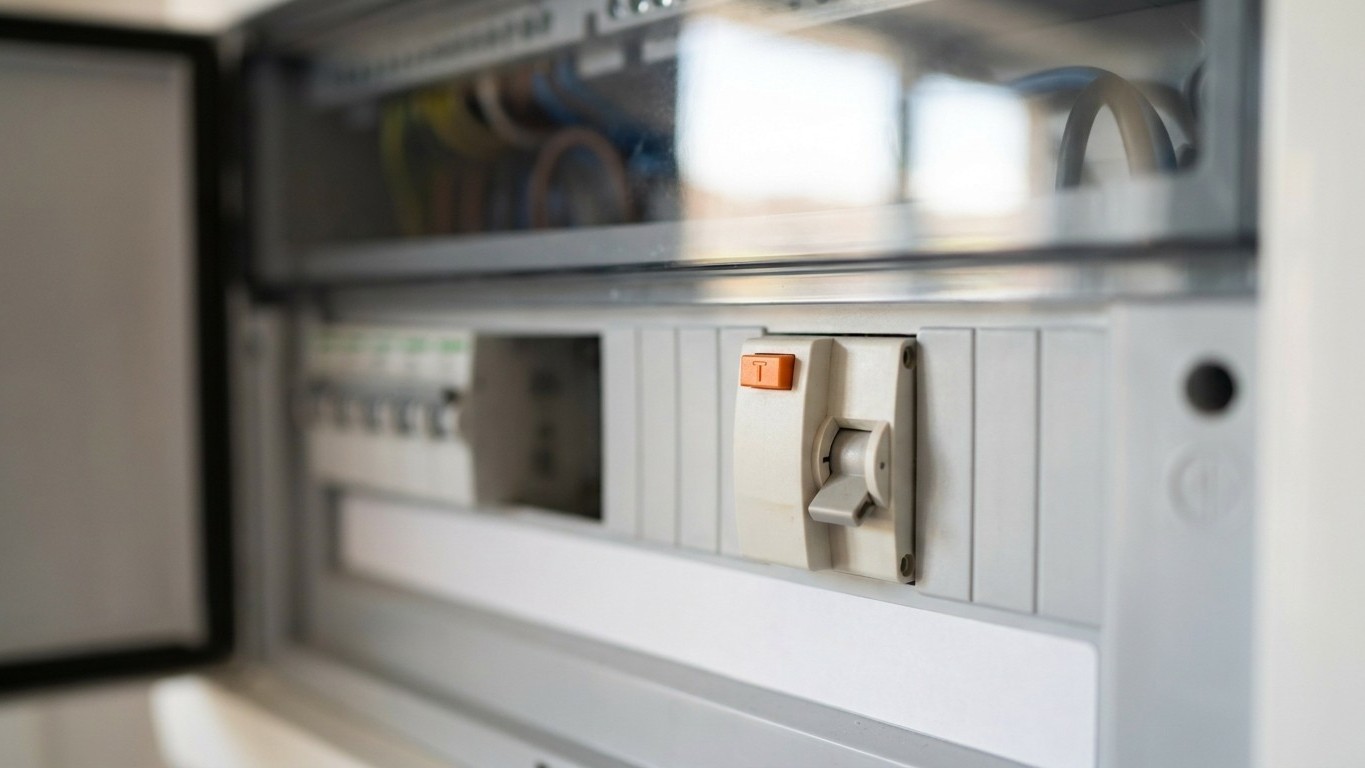
My neighbour always presses a small button in his consumer unit every three months, and it isn't to reset anything

That mysterious button your neighbour presses every three months isn’t a reset—it’s a lifesaving safety check. Your RCD (Residual Current Device) could fail silently without regular testing, leaving you vulnerable to fatal electrical faults. A simple 30-second quarterly ritual could be the difference between a working safety system and a deadly failure.

Why ordinary twin-and-earth cable needs protection when buried

We all insist on burying ordinary twin-and-earth to the shed, when it's this one layer above the cable that decides whethe...

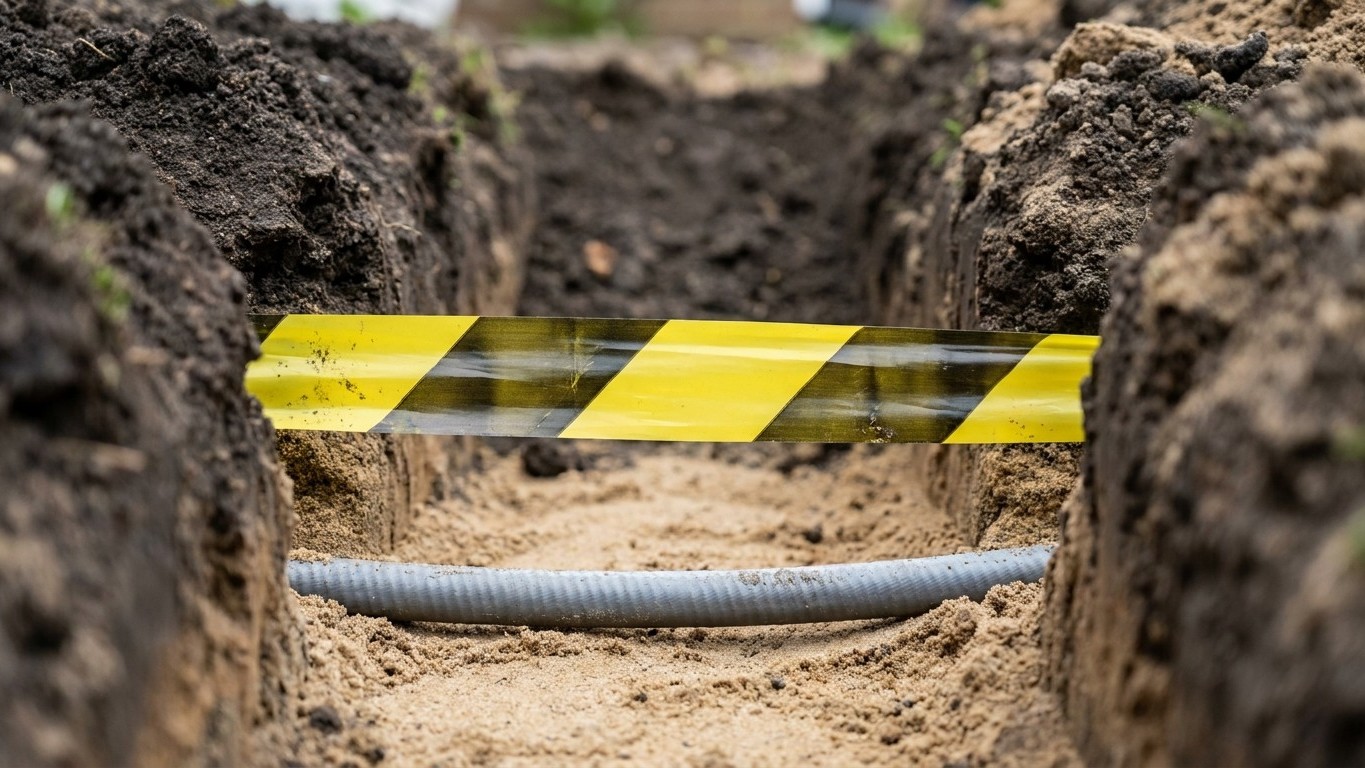
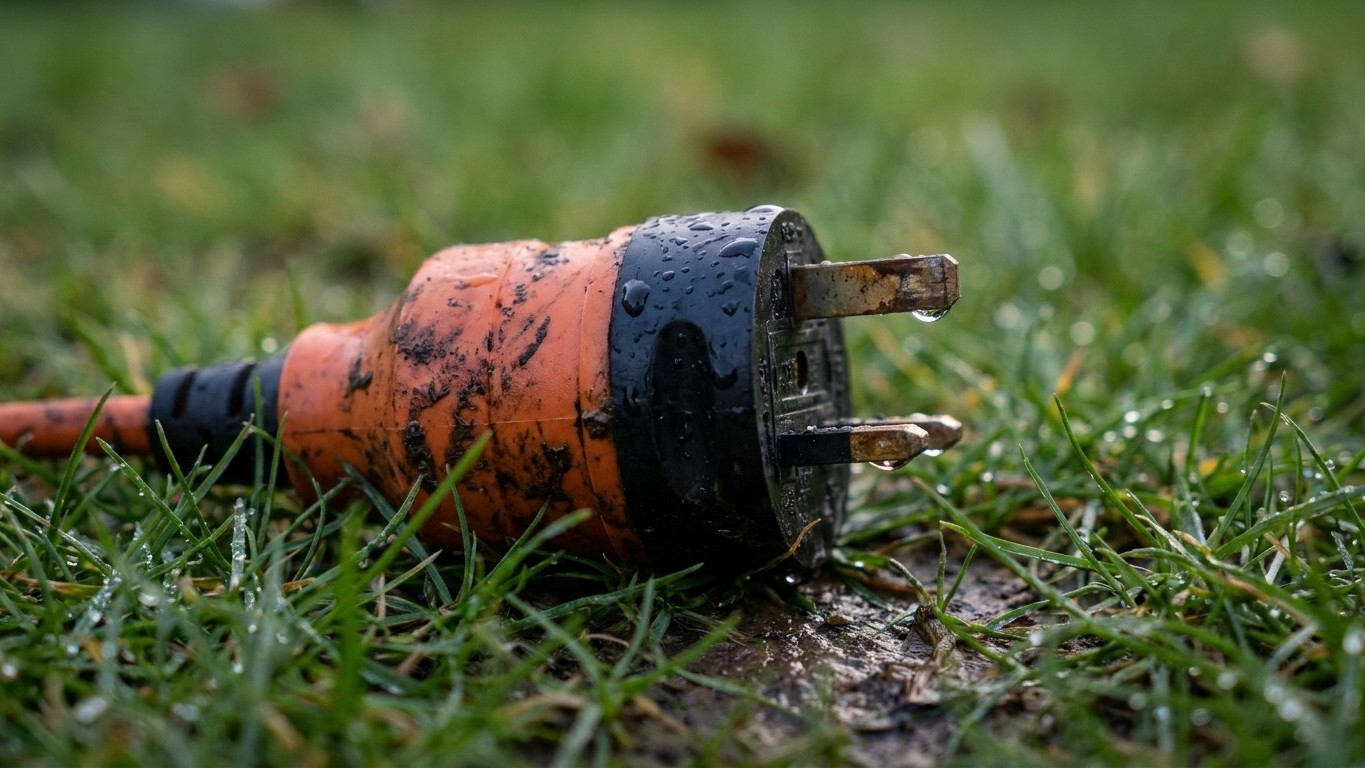
Most people bury garden cables wrong—but it’s not the cable itself that saves lives, it’s a thin strip of yellow-and-black plastic laid above it. Properly positioned marker tape intercepts a spade before it reaches copper, turning a £1 strip of plastic into your garden’s most critical safety layer.

Why switching off the extension socket beats unplugging at night

We all insist on unplugging the garden string lights at night, when this one-second move on the extension lead is what sto...

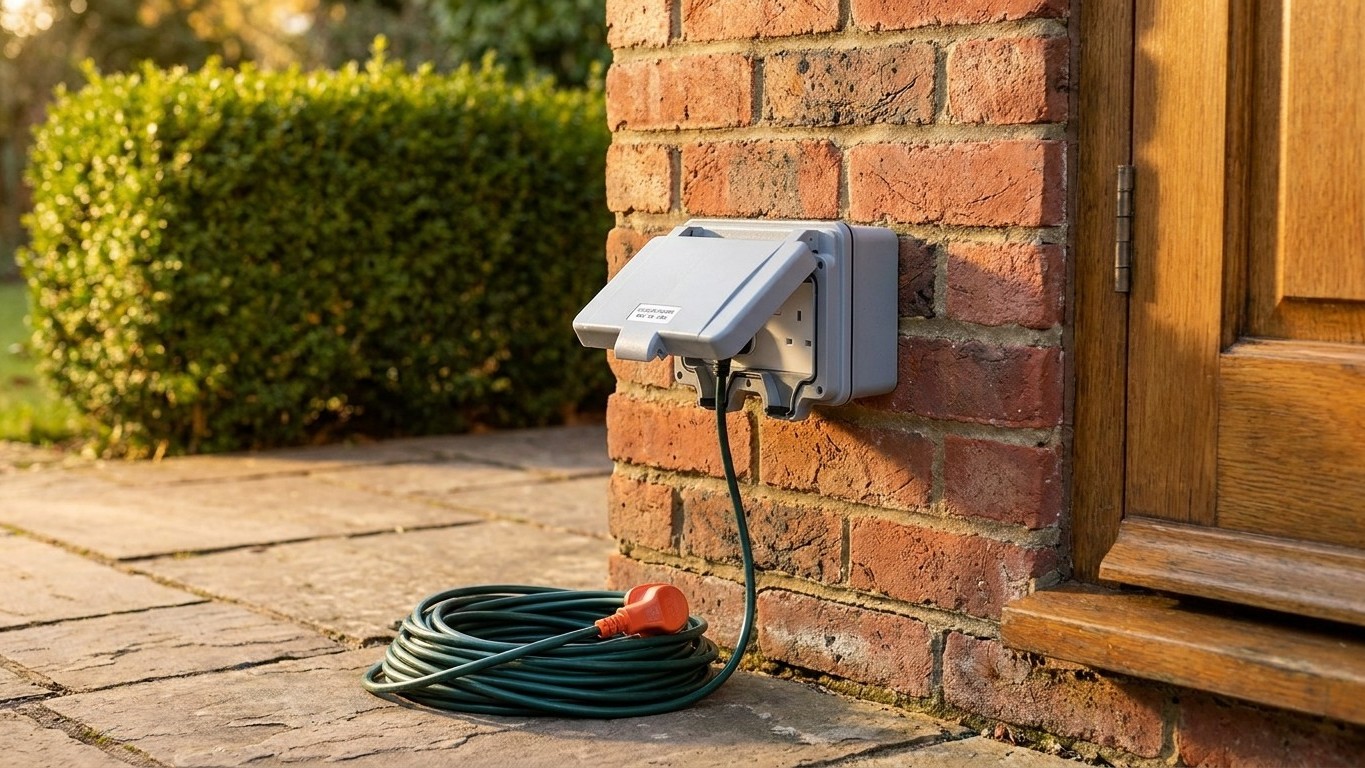
Unplugging garden string lights every night seems sensible—but it’s actually causing moisture damage that trips your RCD and blacks out half your house. A one-second habit of flipping the extension lead’s switch instead prevents corrosion, arcing, and those mysterious mid-summer power cuts.

Why drilling diagonally between a socket and switch can hit cables

I drilled diagonally between a socket and a switch to hang a shelf: an electrician showed me I'd missed the one rule that ...

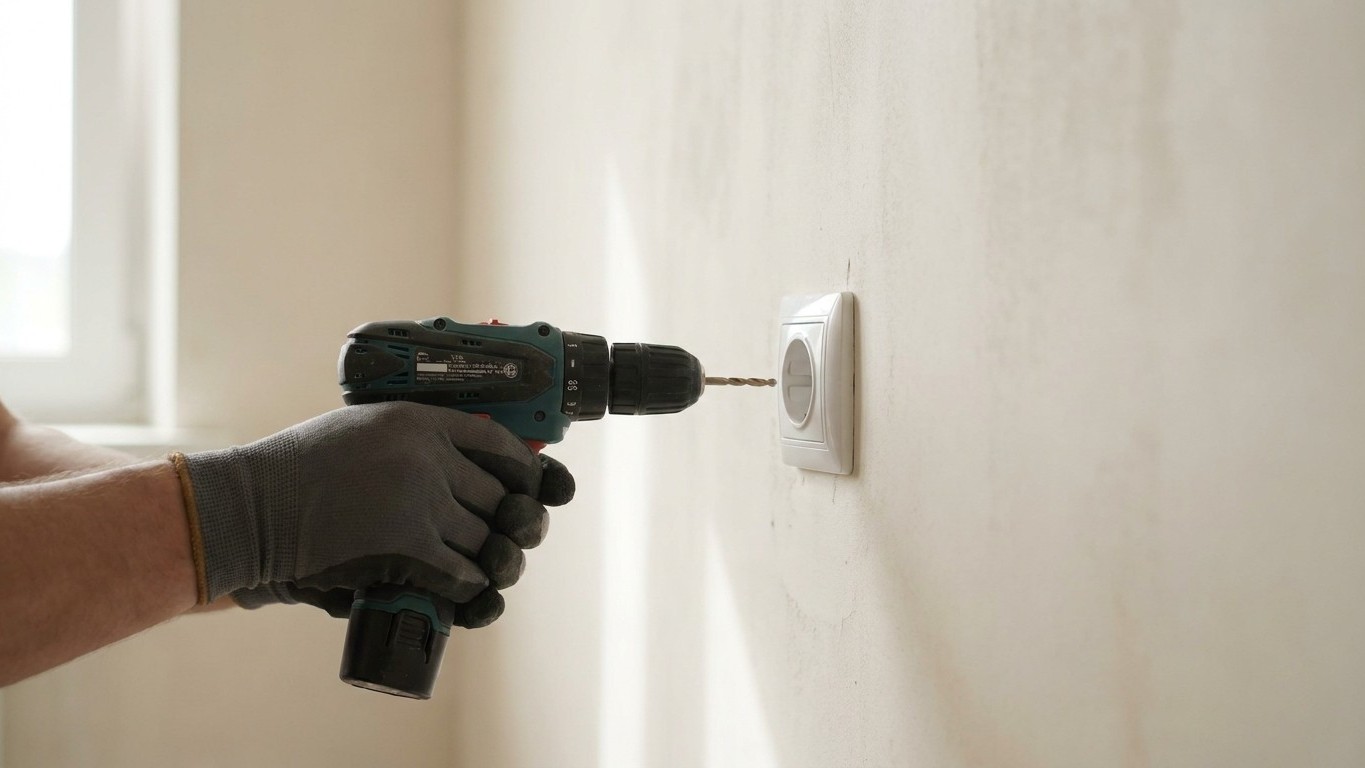
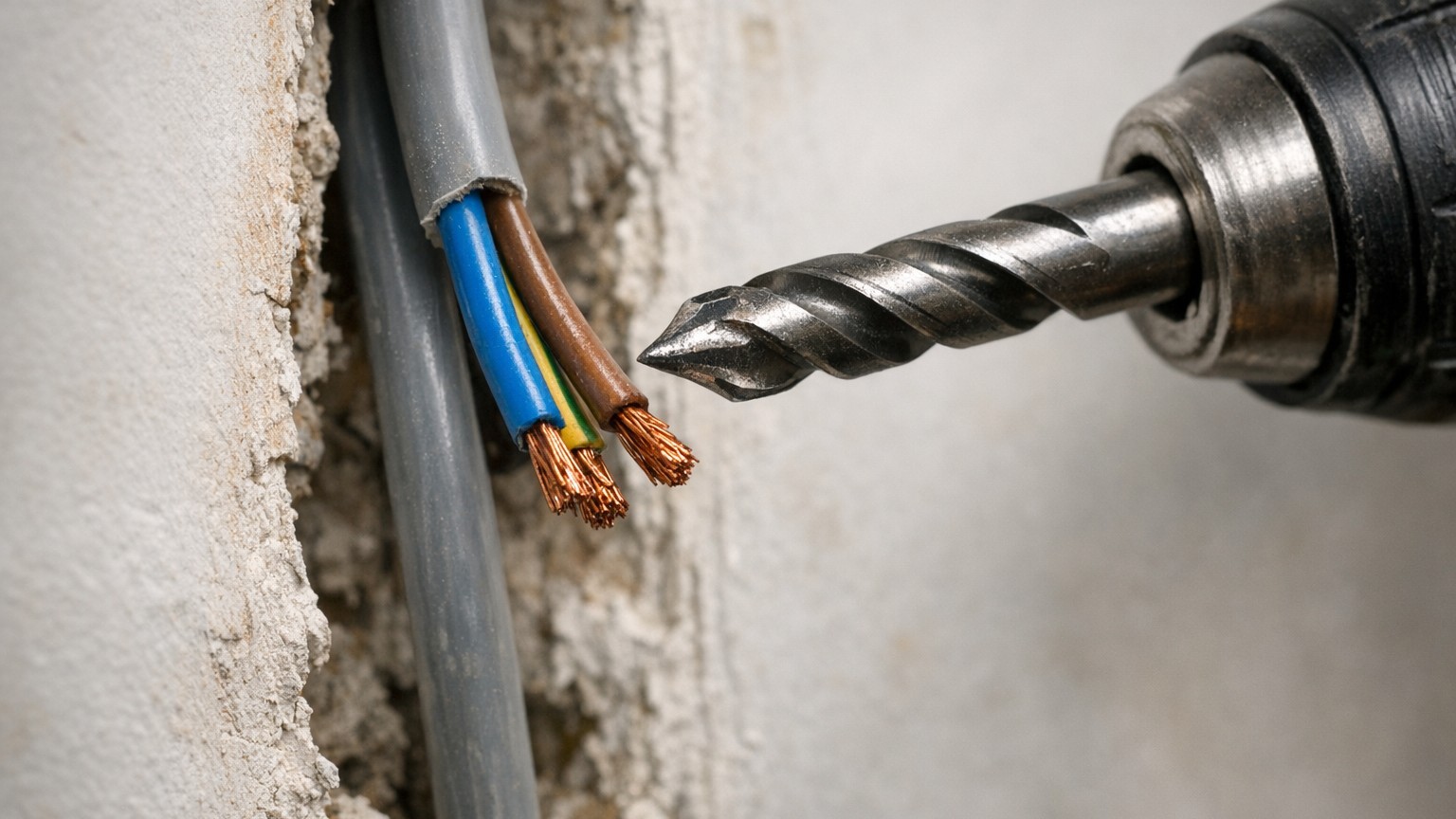
You thought drilling diagonally between a socket and switch was a harmless shortcut to hang a shelf. An electrician revealed the critical safety rule you’d violated: British electrical standards require all cables to run in predictable straight lines—up, down, left, or right—never diagonally. This regulation exists for one reason: to protect people like you from accidentally severing a live cable.

Why tightening a socket faceplate won’t fix crackling or arcing inside

We all insist on tightening the front plate when an outlet crackles: this one-second reflex does nothing to stop what's ar...

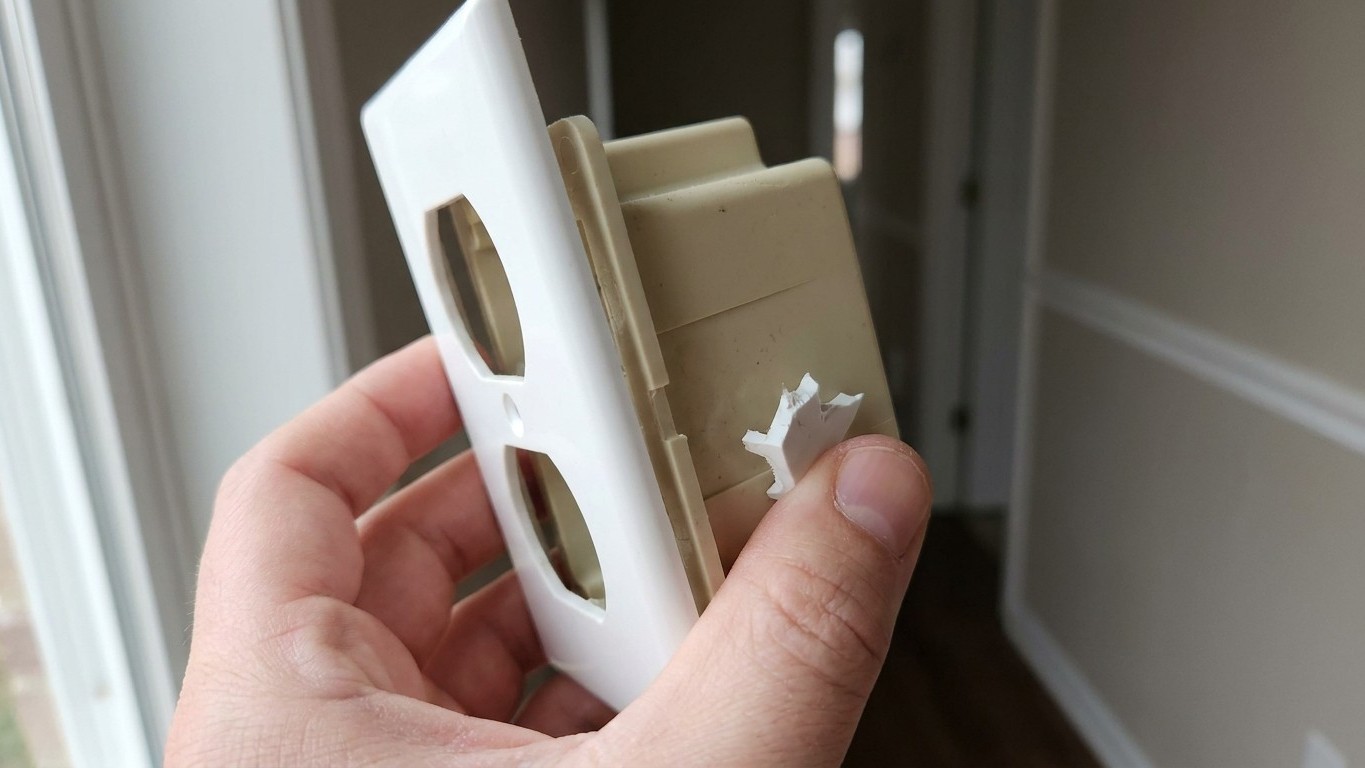
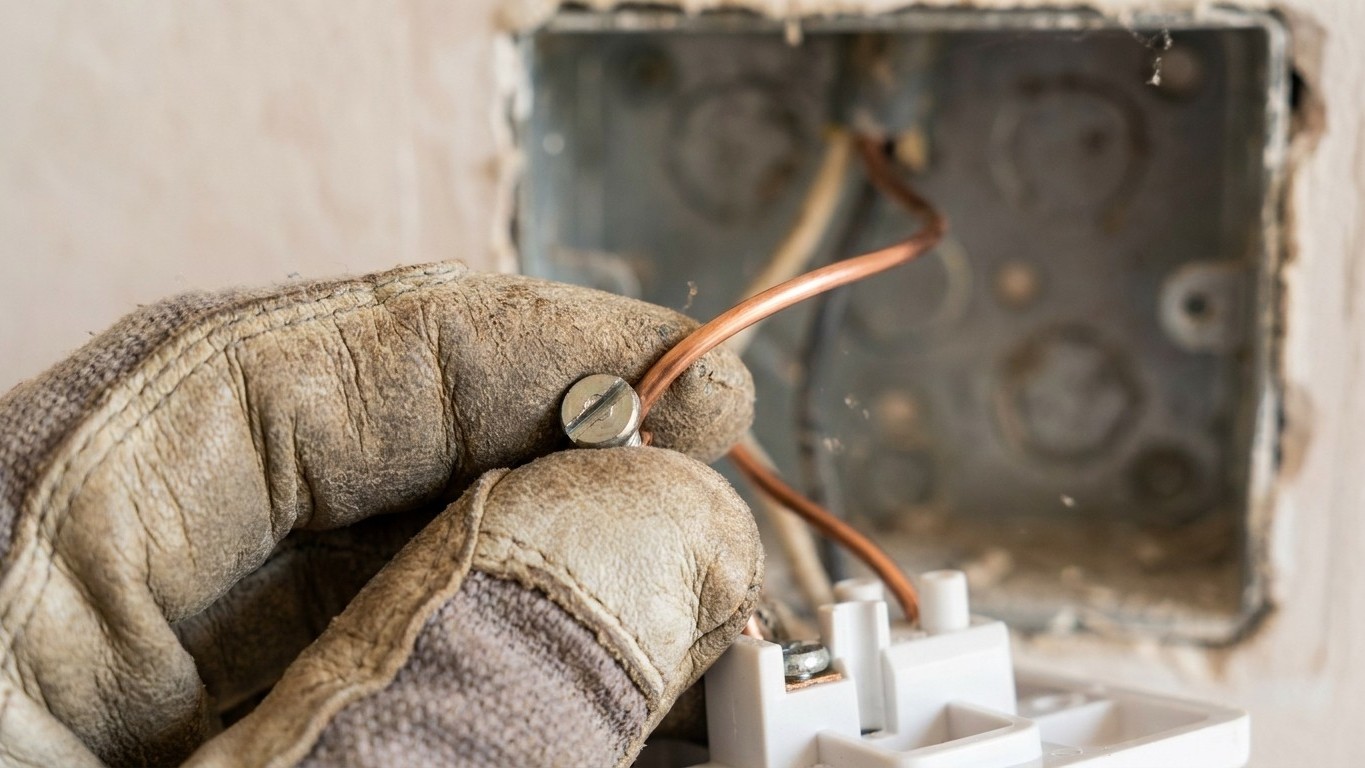
That satisfying twist of a screwdriver on a crackling outlet feels productive—but it does absolutely nothing to the electrical fault sparking behind your walls. Arcing happens at hidden connections where standard circuit breakers can’t detect it, and the real danger signs are completely different from what most homeowners watch for.

Why twisted wires under a ceiling rose are a fire risk

The Hidden Fire Hazard in Your Ceiling: Why Twisted Wires and Tape Could Burn Your Home Down

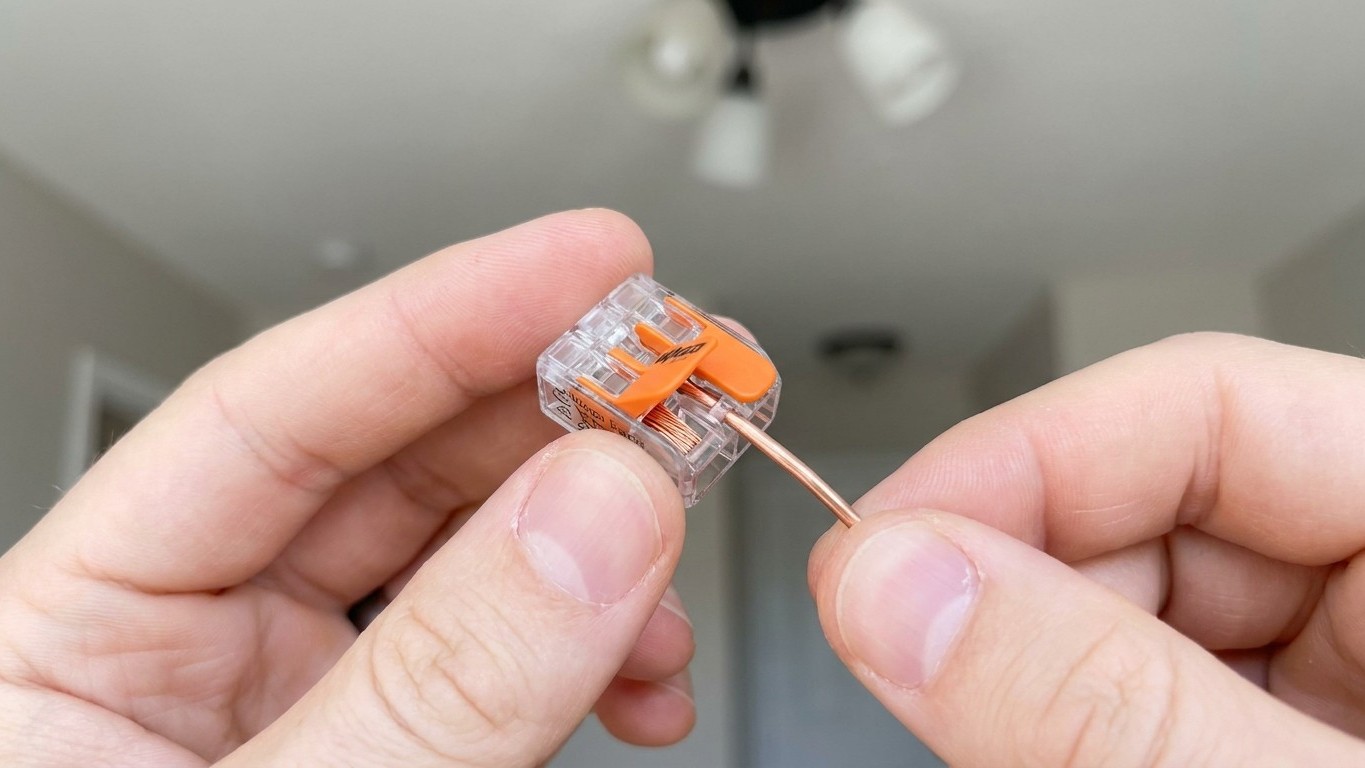
A neighbor’s quick observation prevented a potential house fire—the missing step was using a proper junction box connector instead of twisted wires and tape. Inside ceiling voids, loose connections can smolder invisibly for hours, and faulty wiring now causes over half of accidental home fires in England.