Why a warm aerosol can in a hot shed is a fire risk

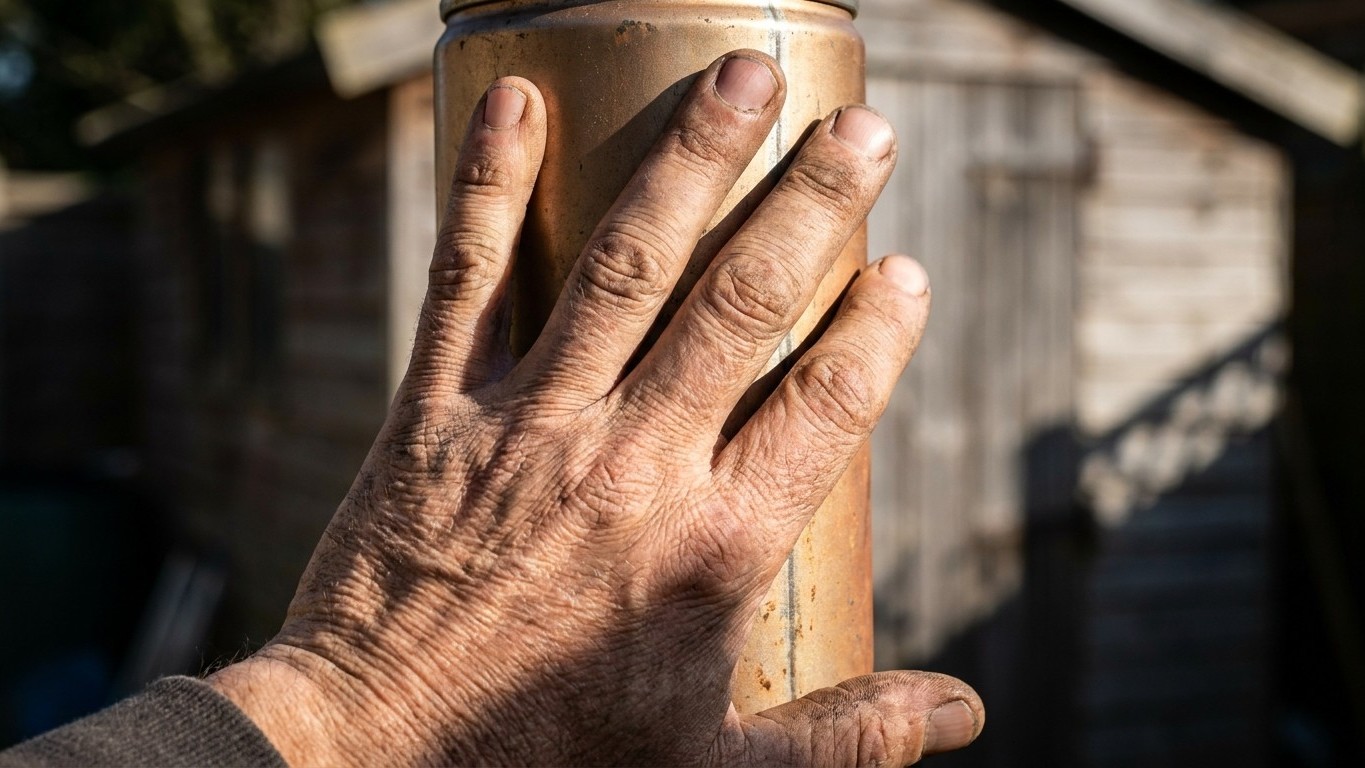
Rest your palm flat on the aerosol can at the back of your shed at 3pm and hold it there: it's the check fire crews make f...

Fire crews have a simple trick to check if your shed’s aerosol cans are in danger: press your palm flat against them at 3pm on a hot day. If the metal feels uncomfortably hot, the pressurized gas inside could be building toward dangerous levels. This seemingly innocent can of fly spray or WD40 could become a serious hazard when summer heat transforms your shed into an oven.

Why a coiled cable reel overheats when used with a pressure washer

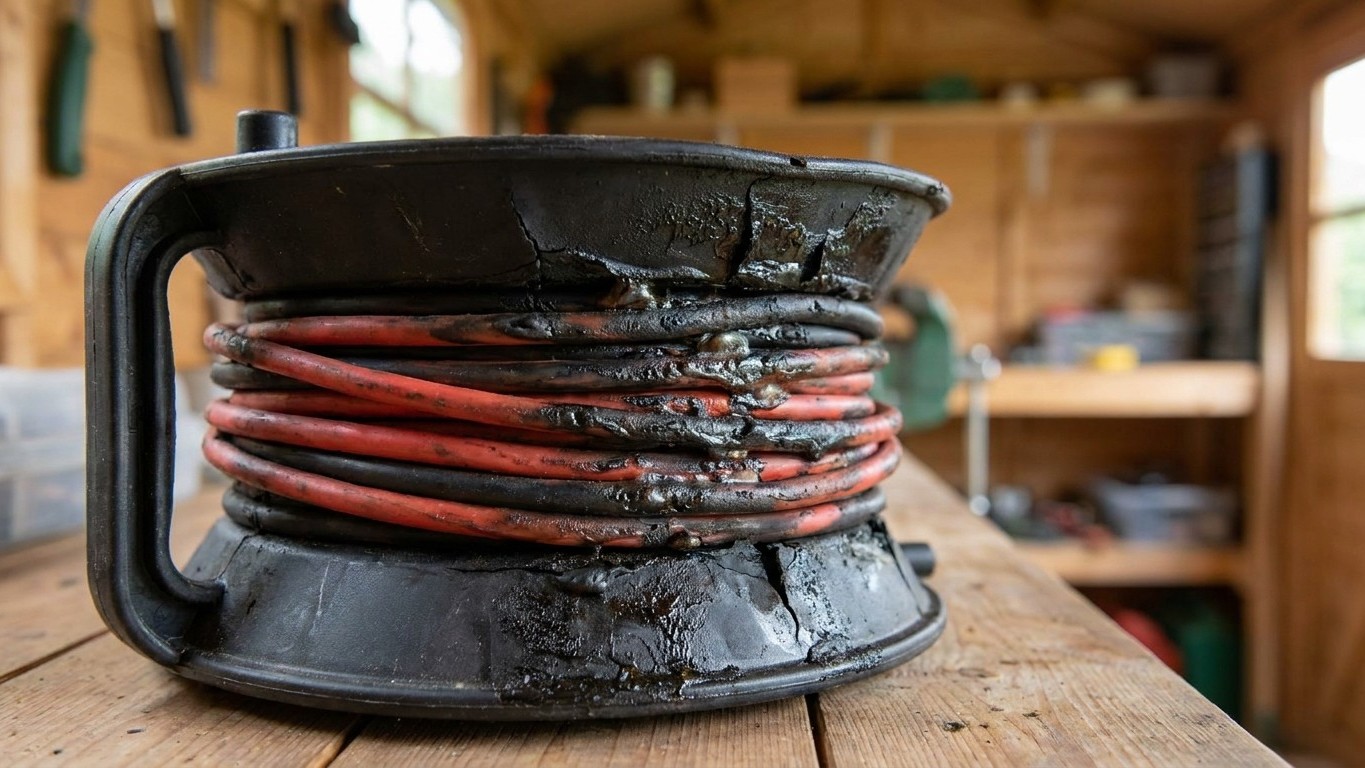
I plugged my pressure washer into a coiled cable reel like I always did: when I smelled the plastic and saw what was happe...

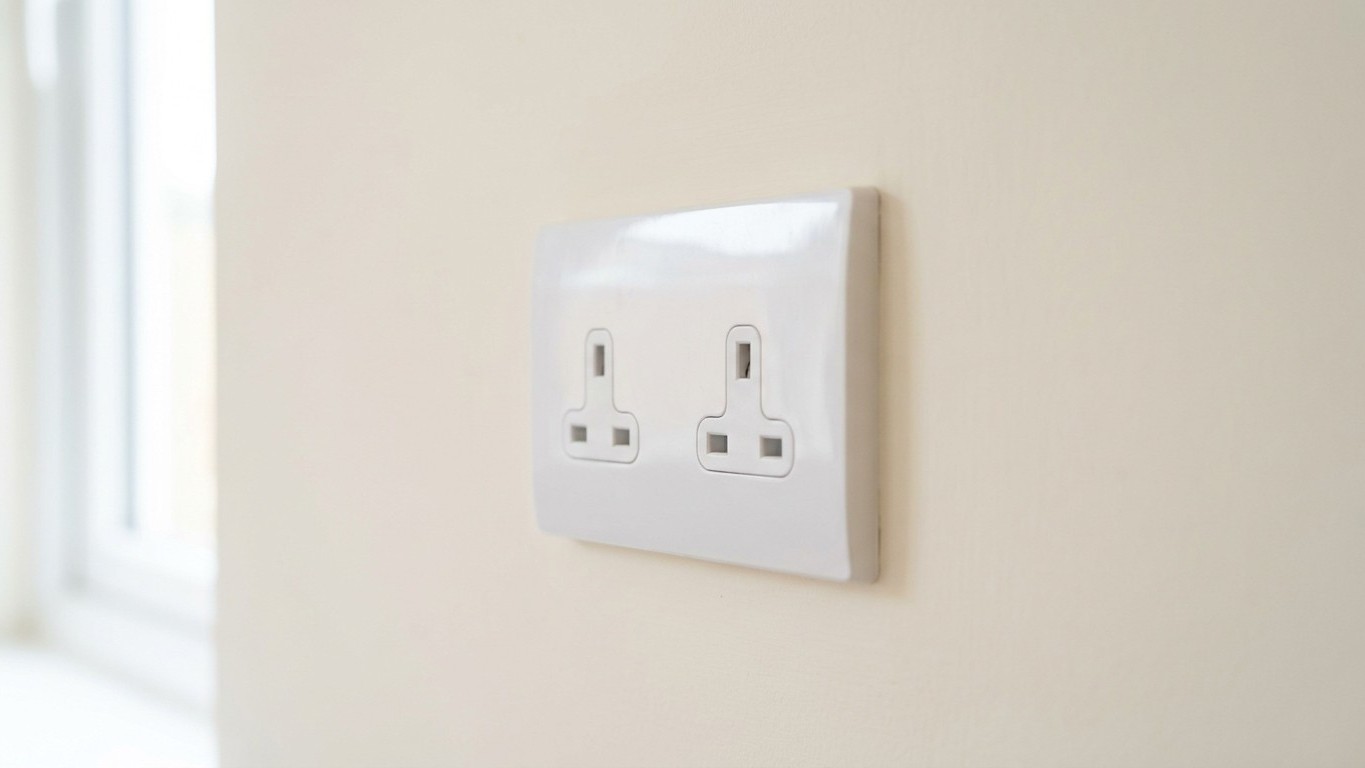
That acrid smell of melting plastic isn’t just ruining your cable—it’s creating a lethal electrocution hazard. When a pressure washer runs through a coiled extension reel, heat builds up with nowhere to escape, causing insulation to fuse and earth cores to become live. One small oversight can turn a routine garden task into a fire or electrical emergency.

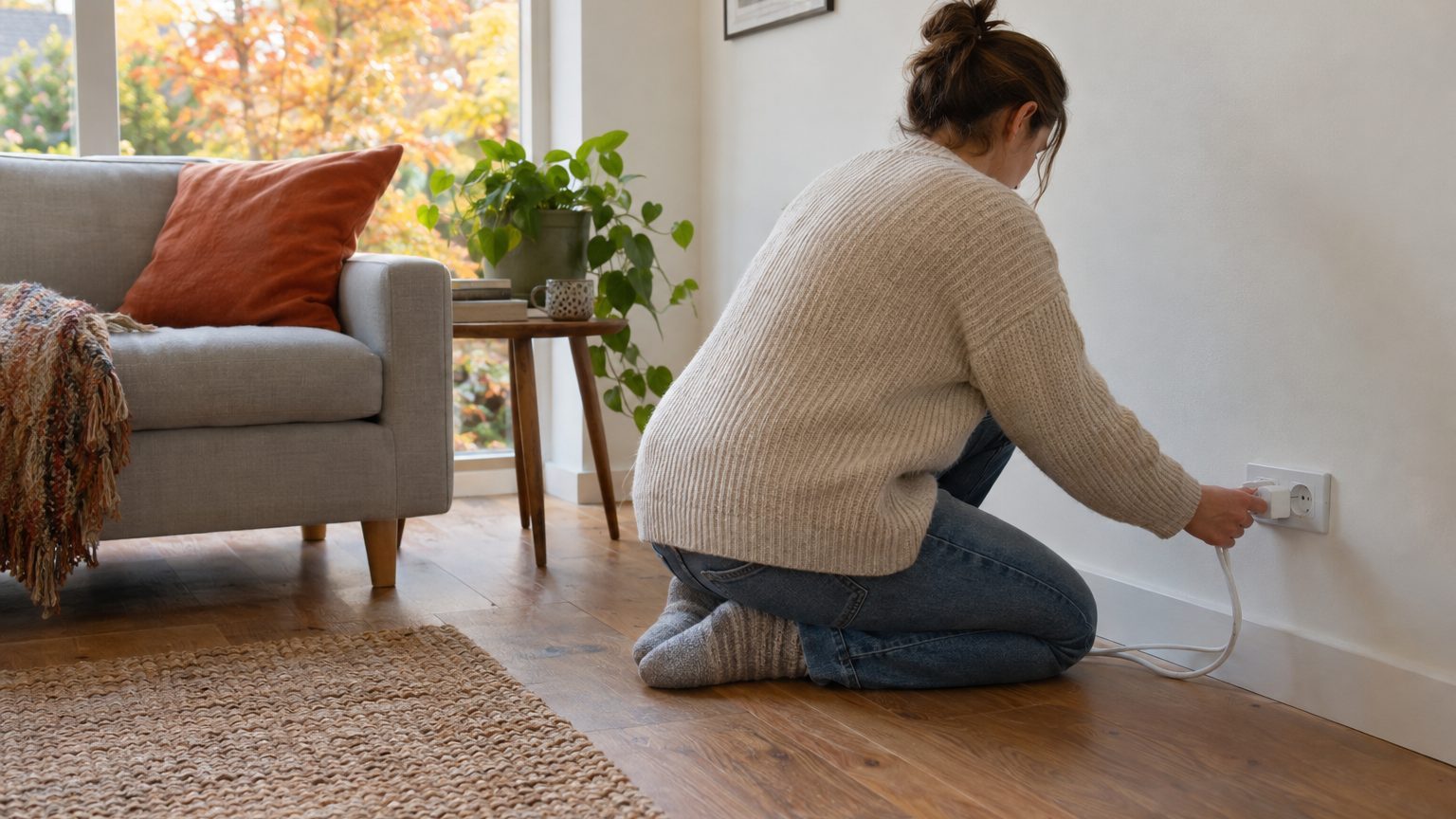
Why tightening a socket faceplate won’t fix crackling or arcing inside

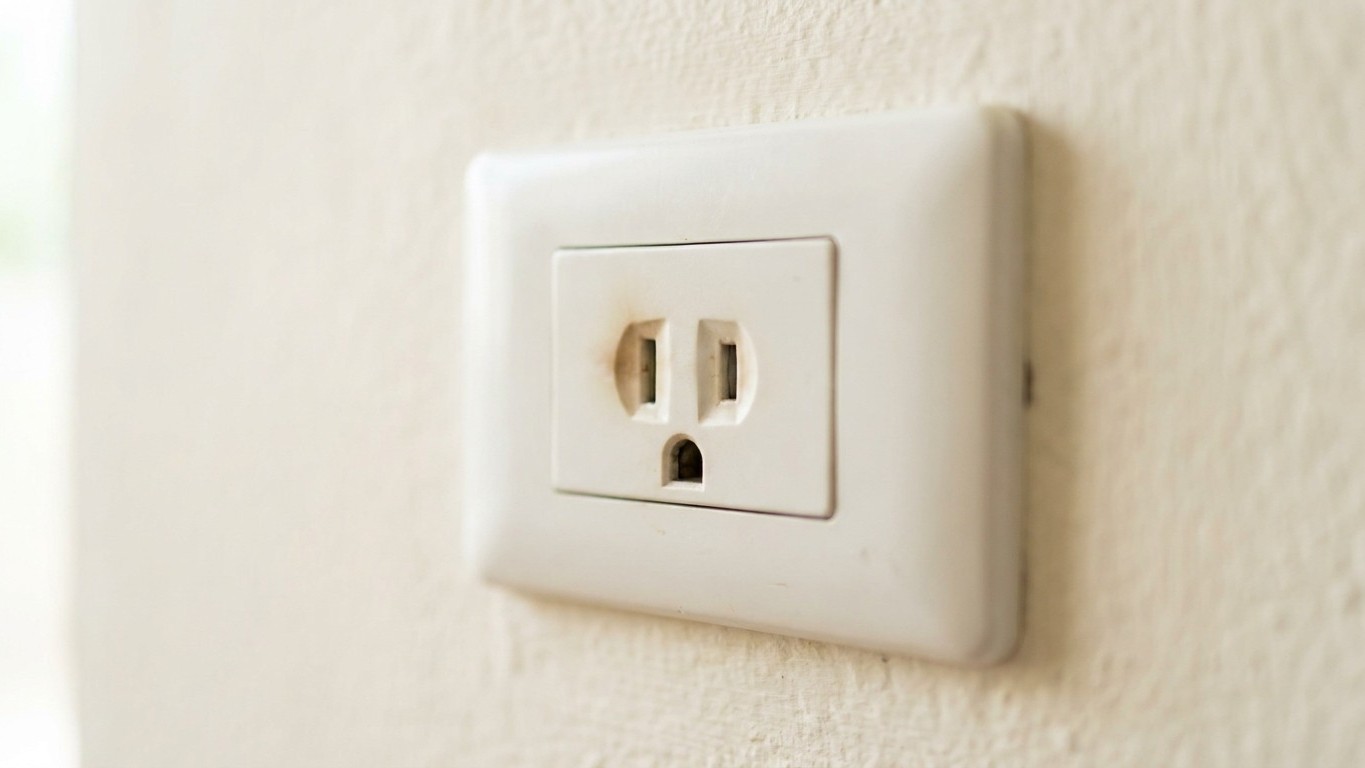
We all insist on tightening the front plate when an outlet crackles: this one-second reflex does nothing to stop what's ar...

That satisfying twist of a screwdriver on a crackling outlet feels productive—but it does absolutely nothing to the electrical fault sparking behind your walls. Arcing happens at hidden connections where standard circuit breakers can’t detect it, and the real danger signs are completely different from what most homeowners watch for.

Why twisted wires under a ceiling rose are a fire risk

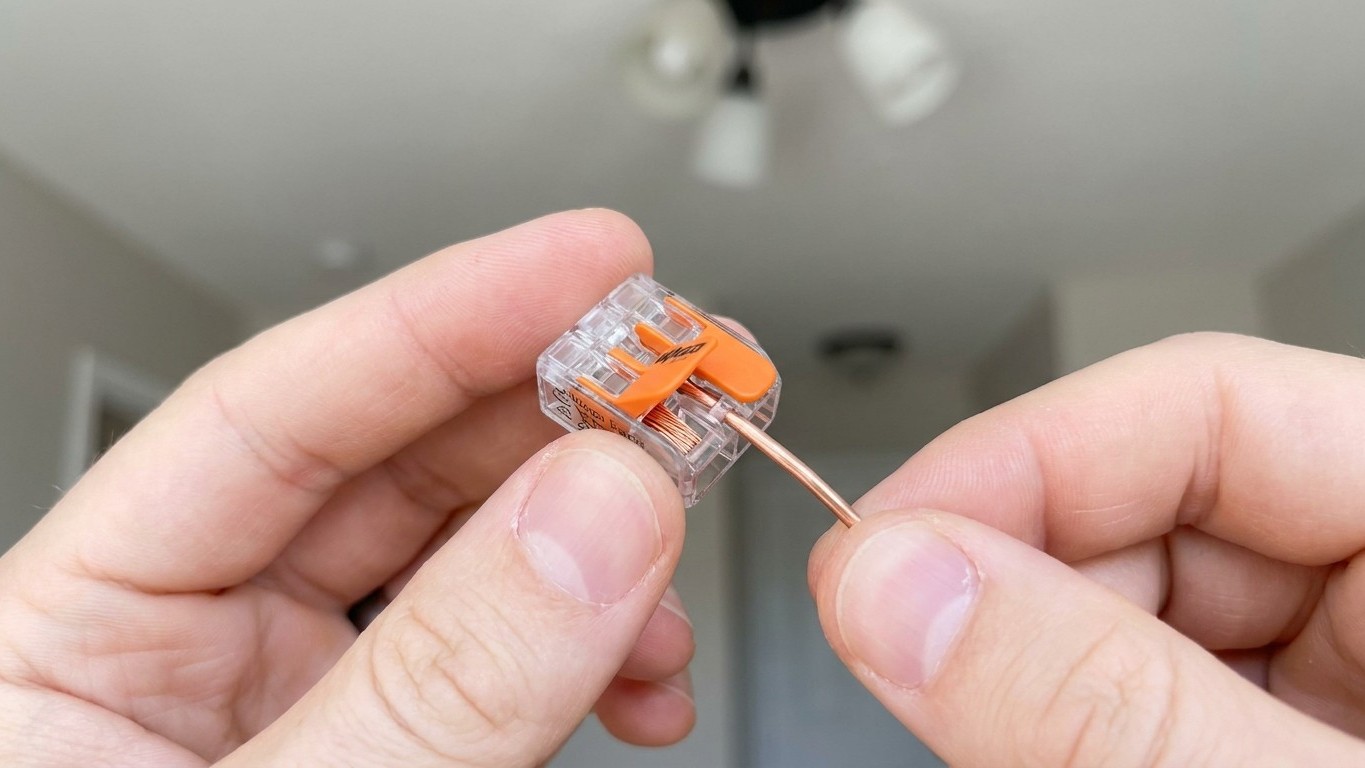
The Hidden Fire Hazard in Your Ceiling: Why Twisted Wires and Tape Could Burn Your Home Down

A neighbor’s quick observation prevented a potential house fire—the missing step was using a proper junction box connector instead of twisted wires and tape. Inside ceiling voids, loose connections can smolder invisibly for hours, and faulty wiring now causes over half of accidental home fires in England.

Hidden fire risk when adding a plug socket yourself

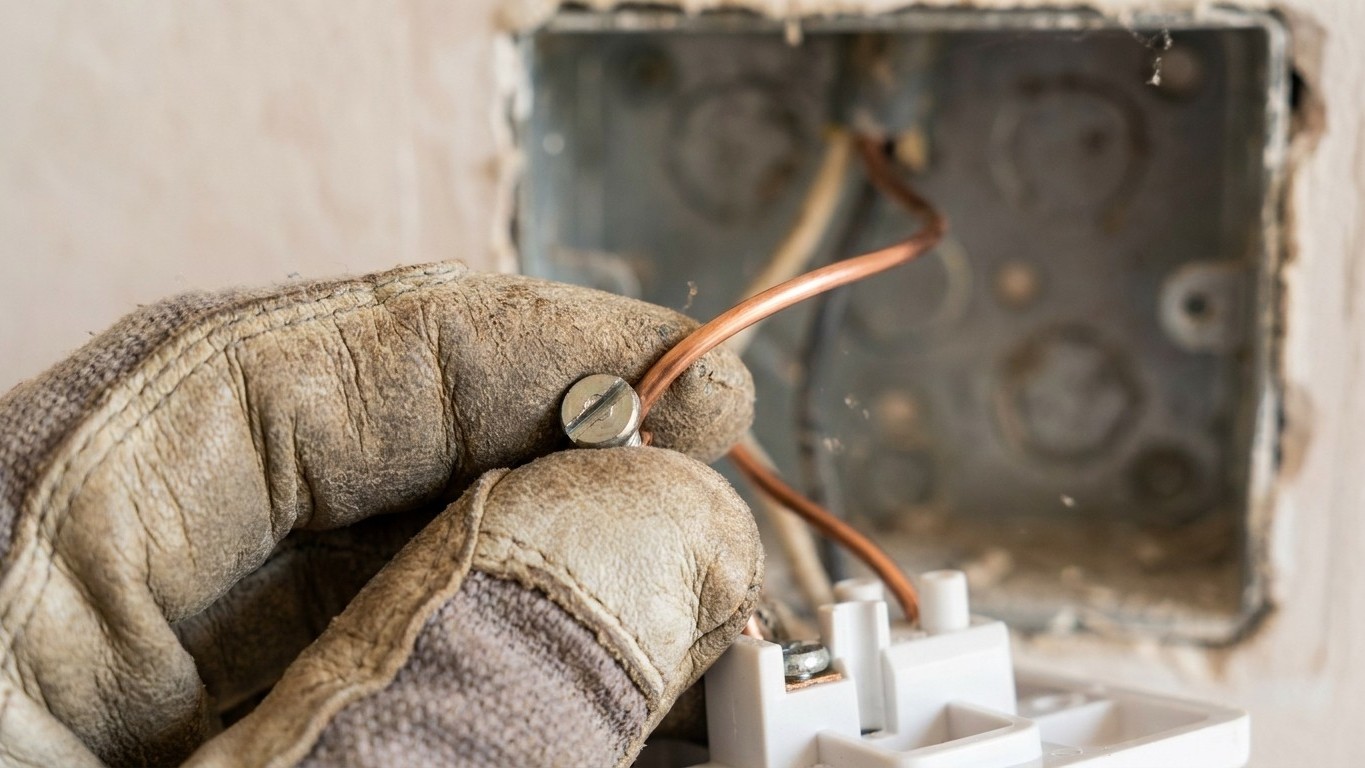
I Installed a Socket Myself and Passed Every Check — Until an Electrician Found the Hidden Fire Risk

A homeowner’s DIY socket installation looked flawless—until a professional electrician discovered a loose terminal connection that could have sparked an electrical fire. This hidden danger is completely invisible to the eye and affects thousands of DIY installations annually.