Why expanding foam around a uPVC door frame can stop it latching

I filled the gap around my uPVC door frame with expanding foam to seal it fast: the next morning, when the door wouldn't l...

You sealed the gap around your uPVC door with expanding foam before bed, but by morning the door wouldn’t latch. Standard high-expansion foam doesn’t stop pushing outward as it cures—it can generate enough force to bend plastic frames by just a millimetre or two, throwing your latch completely out of alignment.

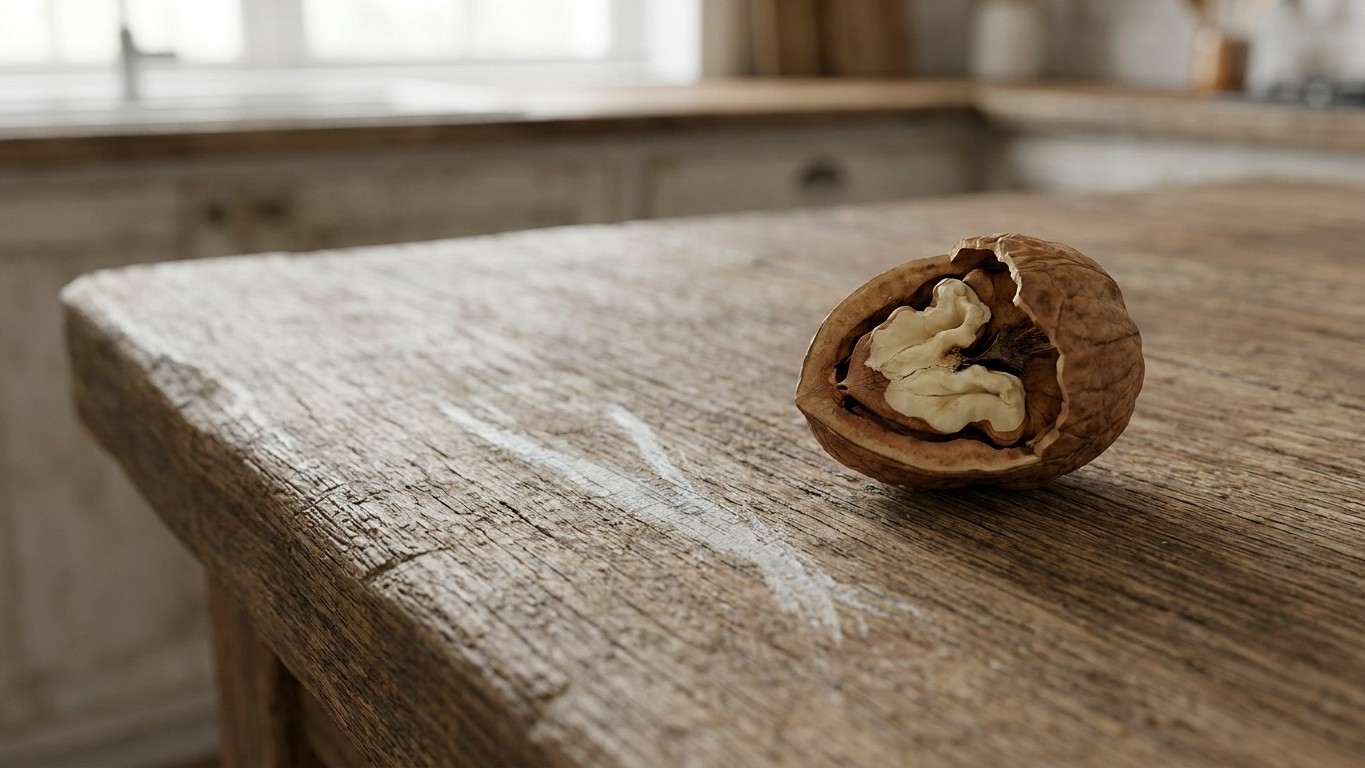
How a walnut removes scuff marks from wooden furniture

My grandfather always kept a walnut in his toolbox next to the furniture polish: I laughed for years before understanding ...

For decades, a grandfather’s peculiar habit of using walnuts to repair furniture scratches seemed like folklore—until the science proved him right. The natural oils and pigments in walnuts can genuinely heal wooden surfaces, and there’s real chemistry explaining why this cheap, simple trick outperforms expensive repair products.

Why sanding a flat-pack dresser can expose chipboard under the veneer

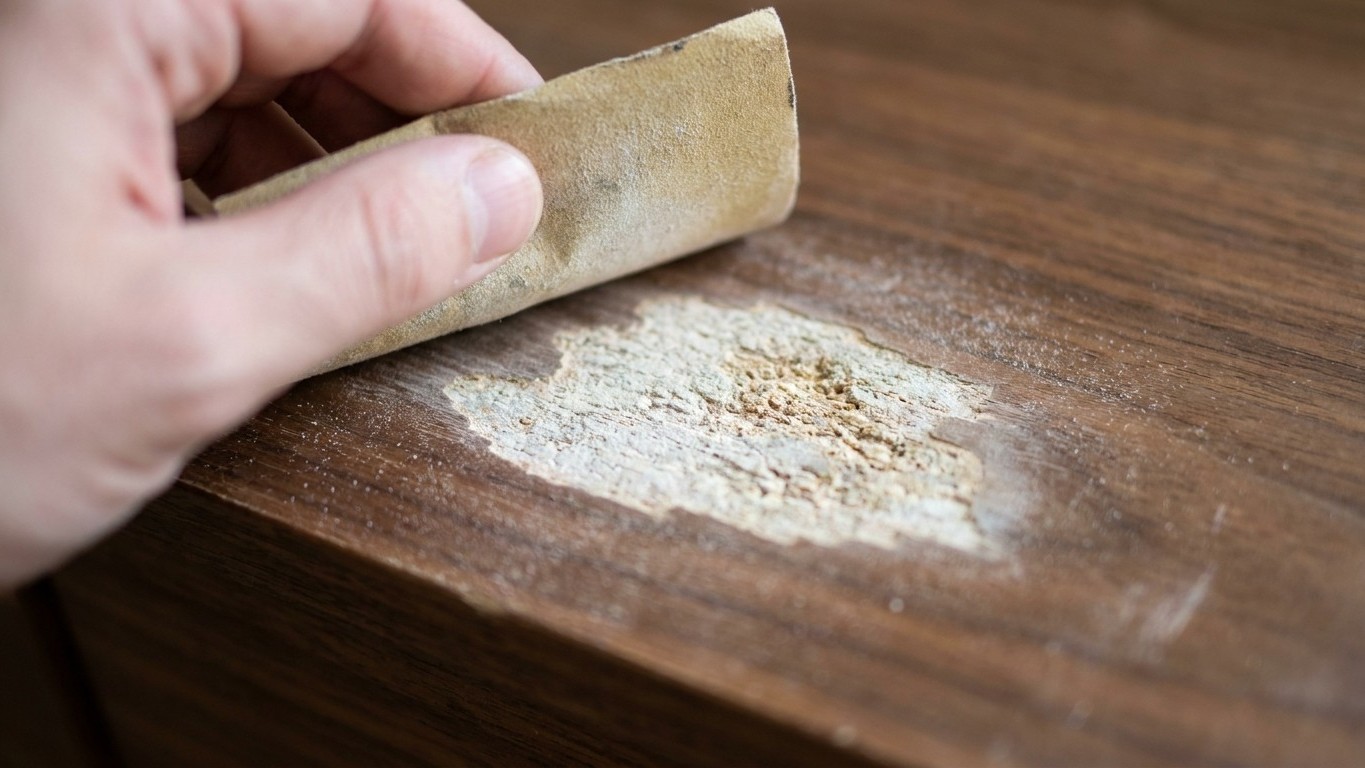
I sanded my flat-pack dresser like it was solid wood: when I saw what was showing through the surface, it was too late

A seemingly simple refresh turned into a disaster when the sandpaper broke through the paper-thin veneer of a flat-pack dresser, exposing cheap chipboard underneath. Learn what’s really hiding beneath that wood-effect surface, why damage happens so suddenly, and how to prevent—or salvage—the mistake.

Why drilling diagonally between a socket and switch can hit cables

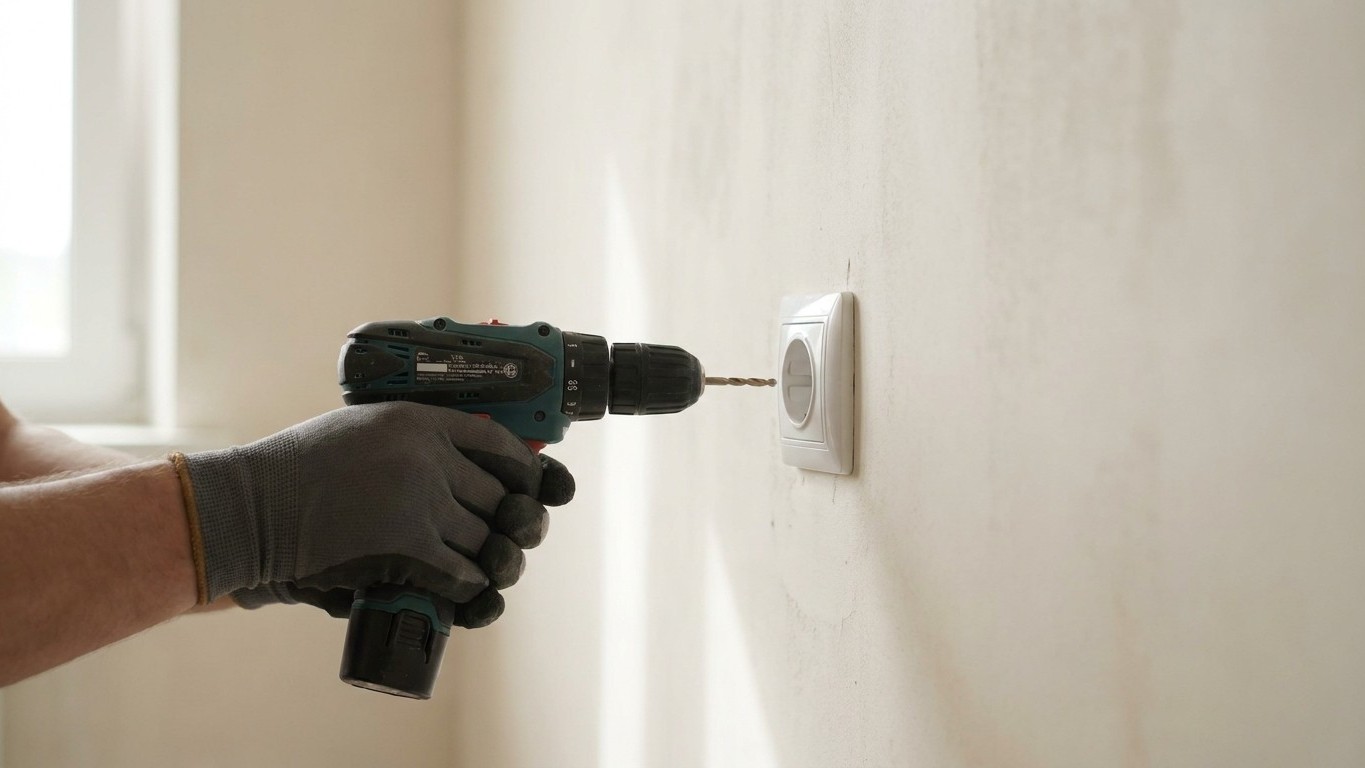
I drilled diagonally between a socket and a switch to hang a shelf: an electrician showed me I'd missed the one rule that ...

You thought drilling diagonally between a socket and switch was a harmless shortcut to hang a shelf. An electrician revealed the critical safety rule you’d violated: British electrical standards require all cables to run in predictable straight lines—up, down, left, or right—never diagonally. This regulation exists for one reason: to protect people like you from accidentally severing a live cable.

Why white gloss woodwork turns yellow behind furniture over time

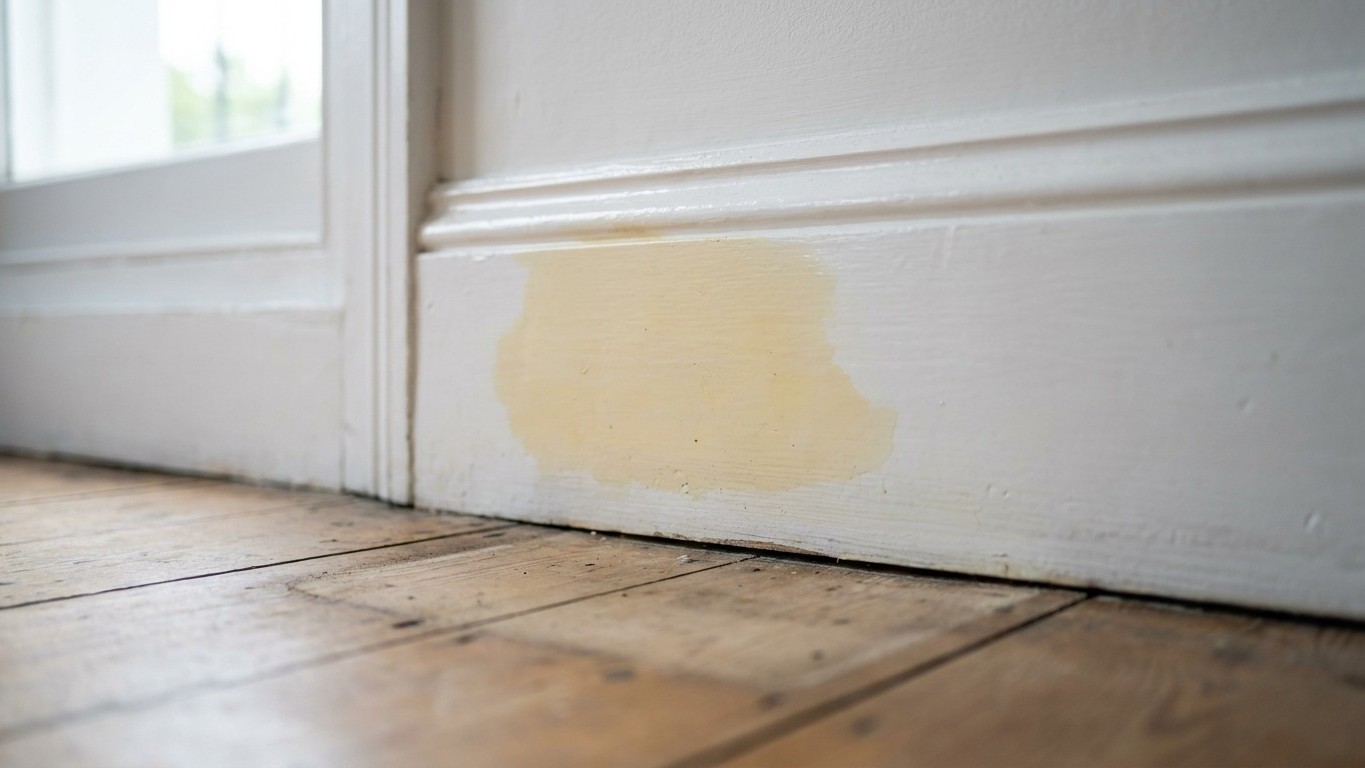
I painted my hallway woodwork in white gloss like everyone else: when I moved the dresser two years later, the colour I fo...

That mustard-yellow patch behind your dresser isn’t permanent damage—it’s chemistry. Oil-based gloss paint yellows when starved of light, and the good news is this might be reversible. Learn what caused it, whether you can fix it, and which modern paints avoid the problem entirely.

Why silicone put over old mouldy sealant lets black mould return

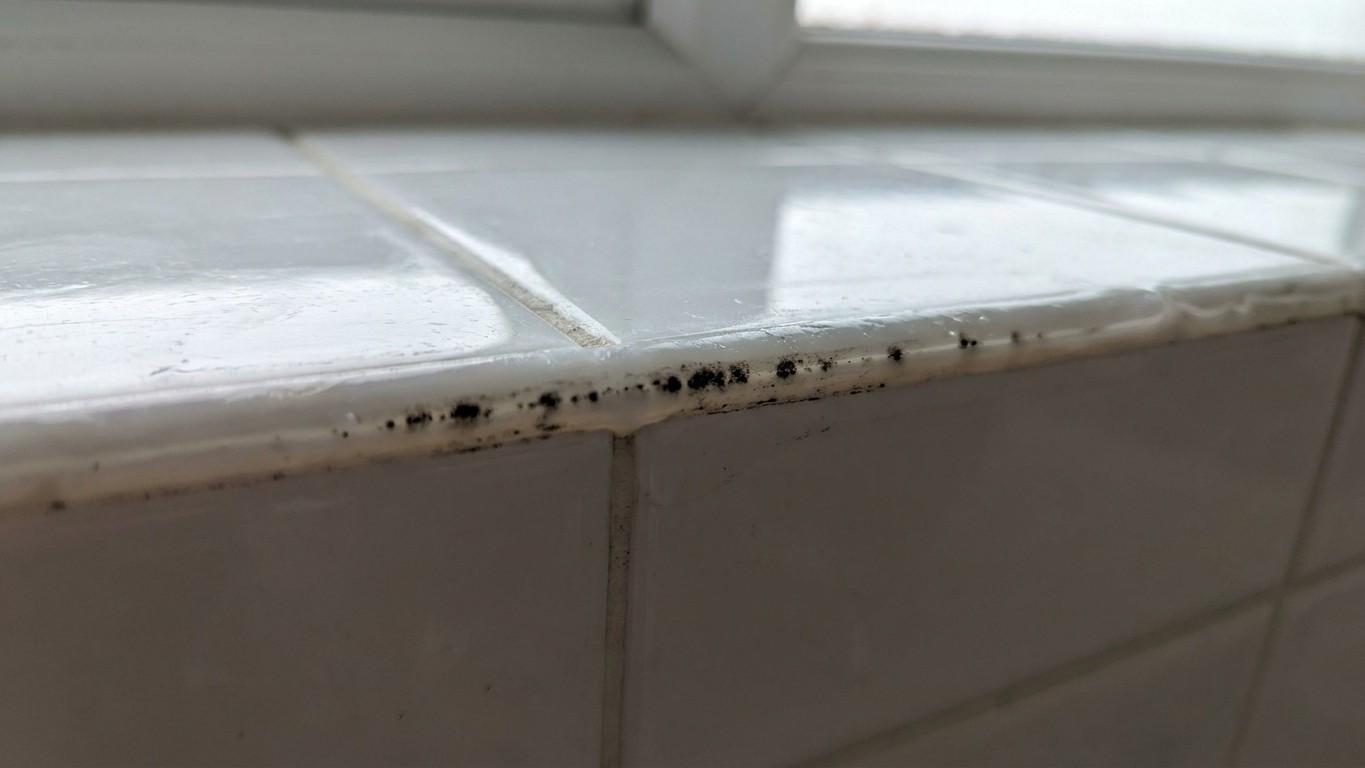
I ran a fresh bead of silicone straight over the old mouldy sealant to save time: when the black spots came back through i...

Applying fresh silicone sealant over existing mould might seem like a time-saving hack, but it’s actually sealing the problem inside rather than solving it. The mould isn’t living on the sealant surface—it’s thriving behind it, and a new layer just gives it more time to work back through. Here’s the proper way to fix it permanently.

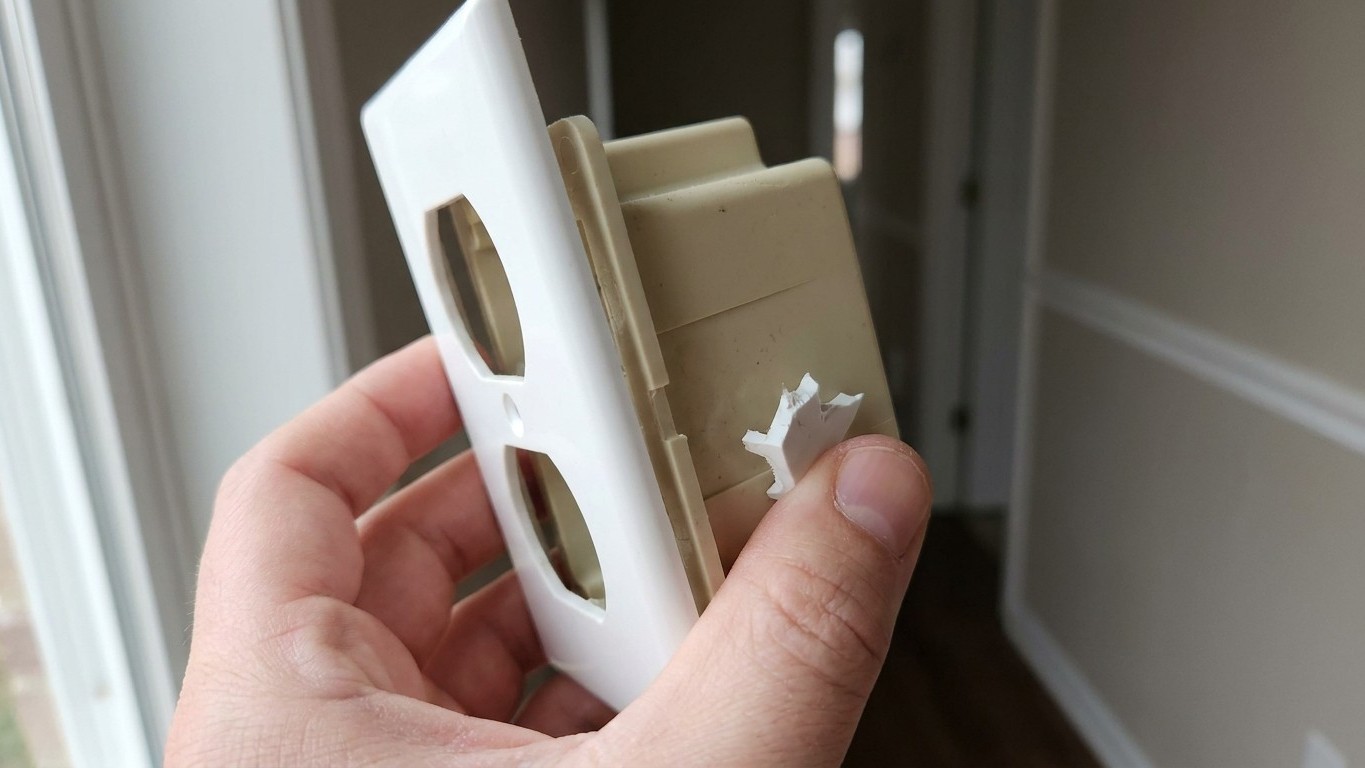
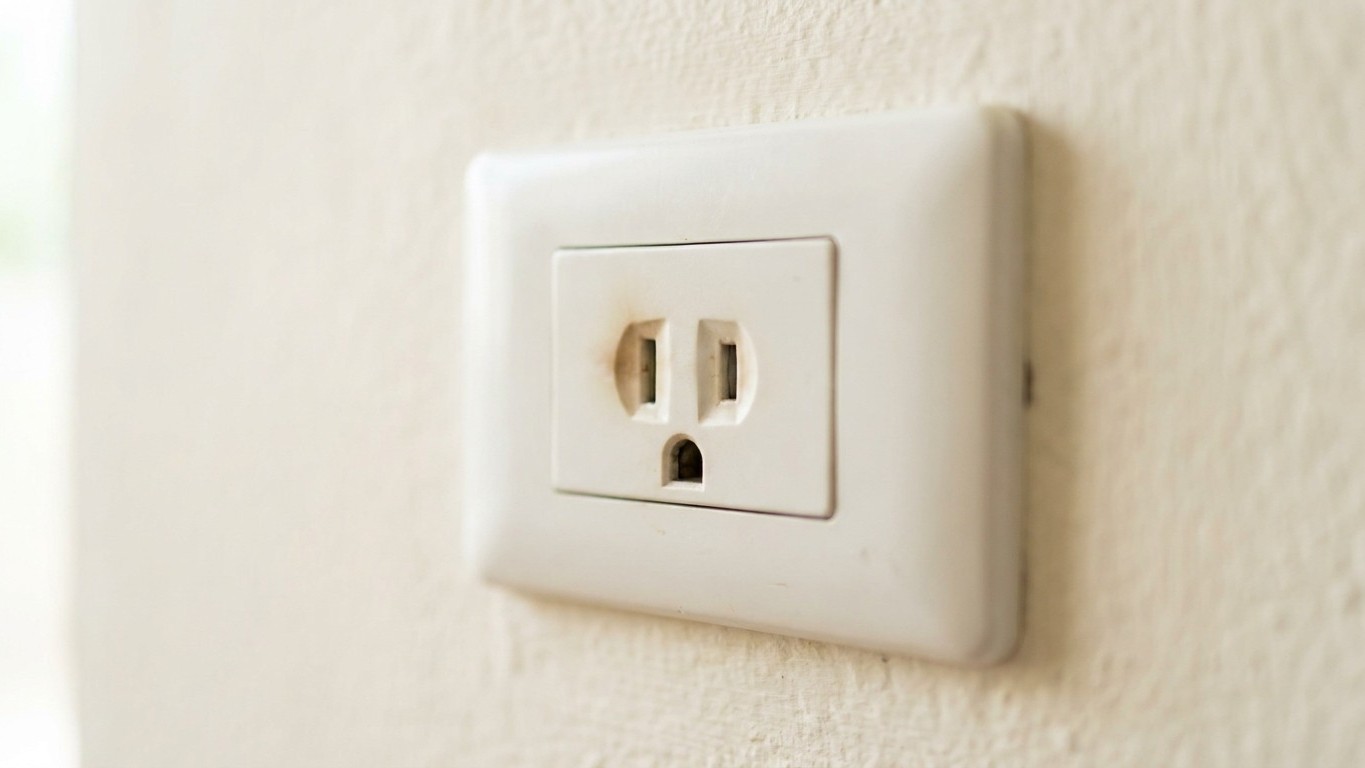
Why tightening a socket faceplate won’t fix crackling or arcing inside

We all insist on tightening the front plate when an outlet crackles: this one-second reflex does nothing to stop what's ar...

That satisfying twist of a screwdriver on a crackling outlet feels productive—but it does absolutely nothing to the electrical fault sparking behind your walls. Arcing happens at hidden connections where standard circuit breakers can’t detect it, and the real danger signs are completely different from what most homeowners watch for.