Why a batten beats brackets for a corner shelf on a party wall

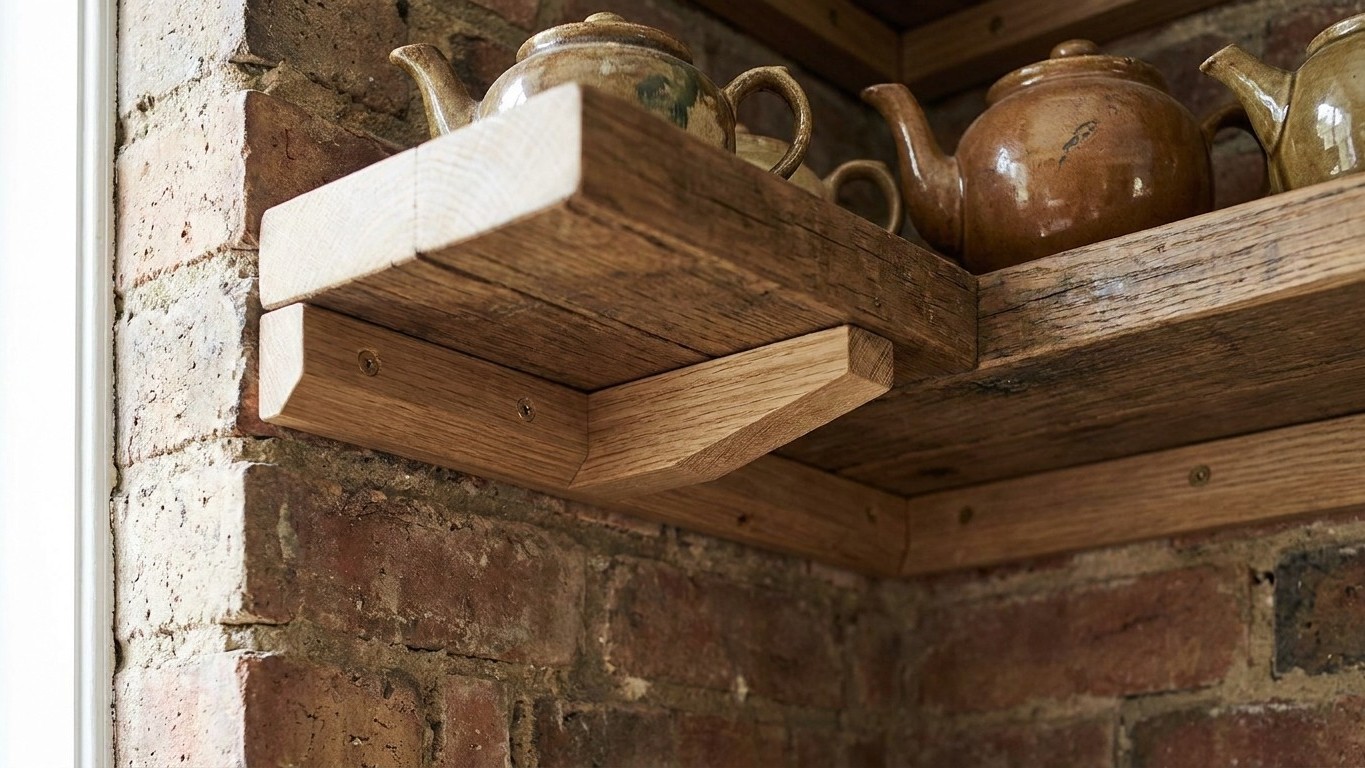
We all keep bolting brackets straight into the party wall, while this £7 batten carries the whole corner shelf on two screws

Forget bolting heavy brackets into shared party walls. A single angled timber batten—costing just £7—uses physics and gravity to hold corner shelves more securely, more cheaply, and with far less wall damage. The French cleat isn’t new, but it’s a game-changer for anyone tired of wrestling with brackets in awkward corners.

Why a mirror opposite a window brightens a dark corridor

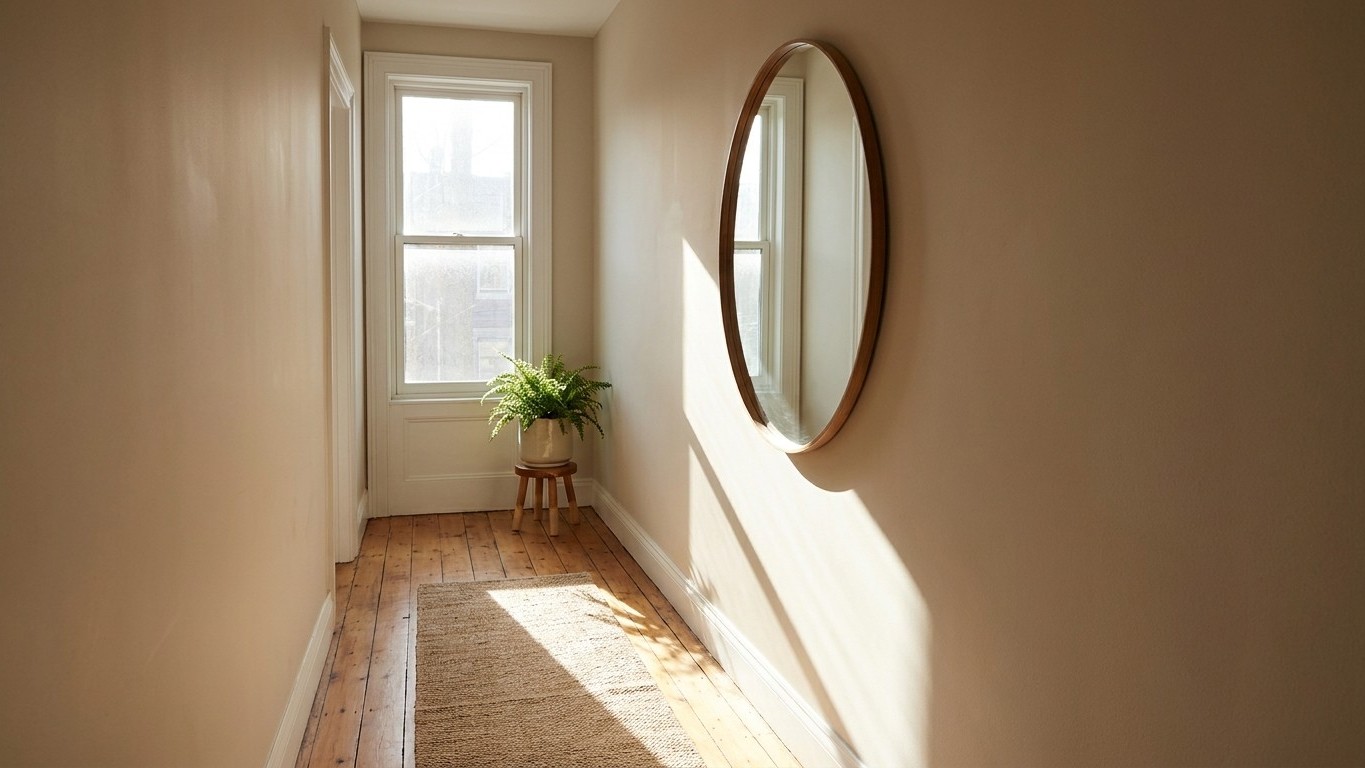
We all keep hanging our mirrors beside the window, when this one position facing the glass is what actually pulls daylight...

Your mirror placement is sabotaging your light. Hanging a mirror opposite a window—not beside it—harnesses the physics of reflection to flood dark corridors with daylight. This simple repositioning trick can transform a dim hallway from needing afternoon lights into staying naturally bright until evening.

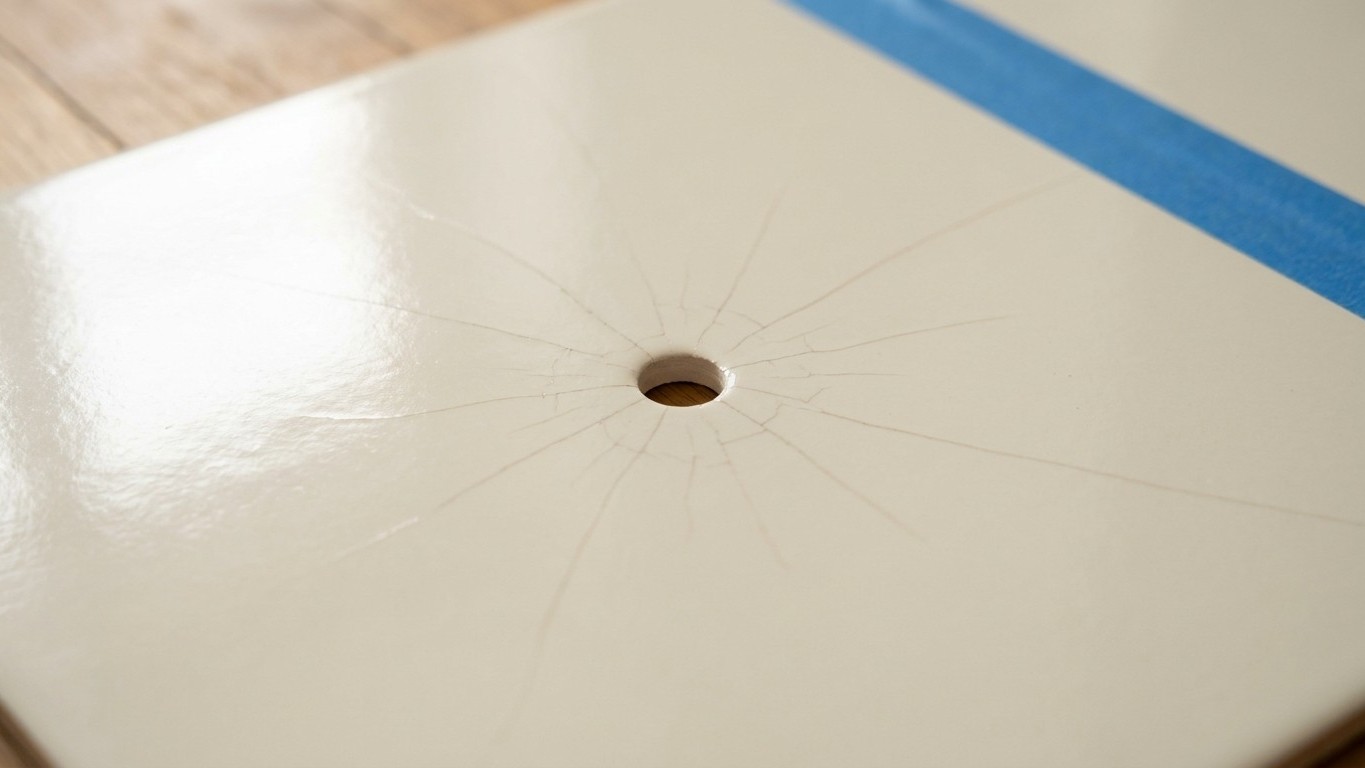
Why drilling tile causes star cracks and how masking tape prevents them

« I thought the tile was just badly fired »: why cracks star out around the hole and what a strip of masking tape does tha...

That starburst crack pattern around your fresh drill hole isn’t a manufacturing defect—it’s physics. Learn why brittle tiles fracture under pressure and how a humble strip of masking tape, the right drill mode, and one surprising cooling technique can save your tile from shattering.

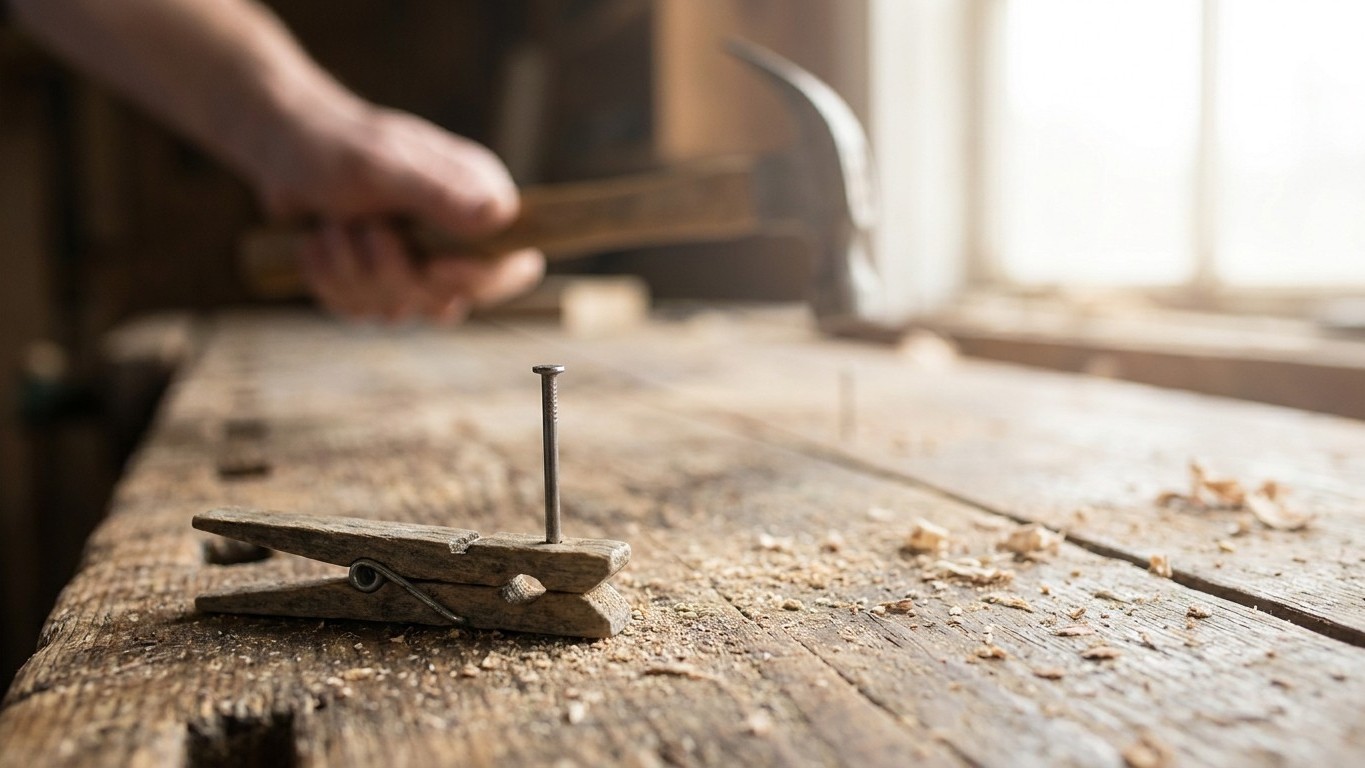
Why a wooden clothes peg is kept in a toolbox for DIY tasks

My grandfather always kept a wooden clothes peg in his toolbox: I laughed for years before understanding why he was right

A single wooden clothes peg tucked in a toolbox might seem like a mistake—until you realize it’s one of the smartest, safest DIY hacks ever invented. This humble kitchen item protects your fingers, handles heat better than metal, and costs almost nothing. Here’s why builders and craftspeople have sworn by it for generations.

How a fridge magnet finds the studs behind plasterboard before hanging

My father always ran a fridge magnet along the wall before hanging anything: I laughed for years before understanding why ...

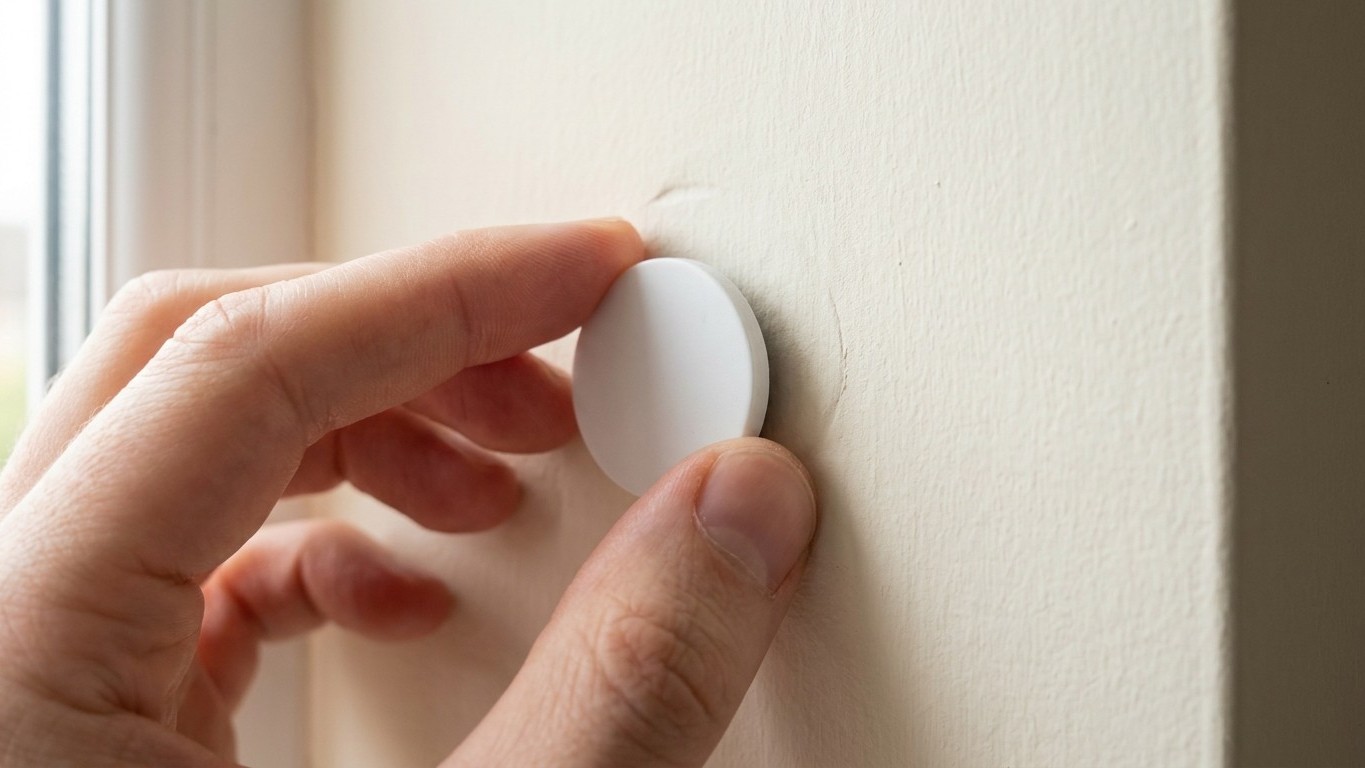
Your father wasn’t being quirky when he dragged a fridge magnet along the wall before hanging anything. He’d cracked a genuinely clever bit of physics that professional decorators still rely on: magnets locate the metal screws holding plasterboard to studs, revealing exactly where your walls can actually support weight.

Why white gloss woodwork turns yellow behind furniture over time

I painted my hallway woodwork in white gloss like everyone else: when I moved the dresser two years later, the colour I fo...

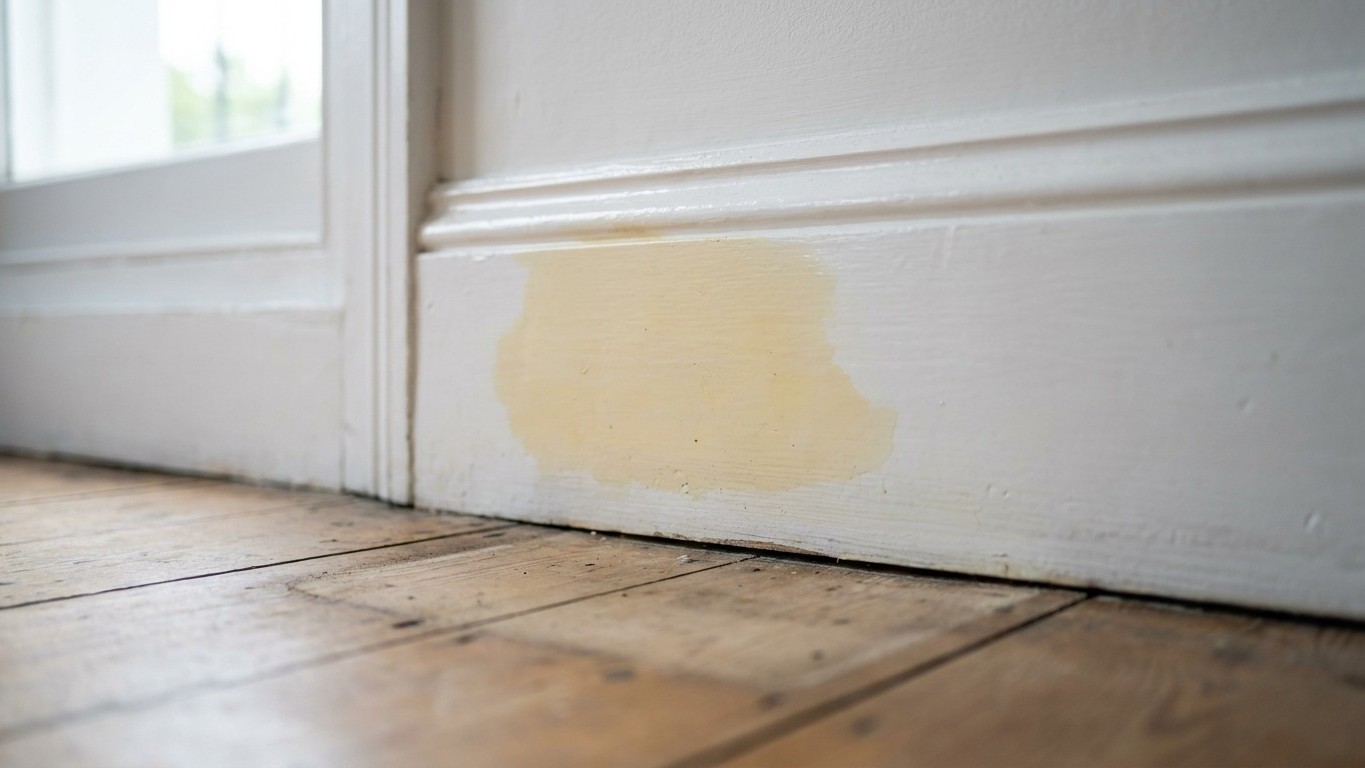
That mustard-yellow patch behind your dresser isn’t permanent damage—it’s chemistry. Oil-based gloss paint yellows when starved of light, and the good news is this might be reversible. Learn what caused it, whether you can fix it, and which modern paints avoid the problem entirely.

Why melamine cabinets need a shellac-based bonding primer before painting

My father never painted a melamine cabinet without one specific product: I laughed at his fussiness for years before under...

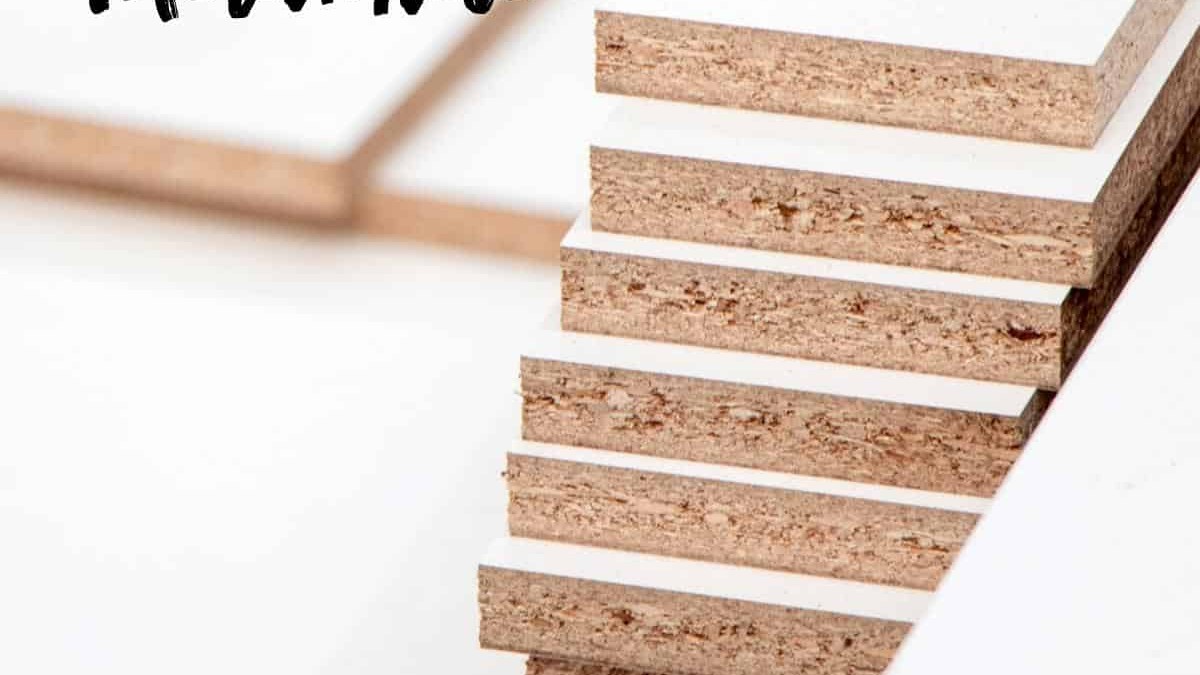
For decades, a father’s unwavering insistence on using one specific primer before painting melamine cabinets seemed like pure stubbornness. The truth reveals a battle between chemistry and shortcuts—and why standard paint simply cannot survive on this engineered surface without the right bonding agent.