
Every single time my father tackled a melamine wardrobe or a set of old kitchen cabinets, out came the same tin: a shellac-based bonding primer, the kind that smells sharp enough to strip paint off your sinuses. I used to roll my eyes. “Dad, it’s just a coat of paint,” I’d say, watching him decant this pungent amber liquid with the seriousness of a scientist mixing something explosive. He’d ignore me, brush in hand, and carry on regardless. Thirty years and several failed DIY attempts of my own later, I finally understand why he never once skipped that step.
Key takeaways
- Melamine is engineered with a wax release agent that makes ordinary paint peel off in sheets within months
- Sanding alone cannot solve the problem because the wax migrates back to the surface after adhesion breaks down
- A shellac-based bonding primer creates the chemical bond that standard primers and paint cannot achieve on slick laminate surfaces
Why melamine treats ordinary paint like an unwelcome guest
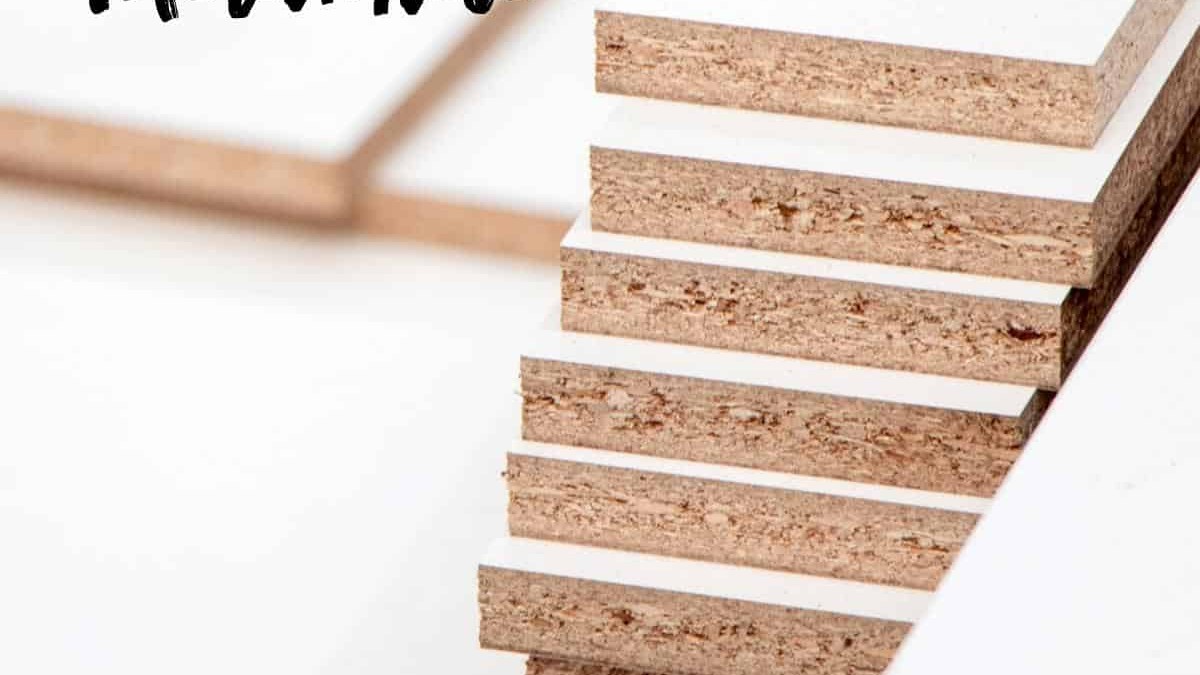
Melamine isn’t wood, however much it might look like it from across the room. It’s made of an inexpensive wood product like MDF and covered in multiple layers of resin-soaked paper, which gives it that smooth finish, scratch resistance, and low price that made it so popular in kitchens from the 1950s onwards. The trouble is that same resin coating is engineered to do exactly what you don’t want when you’re stood there with a paintbrush: it resists things sticking to it.
The technical culprit is a wax release agent baked right into the surface during manufacturing. Melamine is engineered to resist exactly what paint needs to do, stick, and the thermally fused laminate surface has a wax release agent baked into the coating during manufacture, which means any standard latex applied straight to the panel peels off in sheets within six months. Six months. That’s not a typo, and it’s exactly the timeframe my father used to mutter about whenever a neighbour proudly showed off their freshly painted units, only for him to spot the tell-tale bubbling along the door edges a few seasons later.
Sanding alone won’t solve it either, which surprised me when I first read up on this properly. The wax content in the resin is what gives melamine its hand-feel and its paint-resistance, and sanding alone does not solve the problem, because the wax migrates back to the surface even after aggressive sanding unless a bonding primer immediately seals the panel. So all that elbow grease with sandpaper is only half the battle. It creates grip, not a genuine seal.
Mechanical grip versus chemical bond: the bit nobody explains at the DIY shop
There are two ways paint clings to a surface, and melamine only allows one of them. A mechanical bond happens when paint seeps into the tiny pores of a surface like wood or drywall, locking itself in, but melamine has almost no pores, so this can’t happen. That leaves chemical bonding as the only option, and it’s precisely what a proper bonding primer is formulated to do. This is where special primers work their magic, as a high-adhesion bonding primer is chemically made to bite into a slick surface, creating a new layer that your topcoat can stick to for good.
My father’s tin was always something shellac-based, the sort found in most British hardware shops and builders’ merchants, and there’s a good reason professionals still reach for it. A shellac-based primer combines fast dry time, low odour, excellent hide and stain blocking, and it’s known for great adhesion qualities. It’s known in the furniture painting trade as a go-to primer for melamine and laminate, particularly for flat-pack furniture with that same slick laminate finish. The smell, frankly, is the price you pay for something that actually works, and no amount of scented candles afterwards will fully cover it, so crack a window.
If shellac isn’t your thing, water-based bonding primers have come a long way. Modern urethane-based bonding primers provide adhesion as good as shellac but are water-based, meaning less odour and simple soap-and-water cleanup, which makes them a better choice for interior projects in family homes. Either way, the label matters more than the brand loyalty. Standard wall primer, the stuff meant for plasterboard, simply won’t do the job here.
Doing it properly, the way Dad would have wanted
Preparation genuinely is nine-tenths of the job, and it starts with degreasing rather than painting. Kitchen cabinets in particular collect years of cooking residue that no amount of primer can push through. Once that’s done, a light scuff with fine sandpaper roughens the sheen just enough for the primer to grip; sanding overcomes the slickness by lightly abrading the surface, removing the factory sheen and creating tiny scratches that give the primer and paint something to adhere to. You’re not trying to remove the melamine layer itself, just dulling it.
After that comes the primer coat, applied thinly, followed by proper drying time before any topcoat goes anywhere near it. Cutting corners here is where most home projects come unstuck, quite literally. Worth noting, too, that patience pays twice over: even once paint feels dry to the touch, water-based enamel feels dry within hours but takes 2 to 3 weeks to fully cure, so treat those newly painted doors gently for a while before hanging them back on their hinges and slamming them shut with a full weekly shop.
My father never explained the chemistry to me, not because he didn’t know it but because he simply didn’t need to. He just knew, from years of watching other people’s paint jobs fail and his own hold firm, that the tin of primer was non-negotiable. There’s a particular satisfaction in finally understanding the reasoning behind a habit you once thought was pure stubbornness. If you’re eyeing up a tired set of melamine cabinets this weekend, do him the courtesy of buying that extra tin. Your future self, wiping down doors that are still perfectly intact in five years’ time, will thank you for it.
Sources : proworkspainting.com | barrysluxedecorating.co.uk