Why Your Closed Roller Shutters Aren’t Keeping the Heat Out—And How to Fix It
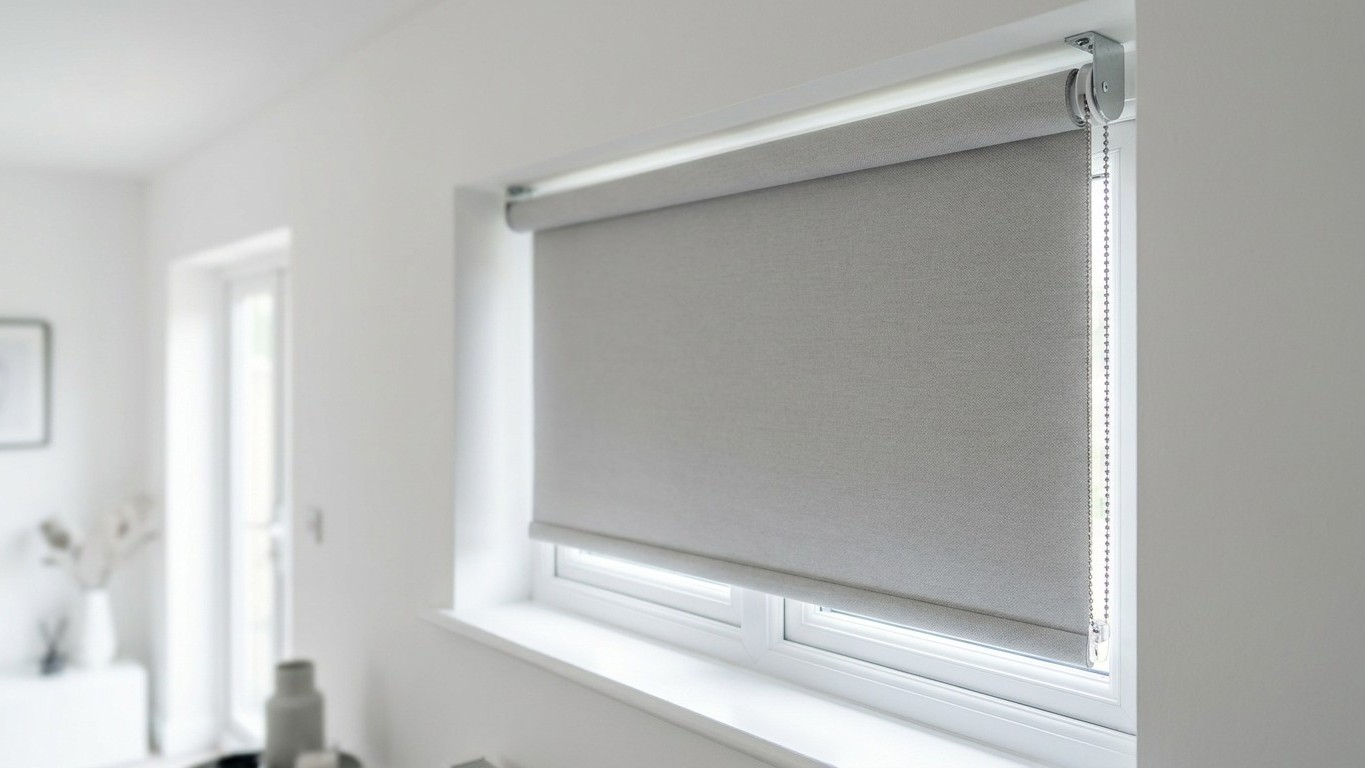
Why Your Closed Roller Shutters Aren't Keeping the Heat Out—And How to Fix It

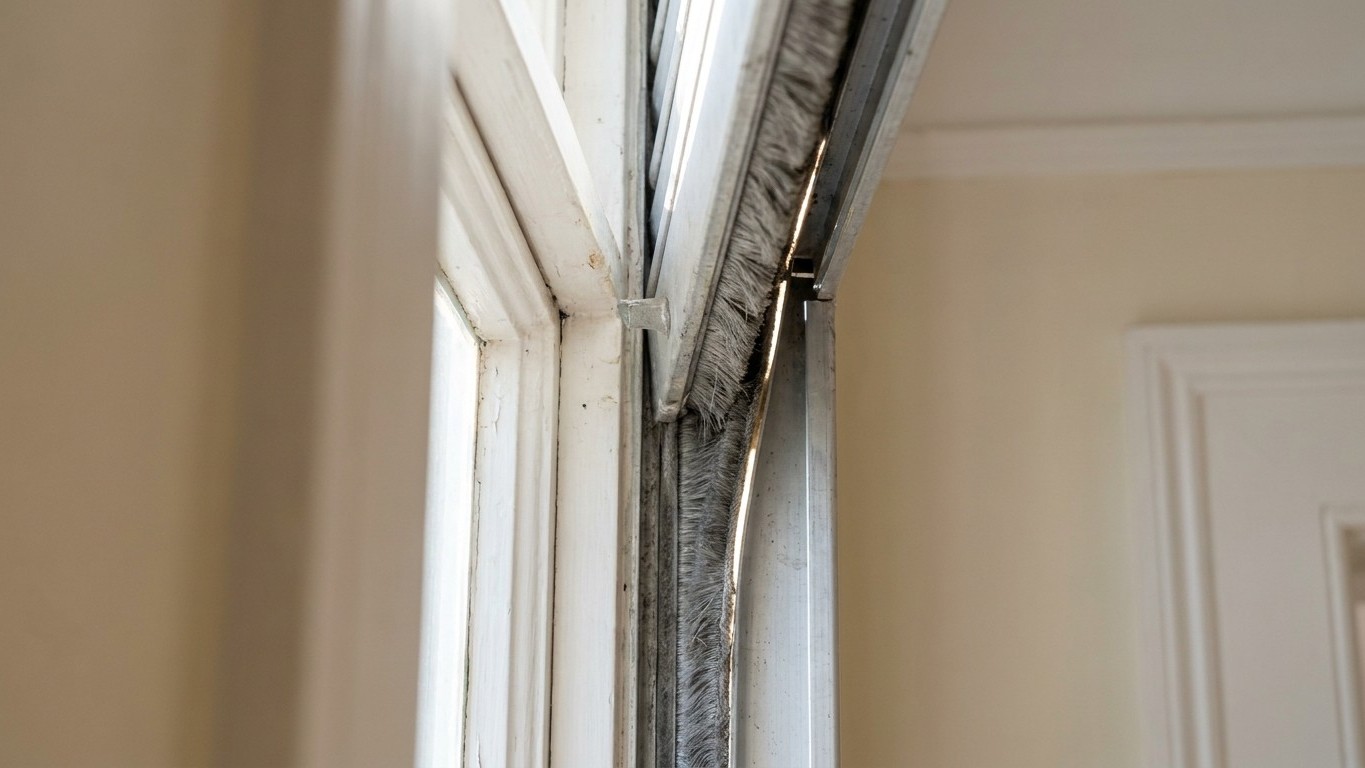
A homeowner’s summer-long battle with indoor heat revealed a surprising truth: the shutters themselves weren’t the problem. Worn seals in the tracks and poorly insulated shutter boxes were letting hot air pour straight through, completely bypassing the insulation they were supposed to provide. The fix? Often just a weekend DIY project.
Why cement mortar damages old Victorian brick walls

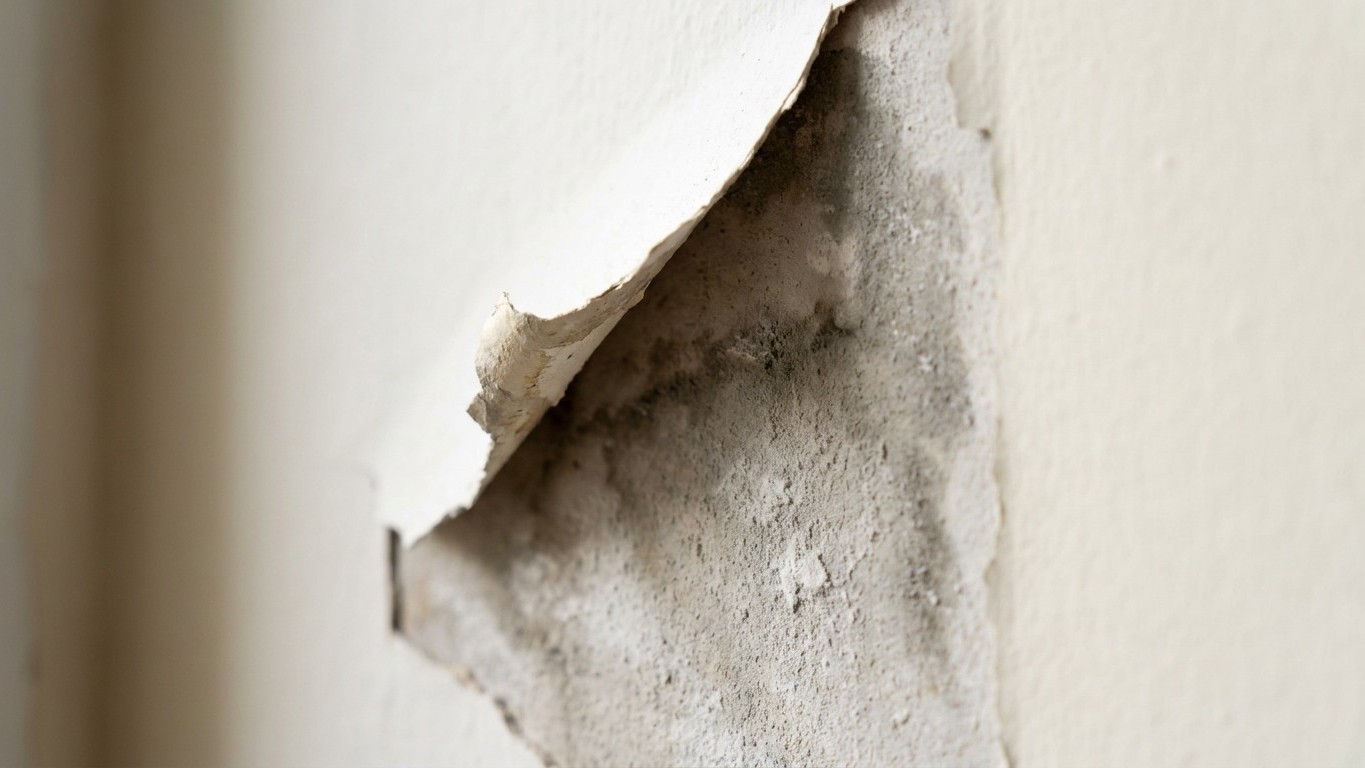
How I Destroyed My Victorian Walls With Cement Mortar—And Why It Happened to Thousands of Others

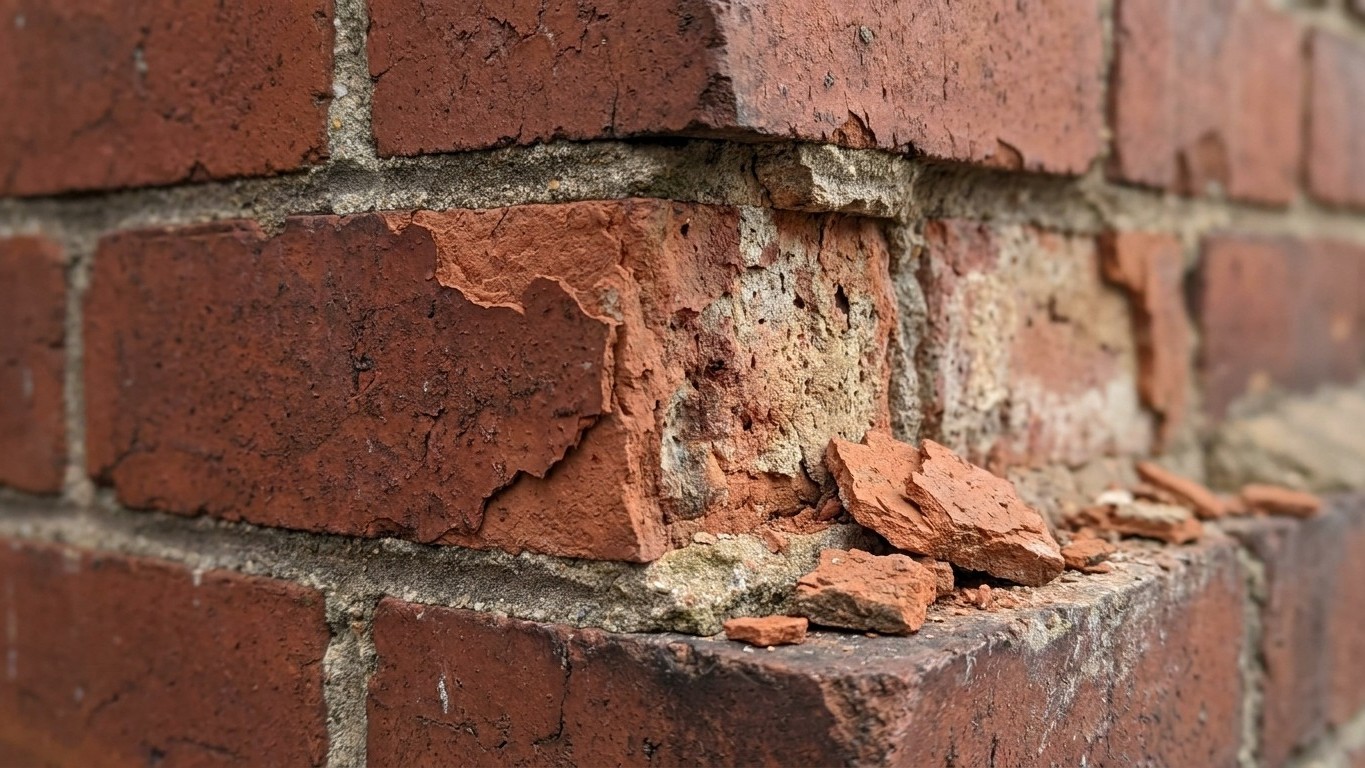
Repointing Victorian brickwork with modern cement mortar seems logical—until your bricks start cracking and spalling. This conservation mistake, repeated across thousands of period homes, costs tens of thousands in remedial work. The solution lies in understanding why the original builders chose soft lime mortar instead.

Why your ceiling fan never cooled you down and which way to set it

The Tiny Switch You've Been Ignoring: Why Your Ceiling Fan Never Cooled You Down This Summer

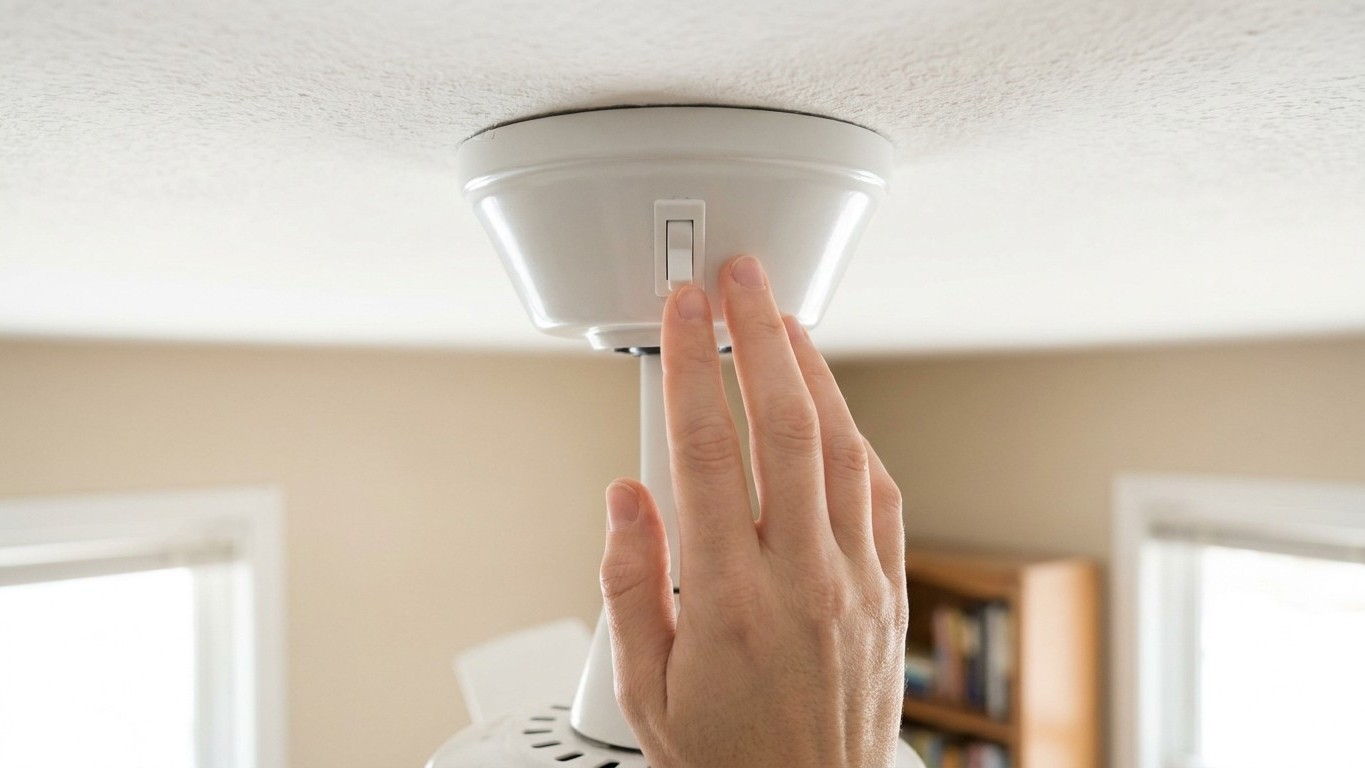
That small plastic switch on your ceiling fan isn’t decorative—it’s the difference between genuine cooling and futile humming. Spinning counterclockwise in summer creates a downward breeze that can make you feel 4°F cooler, while most British homes have had theirs spinning the wrong way all season.

Why opening windows during a heatwave makes your home hotter

Why Your Windows Are Secretly Heating Your Home During a Heatwave

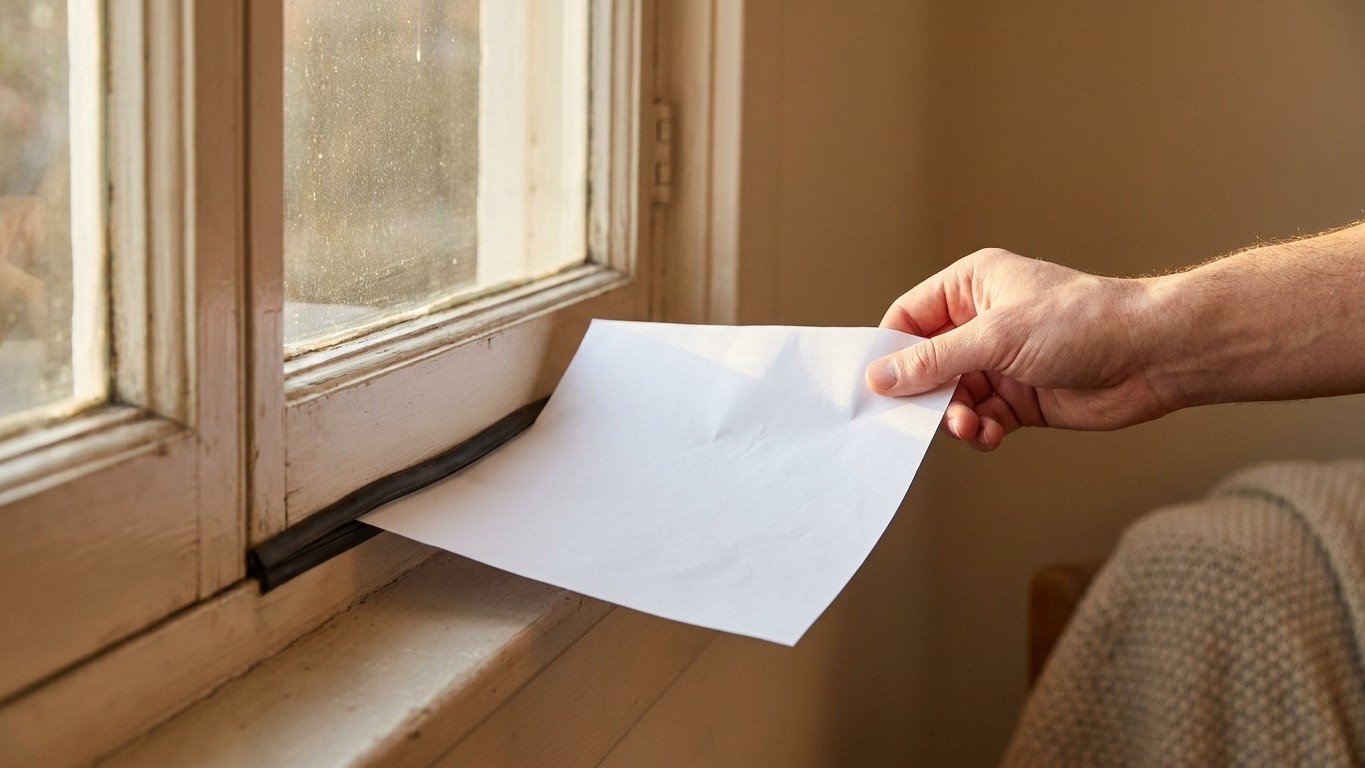
During a British heatwave, opening windows feels instinctive but backfires when outdoor temperatures exceed indoor ones. A simple paper test revealed that invisible gaps in window frames are constantly letting hot air seep inside, undoing all your cooling efforts. Sealing these leaks costs just pounds but saves you all year round.

Why your bathtub silicone keeps splitting and how to fix it

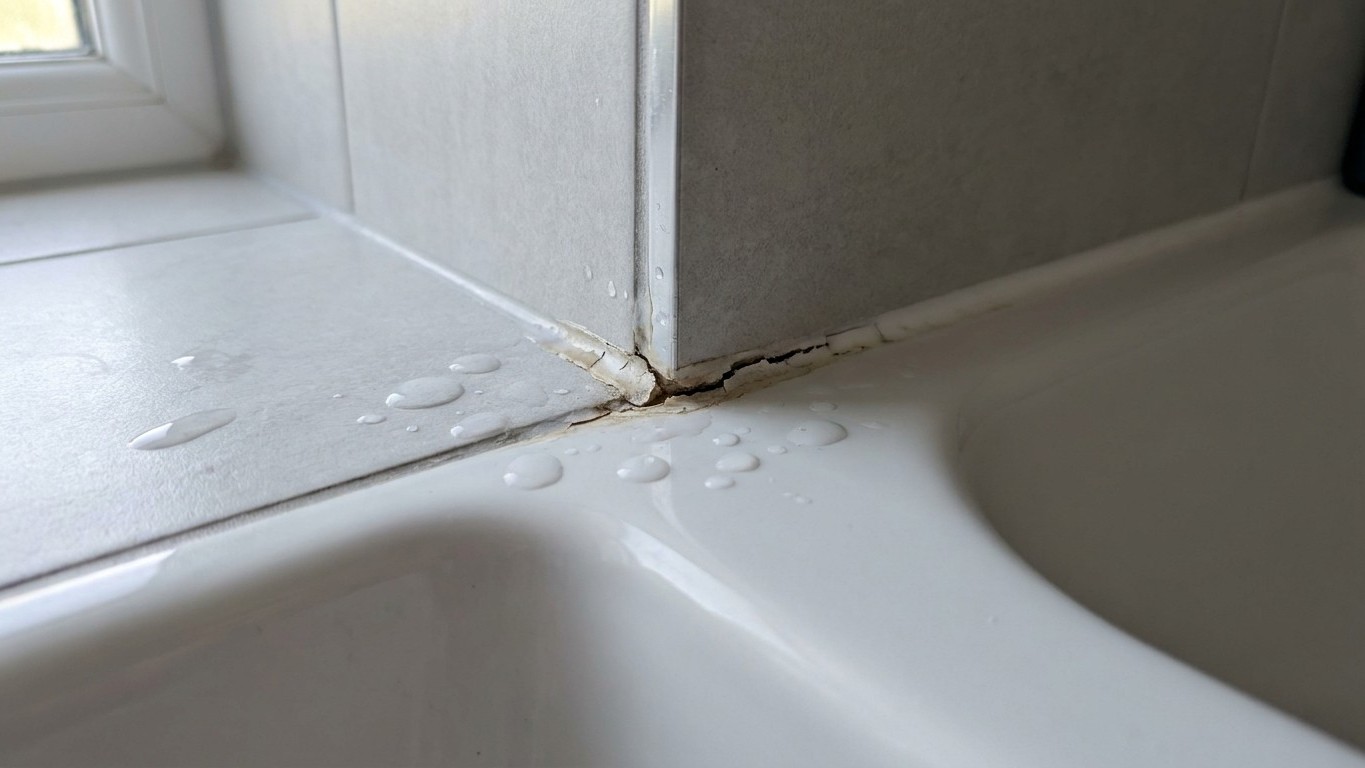
Why Your Bathtub Silicone Keeps Splitting—And the One Simple Fix That Works

Your bathtub silicone keeps failing because you sealed it while the tub was empty. When filled with water, the bath flexes downward, stretching the cured sealant beyond its limits. The solution is surprisingly simple: fill the tub before applying silicone, and you’ll have a seal that actually works.