
The windows were wide open. The temperature outside read 28°C. And yet the house felt like a radiator that had never been switched off. The frustrating truth about keeping cool during a British heatwave is that most of us do almost everything wrong, starting with the very first instinct we have: flinging the windows open and leaving them that way all day.
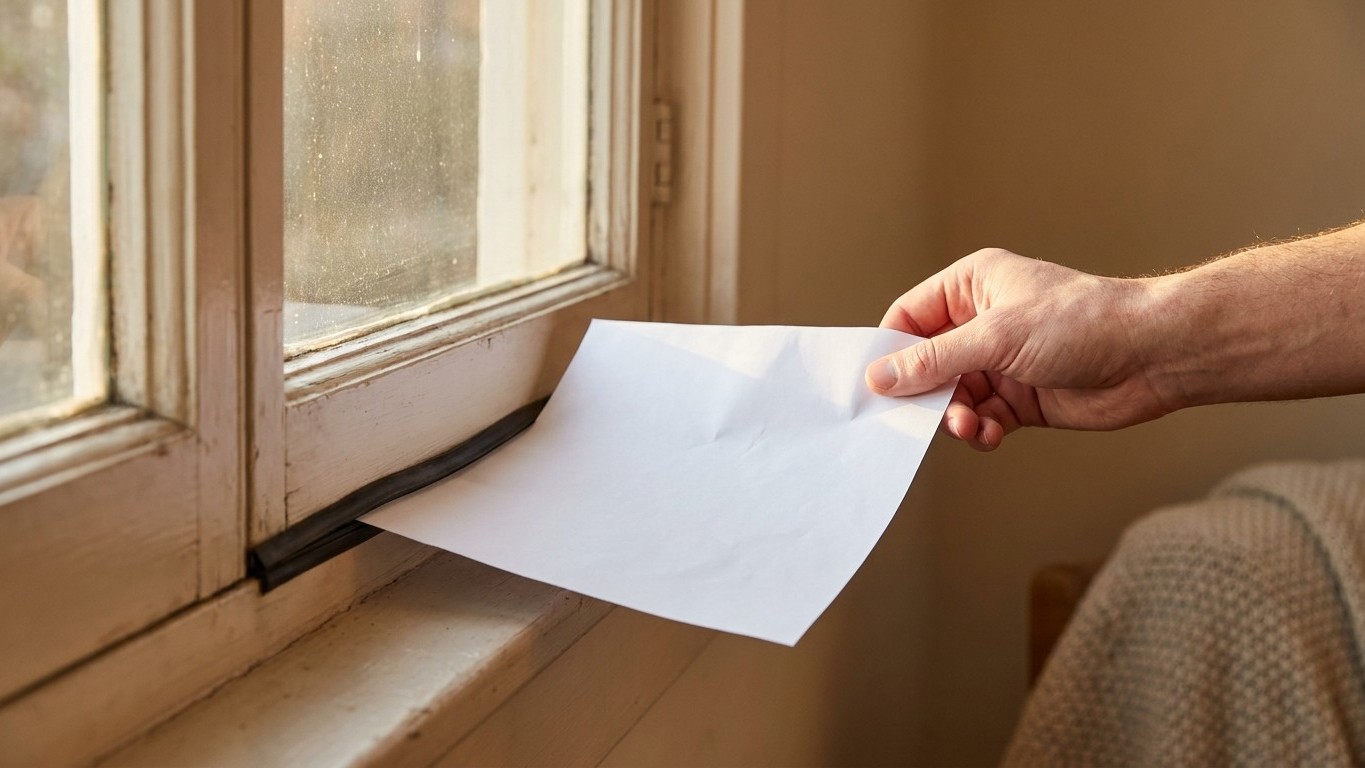
The paper test changed how I thought about all of it. The paper test is a simple way to assess the seal of your windows: place a sheet of paper between the window and the frame, then close and lock the window. If you can pull the paper out easily, the window isn’t sealing properly, suggesting air could be leaking through. When I tried this on three different windows in my semi-detached house, two of them gave up their sheet without the slightest resistance. Not a single bit of drag. The air had been moving freely in and out all along, day and night, regardless of whether the window handle was pointing up or down.
Key takeaways
- A sheet of paper exposed the surprising truth about why one family’s house stayed unbearably hot despite wide-open windows
- The counterintuitive physics of heatwaves: opening windows when it’s hotter outside actually makes cooling harder, not easier
- Tiny, invisible gaps around window frames are silently sabotaging your comfort in summer and bleeding your heating costs in winter
The fundamental mistake we make with open windows
Opening windows during a heatwave feels instinctive, almost obvious. But the physics work against you the moment the outside temperature creeps above what it is indoors. When the temperature outside is higher than inside, opening windows can worsen the situation by bringing hot air into the interior. If there isn’t a decent breeze outside, having your windows open for a long period can increase the temperature in your home rather than reduce it.
The approach That Actually Works is almost the reverse of what we tend to do. One of the times when opening windows is truly beneficial is at night, when the temperature outside drops, allowing cooler air to enter. To maximise this effect, open windows in the evening and close them in the morning before the temperature rises again. During the hottest parts of the day, it is best to close windows to keep the warmer air out. This is not a modern insight, by the way. Anyone who has spent time in southern Europe or North Africa will recognise it immediately. Shutters pulled closed at noon. Windows sealed until the evening cools. In hotter countries it is common practice to block the sun out completely during the day, and there is a very good reason they insist on keeping their windows closed.
The problem in Britain is that we have no cultural habit of doing this, and our homes are not designed for it. A growing concern in UK homes is overheating. In 2022, an Arup report commissioned by the Climate Change Committee projected that around 90% of the existing housing stock could be at risk if average temperatures rise by 2°C. We build for cold. We insulate for cold. And then we are baffled when a warm July turns the living room into a slow cooker.
Why gaps in the frame are just as much the problem in summer as in winter
Here is what the paper test really reveals: the Energy Saving Trust estimates that UK households lose around 15–20% of their heat through gaps around windows and doors. For older, single-glazed sash windows, this figure can jump to a staggering 40% of total heat loss. In winter, those statistics are presented as a reason to seal up your home and save on heating bills. But the same gaps that let your expensive warmth out in January are letting the baking outdoor air straight in during August.
After radiation, air leakage is probably the biggest contributor to heat loss from existing windows, particularly in older or badly installed windows. The word “leakage” here cuts both ways. Air doesn’t know what season it is. It flows through any gap available, and during a heatwave, that means a constant trickle of hot outdoor air seeping into a space you’ve been trying desperately to keep cool, even with the handle turned firmly shut.
Over time, the airtight seal around a window frame can deteriorate. This seal is designed to prevent air leaks, so when it breaks down, cold air can enter and warm air escapes. Older timber windows are particularly susceptible. Older windows, especially timber ones, can warp over time due to changing outside temperatures and moisture, creating gaps that are irregular, hard to spot visually, and almost impossible to feel by hand on a calm day. The paper test bypasses all of that guesswork entirely.
There is another useful method if you want to go further. Hold a lit candle or incense stick near the edges of your windows, paying close attention to the areas where the window meets the frame and where the frame meets the wall. If the flame flickers or the smoke wavers, it indicates the presence of an air leak. Do this on a warmish evening with the window closed, and you may be surprised by what moves.
What to do once you’ve found the gaps
The good news is that fixing draught leakage around window frames is one of the cheapest home improvements you can make, and it pays back in both summer and winter. Simple DIY draught-proofing can deliver annual savings that often pay for the materials in just one heating season. Those foam or rubber strip kits, costing just a few pounds per window, can seal up dozens of tiny gaps that, when added together, let out a staggering amount of heat.
Strip insulation for doors and windows is a sensible and inexpensive option to prevent draughts. There are a wide variety of draught strips available, and you should be able to find ones which will stop air seeping or blowing in between your opening casements and the fixed window pane. For the junction between the frame and the surrounding wall, draughts also occur in cracks between the window frames and the surrounding walls, and you can use sealant or putty there.
On top of sealing, curtains do more work than most people credit them with. Closing blinds and curtains during the day can block out direct sunlight, reducing indoor heat gain. Opting for reflective or blackout curtains maximises this effect. Insulation slows the transfer of all heat, meaning it can keep heat out just as well as it keeps heat in. The same heavy lined curtains you shut on a cold January night are perfectly suited to keeping the sun off a south-facing window in July.
One important nuance: cutting draughts helps reduce heat loss, making your home more comfortable and lowering heating demand, but good ventilation is still essential, so you shouldn’t block vents, chimneys or airflow needed for safety and air quality. A draught is uncontrolled ventilation, letting air rush in at random. Good ventilation is controlled, about swapping stale, humid air for fresh air without creating cold spots. Trickle vents, extractor fans in kitchens and bathrooms, and a deliberately opened window at the right time of day are all forms of controlled ventilation. A rotting rubber seal on a window frame is not.
The thermal mass in your walls and floors, all that brick and plaster and solid flooring, absorbs heat gradually during the day and releases it slowly at night. On a warm summer day, the thermal mass will absorb the heat at their surface, storing it until it is exposed to cooler air later on as night approaches. The thermal mass responds naturally to the changing temperatures, allowing the building to maintain a more stable indoor environment. That mechanism only works, though, if you are not constantly feeding it fresh hot air through a gap you didn’t know you had. Close the windows by mid-morning. Seal the frames properly. And wait for sundown before you open them again. The house will surprise you.
Sources : scotsman.com | kjmgroup.co.uk