
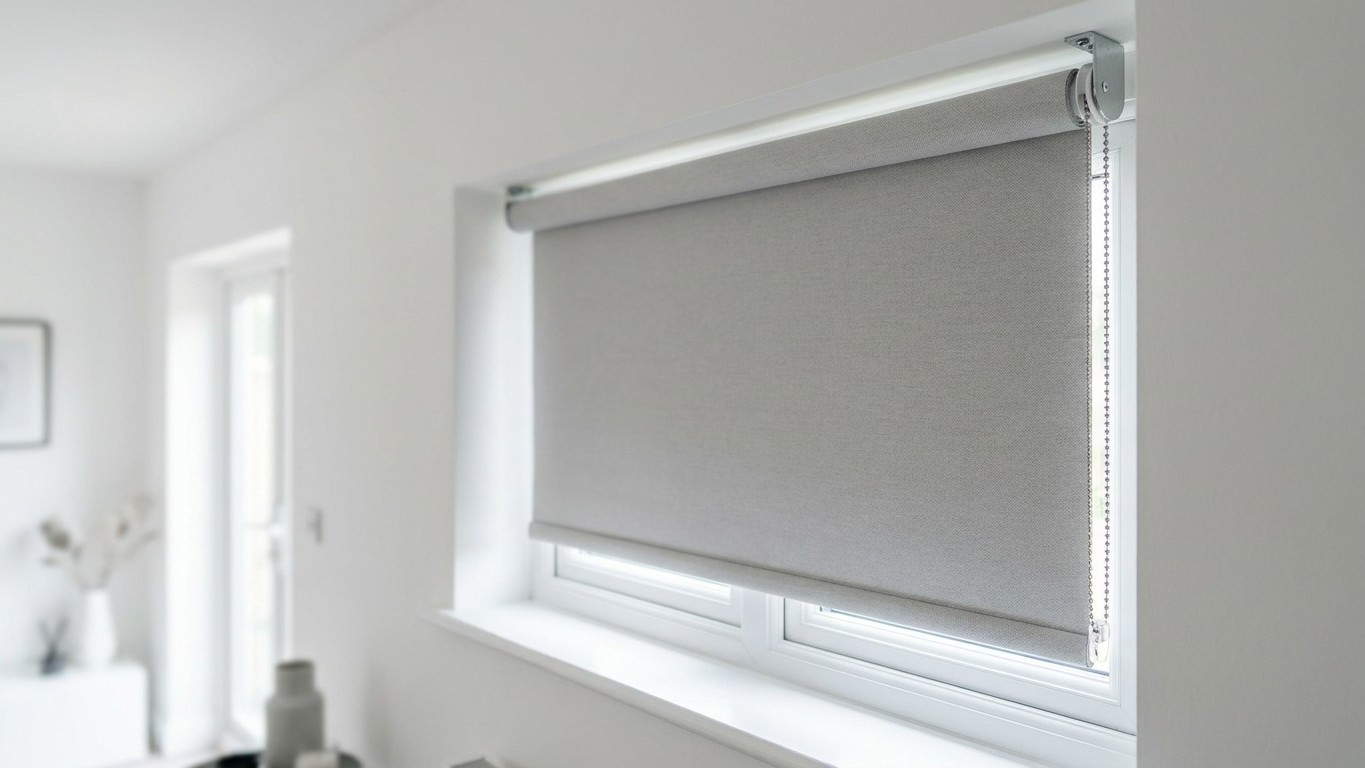
For years, like many of us, I thought hanging blinds meant one thing: grab the drill, make some holes in the wall above the window, plug and screw in a couple of brackets, and hope for the best. Job done. Except it wasn’t quite done, was it? The blind never sat quite right, there were odd gaps of light at the sides, and those holes were permanent, silent little witnesses to every decorating regret. Then a fitter came round to sort a set of blinds in the kitchen, and within about ten minutes, without a single drill bit in sight, the window looked like the blind had always been there. That was the moment I realised I’d been going about the whole thing the wrong way for years.
Key takeaways
- Most people don’t know there’s a choice between hanging blinds inside or outside the window recess—and it completely changes the result
- Drilling into uPVC windows (which most UK homes have) can permanently void your warranty without you realizing it
- Professional fitters use methods that require zero drilling, cost less, and deliver that perfectly fitted look you see in homes that ‘always look right’
The Question Nobody Thinks to Ask: Inside or Outside the Recess?
Before you even think about fixings, there’s a fundamental choice that most people skip entirely. One of the big decisions when fitting blinds is where you want them to sit: inside or outside the window recess. The window recess is the area where the window is set back into the wall, and as long as it’s a decent depth, you have the choice to hang blinds within the recess or on the outside.
Most people who reach for the drill are going for the outside option, fixing brackets to the wall or the face of the window surround. That’s perfectly valid in certain situations, but it’s not always the right choice. Blinds fitted outside the recess can be retracted so as not to cover any window space, letting in all available light — especially useful if you only have small windows. On the other hand, blinds fitted outside of the recess can make a room feel smaller, so it’s not ideal for rooms that already feel a little cramped.
Fitting inside the recess gives a much neater, built-in result. An inside mount is the best option when the window recess has sufficient depth to hold the blind without any blockages, it creates a sleek, built-in look and keeps the blind within the architecture of the window. There is a minimum depth to bear in mind: shallow recesses of a smaller depth than 7.5 cm cannot be furnished with blinds inside the recess, and in these cases, hanging them outside is more appropriate.
The type of blind matters too. For Venetian, roller and vertical blinds, the recommendation is to hang them from within the recess. Roman blinds, however, are better suited outside the recess, as they allow more light to enter the room. Measuring correctly is non-negotiable whichever route you choose: it’s recommended to take three width measurements, at the top, middle, and bottom of the recess, and three drop measurements at the left, centre, and right. Use the narrowest width reading for an inside fit, and the largest drop measurement. A small error here and your beautifully ordered blind won’t open and close properly.
The Hidden Risk of Drilling Into uPVC Frames
Here’s the thing many of us never knew: most homes in the UK now have uPVC windows, and drilling into them to hang blinds is genuinely a bad idea. Drilling into uPVC is problematic because the material can crack under pressure, fixings don’t bite into it the way they do into masonry, and most uPVC frame manufacturers state clearly that drilling voids the weatherproofing warranty. So by doing what seemed like the obvious DIY job, plenty of homeowners have been quietly voiding their window warranties without ever realising it.
In some cases, drilling into uPVC may void warranties or compromise the frame’s integrity, especially with double glazing. There’s also the potential for awkward gaps, poor light control, or blinds that don’t sit quite right if they’re not properly matched to the window’s design. For renters, the stakes are even higher. uPVC windows in rented properties are typically covered by the landlord’s building warranty, and any unauthorised drilling may be considered damage that the tenant is liable to pay for.
Even on a straightforward plastered wall, the type where drilling is perfectly safe, there are common mistakes that lead to a wobbly, uneven result. Failing to use a spirit level is the classic blunder. Getting the bracket spacing wrong is another. And drilling at even a slight angle means the bracket won’t sit flush, which in turn means the blind hangs at an odd tilt. None of these are catastrophic, but they’re entirely avoidable.
The Methods That Make Drilling Unnecessary
The good news is that for modern homes with uPVC windows, there are several purpose-built alternatives that a professional fitter will reach for first, and they’re genuinely simpler than anything involving a drill.
The most elegant solution for uPVC windows is the Perfect Fit system. Perfect Fit uses a frame to house a blind. The frame “clicks” directly into the rubber beading of a uPVC or aluminium window, and because the blind is contained within its own frame, it becomes an integral part of the window. The result is a blind that sits precisely within the frame, with no gap at the sides and no light leakage around the edges. When the window is opened, the blind moves with it, which matters particularly for tilt-and-turn windows, where a conventional blind would jam or fall every time you wanted ventilation.
Perfect Fit blinds do not void your uPVC window warranty, as they require no drilling or permanent fixings to the frame. They clip into the rubber beading around the glass, making them one of the safest options available for preserving your warranty. They are available in roller, pleated, Venetian, and honeycomb formats, all compatible with standard double-glazed uPVC windows with a rubber gasket. Worth noting: the Perfect Fit frame is quite bulky and covers more glazing than a recess-fitted blind, making the window look slightly smaller, so it’s worth ordering fabric samples before committing.
For smaller windows or situations where you simply want a quick, reversible solution, tension rod systems are another option. Tension rod systems rely on outward pressure, friction, to hold the blind in place, and they are popular for simple roller blinds and smaller openings. The limitations are width and weight: tension rods are generally most effective on windows up to around 90 to 100 cm wide. On wider windows, the rod may sag in the middle, causing the blind to hang unevenly.
Adhesive-backed brackets offer a third route for lightweight blinds on smooth surfaces. For best results, clean the surfaces thoroughly, making sure they are free of dust, dirt and grease, then wipe dry, the surface must be smooth and perfectly flat. Crucially, follow manufacturer instructions precisely regarding curing times. Rushing installation by hanging blinds before the adhesive fully sets risks failure — the patience allowing proper curing pays off through reliable long-term performance. Adhesive can also be less reliable in humid or very hot rooms, so it’s worth thinking twice before using this method in a bathroom or kitchen above the hob.
Getting It Right From the Start
The single biggest lesson from watching a fitter work is that preparation takes longer than the installation itself. The measuring, the checking of recess depth, the decision between inside and outside fit, all of that happens before a single bracket is touched. A blind fitted inside a window recess will be a little smaller than one fitted outside, and this is a decision you need to make at the point that you measure up and order — you can’t try out both options when your blind arrives. There is no correcting it after the fact without reordering.
When fitting outside the recess, it’s recommended to allow your blinds to overlap your recess or window frame by at least 35mm on all sides to ensure good coverage. And if you’re mounting inside the recess, maintain a standard fitting distance of 25 to 50 mm from the glass for the best insulation, fit, and look. Most installers aim for around 25–50 mm clearance from the glass, which ensures minimal spaces where light can seep through and improves insulation by reducing the air gap.
One detail that surprises many people: drilling into uPVC frames can void the manufacturer’s warranty on your windows, and most non-drill systems, especially Perfect Fit, are inherently cordless, eliminating the risks associated with hanging cords, a genuine child safety consideration that’s easy to overlook when you’re focused purely on getting the blind up. So choosing the right fitting method isn’t just about the wall. It’s about the window, the room, and how the household actually lives in it.
Sources : 1clickblinds.co.uk | yourblindsdirect.co.uk