Why Cement Mortar Is Destroying Your Victorian Bricks: The Costly Mistake Homeowners Keep Making

Why Cement Mortar Is Destroying Your Victorian Bricks: The Costly Mistake Homeowners Keep Making

Repointing a Victorian wall with cement mortar seems like a sensible repair—until frost arrives. Two winters later, brick faces crumble in your hands. The problem isn’t the bricks; it’s a fundamental mismatch between modern cement and historic masonry that traps moisture and guarantees spalling.

Why Your Garden Tap Keeps Dripping Every Spring — And the Real Fix That Lasts

Why Your Garden Tap Keeps Dripping Every Spring — And the Real Fix That Lasts

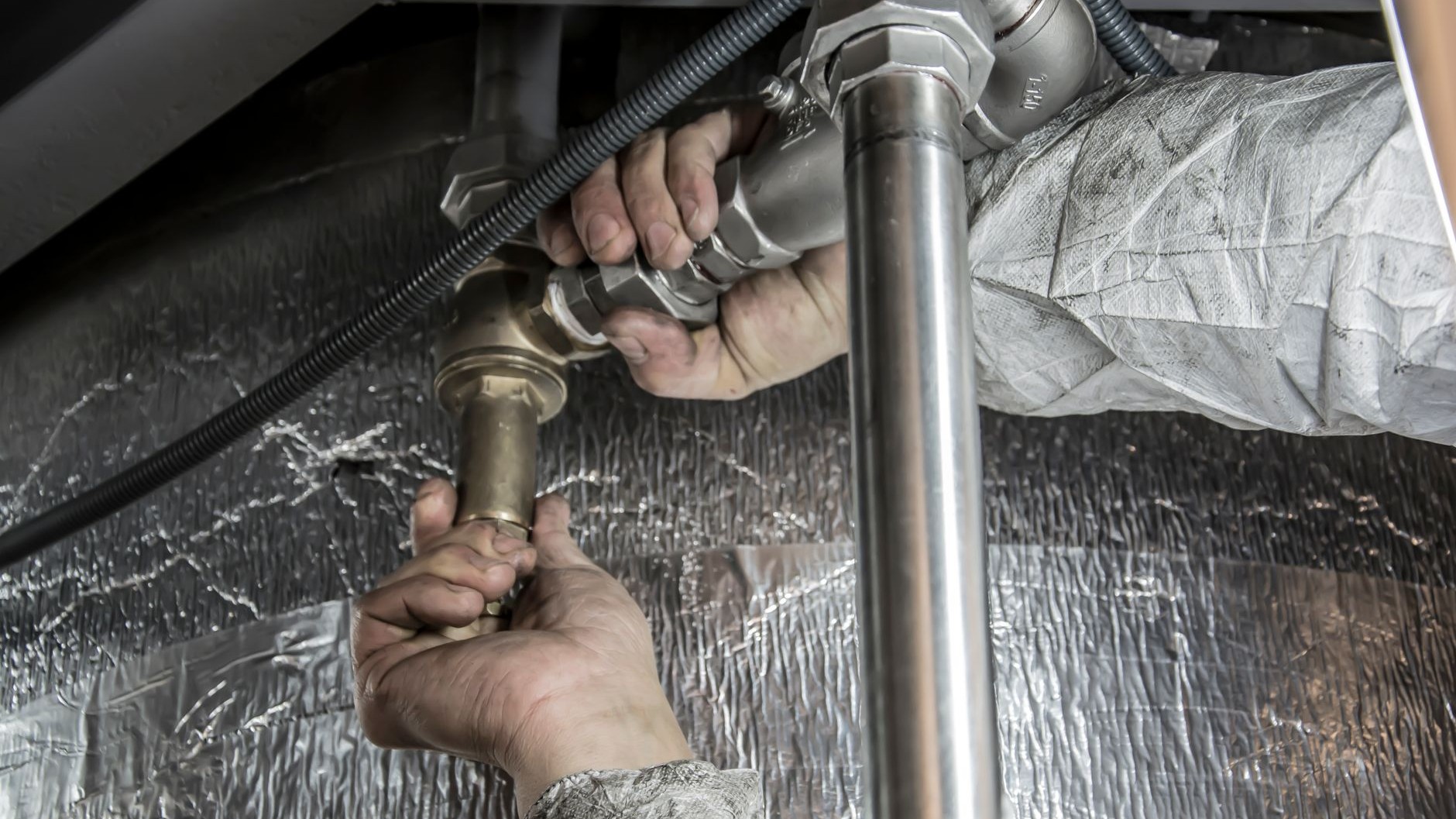
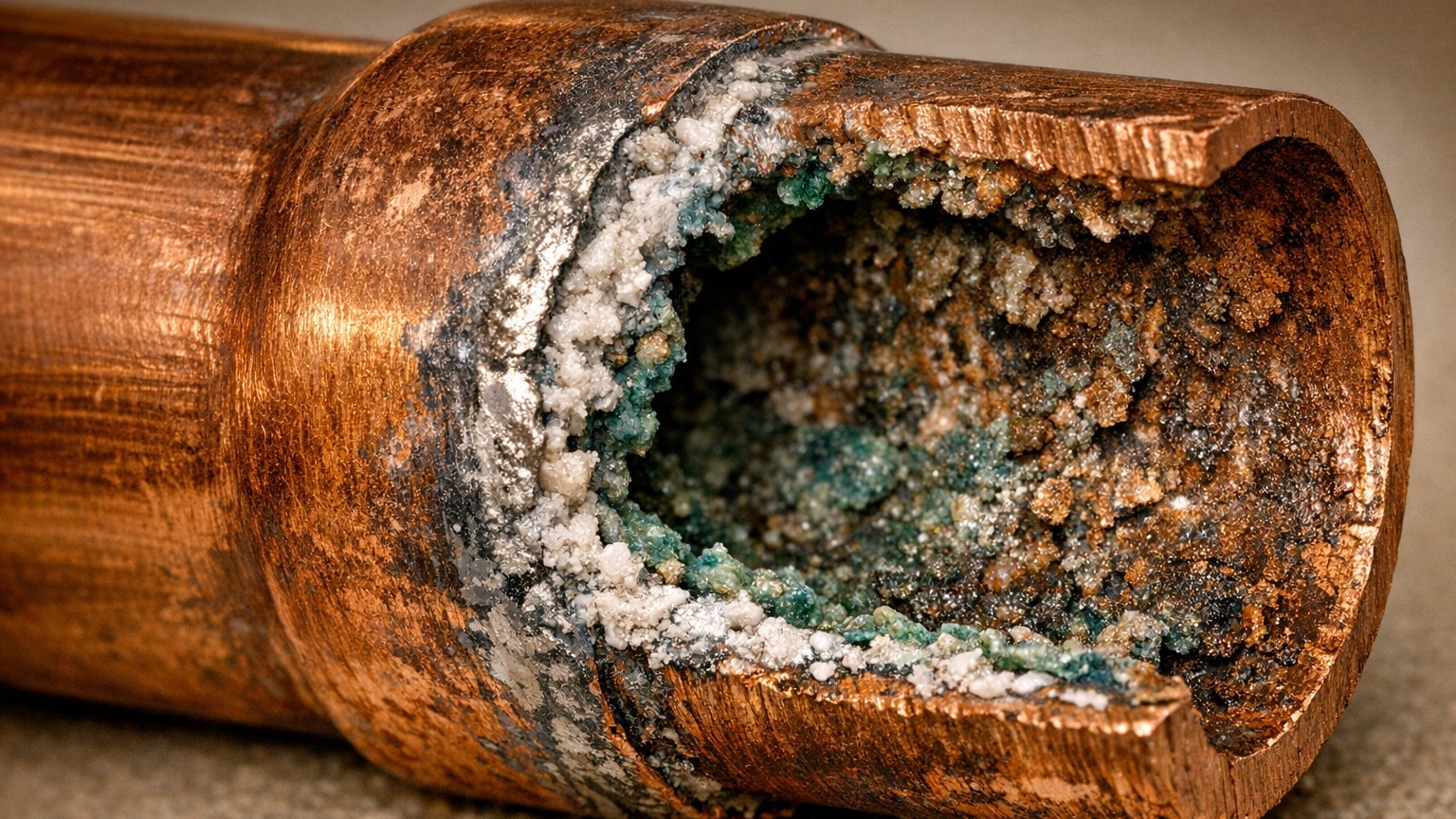
You’ve been replacing that washer every spring, but a plumber’s simple touch taught a surprising lesson: the problem isn’t the washer at all. Inside your tap, invisible damage is being caused by water pressure itself, and understanding this changes everything about how you fix it.

Why Italian Showers Fail: What Tilers Discover Beneath the Surface

Why Italian Showers Fail: What Tilers Discover Beneath the Surface

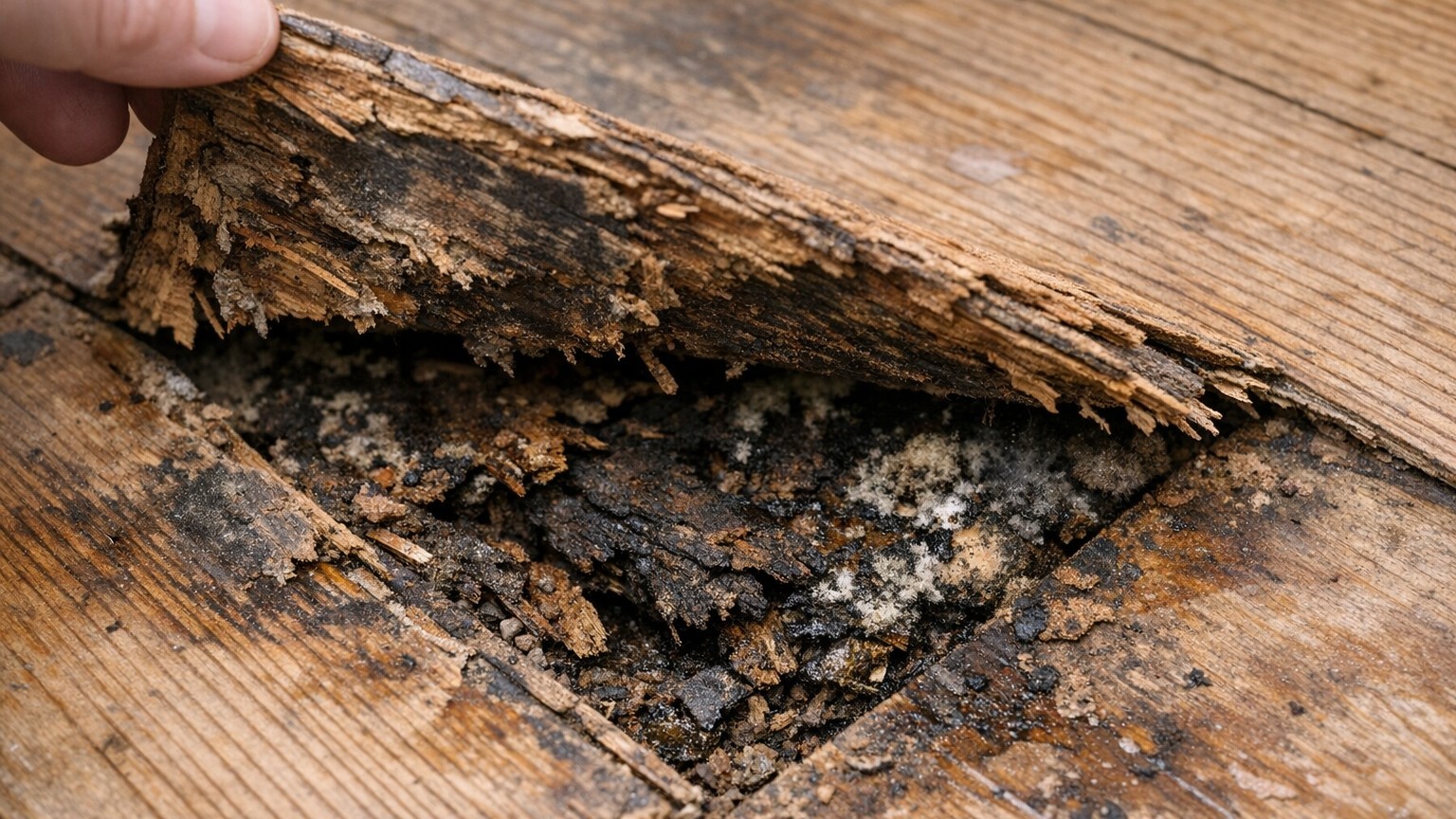
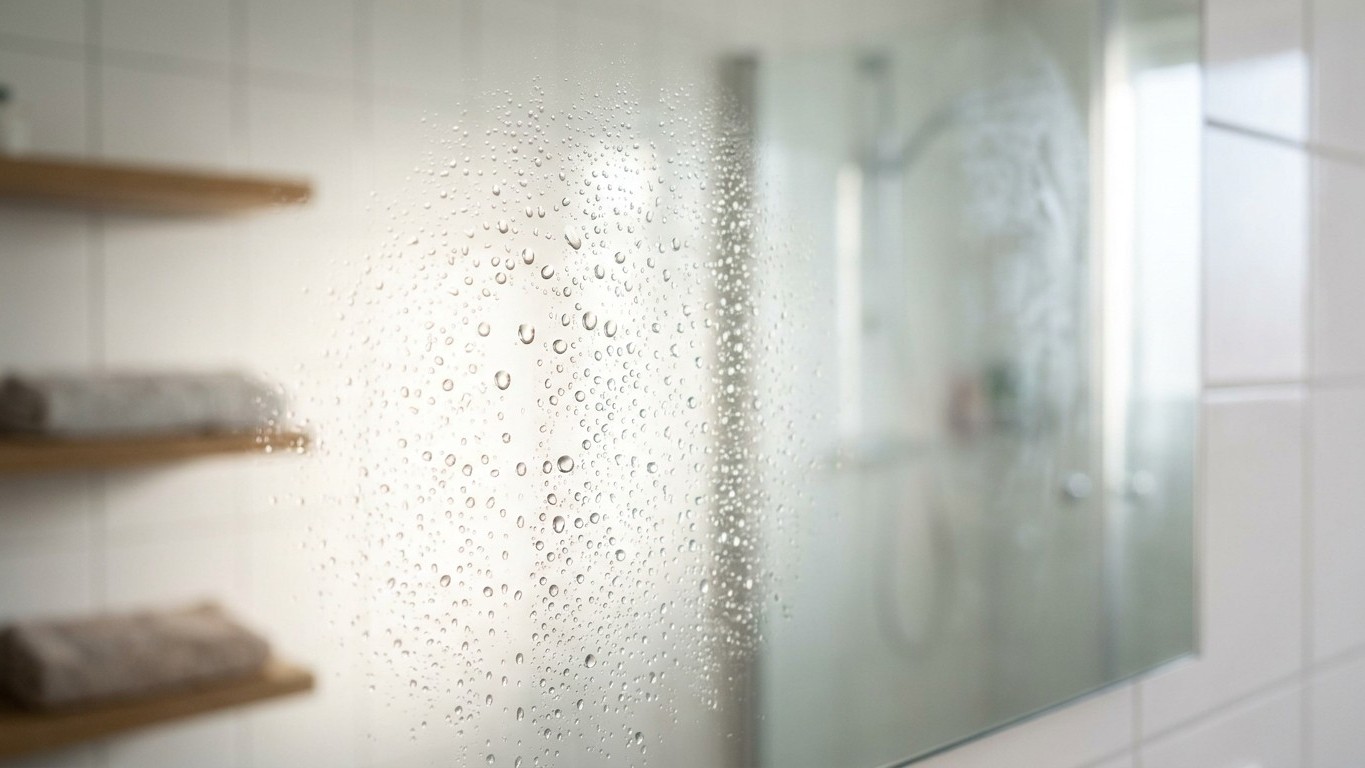
The Italian shower looks sleek and modern, but tilers repeatedly find the same nightmare beneath: rotted joists, saturated subfloors, and structural damage that went unnoticed. The culprit isn’t the design—it’s the dangerous assumption that tiles alone are waterproof. Without proper tanking membranes, these showers become hidden disaster zones.

11 Years of Painted-Over Windows: The Ventilation Secret You’ve Been Missing

11 Years of Painted-Over Windows: The Ventilation Secret You've Been Missing

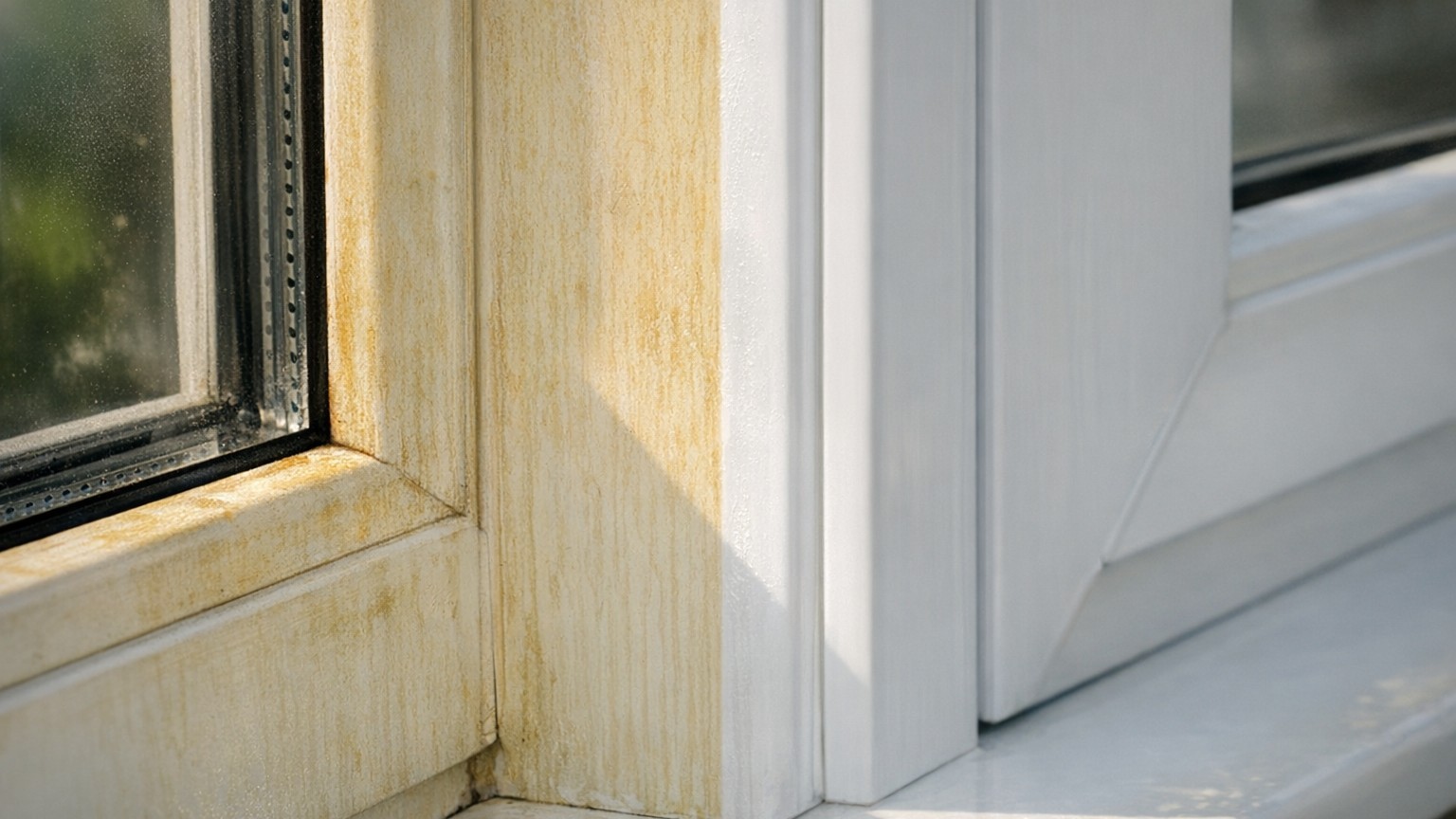
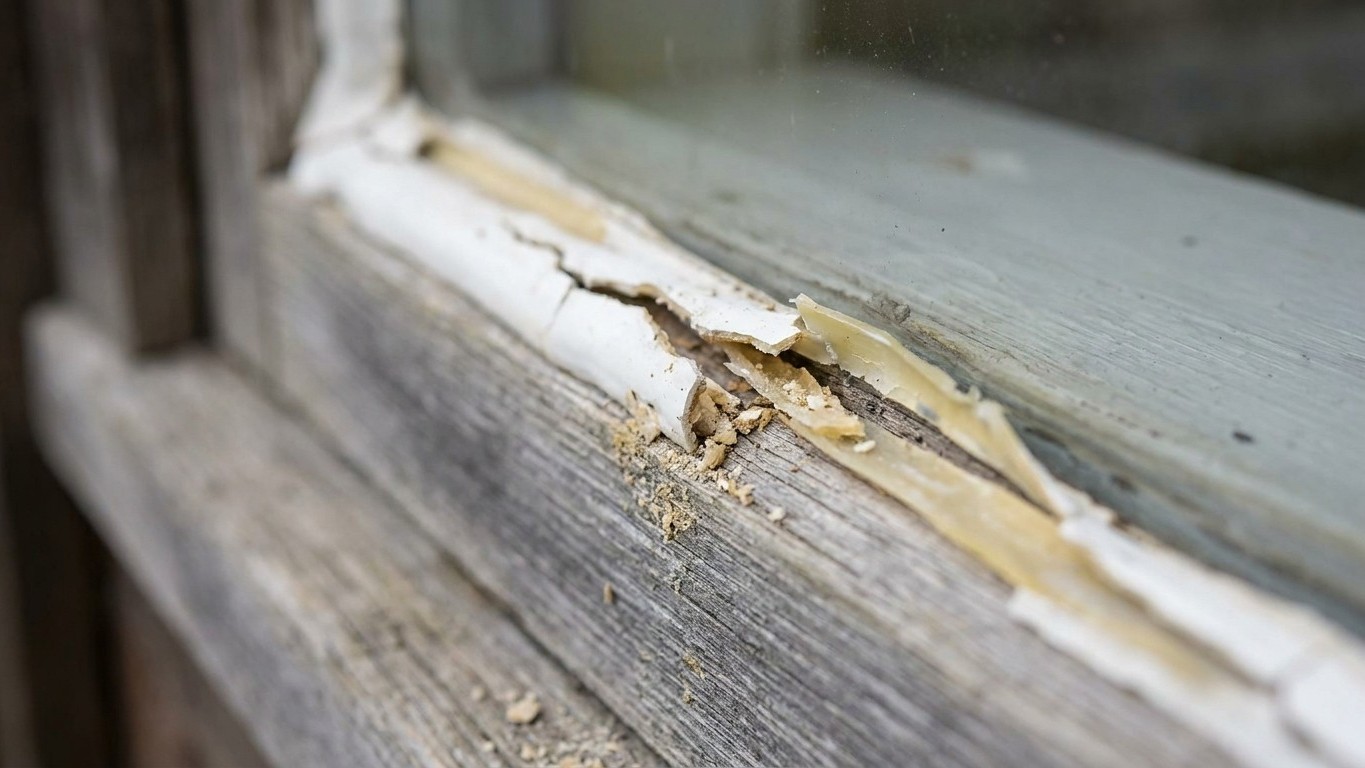
That small slot along your window frame isn’t a manufacturing flaw—it’s a trickle vent designed to prevent damp and mould. Most homeowners paint it shut without realizing, blocking crucial ventilation that keeps moisture levels healthy. Here’s how to find yours and restore it.

The Hidden Danger Behind Your Picture-Perfect Ivy-Covered Walls

The Hidden Danger Behind Your Picture-Perfect Ivy-Covered Walls

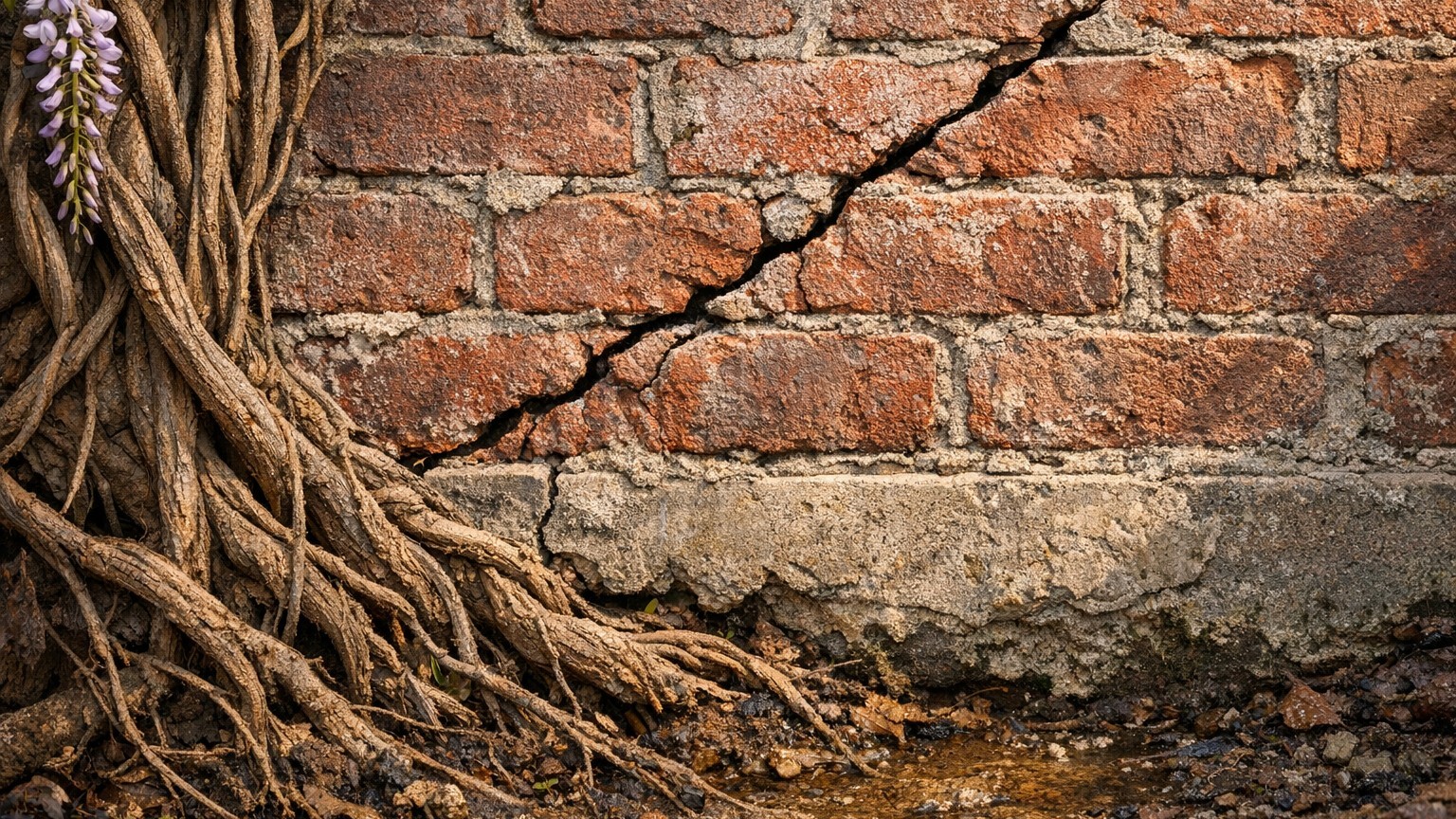
That charming ivy clothing your Victorian home may be quietly destroying the mortar beneath, invisible until catastrophic failure strikes. While ivy’s aerial roots are relatively harmless on sound masonry, aggressive root systems and hidden water damage pose serious risks to older buildings. Understanding when ivy becomes dangerous—and how to remove it safely—is essential for protecting your property.

One Drill Hole Revealed a Hidden Problem — Here’s What the Structural Engineer Found

One Drill Hole Revealed a Hidden Problem — Here's What the Structural Engineer Found

A single hole drilled for shelves revealed a crack that looked minor — until a structural engineer’s visit turned it into an expensive wake-up call. This guide reveals what hidden damage looks like, how to assess the real risk, and when that £300 inspection might save you thousands.

Stop Using Wood Glue on PVC Pipes—Your Joints Are Failing Right Now

Stop Using Wood Glue on PVC Pipes—Your Joints Are Failing Right Now

Wood glue creates no real bond with PVC pipe—it merely sits on the surface until water pressure causes invisible micro-failures. Plumbers warn that joints can deteriorate behind walls for weeks before leaks appear. Discover the chemistry behind the failure and the proper solvent-weld technique that creates molecular fusion instead.

The Disgusting Secret Hidden Inside Your Washing Machine’s Detergent Drawer

The Disgusting Secret Hidden Inside Your Washing Machine's Detergent Drawer

That forgotten detergent drawer in your washing machine has become a breeding ground for mould, bacteria, and soap residue—and there’s a hidden button you’ve never noticed that finally lets you clean it properly. Using just white vinegar and an old toothbrush, you can eliminate years of accumulated gunk in minutes.

Plumbers Warn: One April Mistake With Silicone Ruins Your Bathroom Seal Forever

Plumbers Warn: One April Mistake With Silicone Ruins Your Bathroom Seal Forever

April is prime time for bathroom renovations, but plumbers across the country are warning about a single mistake that causes silicone sealant to fail within weeks. The culprit? Hidden moisture lurking beneath surfaces that feel perfectly dry. This invisible problem leads to costly water damage that only reveals itself months later.