
Years of scrubbing mould off the ceiling, replacing caulk around the bath, cursing the fan, and it turns out the real villain was hiding in plain sight: a cold bathroom. Not a leak, not dodgy pipes, not even a faulty extractor. The plumber walked in, pressed his hand against the tiles, and within two minutes had the answer that had been staring everyone in the face for years. The bathroom simply wasn’t warm enough, and every shower was punishing it for that.
Key takeaways
- A plumber walked in and identified the problem in under two minutes without checking a single pipe
- Your extractor fan is fighting a losing battle against something far more powerful and overlooked
- One surprisingly simple daily habit takes 45 seconds and eliminates years of recurring problems
Why cold surfaces are the real culprit
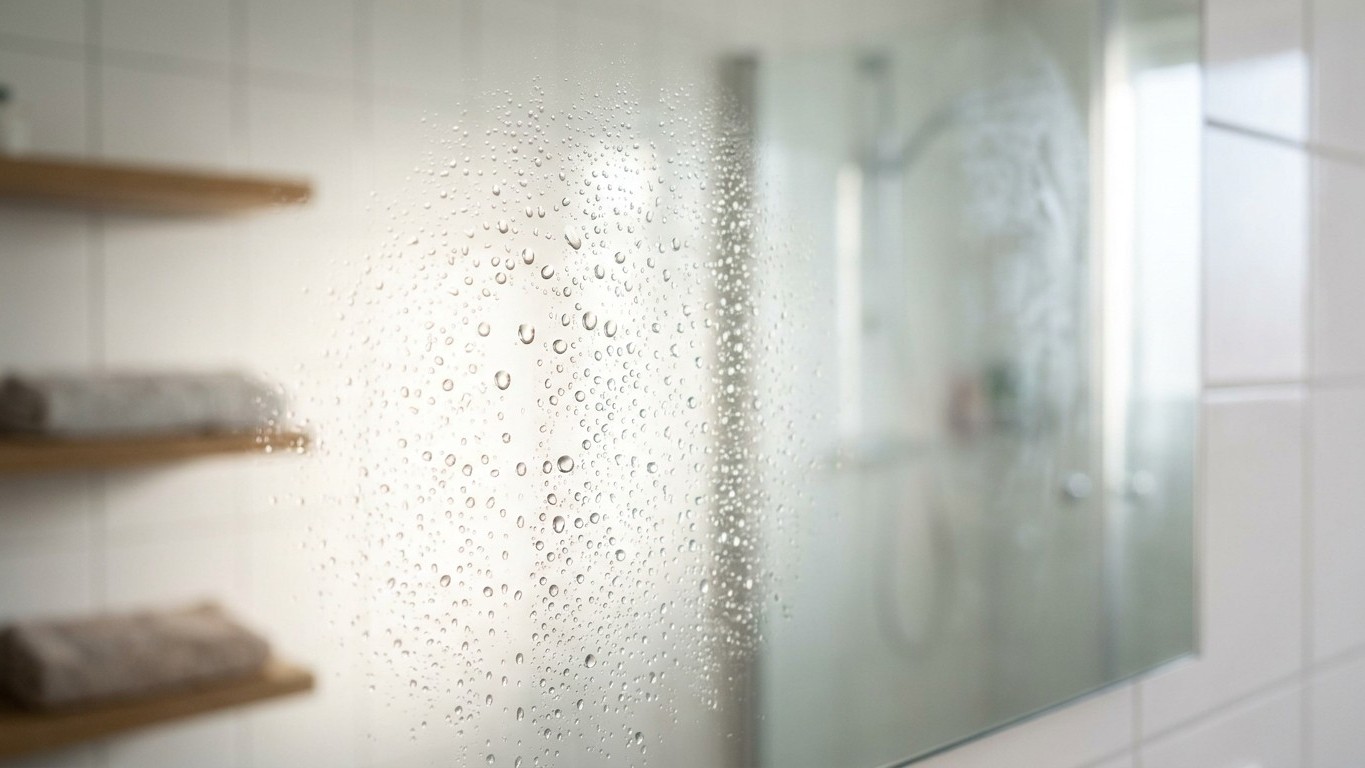
Condensation occurs when warm, moist air meets a cooler surface, causing the water vapour to condense into liquid droplets. That is the whole story, really. In the bathroom, the air holds a lot of moisture when someone uses the shower or bath, while the room also contains a lot of cold surfaces such as tiles and mirrors, and taken with the fact that warm air holds more moisture than cold, this combination means that condensation is always going to be an issue.
The fan gets blamed because it is the most visible piece of kit in the room. Perfectly understandable. But here is what most people miss: the two major factors in reducing condensation are air flow and heat. Most bathrooms get some sort of ventilation, however inadequate. What they rarely get is proper, consistent warmth, especially overnight and first thing in the morning, when tiles have had all night to become stone cold. Step in, run the shower, and you have set up a perfect condensation factory.
This problem is more prevalent in winter, when the indoor air is heated but the surfaces in your bathroom remain cold due to the outdoor temperature. That explains why many people notice damp mainly between October and March, blame the weather, and assume nothing can be done. A cold home is more likely to be a damp home, condensation forms more quickly when your home is cold because cold air can hold less moisture than warm air. The bathroom, often the least heated room in the house, takes the brunt of it.
There is also a telling statistic worth sitting with: research shows that 79 percent of Brits have lived in a property affected by condensation, damp or mould. We are not dealing with an unusual or particularly unlucky situation here. This is nearly every home in the country, and the solution is rarely as dramatic, or expensive, as people fear.
What the extractor fan actually does (and doesn’t do)
An extractor fan pulls the humid air out of the bathroom and expels it outside. If your bathroom has a window that can’t open or doesn’t have a window at all, then this is a good alternative. That is genuinely useful. But a fan working alone in a freezing bathroom is fighting a losing battle. The moment warm shower steam hits a surface that is several degrees below room temperature, condensation forms almost instantly, faster than any standard fan can extract it.
There is also the question of how long the fan actually runs. A good quality extractor fan is a reliable way to reduce condensation in your bathroom, as it expels moist air outside before it can settle on surfaces, but choose a fan that is the right size for your bathroom, keep it clean, and leave it running at least 15–20 minutes after you shower. Most people switch it off when they leave the room, or it clicks off with the light. That is not enough time.
Cheap off-the-shelf bathroom extractor units simply aren’t powerful enough to work in most properties now that we’ve added insulation and made them less draughty. In the past, homes had lots of draughts and weren’t well insulated, so they rarely suffered from condensation issues, as the draughts got rid of any water vapour. We sealed up our homes to save energy, which is sensible, but nobody always remembered to upgrade the bathroom fan at the same time. A humidity-sensing fan, one that runs until the air is genuinely dry rather than just for a fixed few minutes, is a much better fit for a modern, well-insulated home. A fan with a humidistat runs until the room is dry — some days this might take a few minutes, other days 20 minutes, and will save electricity because it only runs until the room is dry enough that mould won’t form.
What actually makes the difference: warmth, habits, and one surprisingly simple trick
Heating your bathroom is a huge step towards reducing condensation. If your bathroom is at a constant temperature, you can reduce the number of cold surfaces for hot air to touch and form condensation. The plumber’s first question was not about pipes or ventilation, it was whether the bathroom had its own source of heat, running before anyone stepped into the shower. It did not. The radiator was on the landing.
A heated towel rail is one of the most cost-effective fixes available. Heated towel rails are a great way to heat a bathroom (as long as they’re not covered in damp towels), while underfloor heating will also help to increase the temperature. Keeping your bathroom warm will also help reduce condensation as the surfaces won’t be as cold and so less likely to attract water vapour. Underfloor heating is the gold standard, but even a modest towel rail running for an hour before the morning shower will warm up tiles and walls enough to make a real difference to condensation levels.
There is also the matter of what happens after you get out of the shower, the bit people skip because they are in a rush. To prevent mould from forming because of condensation, use an old towel to wipe down the surfaces of your bathroom after a shower or bath. The surfaces don’t have to be bone dry, just not have puddles of water that are the perfect breeding ground for bacteria. A great way to remove water from a glass shower screen and from tiles is to use a squeegee. This takes about 45 seconds. It is boring. It works beautifully. Think of it as the daily habit that saves you a redecoration job every few years.
If you only have single glazing, it is worth considering double-glazed windows, single glazing is colder and attracts more condensation. For those in older properties this can feel like a distant ambition, but in the meantime, even keeping the window closed during the shower and open briefly afterwards (rather than wide open all the way through, which chills the room faster than the steam can warm it) shifts the balance in the right direction.
Getting humidity under control for good
A cheap hygrometer, a small device that measures humidity, costs only a few pounds and is the most useful thing you can put in a damp bathroom. For most UK homes in winter, an indoor humidity reading of 40–55% is a sensible target. Above 60% increases the chances of condensation and mould, especially on cold windows and external walls. Once you can see the numbers, you stop guessing and start making targeted changes: run the fan longer, open the window for ten minutes, wipe down the tiles.
Mould growth resulting from condensation isn’t just unsightly, it poses a serious health risk, particularly for those with allergies, asthma, or respiratory conditions. Breathing in mould spores over time can lead to health problems such as chronic coughing, sinus infections, and fatigue. That is the real reason this matters, beyond the peeling paint and the embarrassment when guests use the bathroom. Mould can pose a serious risk to your health if you are exposed on a long-term basis, and it can thrive out of sight, behind a sink or on a windowsill, causing harm without you knowing it.
One final thing worth knowing, and it genuinely surprised me when I first came across it: running the cold water first when you’re having a bath reduces the amount of steam produced during filling. Hot water hitting a cold empty bath creates enormous clouds of vapour. Cold water first, then hot, and you cut the steam considerably, no fan upgrade required. Small physics, big difference.
Sources : creoven.co.uk | mybuilder.com