Why limescale in dishwasher spray arms clouds glasses
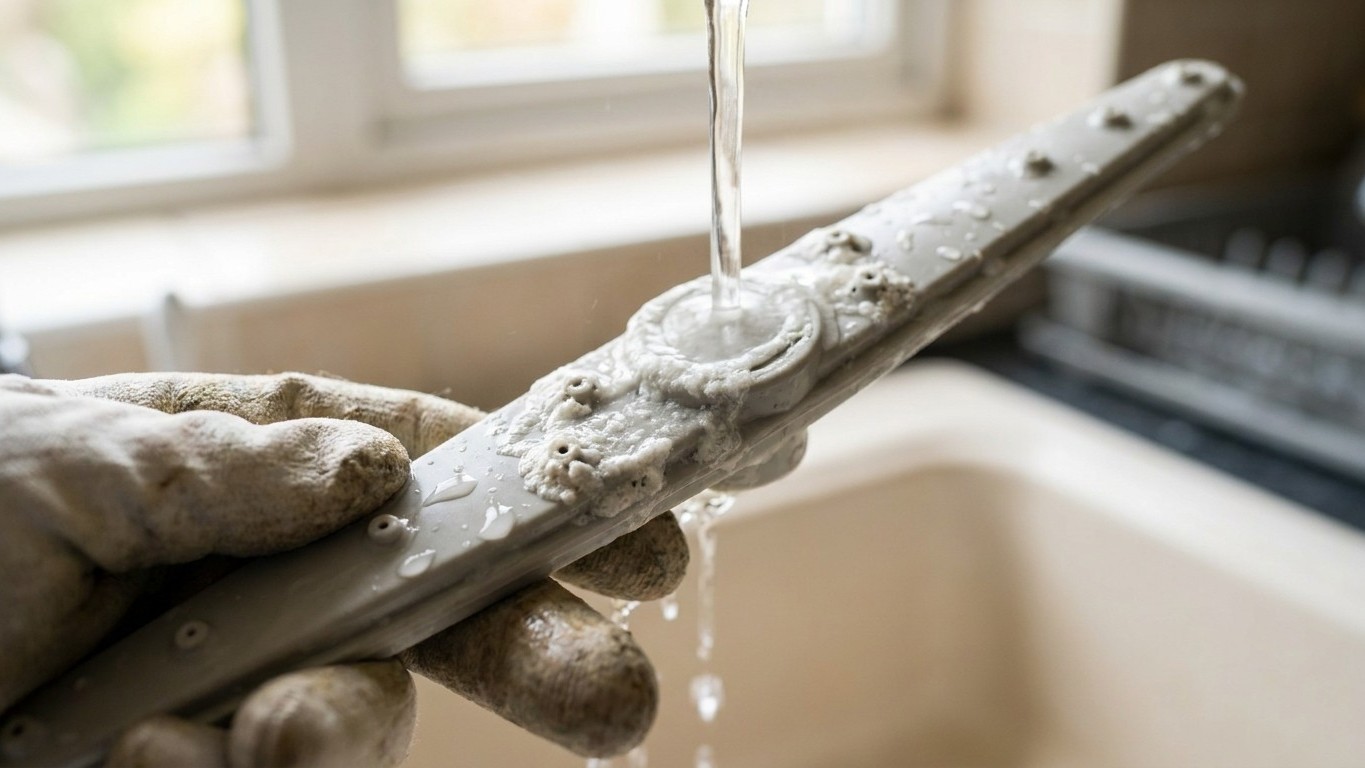
We all keep topping up the dishwasher salt, when the real cause of that white film is hiding inside the spray arm

You’ve been topping up dishwasher salt for nothing. The real culprit behind those cloudy, chalky glasses is lurking inside your spray arms, where hard water minerals build up and block the jets. A simple vinegar soak and five minutes of your time can fix what no amount of salt ever could.
What happens when you cut ivy flush against a wall

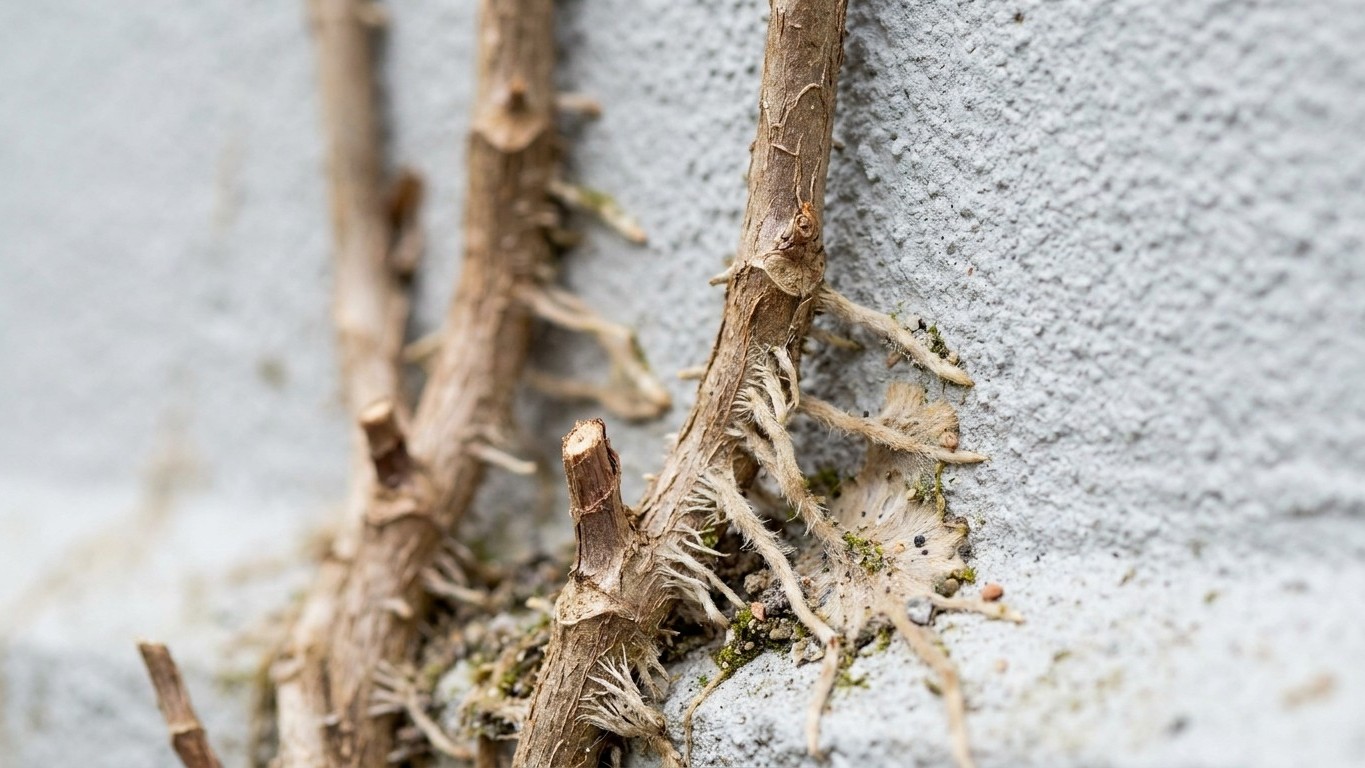
I cut my ivy flush against the wall just to tidy up the façade: a few weeks later, I saw what had come back and what staye...

Cut your ivy flush to the wall, and two things happen: fresh shoots emerge from dormant buds at ground level, while aerial roots cling to your render like they’ve been glued. Understand the hidden biology, and clearing ivy becomes far less mysterious—and far less destructive to your masonry.

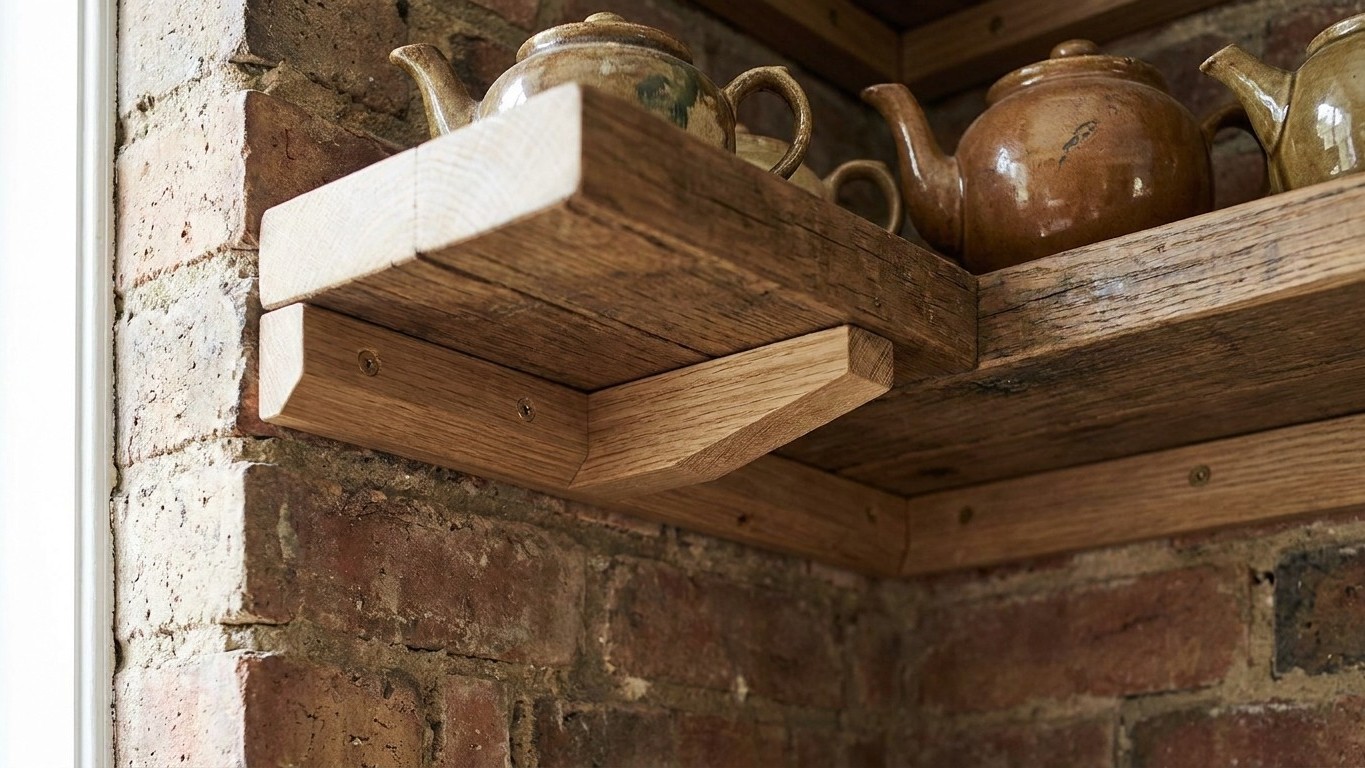
Why a batten beats brackets for a corner shelf on a party wall

We all keep bolting brackets straight into the party wall, while this £7 batten carries the whole corner shelf on two screws

Forget bolting heavy brackets into shared party walls. A single angled timber batten—costing just £7—uses physics and gravity to hold corner shelves more securely, more cheaply, and with far less wall damage. The French cleat isn’t new, but it’s a game-changer for anyone tired of wrestling with brackets in awkward corners.

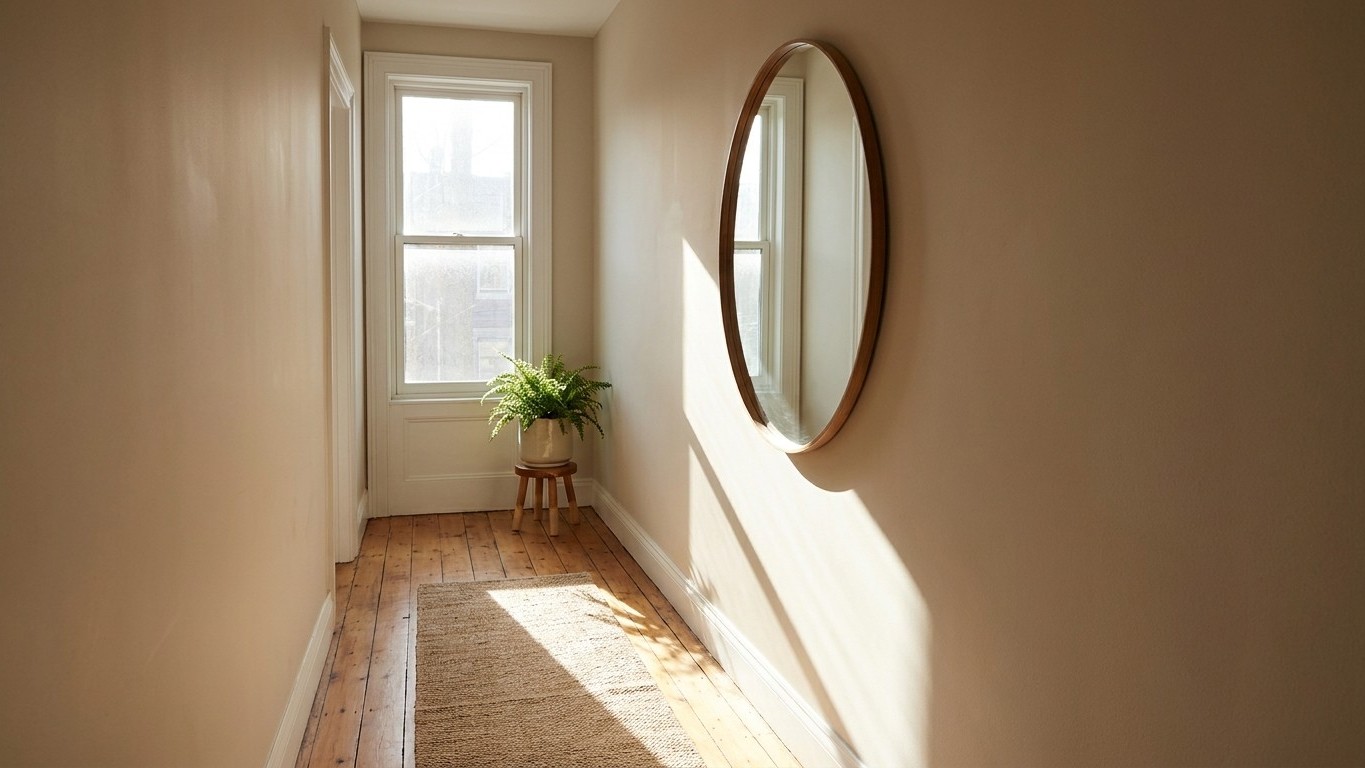
Why a mirror opposite a window brightens a dark corridor

We all keep hanging our mirrors beside the window, when this one position facing the glass is what actually pulls daylight...

Your mirror placement is sabotaging your light. Hanging a mirror opposite a window—not beside it—harnesses the physics of reflection to flood dark corridors with daylight. This simple repositioning trick can transform a dim hallway from needing afternoon lights into staying naturally bright until evening.

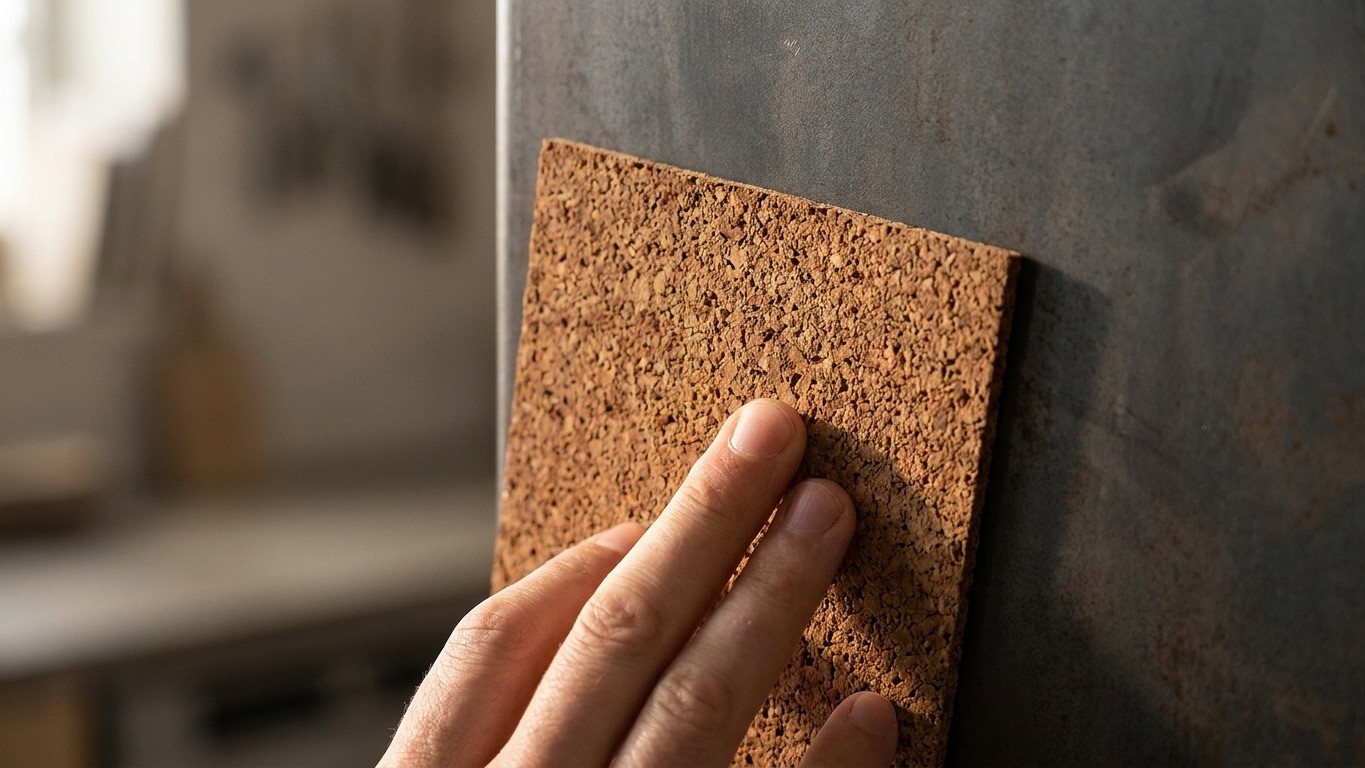
Why a cork panel behind a steel garage door cuts heat

I glued a 3 mm cork panel behind my steel garage door just to cut the noise: since then, the heat has stopped chasing me o...

A simple 3mm cork panel glued behind a steel garage door can cut heat transfer dramatically—turning an unbearably hot space into somewhere you can actually work by midday. The secret lies in cork’s millions of tiny air pockets, which trap heat far more effectively than bare metal.

Why wall emulsion scuffs on skirting boards and door frames

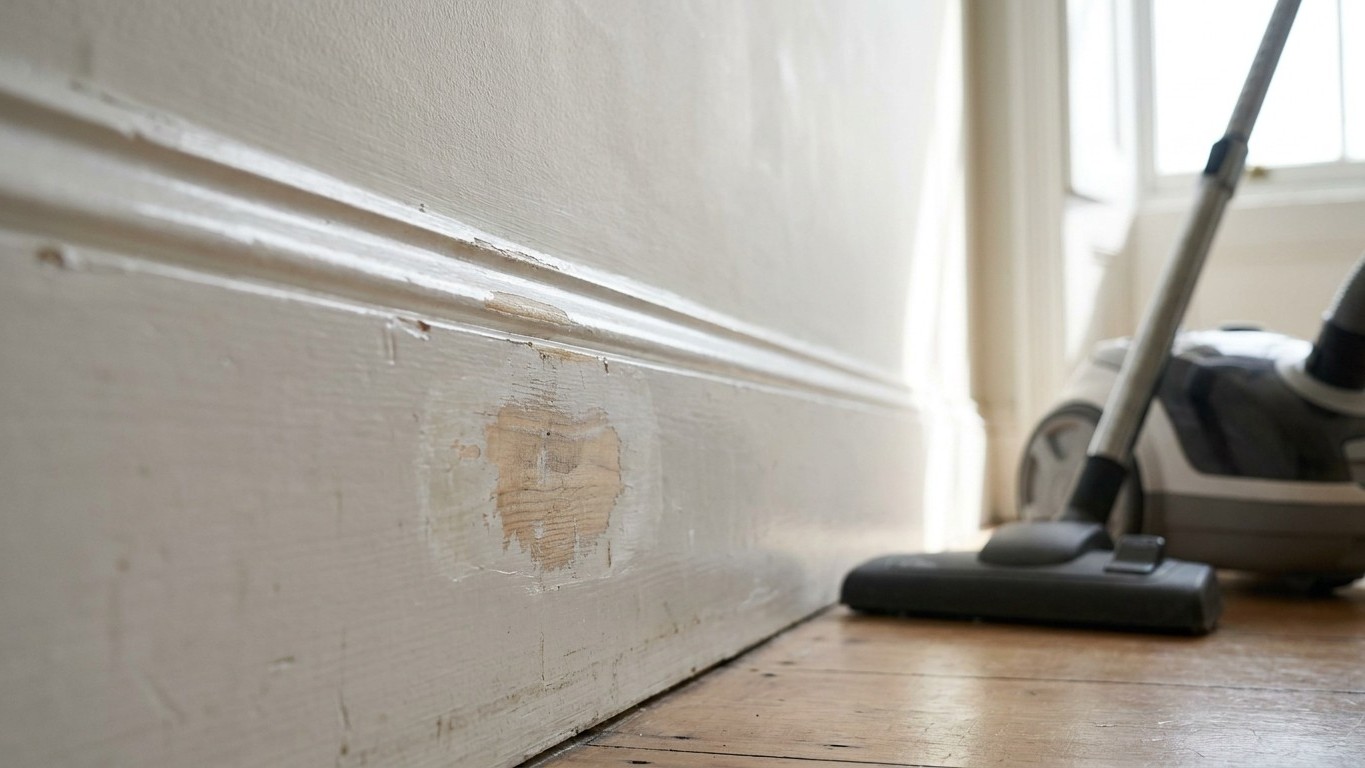
I painted my skirtings and door frames in my wall shade with the same tin of emulsion just to save money: three weeks late...

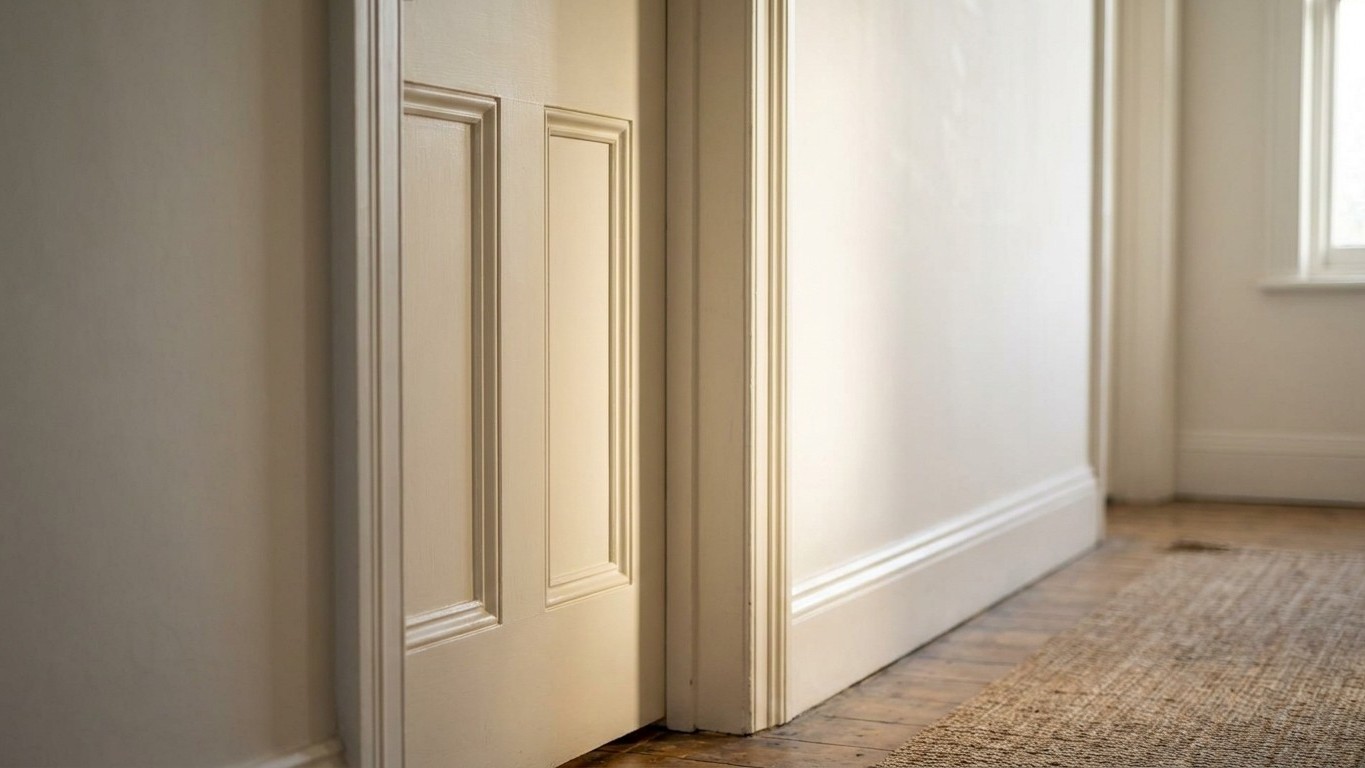
A homeowner’s penny-pinching decision to paint walls, skirting boards, and door frames with a single tin of wall emulsion backfired spectacularly when a routine vacuum cleaner knock revealed why this approach violates basic paint chemistry. The solution exists, but it requires understanding the crucial difference between wall paint and woodwork paint.