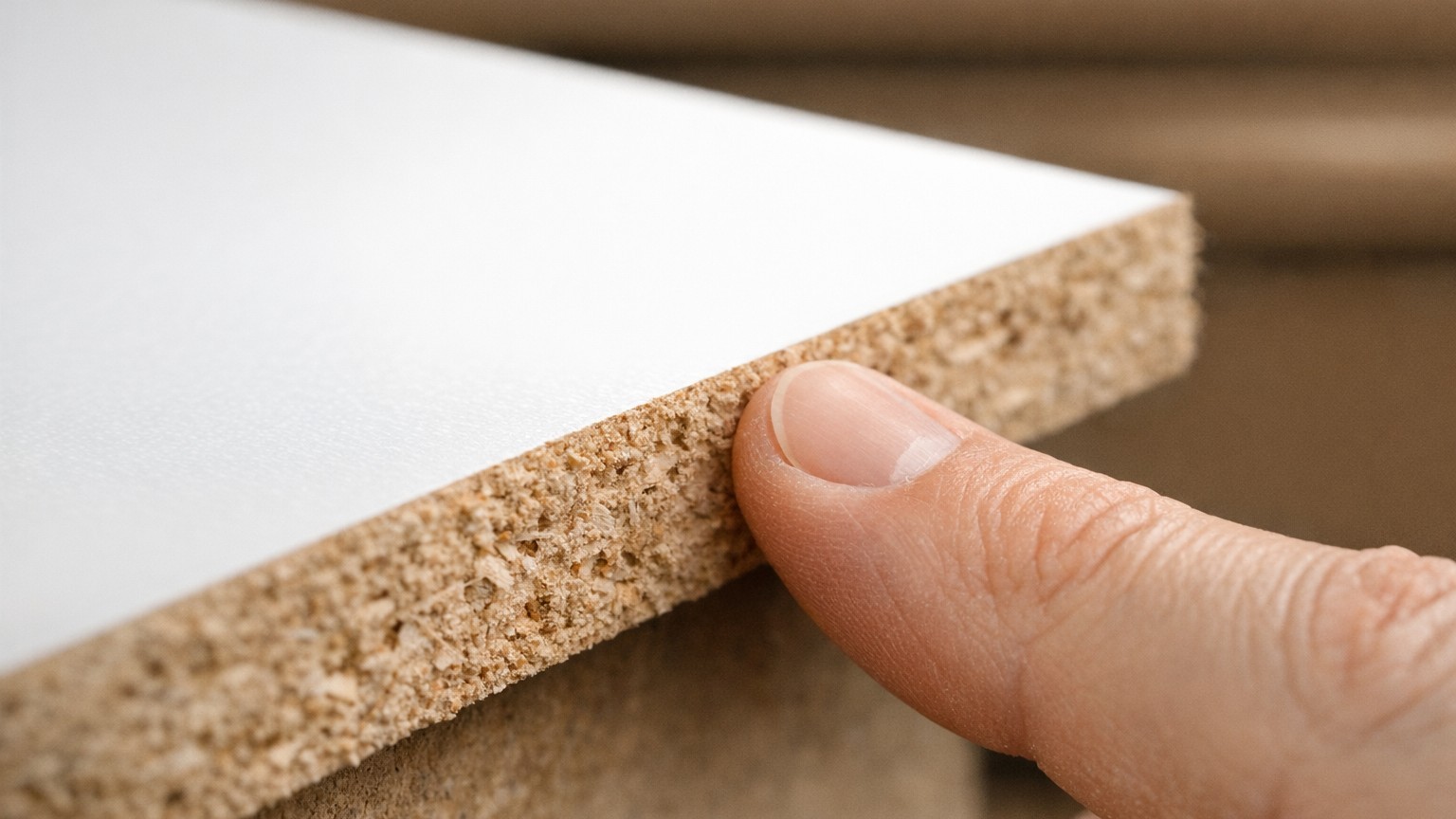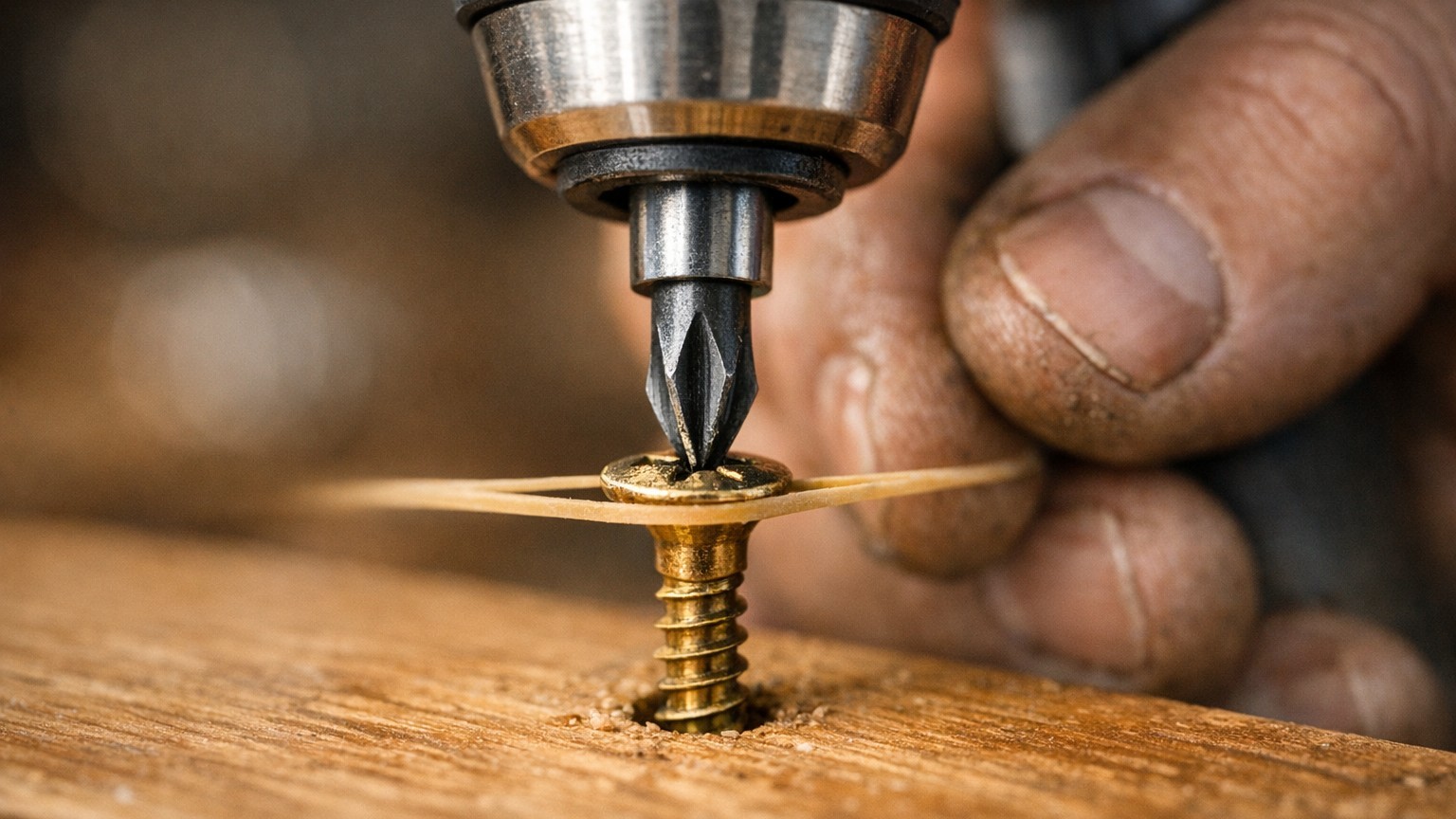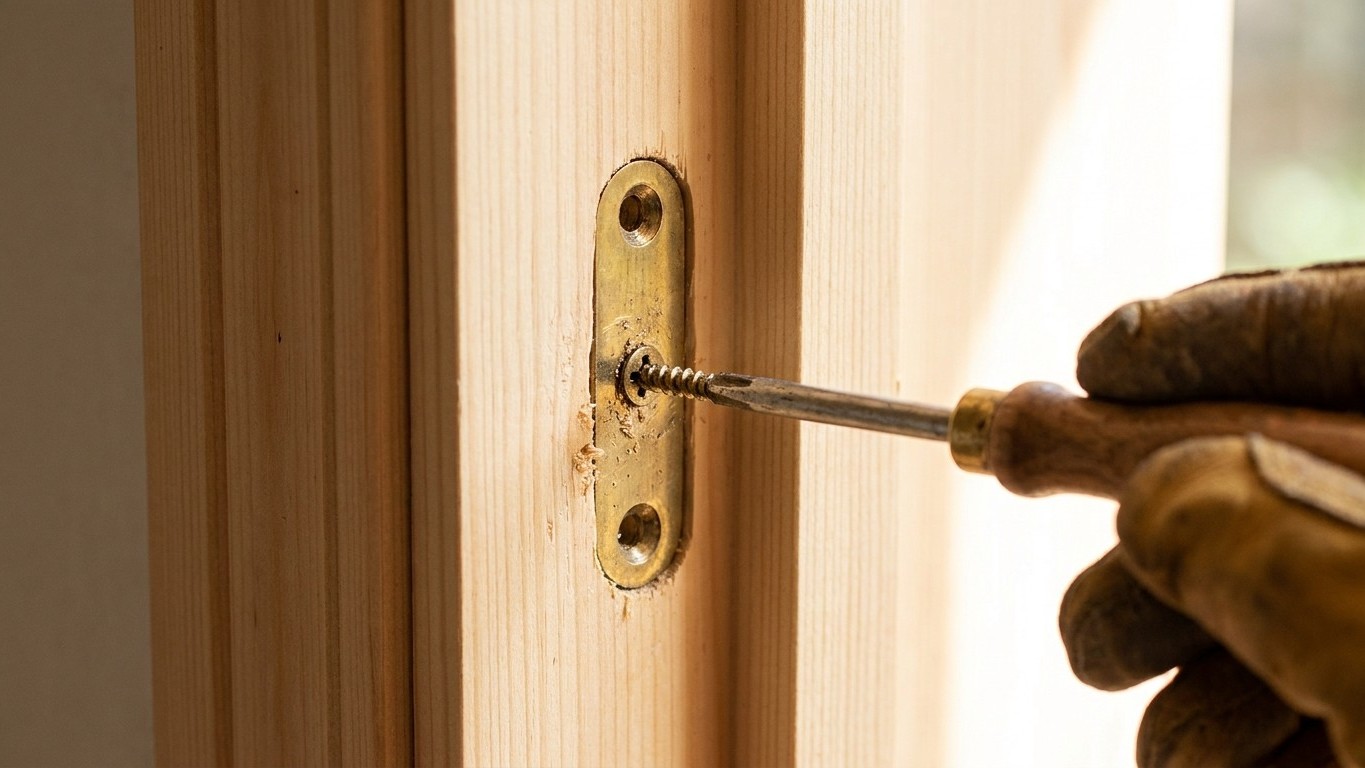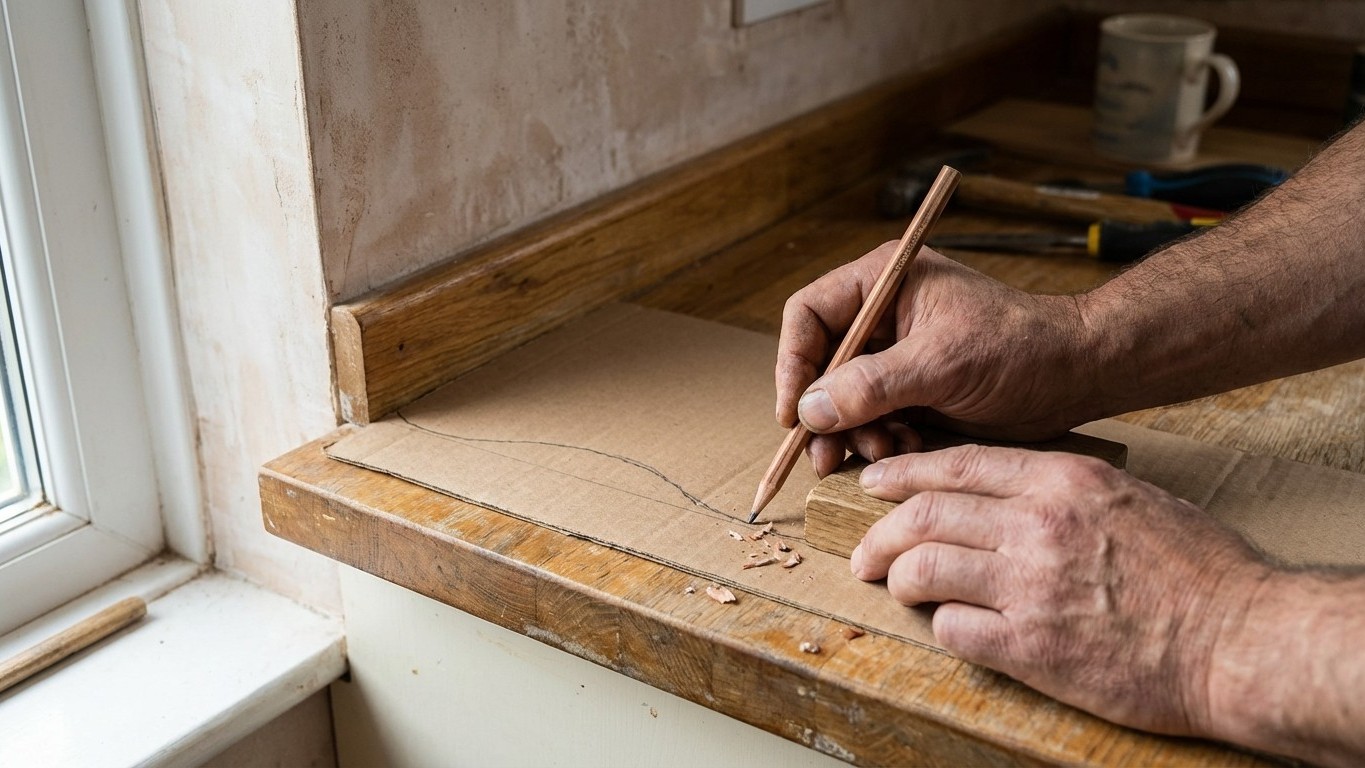
Why screw pilot holes need the right size to hold in wood

The Pilot Hole Secret Nobody Tells You: Why Your Screws Are Slowly Failing

Most woodworkers drill pilot holes wrong for years without realizing it. By matching the hole to the screw’s full shank diameter, you’re actually removing the wood compression that holds joints firm through seasonal movement. Three weeks later, your carefully assembled piece begins to relax—and that’s when the real trouble starts.

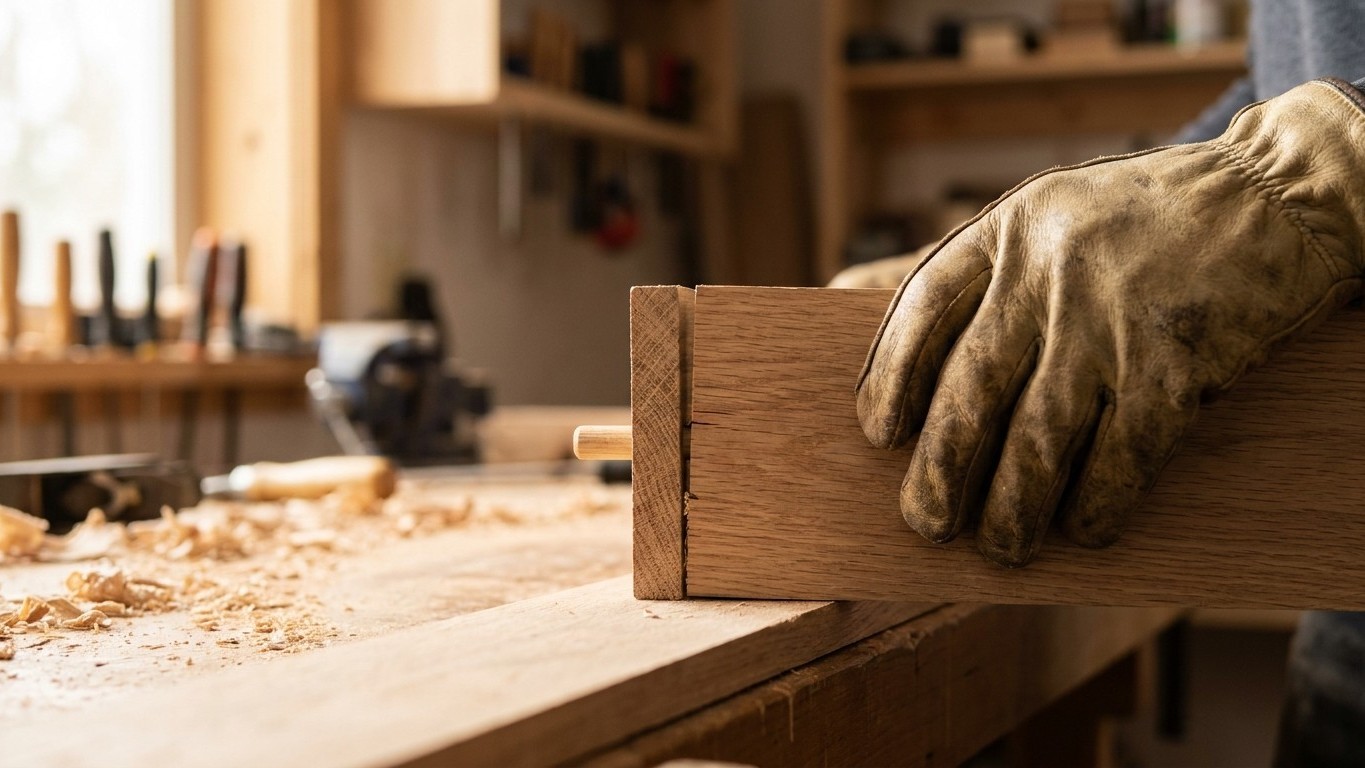
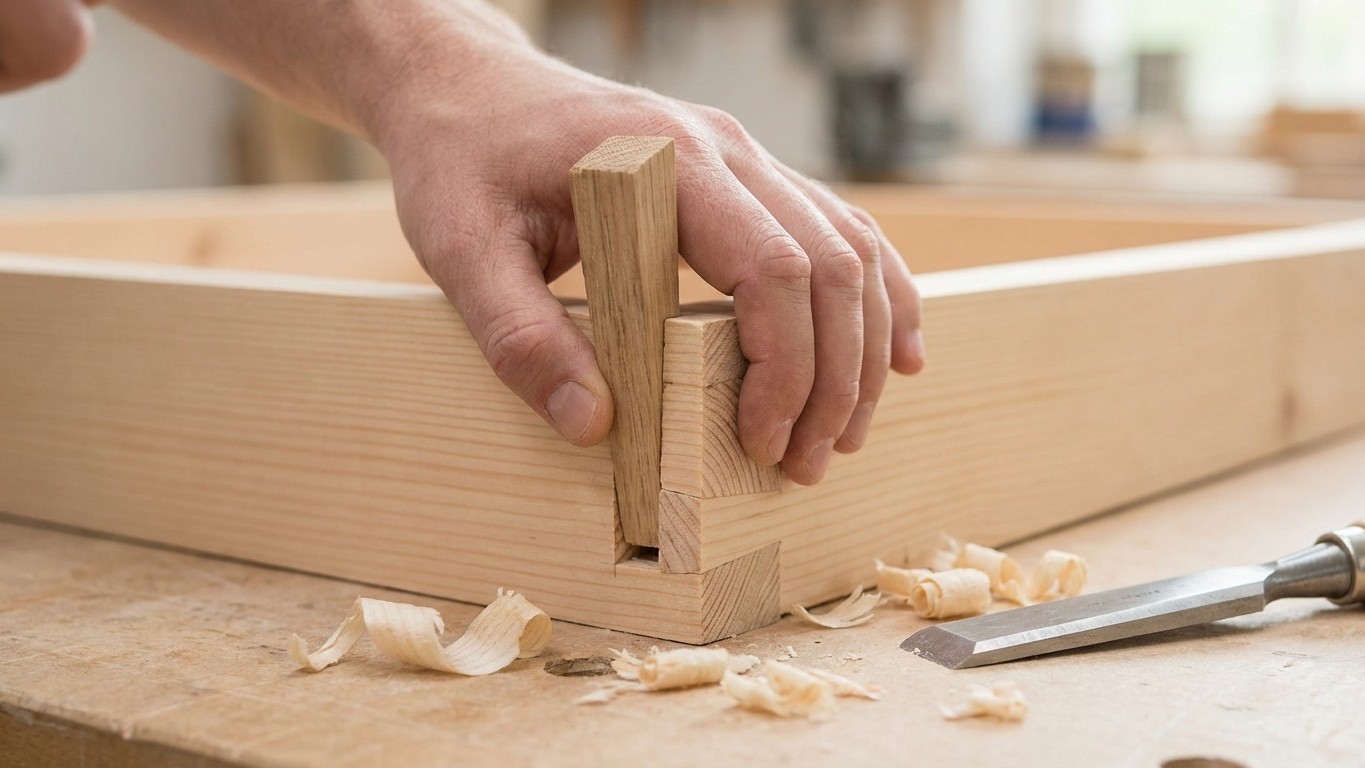
How a wedged mortise and tenon joint keeps a planter strong

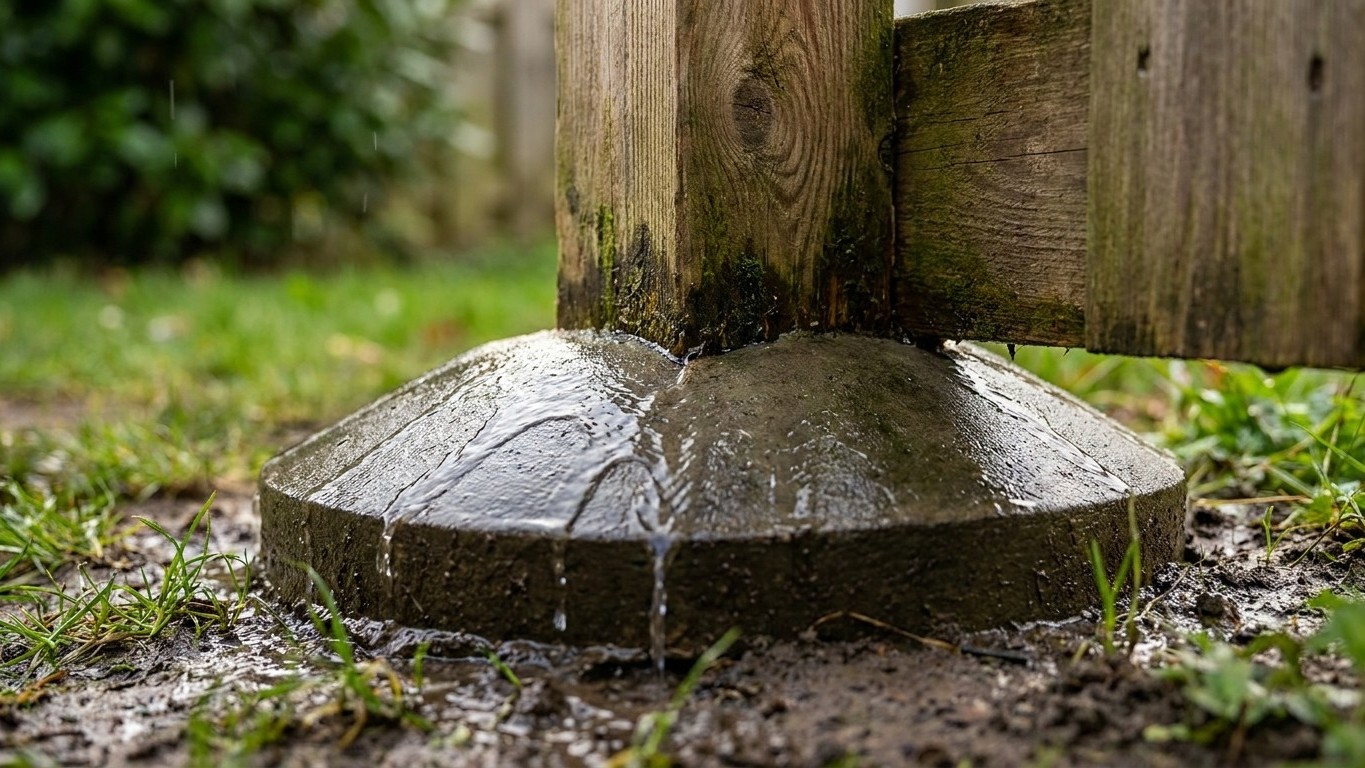
The Secret Joint That Keeps Raised Planters From Falling Apart: Why Old Carpenters Never Skip It

Seasoned carpenters know a secret that keeps raised planters structurally sound for decades: the wedged mortise-and-tenon joint. While most DIYers reach for screws and glue, this ancient technique harnesses soil pressure to lock joints tighter over time, preventing the seasonal splay that ruins planters by spring.

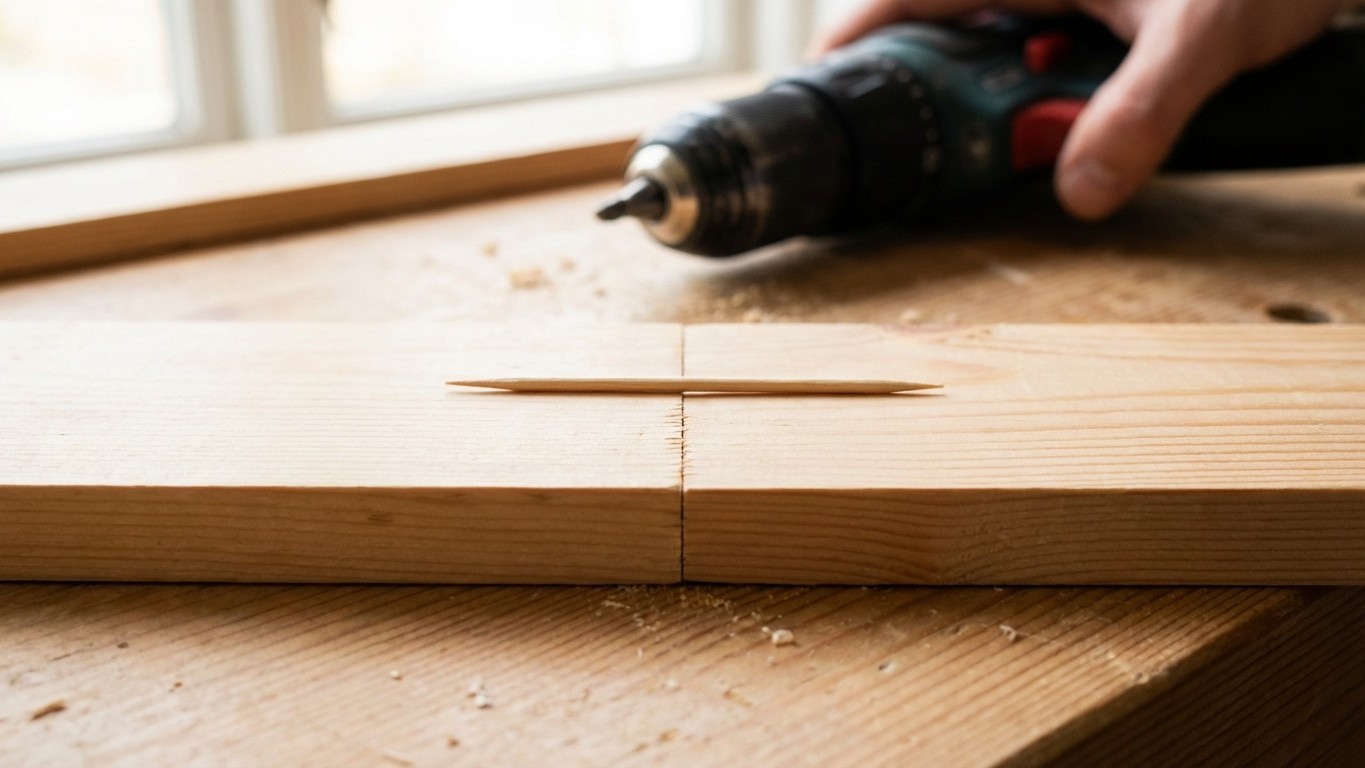
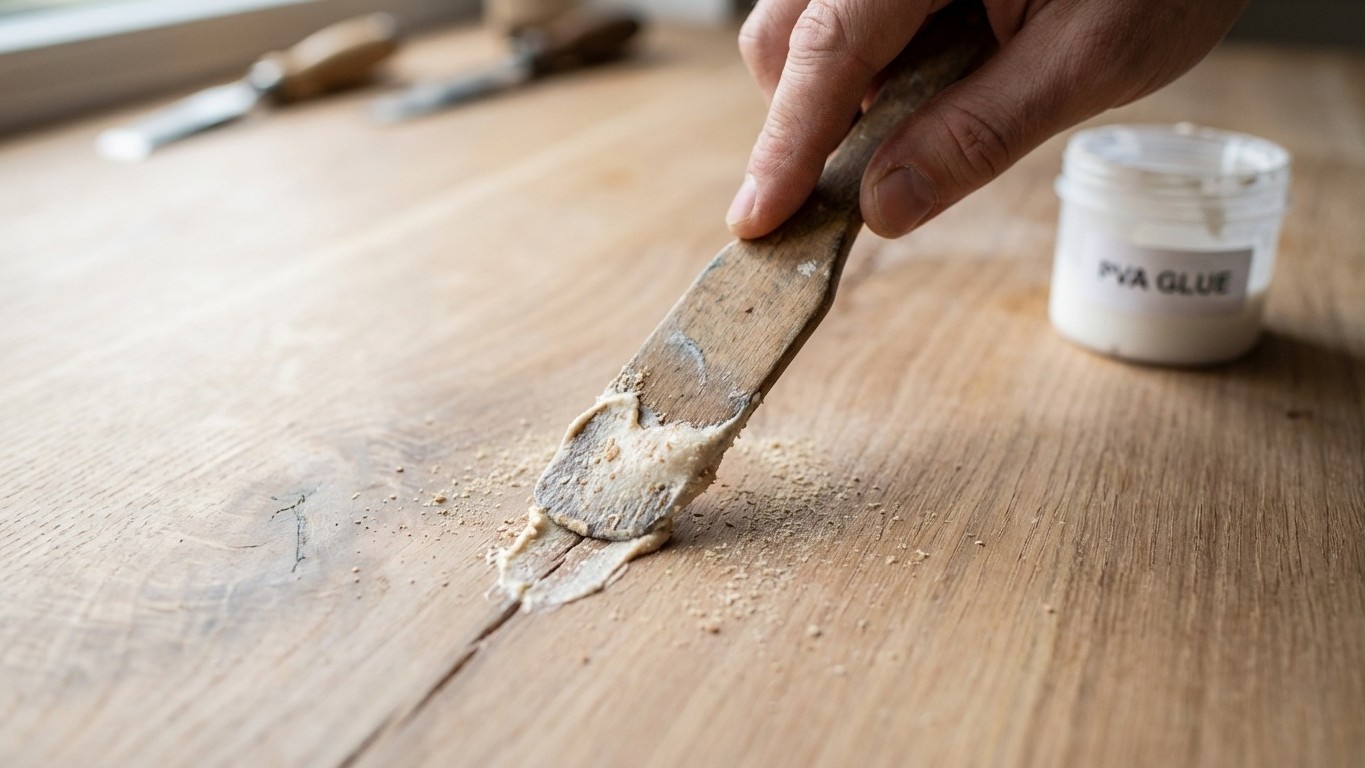
How to fill wood repairs with a supermarket staple instead of filler

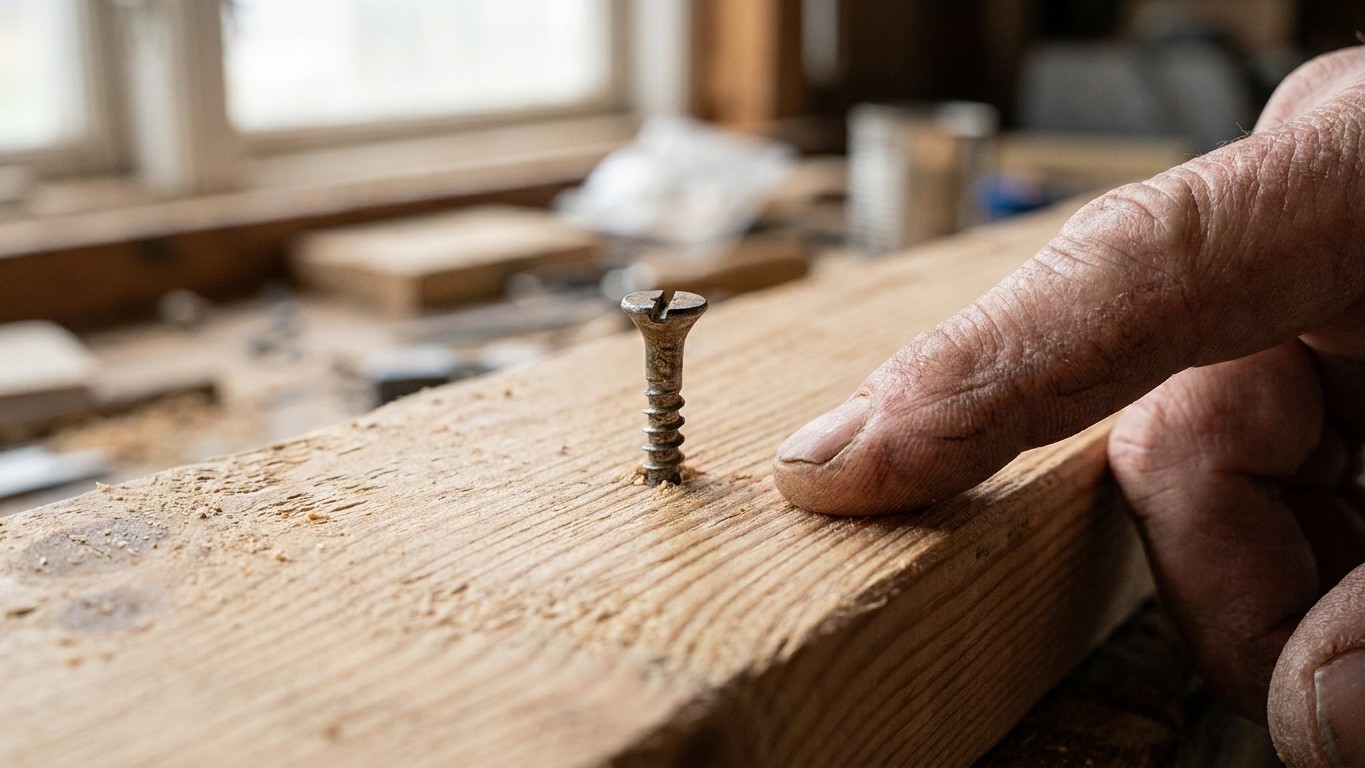
Forget Expensive Wood Filler: This Supermarket Staple Works Better

For years, woodworkers have kept a secret: the best wood filler isn’t sold in hardware stores at all. It’s a simple mixture of PVA glue and fine sawdust from the wood you’re repairing—costing pennies and delivering perfect color matches that commercial fillers can’t achieve.