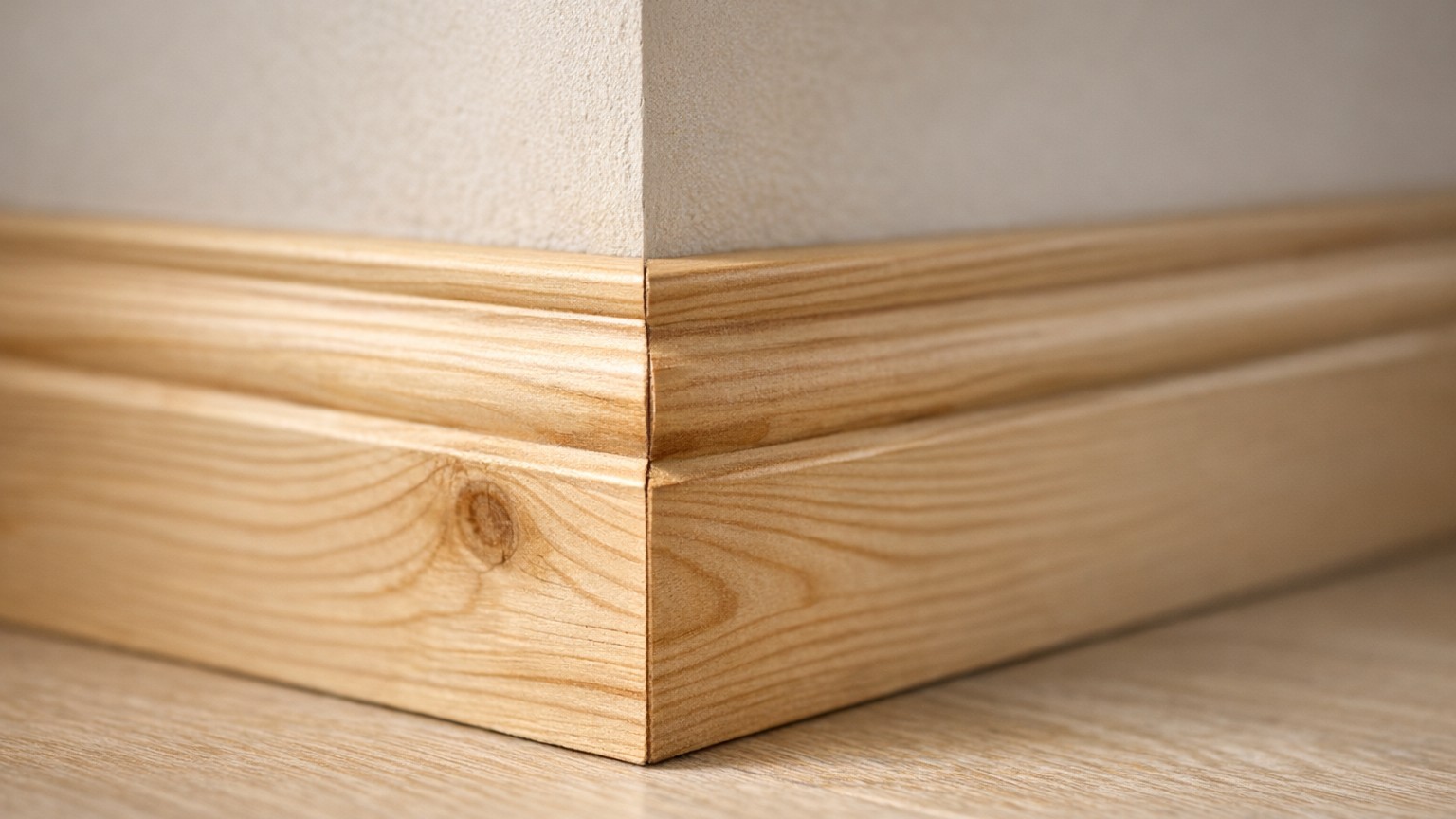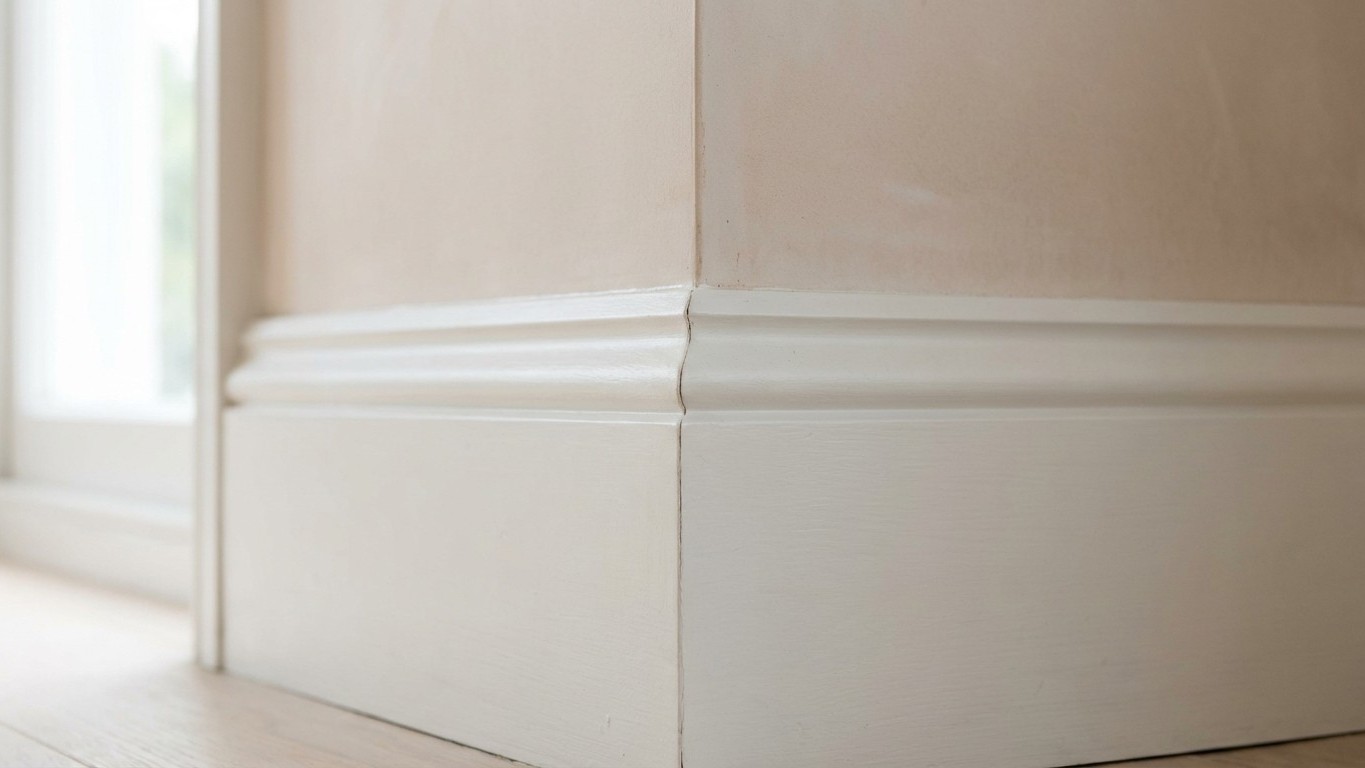
Why Professionals Stopped Using 45° Angles on Interior Corners—And What They Do Instead

Why Professionals Stopped Using 45° Angles on Interior Corners—And What They Do Instead

That perfect 45-degree miter joint you’ve been cutting on every interior corner? Professional carpenters abandoned that approach decades ago. Discover the scribing technique that creates seamless, gap-free corners even in out-of-square rooms—and why it’s the real mark of professional work.

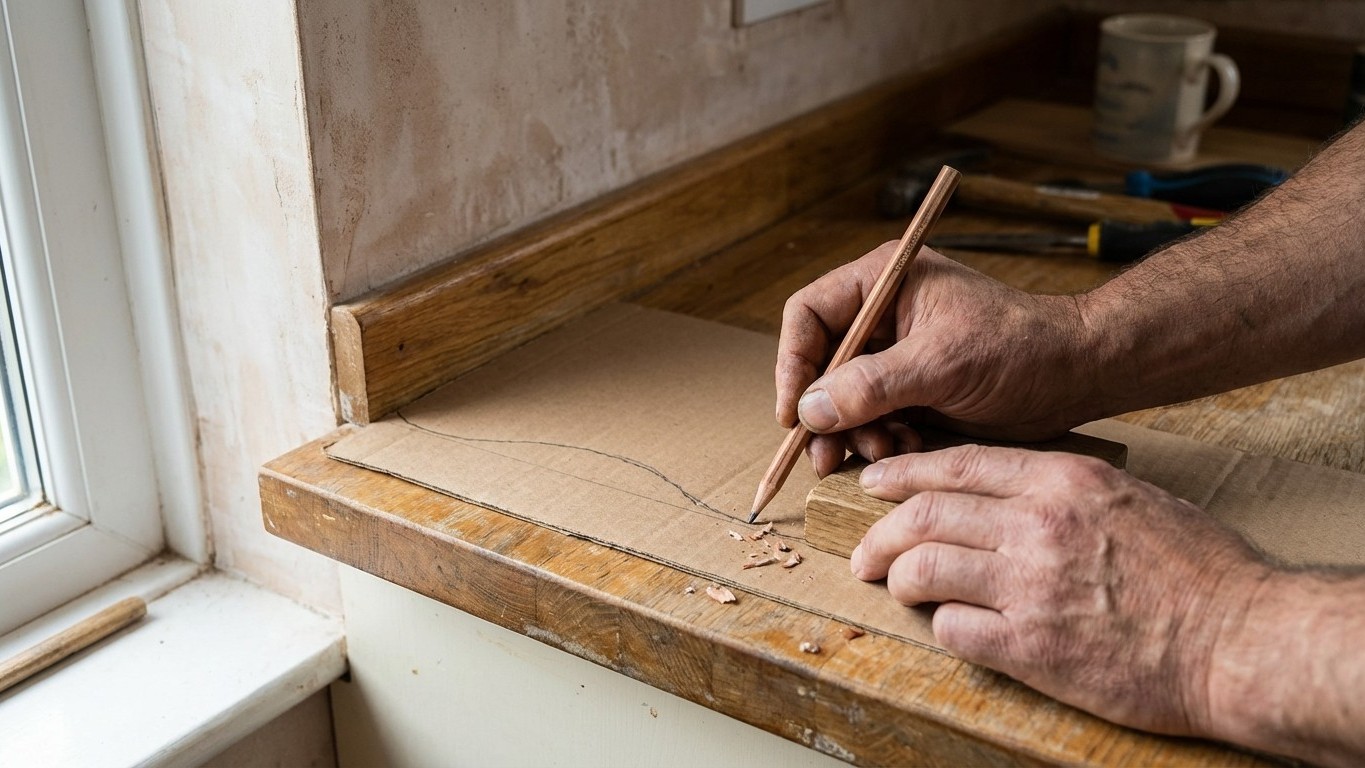
The Cardboard Trick Professional Joiners Use to Fit Worktops Perfectly to Uneven Walls

The Cardboard Trick Professional Joiners Use to Fit Worktops Perfectly to Uneven Walls

Professional joiners have used a simple cardboard scribing trick for generations to transfer the exact shape of an uneven wall onto a worktop before cutting. This cost-free method ensures a perfect fit every time, eliminating costly mistakes and the need for unsightly gap-filling silicone.

The Secret Joint That Keeps Raised Planters From Falling Apart: Why Old Carpenters Never Skip It

The Secret Joint That Keeps Raised Planters From Falling Apart: Why Old Carpenters Never Skip It

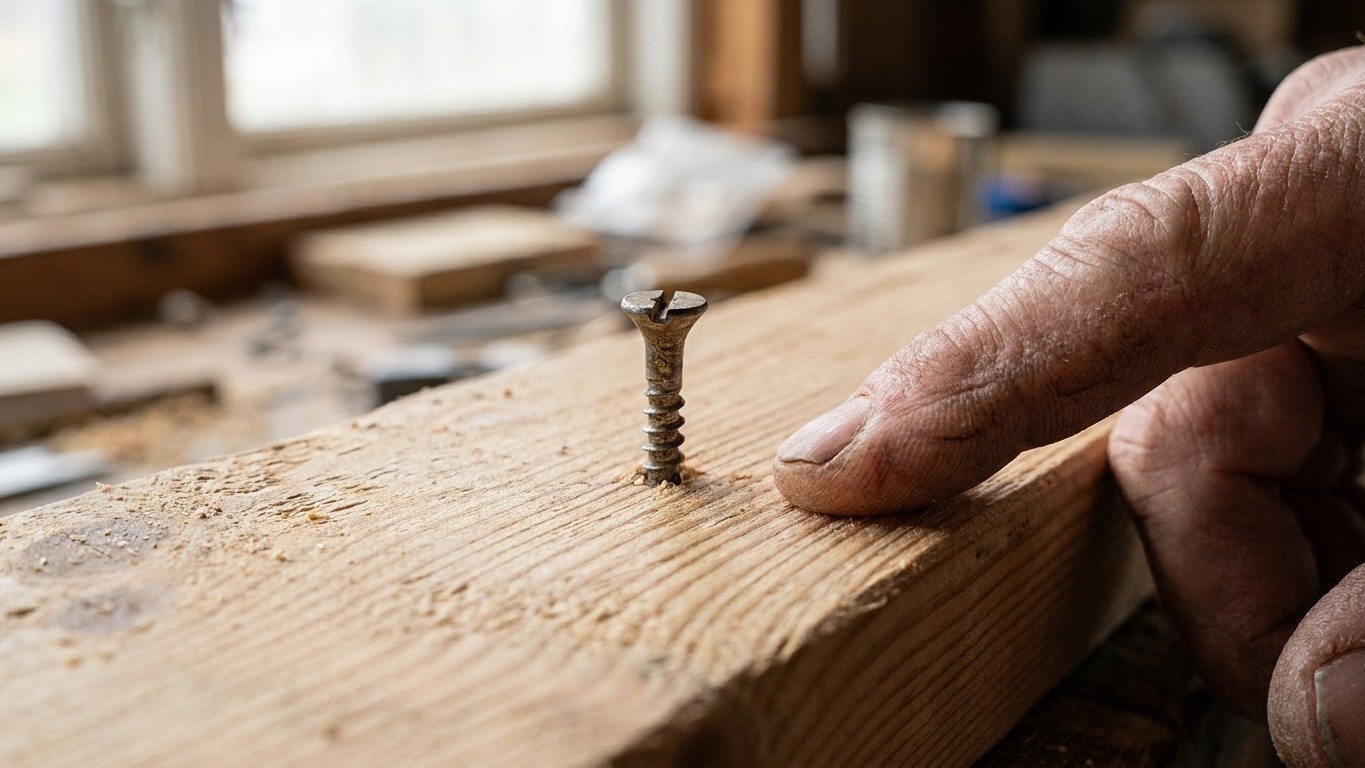
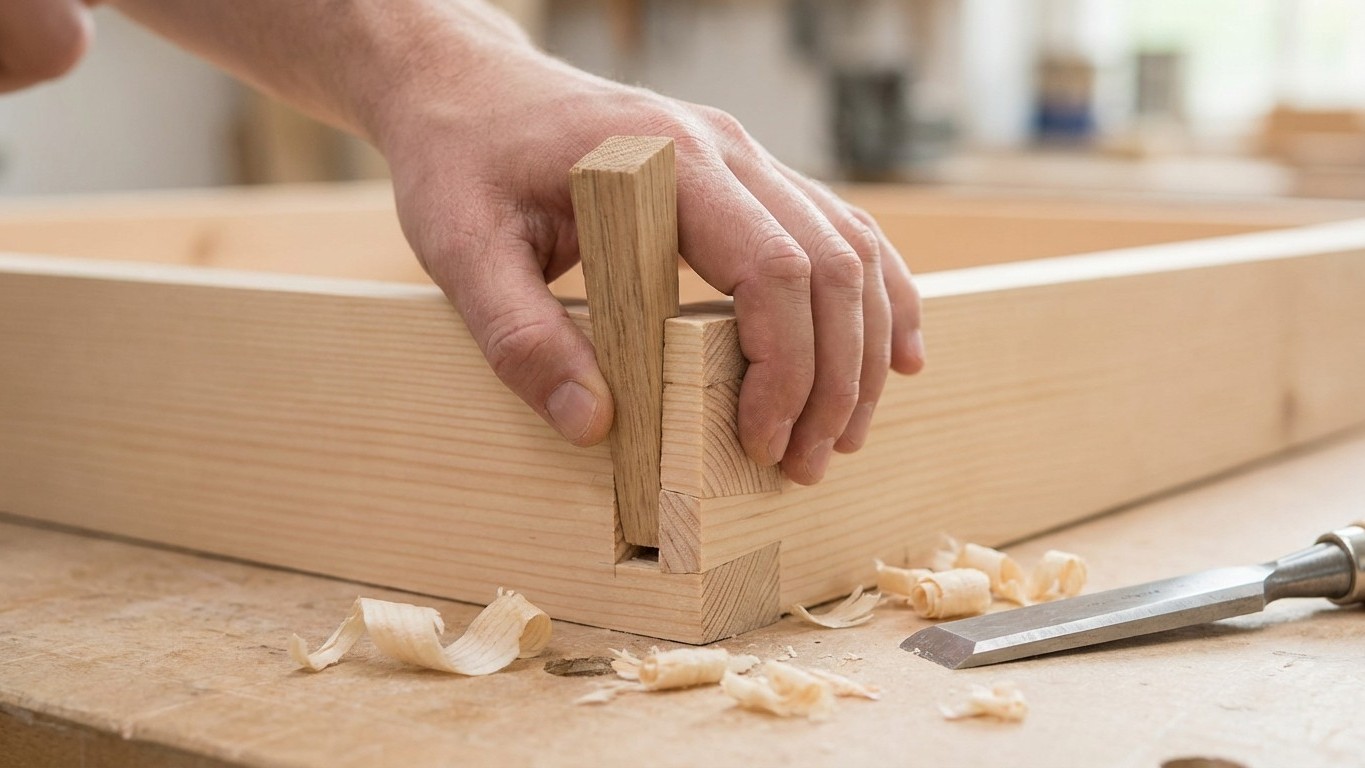
Seasoned carpenters know a secret that keeps raised planters structurally sound for decades: the wedged mortise-and-tenon joint. While most DIYers reach for screws and glue, this ancient technique harnesses soil pressure to lock joints tighter over time, preventing the seasonal splay that ruins planters by spring.

The Secret Joint That Separates Professional Workbenches From Wobbly DIY Disasters

The Secret Joint That Separates Professional Workbenches From Wobbly DIY Disasters

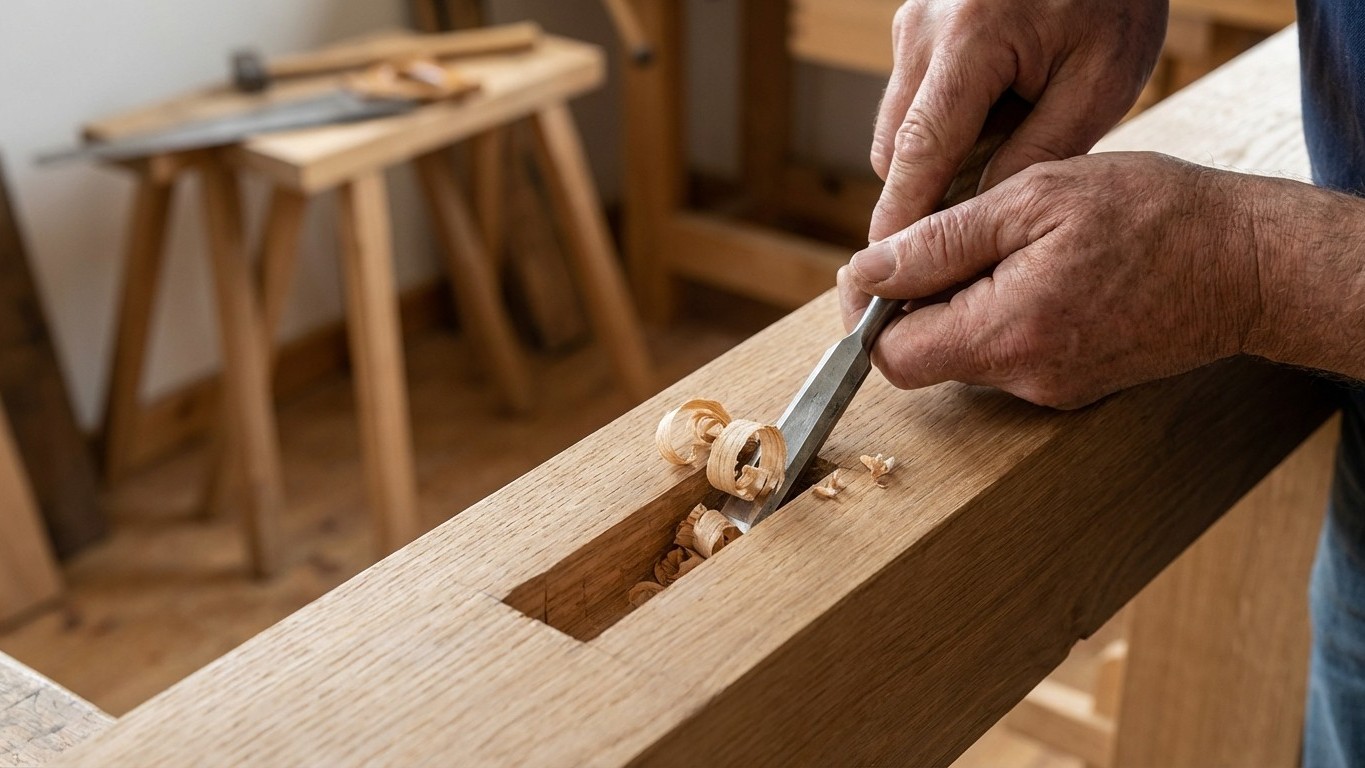
Professional carpenters know a secret that most DIYers ignore: the haunched mortise and tenon joint in the lower stretcher rails is what separates a rock-solid workbench from one that wobbles after six months. This ancient joint, unchanged for three hundred years, resists the lateral forces of planing and sawing far better than any modern metal bracket ever could.