What to do with cuttings from a neighbour’s overhanging tree

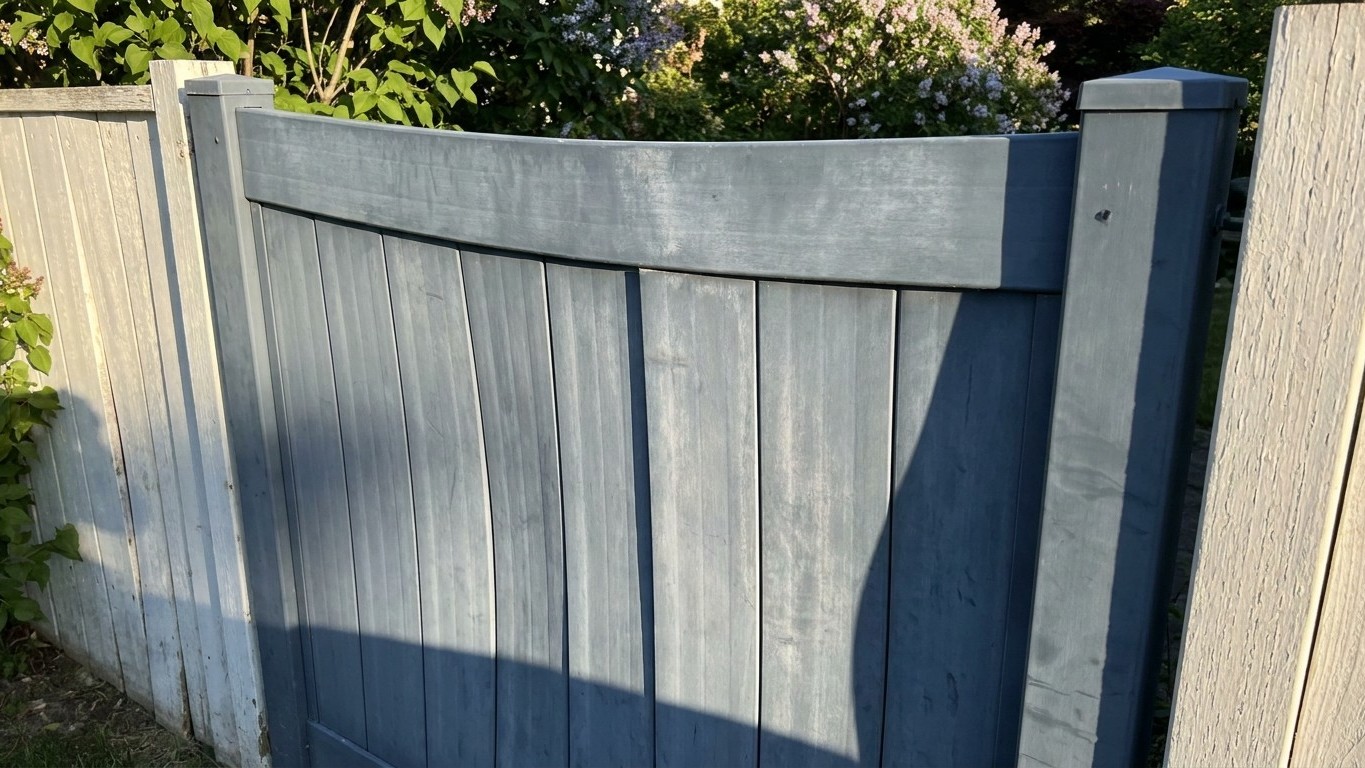
We all insist on cutting the neighbour's branches back at the boundary, while it's what we do with the cuttings afterwards...

You have the right to cut branches hanging over your garden, but English common law has a surprising twist: those cuttings still legally belong to your neighbour, and what you do with them afterward could spark a costly dispute. Discover the hidden obligation that catches almost everyone out.

Why pegboard needs a 15 mm spacer behind it before hanging hooks

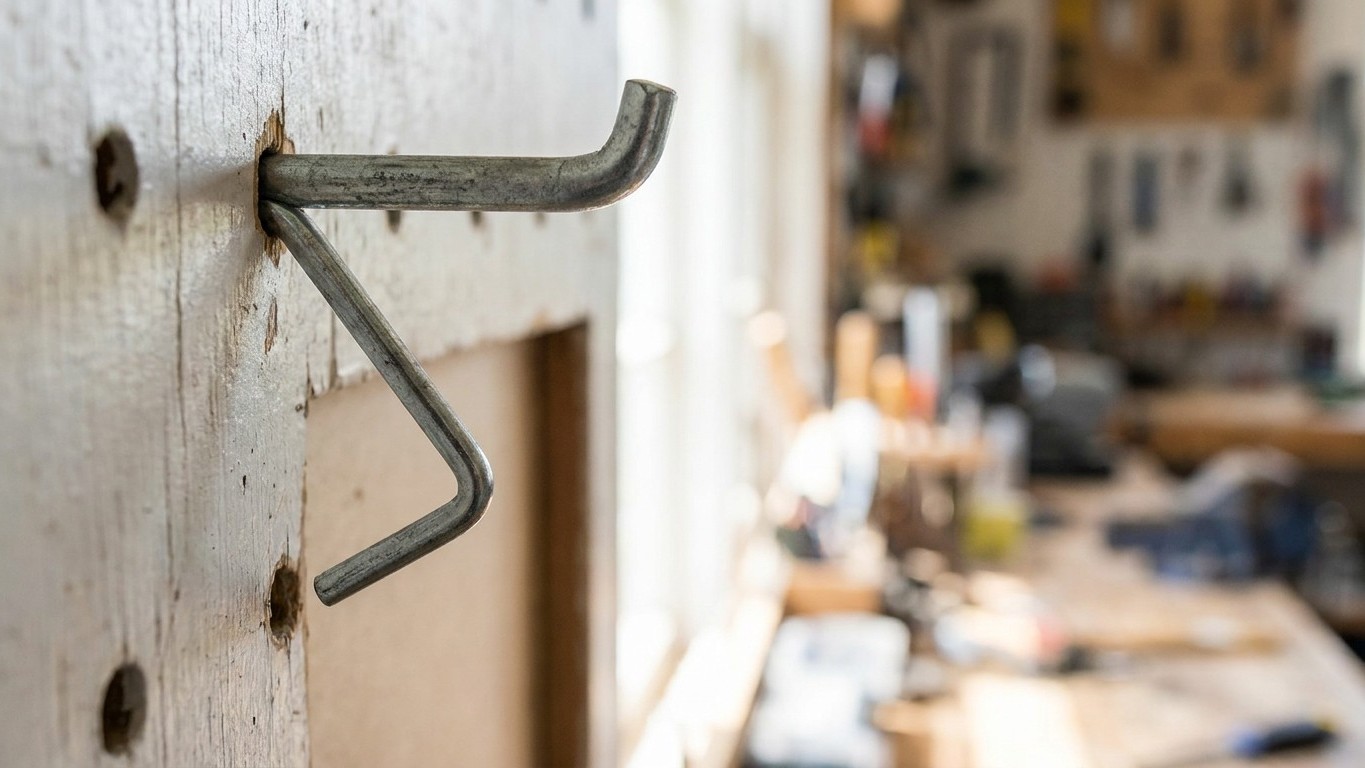
That's it for pegboard fixed flat to the wall: fitters all slide this 15 mm spacer behind before hanging a single hook

Professional workshop installers know a simple secret that saves countless hours of frustration: a tiny 15mm spacer tucked behind pegboard before mounting transforms a useless panel into a rock-solid storage solution. Without this gap, hooks either won’t insert or drop out under load — it’s pure physics, not a product flaw.

Why ordinary twin-and-earth cable needs protection when buried

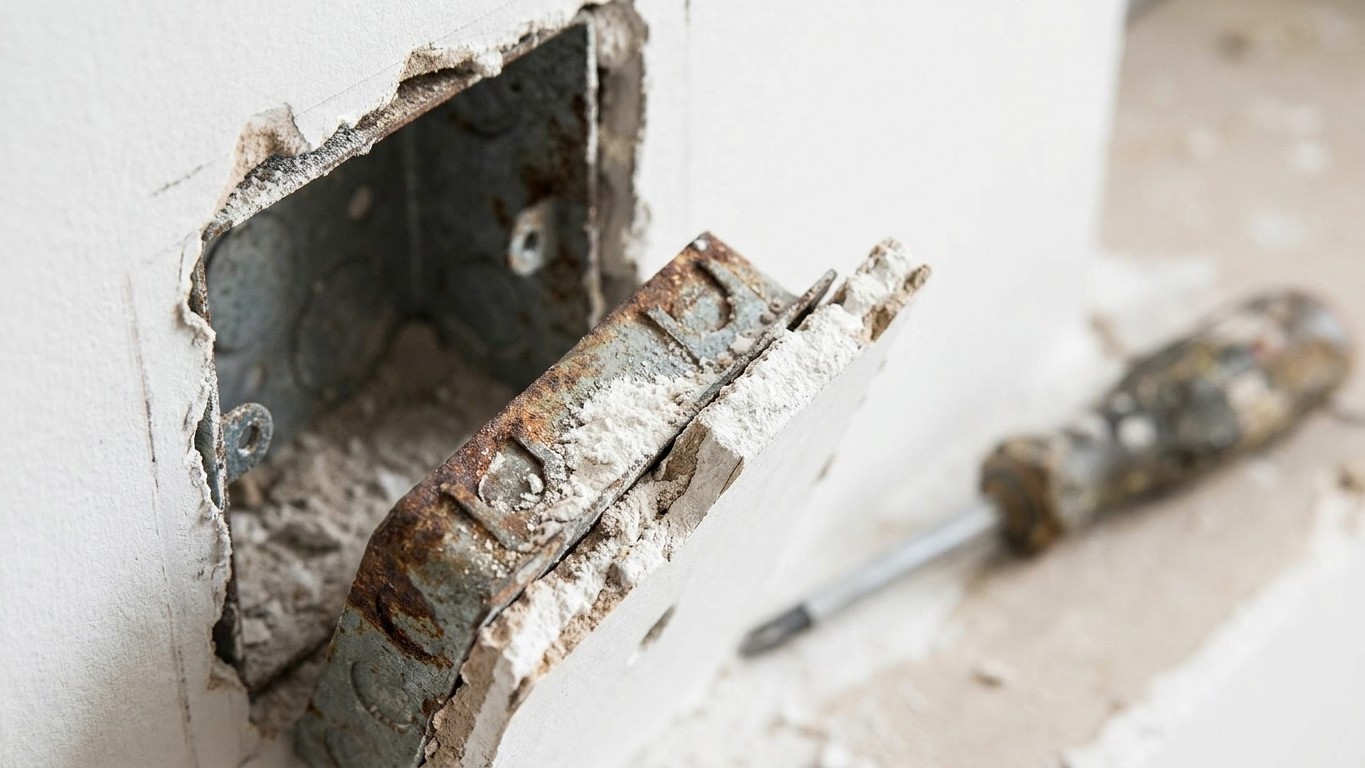
We all insist on burying ordinary twin-and-earth to the shed, when it's this one layer above the cable that decides whethe...

Most people bury garden cables wrong—but it’s not the cable itself that saves lives, it’s a thin strip of yellow-and-black plastic laid above it. Properly positioned marker tape intercepts a spade before it reaches copper, turning a £1 strip of plastic into your garden’s most critical safety layer.

Why dry sanding old furniture can leave lead dust in your carpet

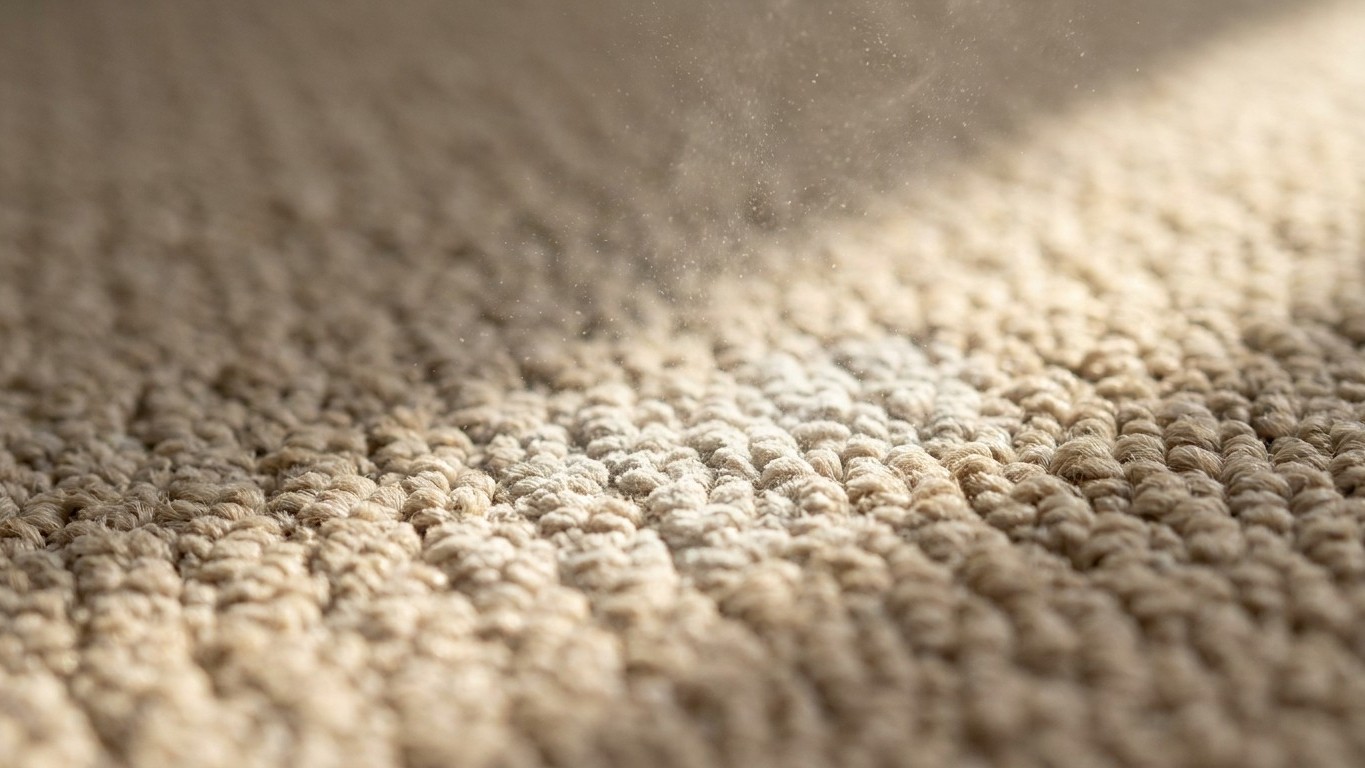
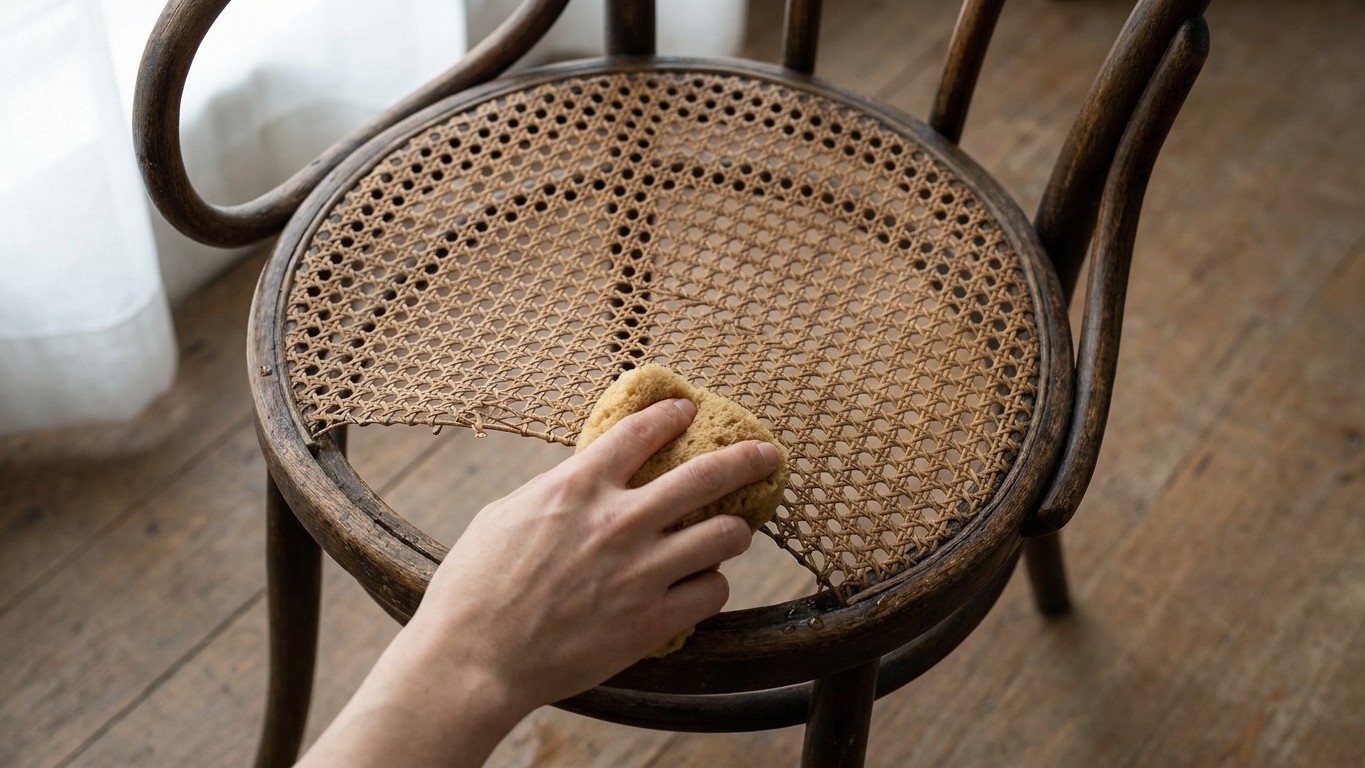
I dry-sanded an old chest of drawers in my living room just to freshen it up: when I saw what had settled into the carpet,...

A weekend furniture refresh turned into a contamination hazard when fine lead dust settled invisibly into the carpet. Old painted chests of drawers and dressers may contain dangerous lead-based paint from before 1992, and dry sanding creates particles so small they’re impossible to see yet heavy enough to embed deeply into carpet fibres where ordinary vacuums can’t reach them.

How a ceiling fan motor switch affects whether air reaches you

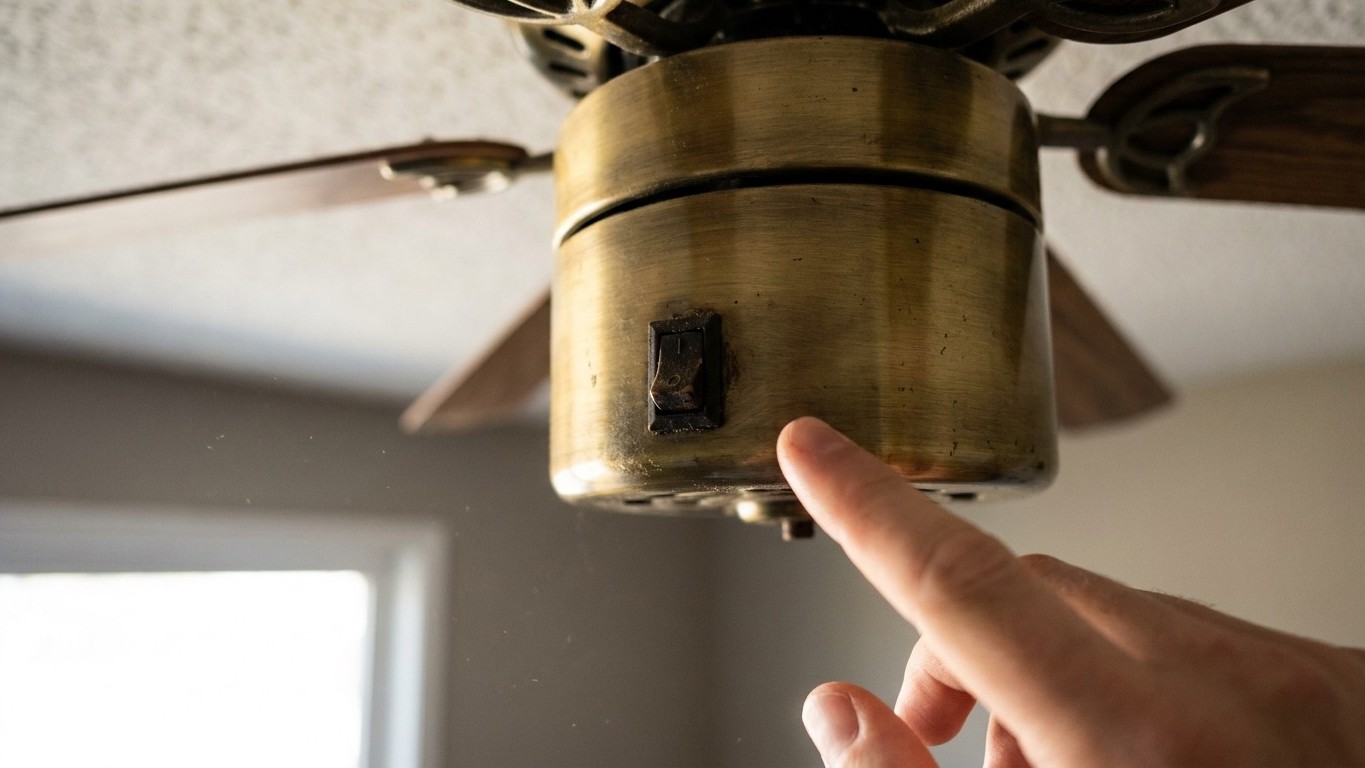
We all keep buying more powerful fans, when it's this one switch on the ceiling fan motor that decides whether the air eve...

A fingernail-sized switch on your ceiling fan motor is probably sitting in the wrong position, costing you serious money. Flick it one way and you’re cooling yourself efficiently; the other way, and trapped warm air stays uselessly at the ceiling all winter. Getting this one detail right could save you up to 30% on energy bills.

Why switching off the extension socket beats unplugging at night

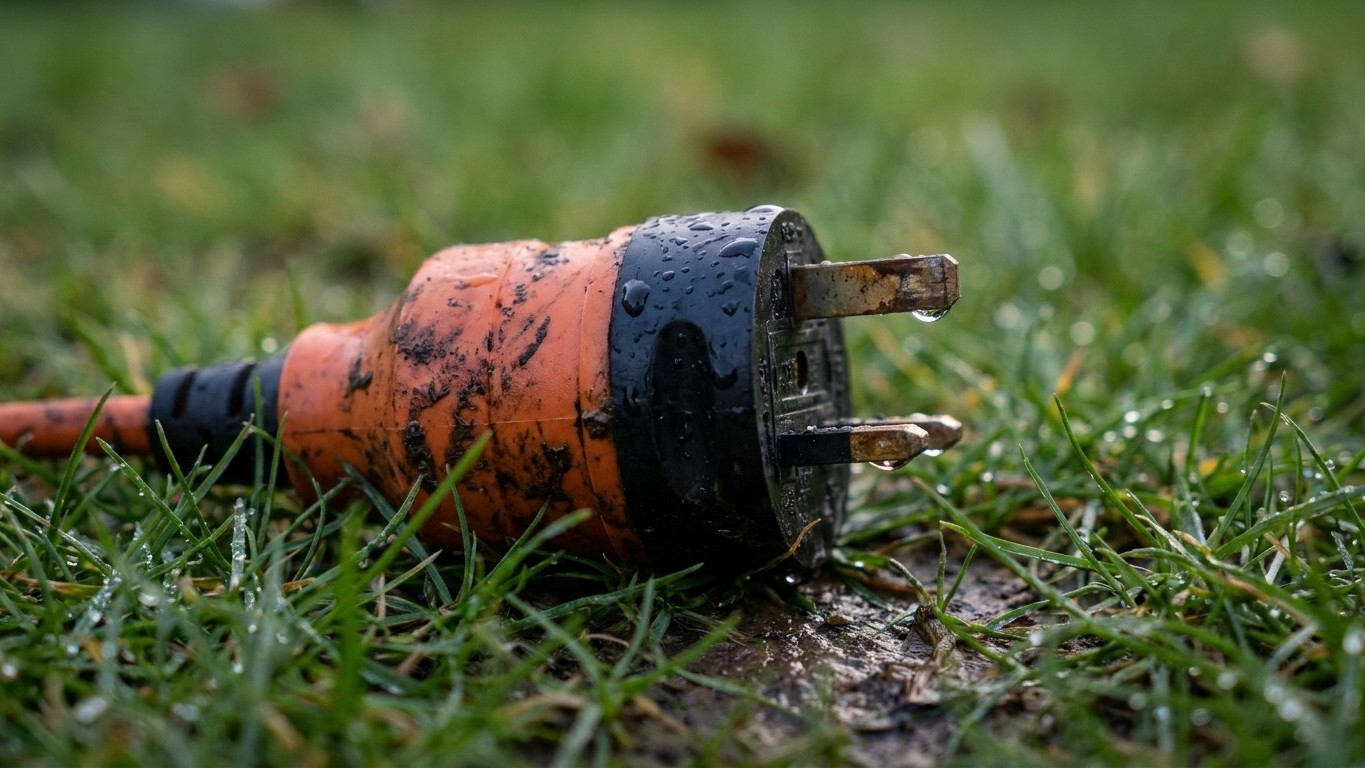
We all insist on unplugging the garden string lights at night, when this one-second move on the extension lead is what sto...

Unplugging garden string lights every night seems sensible—but it’s actually causing moisture damage that trips your RCD and blacks out half your house. A one-second habit of flipping the extension lead’s switch instead prevents corrosion, arcing, and those mysterious mid-summer power cuts.