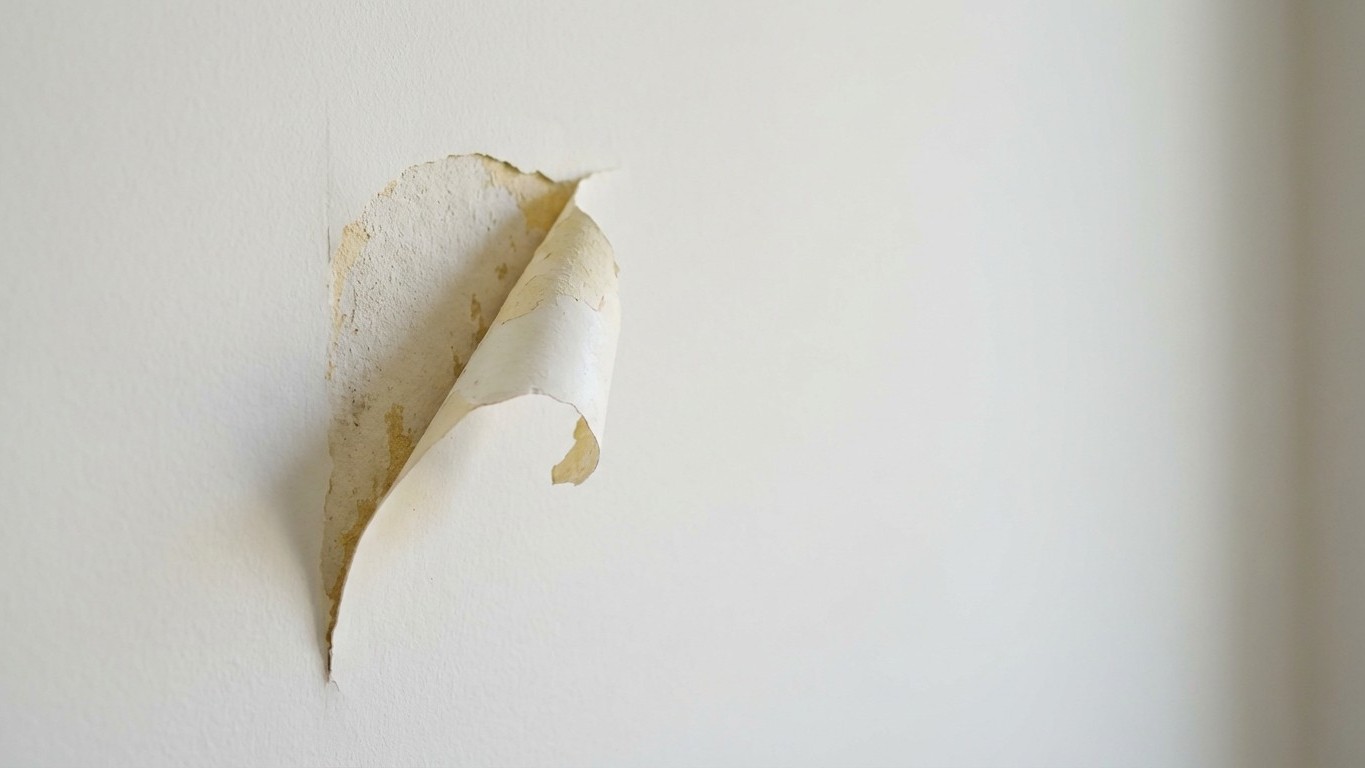
Why You Shouldn’t Paint Your Bathroom Floor Tiles (Even Though It Seems Like a Good Idea)
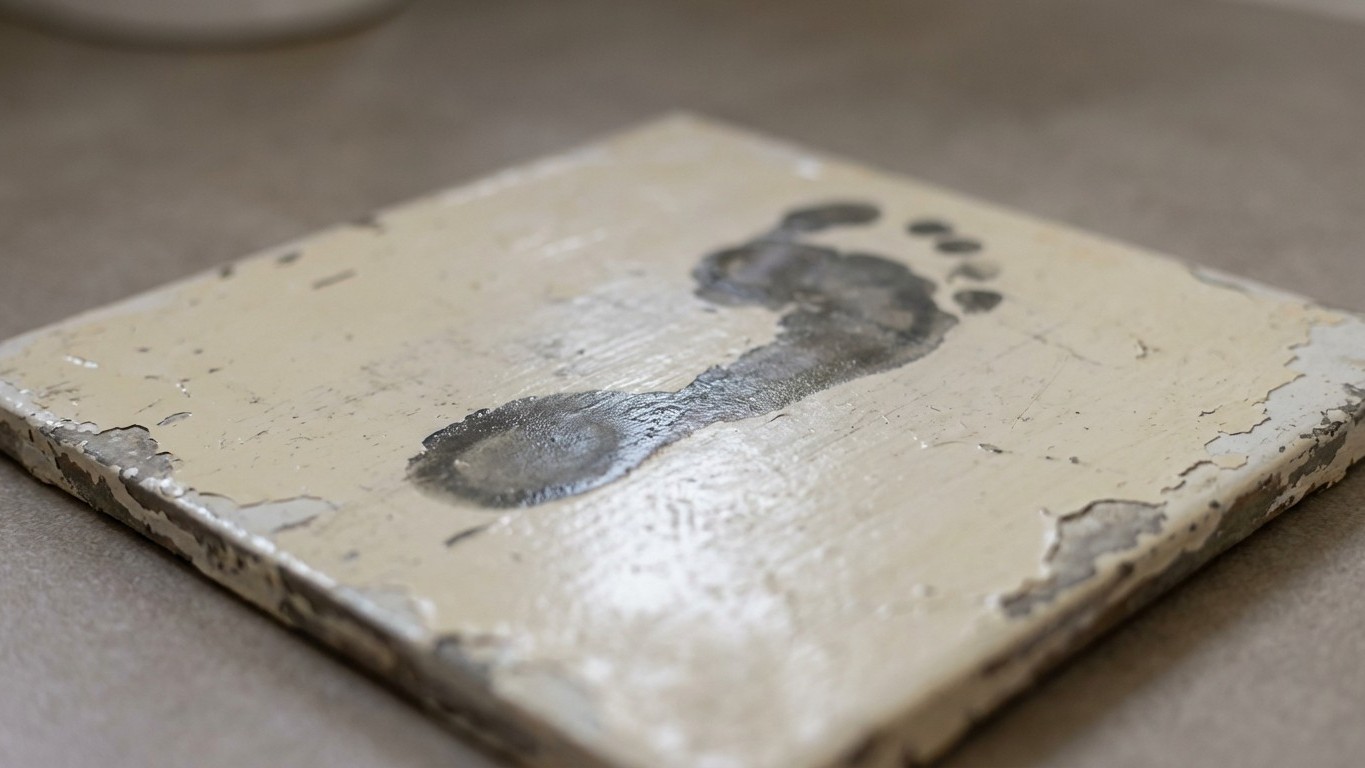
Why You Shouldn't Paint Your Bathroom Floor Tiles (Even Though It Seems Like a Good Idea)

Painting bathroom floor tiles might seem like an easy refresh, but even paint manufacturers warn against it. The constant foot traffic, moisture, and humidity create a losing battle for paint adhesion that no amount of preparation can win.
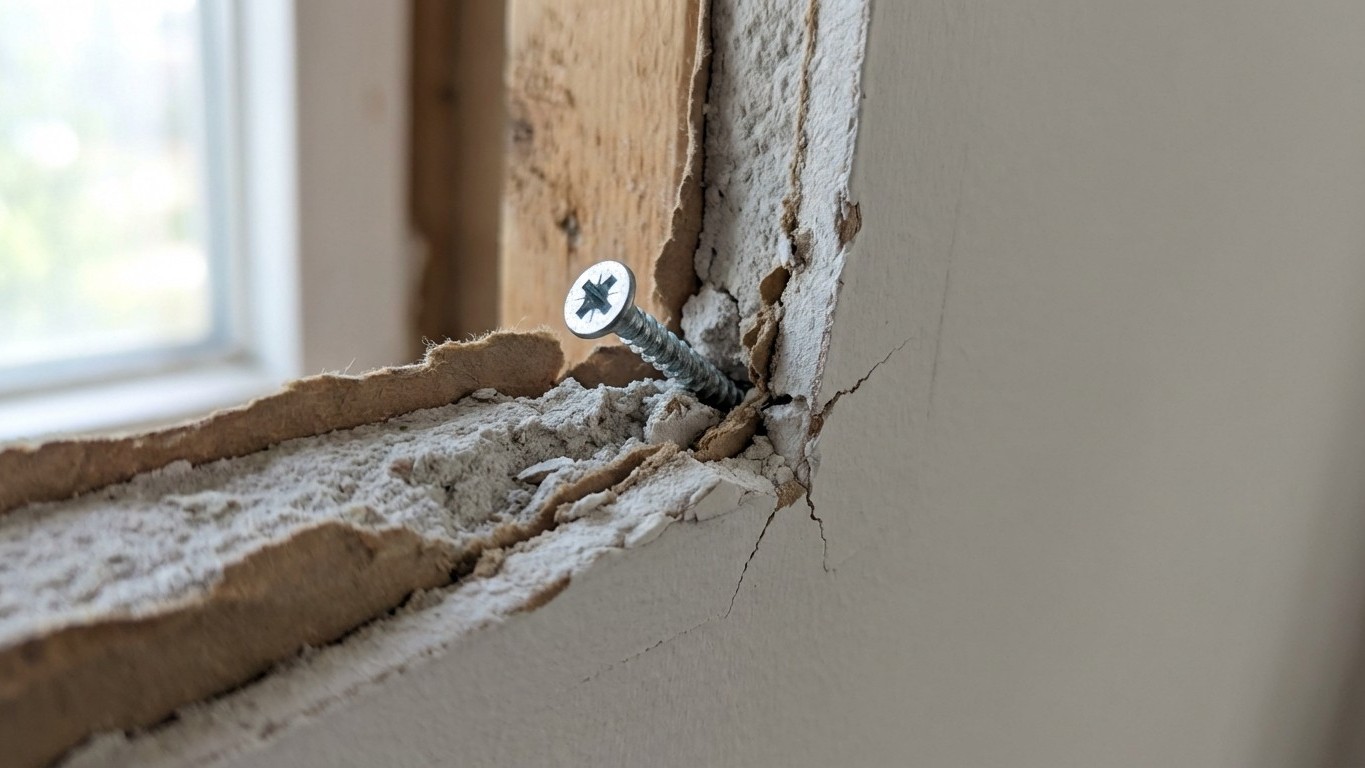
Why shelves fall out of plasterboard walls and how to fix them

The Hidden Danger in Your Plasterboard Walls: Why One Skipped Step Causes Invisible Damage

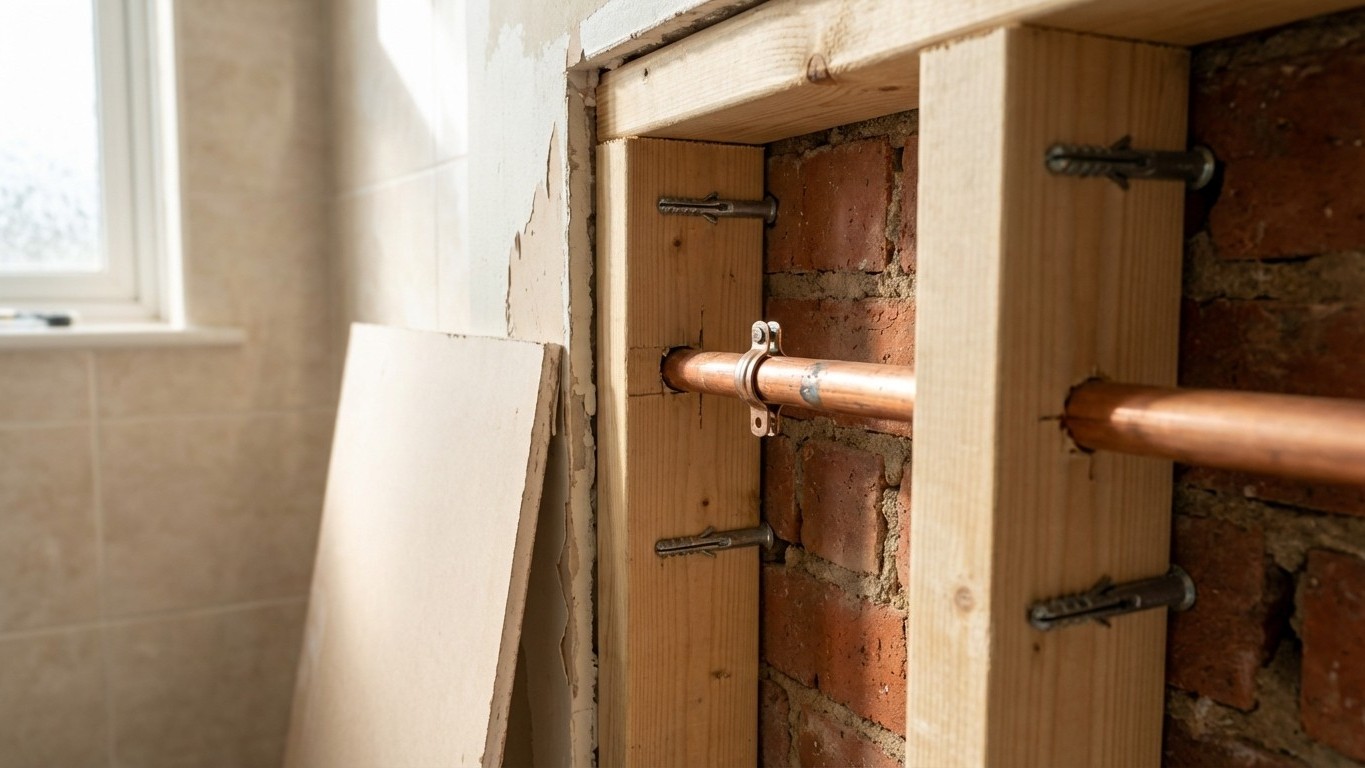
Your plasterboard walls look solid, but they’re far more fragile than you think. Hanging shelves without finding the studs behind the board sets off a chain reaction of microscopic damage that can take months to become visible. Discover the critical step most people skip—and what happens when they do.

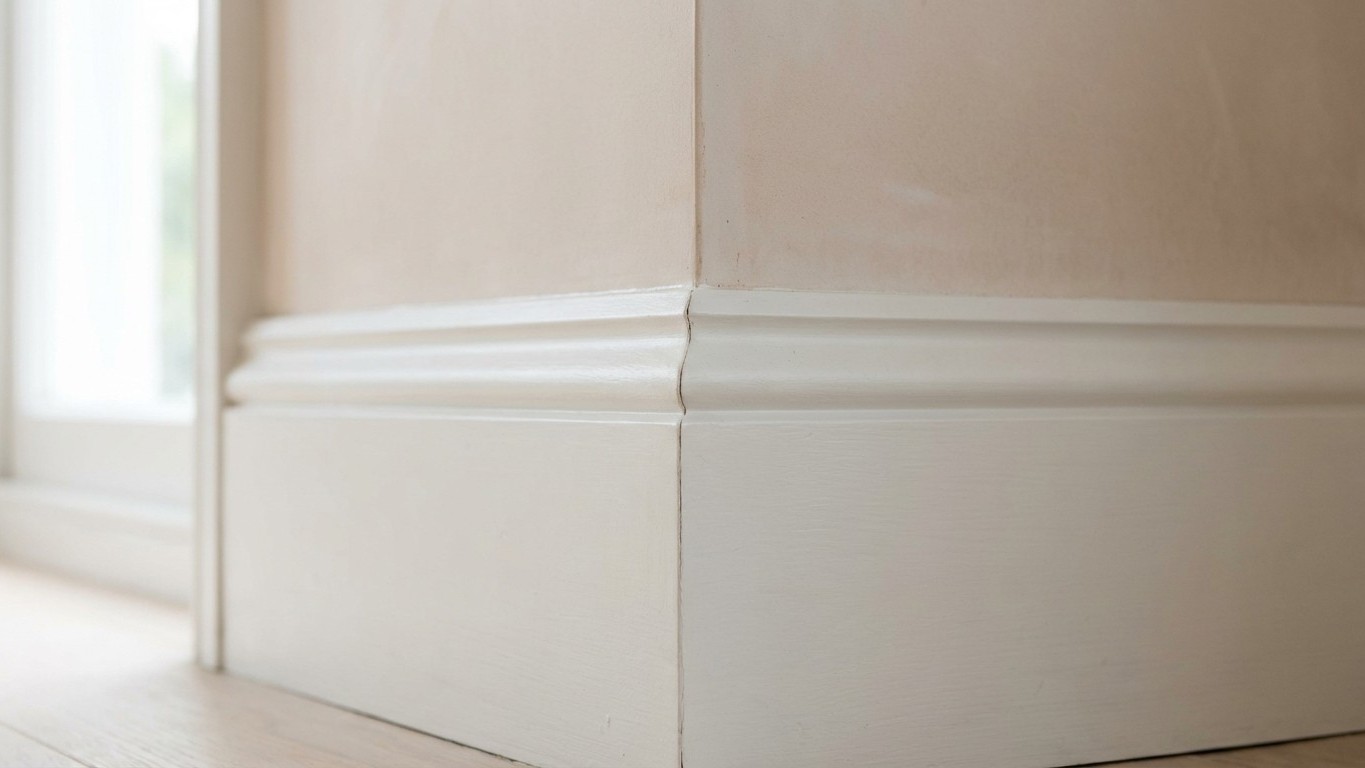
Why 45-degree mitre joints fail on skirting corners

Why Professionals Stopped Using 45° Angles on Interior Corners—And What They Do Instead

That perfect 45-degree miter joint you’ve been cutting on every interior corner? Professional carpenters abandoned that approach decades ago. Discover the scribing technique that creates seamless, gap-free corners even in out-of-square rooms—and why it’s the real mark of professional work.

Why a wet finger ruins your silicone sealant finish

Stop Smoothing Silicone With Your Wet Finger—You're Creating a Mold Trap

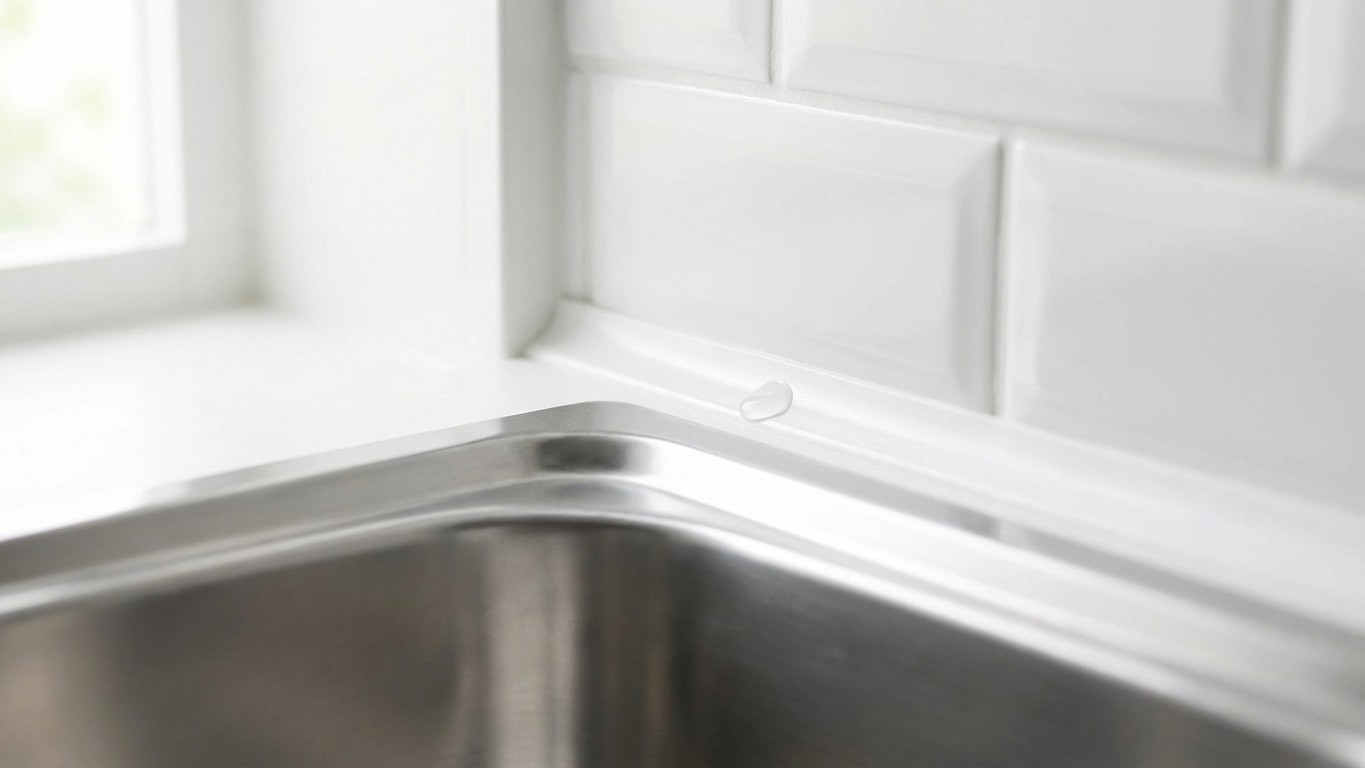
That satisfying wet-finger swipe along fresh silicone sealant feels professional—but it’s quietly creating a hidden groove that collects water, soap scum, and mold spores. A properly sealed joint requires a convex profile, not concave, and there’s a better way to finish the job.

Why your microwave heats food unevenly and how to fix it

The Forgotten Microwave Button That's Ruining Your Food—and How to Fix It

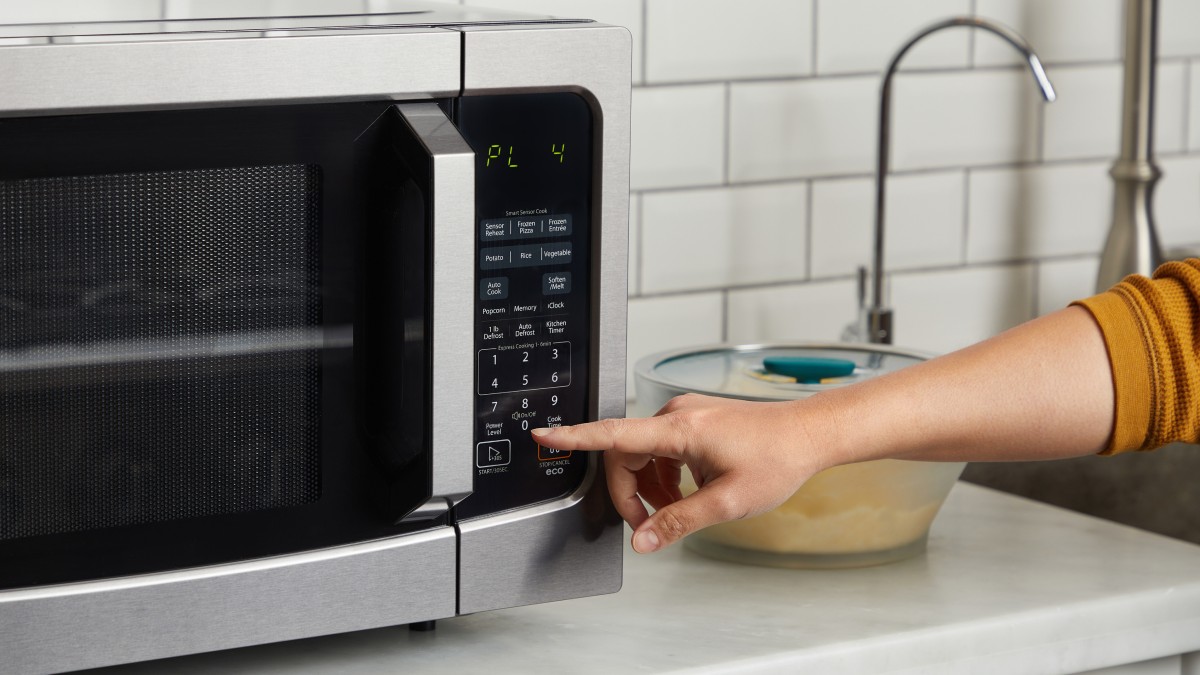
Repairmen reveal the simple solution to uneven microwave heating: the power level button you’ve been ignoring. By adjusting power settings instead of always using full power, you can achieve perfectly heated leftovers every time—no more cold centers or scalded edges.

How to stop wallpaper bubbles on old-house plaster walls

Stop Wallpaper Bubbles Before They Start: The Overnight Trick Old-House Owners Swear By

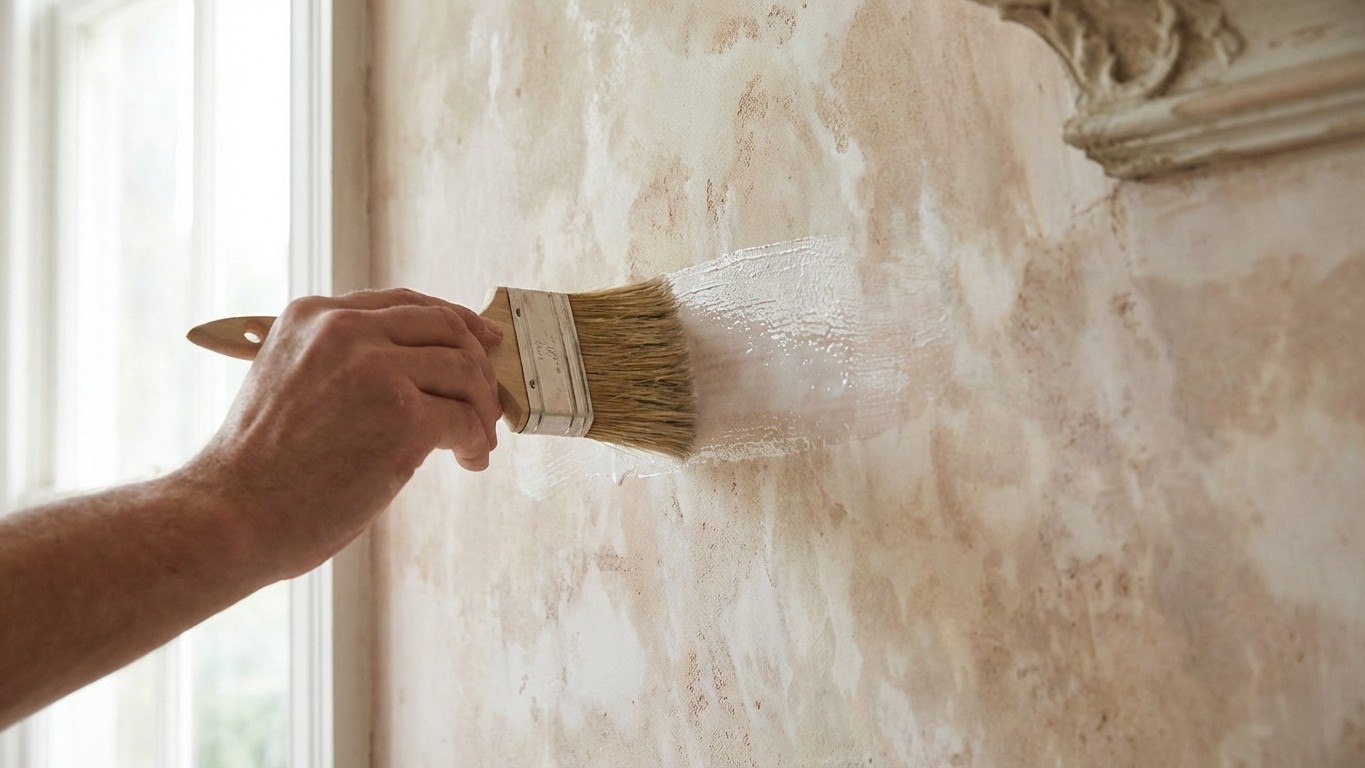
Bubbles, peeling corners, and lifted edges plague old-house wallpapering projects—but one overlooked overnight step changes everything. The culprit is old plaster’s inconsistent thirst for moisture, and sizing applied the evening before you hang a single strip seals the surface and ensures professional results.

Why limewash is replacing painted walls in British living rooms

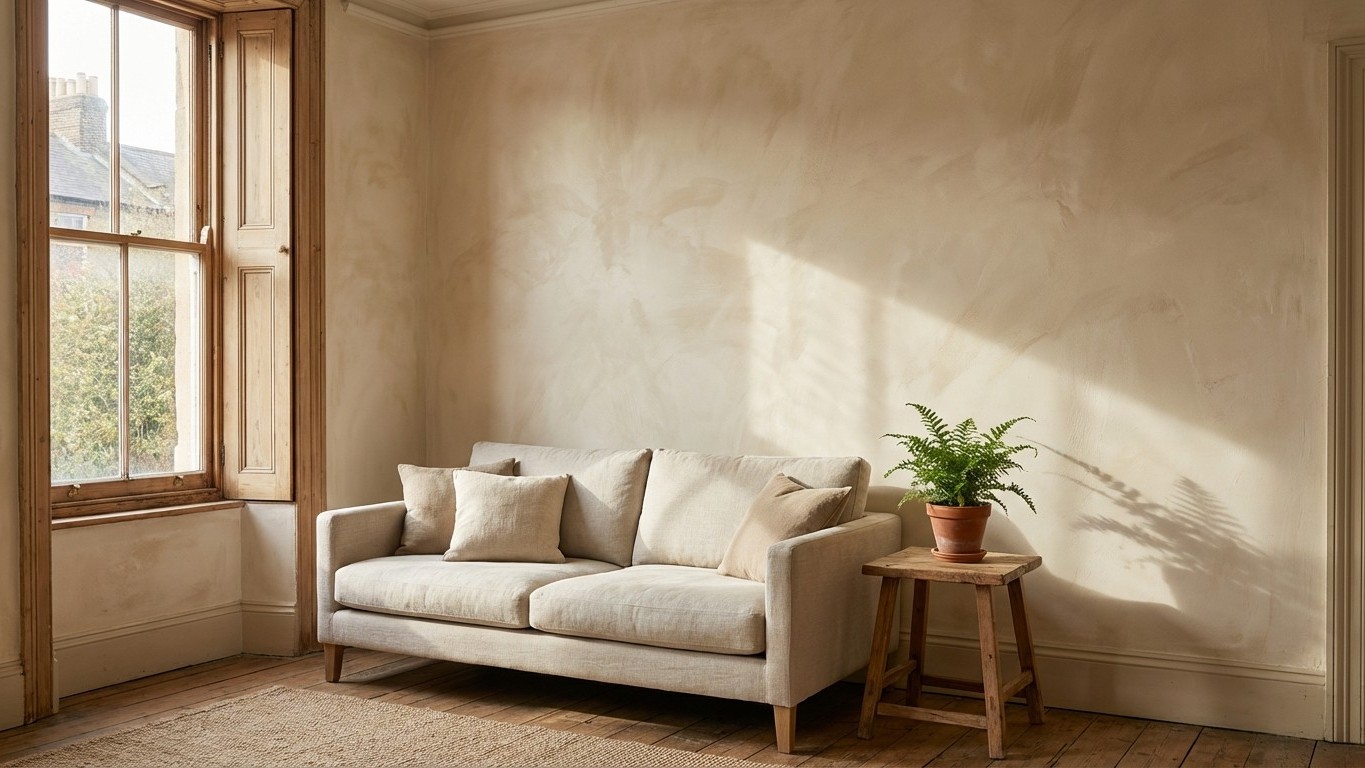
Limewash is taking over British living rooms in 2026—here's why painted walls are out

Flat painted walls are losing their grip as British homeowners embrace limewash—a centuries-old finish making a dramatic comeback. This naturally breathable material creates subtle movement and depth that modern emulsion simply cannot replicate, transforming static spaces into living environments.

How to prepare walls before painting to stop paint peeling

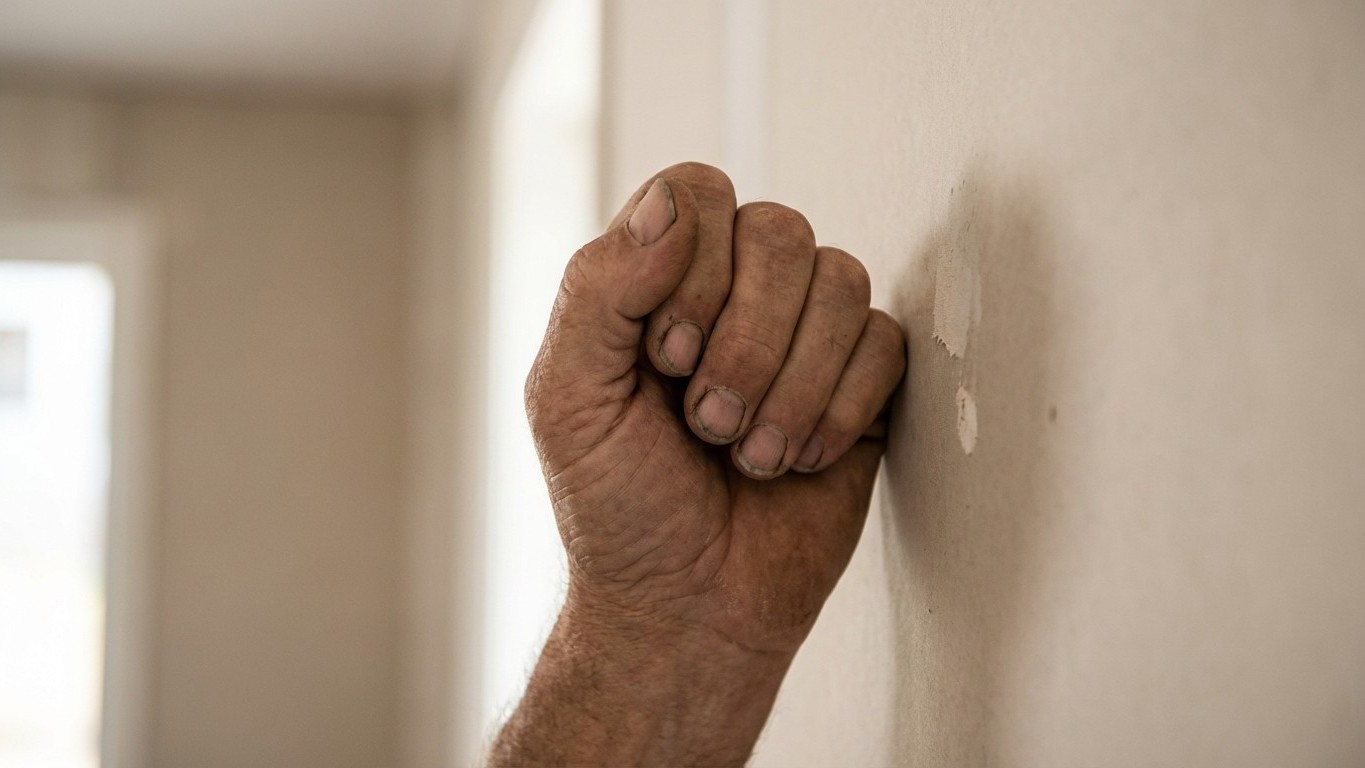
The Hidden Wall Flaw That Determines If Your Paint Lasts 5 Years or Peels in 6 Months — The Critical Step 90% Skip

Your paint isn’t failing because of the brush or coats—it’s failing because of what happens before you open the tin. One overlooked surface preparation step, skipped by 90% of decorators, determines whether your paint lasts five years or peels in months. The fix costs almost nothing extra—only patience.