Why a Freezer Builds Frost and How a Paper Test Checks the Seal
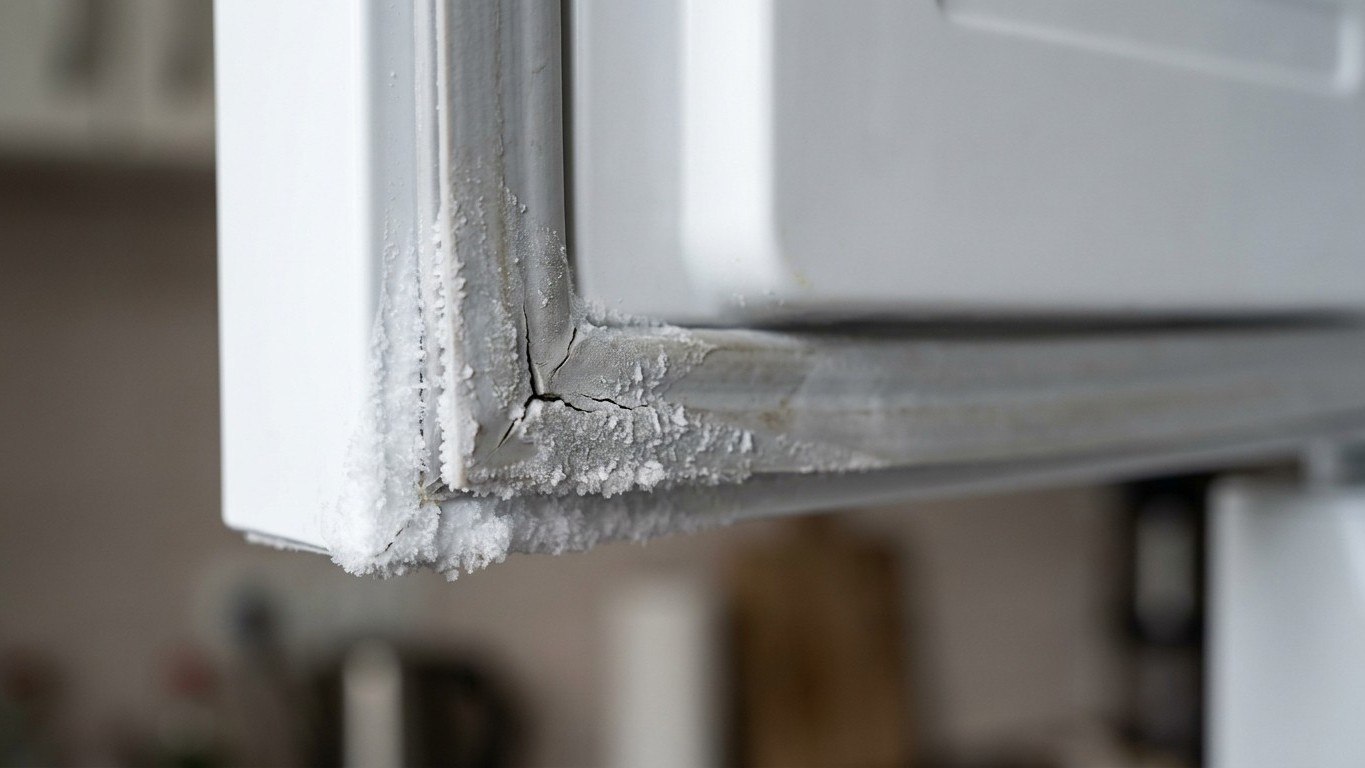
I ignored my freezer's frosted walls all through the 95°F heat: the day a repairman showed me the paper trick on the door ...

Frost creeping up freezer walls isn’t just unsightly—it’s costing you up to 30% extra in energy bills. A repairman showed me a one-minute paper test that revealed the real culprit: a failing door seal silently letting warm air in all summer long.


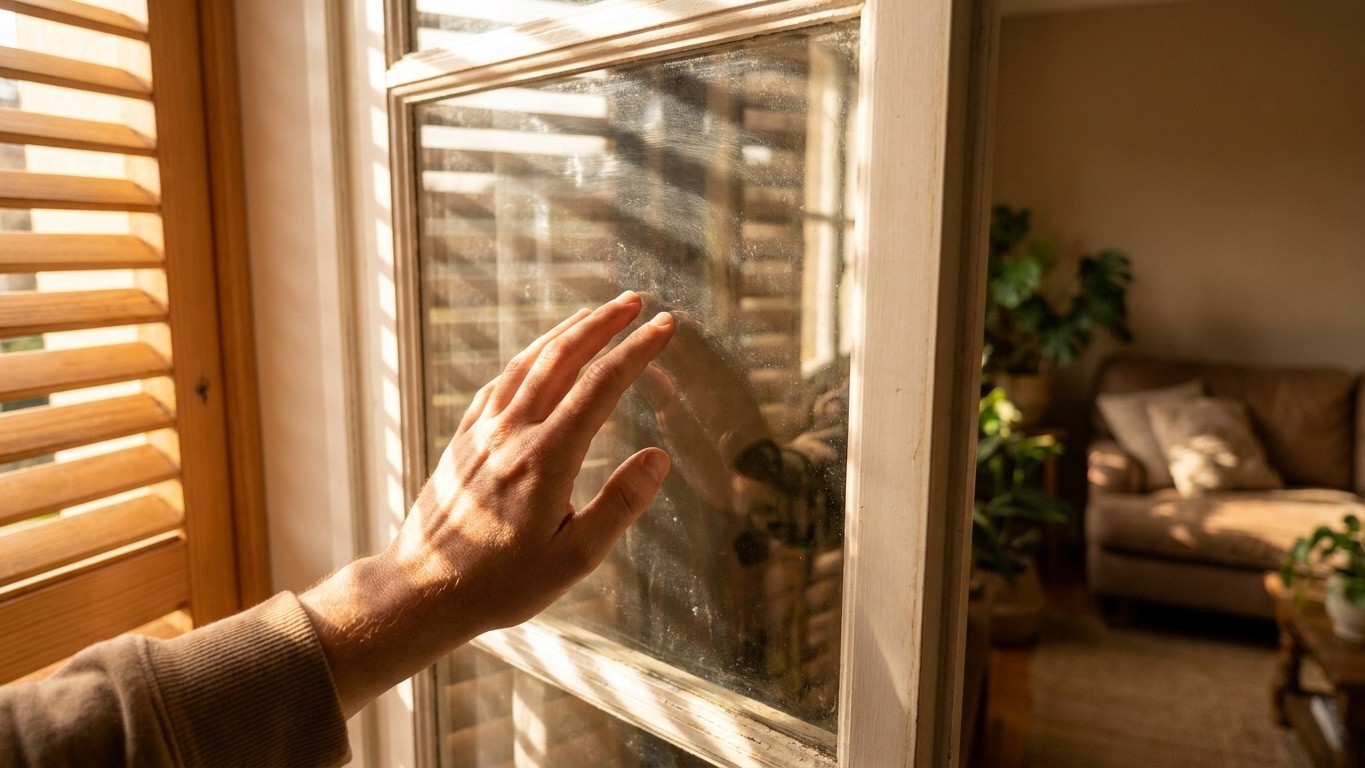
Why Closing South-Facing Shutters Before 10 a.m. Keeps Rooms Cooler

I always opened my windows wide on hot afternoons to cool the house: the day I closed the south-facing shutters before 10 ...

For thirty summers, opening windows wide on scorching afternoons felt like relief—until one morning of closed shutters revealed the truth. The solution isn’t about windows open or closed, but understanding when to do each, and protecting south-facing glass from outside, not in.

How a Wet Sheet Over a Window Cools a Room by Evaporation

Why Your Grandmother's Wet Sheet Trick Actually Works: The Physics Behind a Century-Old Cooling Hack

Your grandmother wasn’t superstitious—she was a physicist. That damp sheet hanging in front of the window was actually running an evaporative cooler, using water’s natural cooling properties to drop room temperature by several degrees without electricity. Generations of families across cultures discovered this same trick independently, and modern science confirms it works.

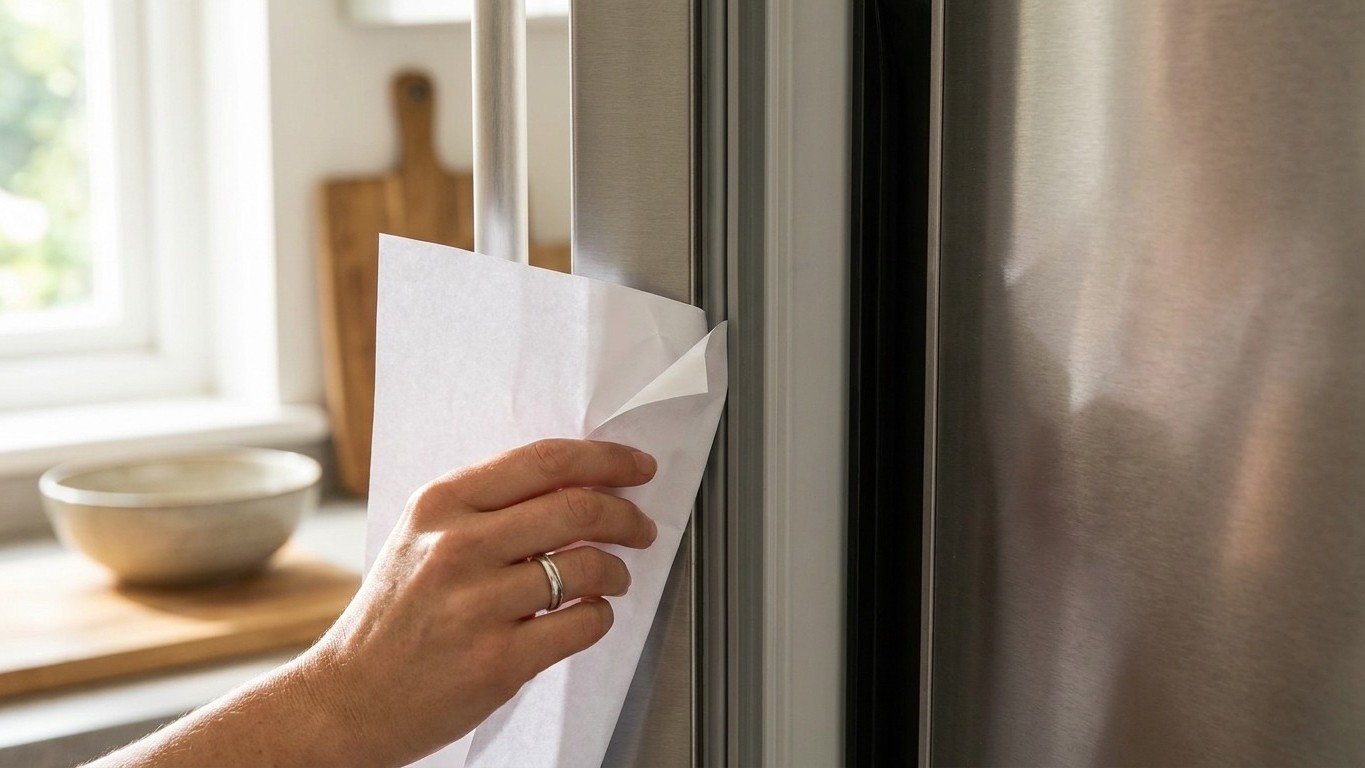
Why Your Fridge Never Stops Running: Test the Door Seal With Paper

Skip the Repair Shop: The 10-Second Paper Test That Reveals Why Your Fridge Never Stops Running

Your fridge’s non-stop humming likely isn’t the heatwave’s fault—it’s the rubber seal around the door. A simple two-minute test with a sheet of paper reveals whether cold air is escaping, and cleaning might be all you need before considering a costly replacement.

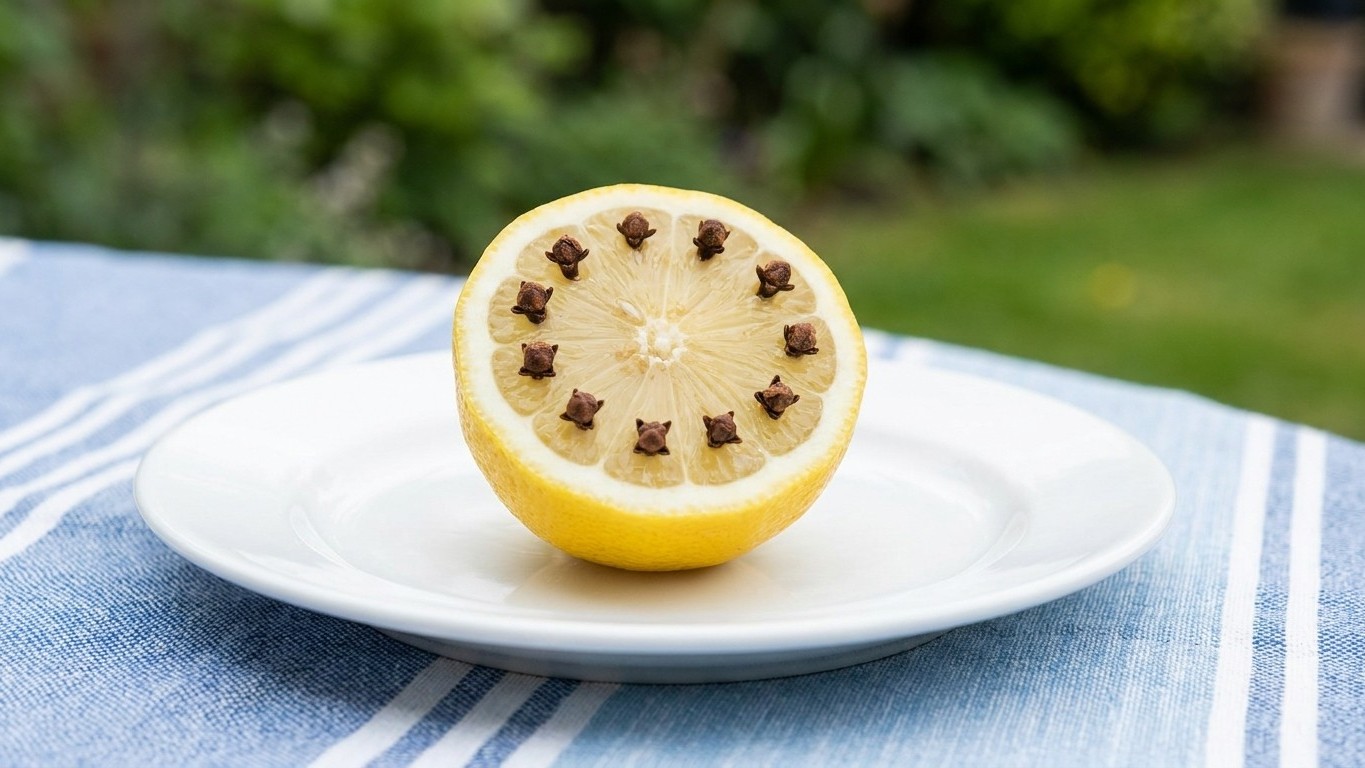
Why a Lemon Studded With Cloves Repels Wasps and Flies

The Secret Weapon Against Summer Wasps and Flies: Why a Clove-Studded Lemon Outperforms Citronella

A halved lemon studded with whole cloves has been keeping tables fly-free for generations—and it actually works better than citronella candles. The secret lies in how eugenol from cloves combines with citrus oils to create a steady, directional scent that deters insects without wind or flame.

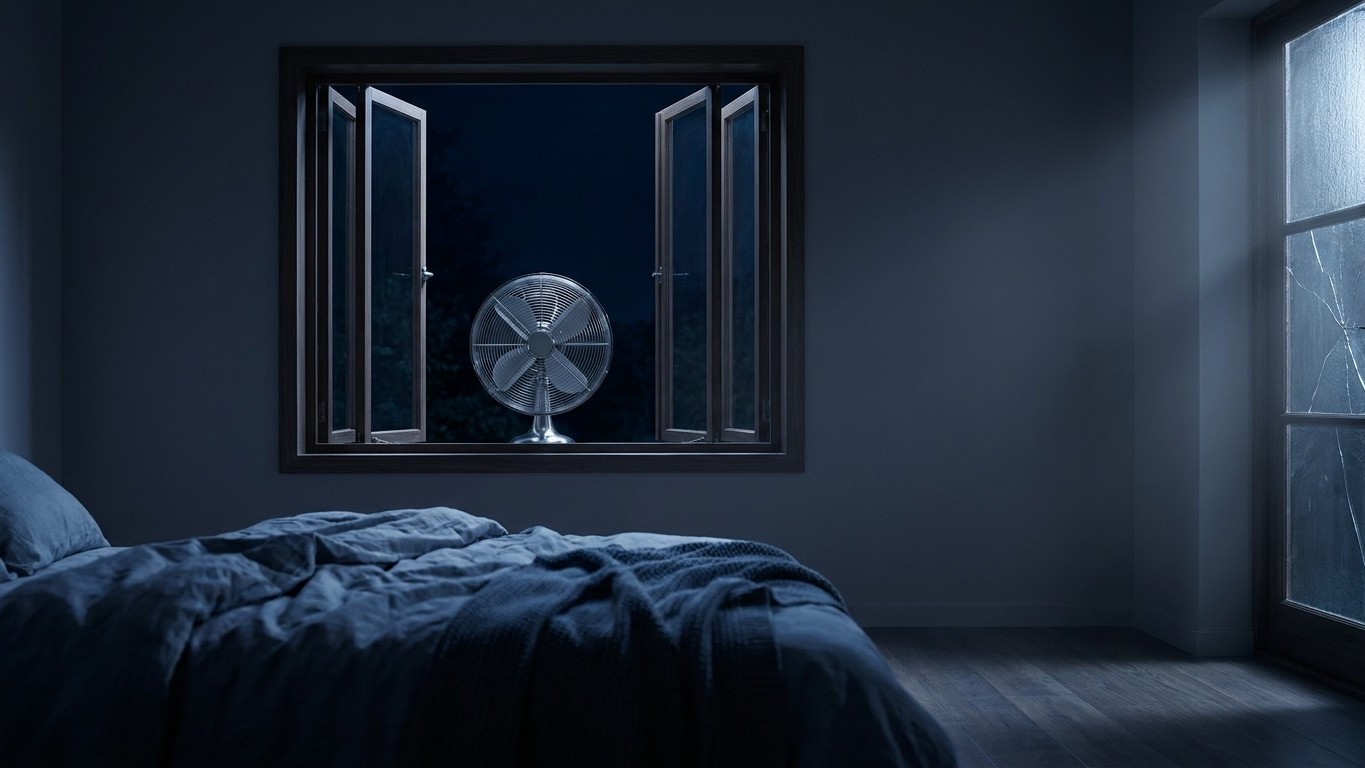
Stop Pointing Your Fan at Your Face: The Physics Behind Cooling Your Room Faster at Night

Stop Pointing Your Fan at Your Face: The Physics Behind Cooling Your Room Faster at Night

Forget blowing a fan directly on yourself—pointing it out the window actually cools your entire room faster by creating cross-ventilation that exchanges hot indoor air for cooler night air. This counterintuitive trick relies on basic physics and a 8-10°C temperature drop after sunset, transforming a stuffy bedroom within minutes.

Why Fence Paint Blisters in Summer Heat and What Causes It

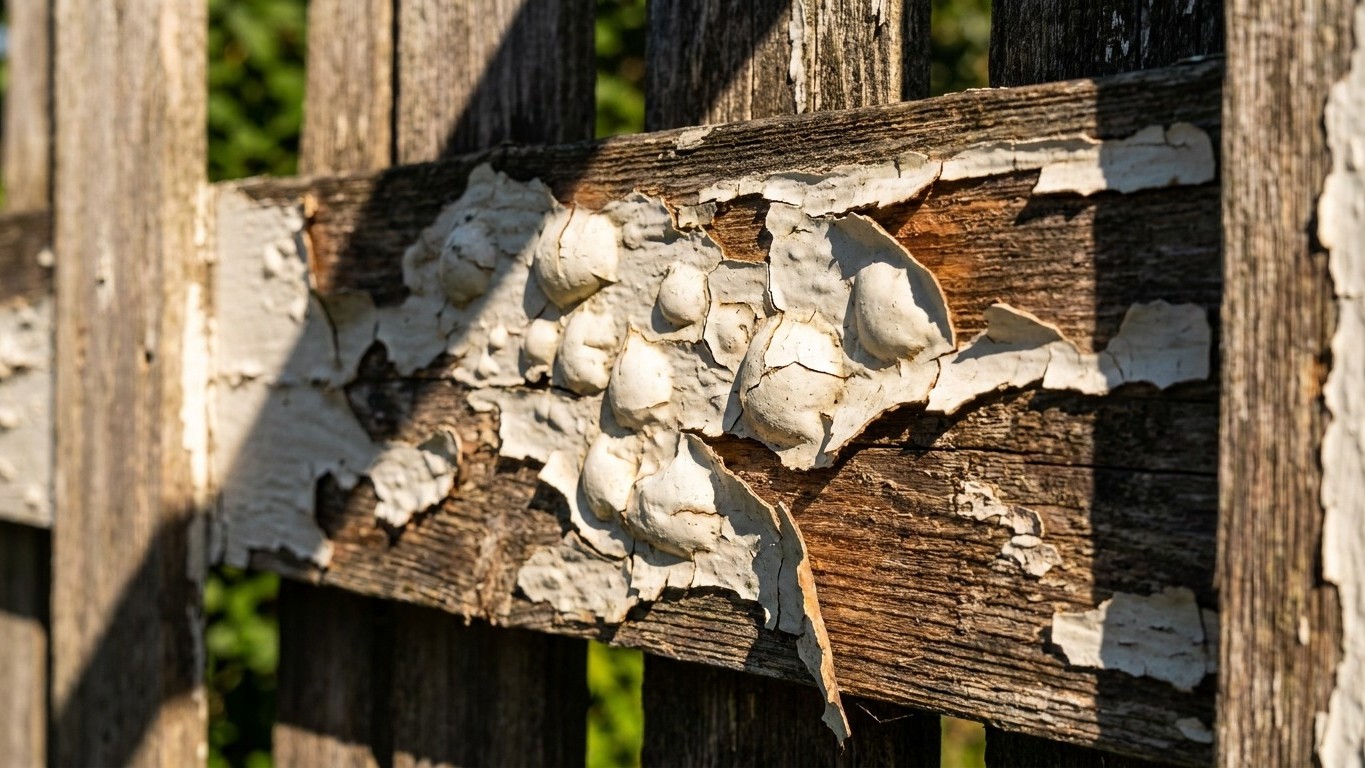
Why Your Summer Fence Paint is Blistering: What a Professional Painter Revealed About the Heat Trap Under Your Coating

Painting your fence in the hottest part of summer seemed logical—until blisters appeared a week later. A professional painter revealed the science of what was happening beneath the surface and shared the exact timing and technique needed to prevent it happening again.

Why Masking Tape Bakes Onto Window Frames in Summer Heat

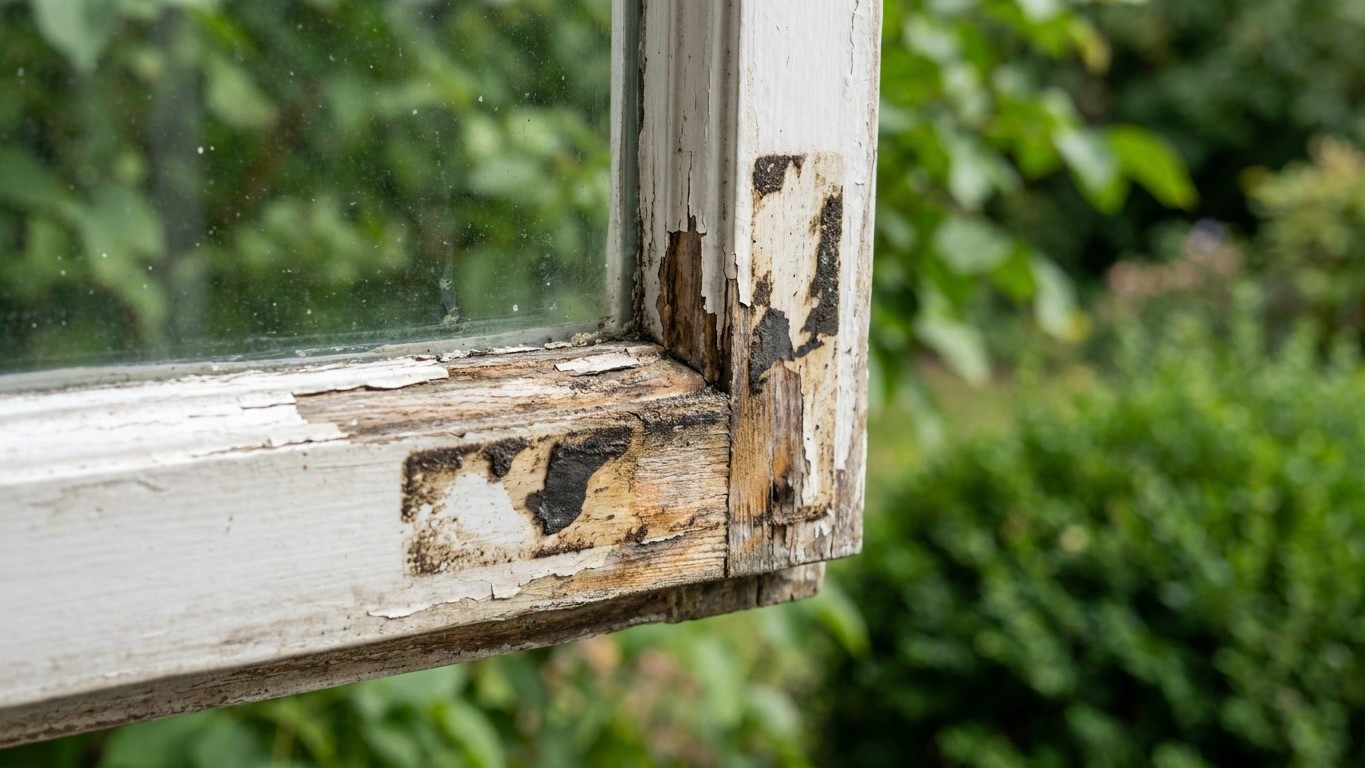
I Left Masking Tape on in July Heat—Here's What Happened When I Peeled It Off

A month of July sunshine transformed removable masking tape into a permanent fixture on window frames, teaching an expensive lesson about heat, adhesive chemistry, and the difference between dry paint and cured paint. What should have been a simple touch-up became an afternoon of scraping and regret.

How Insulating a Roller Shutter Box Keeps Summer Heat Out of a Room

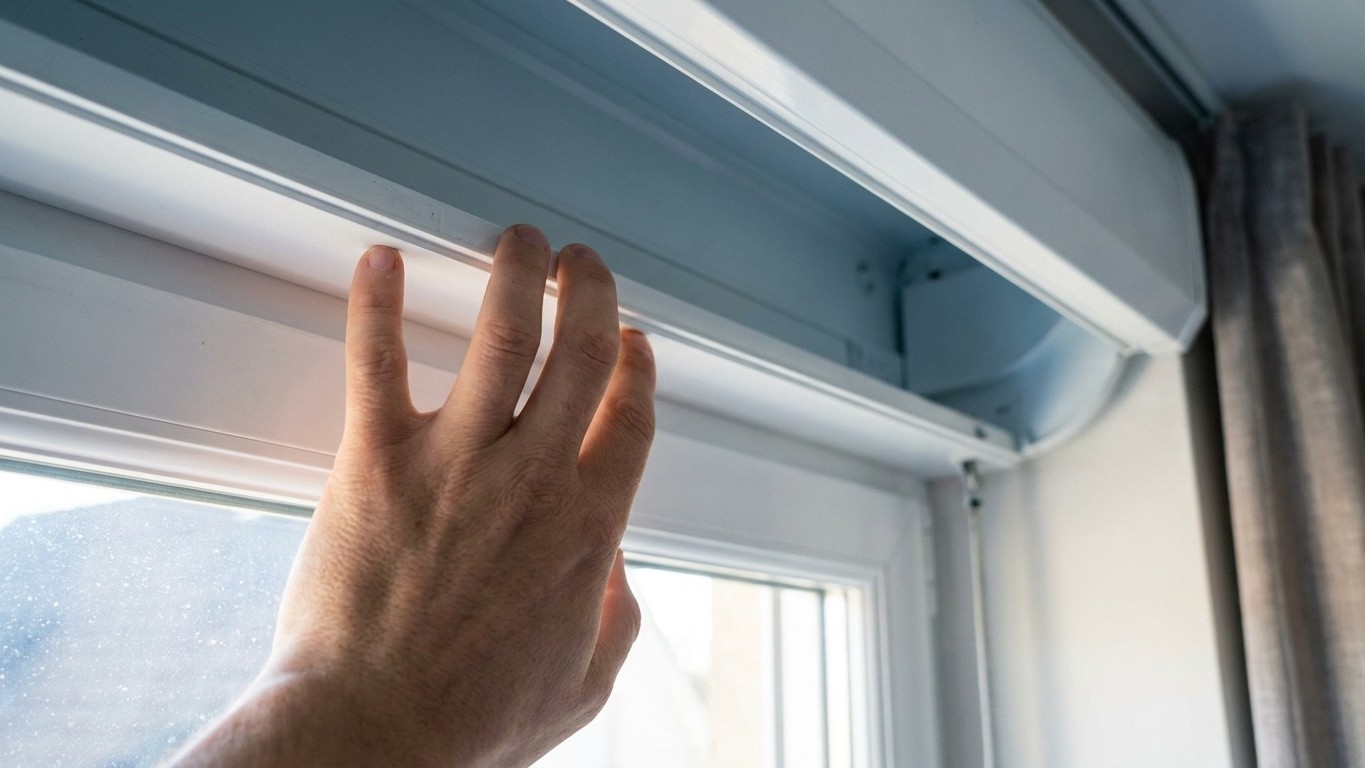
I Insulated My Roller Shutter Box in One Afternoon—Then the Heatwave Revealed Years of Wasted Energy

A homeowner discovers their roller shutter box is a hidden thermal disaster, losing more heat than the window itself. Armed with basic materials and one Saturday afternoon, they seal the gap—and the next heatwave proves just how much energy was escaping all along.