
The IKEA REGOLIT pendant lampshade costs just £2. Two pounds. And yet, with a cup of cold tea, a soft paintbrush, and about twenty minutes of your afternoon, it can pass for something that came from a boutique lighting shop with triple-digit price tags. That is the trick that has been spreading across Instagram, TikTok, and every DIY corner of the internet, and honestly, it deserves every bit of attention it’s getting.
Key takeaways
- A £2 IKEA lampshade can be transformed to rival £150+ designer lights using everyday household items
- The tea-staining technique combines centuries-old textile dyeing methods with modern DIY creativity
- Renters and budget decorators are embracing the hack as a game-changing way to personalize spaces without commitment or expense
The Humble Little Shade Behind a Big Trend
The classic IKEA REGOLIT pendant lampshade has become something of a modern icon, you’ve almost certainly seen it in countless living room settings, largely thanks to its delightful £2 price point. It’s a simple white rice paper lamp that is very easy to hack to make it fit your space perfectly. The round globe shape is clean, the light it produces is soft, and the material, being paper, takes paint, stain, and texture beautifully. That last quality is the whole point.
The problem, if you can call it that, has always been the colour. When put head to head against higher-end paper lamps on the market, IKEA’s stark-white shade can look a little off. The £200 Japanese-inspired rice paper lamps you see in interiors magazines carry a warmth, a slightly aged, honeyed tone that whispers “handmade” rather than “flat-pack.” That warmth is what the tea hack delivers, for the cost of a teabag you were probably going to throw away anyway.
How the Tea Stain Hack Actually Works
Last year saw the hand-painted paper lampshade trend come to fruition as a creative way to customise paper lamps and elevate the IKEA lighting classic. But painting felt fiddly to many people, and the results were sometimes patchy. The tea stain method is far more forgiving. The technique was demonstrated in an Instagram reel by retro homes enthusiast Becky Lynne, who showed how you can instantly update the look of your cheaper paper lampshades with some tea and a touch of spray paint at the base.
The process itself is straightforward. First, disassemble the lamp and spray paint the legs with some matte black spray paint. For the shade, brew up a cup of tea, let it cool down, and then simply go in with a paintbrush to stain the lampshade. That’s genuinely it. The trick is working in gentle, overlapping strokes, letting the paper absorb the liquid naturally rather than saturating it all at once. Build up the warmth in layers, a second or third wash of tea deepens the effect considerably, and you can leave the very top of the globe slightly paler to give the illusion of variation in the material.
One word of caution worth passing on: the lampshade can get a little flimsy during the painting process, so take extra care not to accidentally puncture a hole into your new project. Work on a flat surface with the shade resting gently, and let each coat dry completely before adding another. Once Everything is dry, simply reassemble, add a lightbulb, and what you’re left with is a gorgeous paper lamp that gives off that perfect warm glow.
The tea also does something rather lovely when the light is switched on. The tannin doesn’t stain the paper uniformly, it pools very slightly in the texture, creating what looks like an irregular, organic finish. Exactly the kind of imperfection you’d pay a premium for at a design market.
Going Further: The Techniques That Keep on Coming
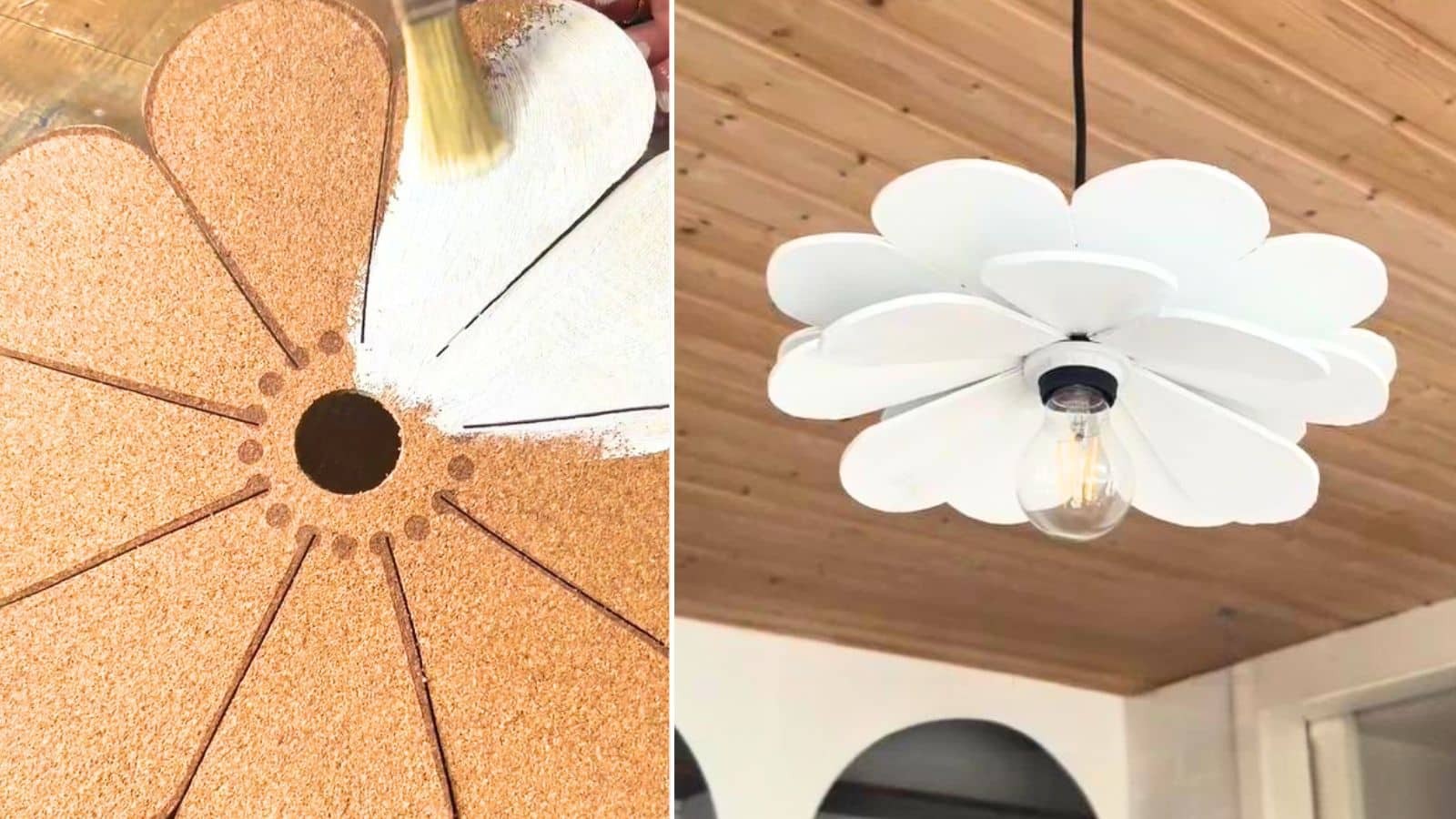
The tea stain is just where it starts. The hand-painted paper lampshade trend has offered all sorts of creative ways to customise paper lamps. One of the most shared variations involves muffin liners, yes, the paper baking cases from your kitchen drawer. Hackers have been gluing cupcake cases onto the Regolit shade using a hot glue gun, creating a layered, petal-like effect that looks remarkably close to those sculptural lamps sold in boutique homeware shops. Some crafters tea-stain the muffin liners first, then attach them, combining both techniques for an even richer finish.
For those who prefer something with a bit more graphic punch, there’s the painted approach. DIYer Tina Le Mac Transformed a plain pendant light into a showstopper simply by highlighting its shape with a little paint, measuring out lines to create a grid on the inside of the pendant and painting every other square to create a checkerboard pattern. Painting the lampshade is the easiest idea of all — make it ombré, add polka dots, or any other prints you like. IKEA themselves have even got in on the act, with their own ideas page suggesting using MÅLA paint, a roller, and patterned ink stamps to give the REGOLIT lampshade a unique style update that still goes very easy on your wallet.
Washi tape, crepe paper flowers, strips of natural rattan, the list of materials people have successfully applied to this humble globe runs long. The Regolit has essentially become a blank canvas that the internet has collectively decided to treat as an art form.
Why This Has Caught On So Completely
There’s something satisfying about the economics here that goes beyond simple frugality. Designer pendant lights, the kind with the warm, organic tones that interior stylists reach for — can easily cost over £150. The REGOLIT plus a box of teabags plus a can of matte spray paint comes to well under £10. If you do this with your IKEA paper lampshade, it’s a surefire way to make a £2 purchase instantly look like high-end or vintage decor.
There’s also something to be said for the renter-friendliness of the whole project. This type of lamp project takes under 10 minutes and feels like a perfect beginner-level DIY for any renter trying to make their home feel a little more customised. No drilling, no permanent fixtures, no landlord negotiations. Just a lampshade you’ve made your own.
The viral appeal also reflects a broader shift in how people think about home decorating. Just because you don’t have a designer budget for home decoration, it doesn’t mean you can’t cultivate an impressive sense of style, great design taste is really just about knowing what clever tweaks to make in a room, something that can be achieved without spending too much. That attitude, practical and quietly confident, is exactly what drives people to spend a Tuesday afternoon with a paintbrush and a cooling cup of Yorkshire tea rather than clicking “add to basket” on something from a boutique.
One final thing worth knowing: tea staining is not just a trend, it’s a technique with genuine textile history behind it. Fabric dyers have used tannin-based stains for centuries to age materials and soften new fibres, which is part of why the effect looks so convincing on rice paper. The REGOLIT hack hasn’t invented anything new; it’s simply applied an old craft tradition to a £2 globe from a Swedish furniture company, and the results speak rather well for themselves.
Sources : livingetc.com | housedigest.com