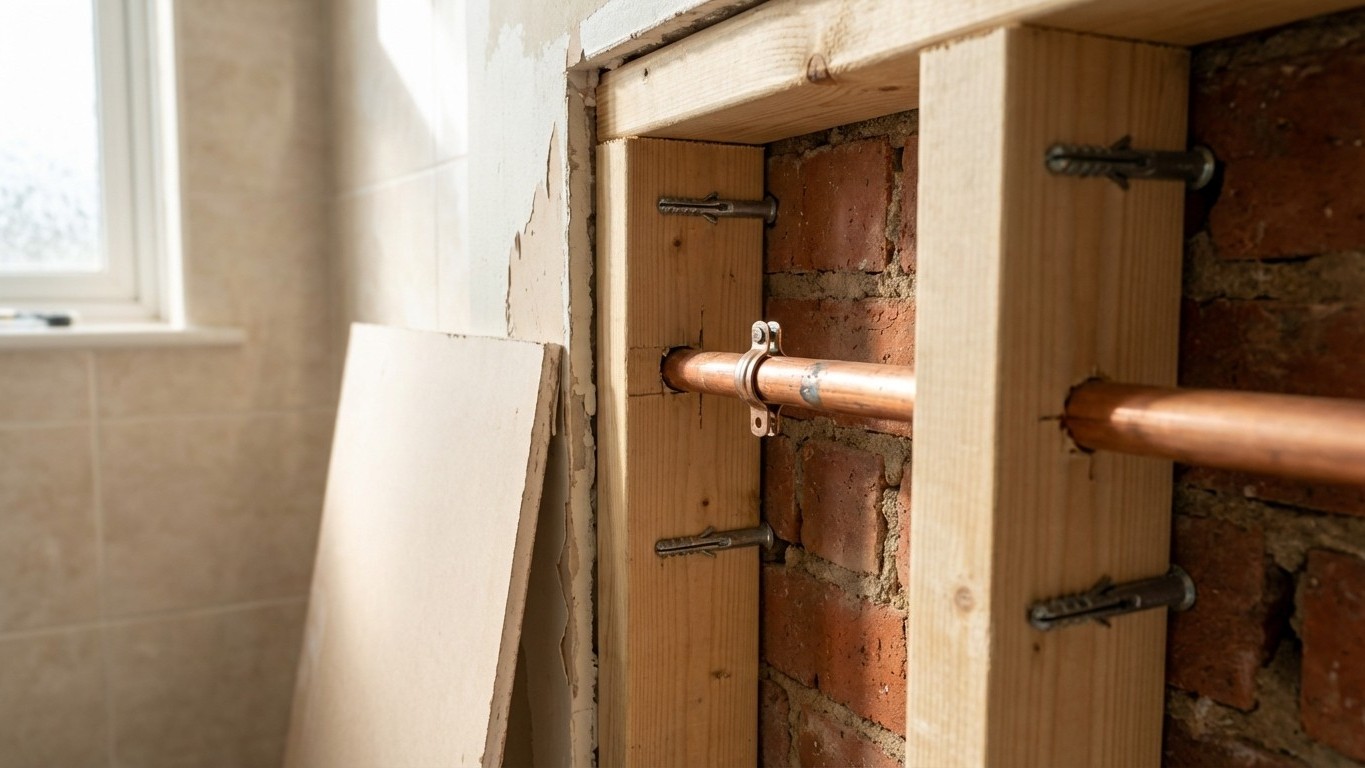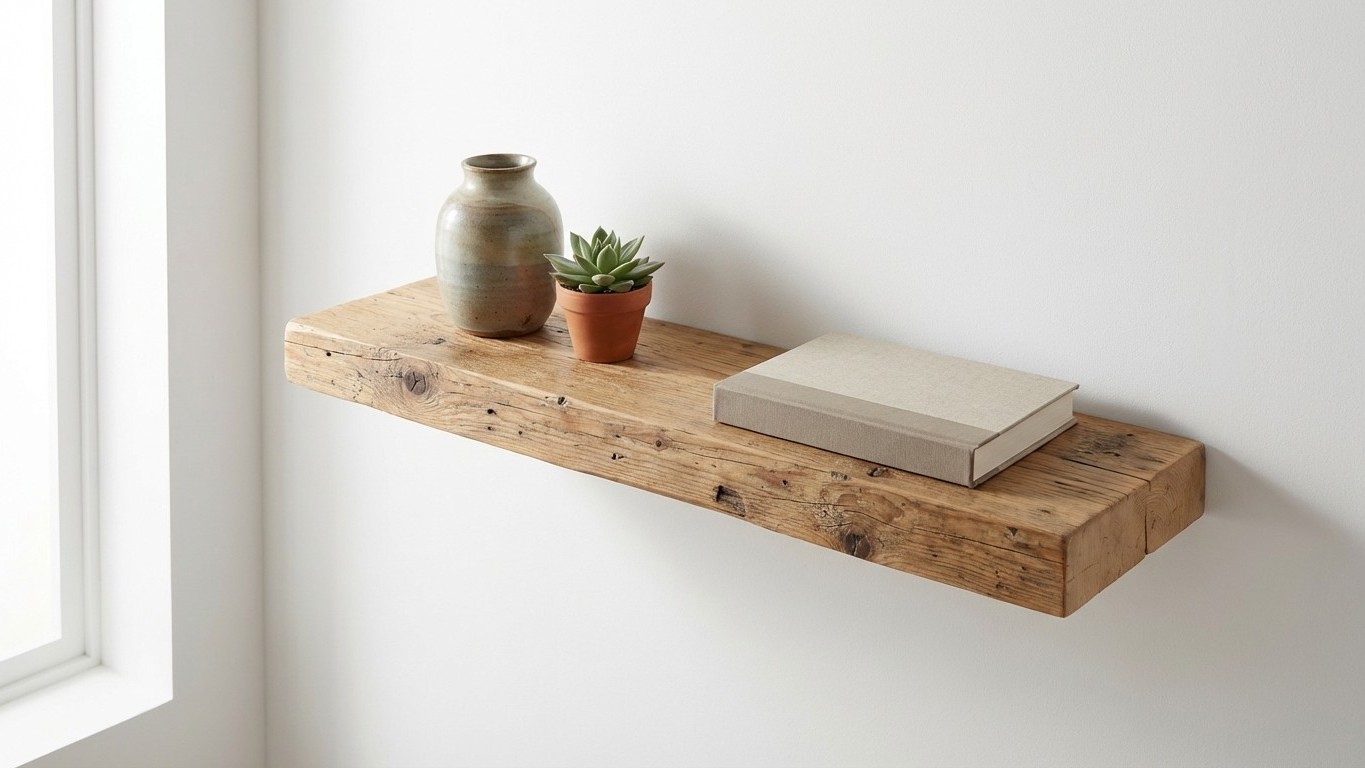
Why shelves fall out of plasterboard walls and how to fix them
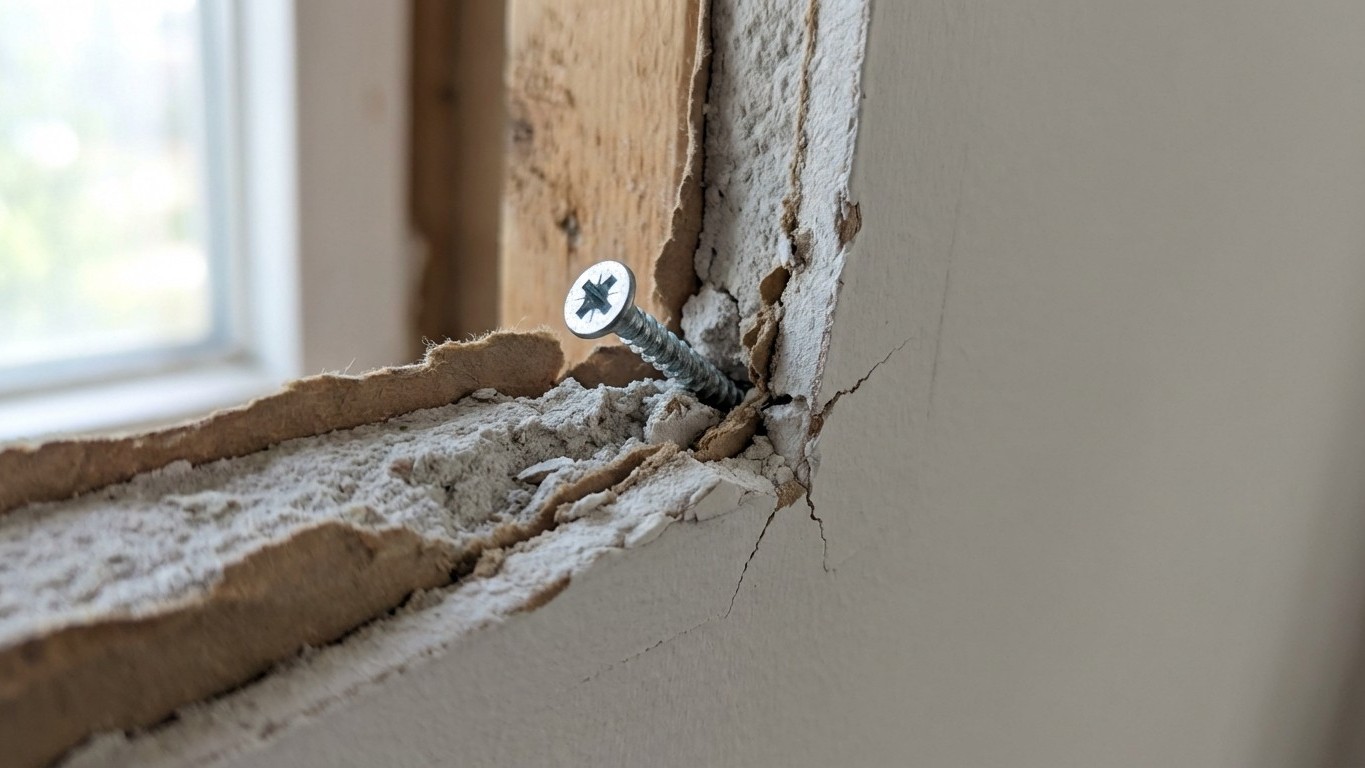
The Hidden Danger in Your Plasterboard Walls: Why One Skipped Step Causes Invisible Damage

Your plasterboard walls look solid, but they’re far more fragile than you think. Hanging shelves without finding the studs behind the board sets off a chain reaction of microscopic damage that can take months to become visible. Discover the critical step most people skip—and what happens when they do.
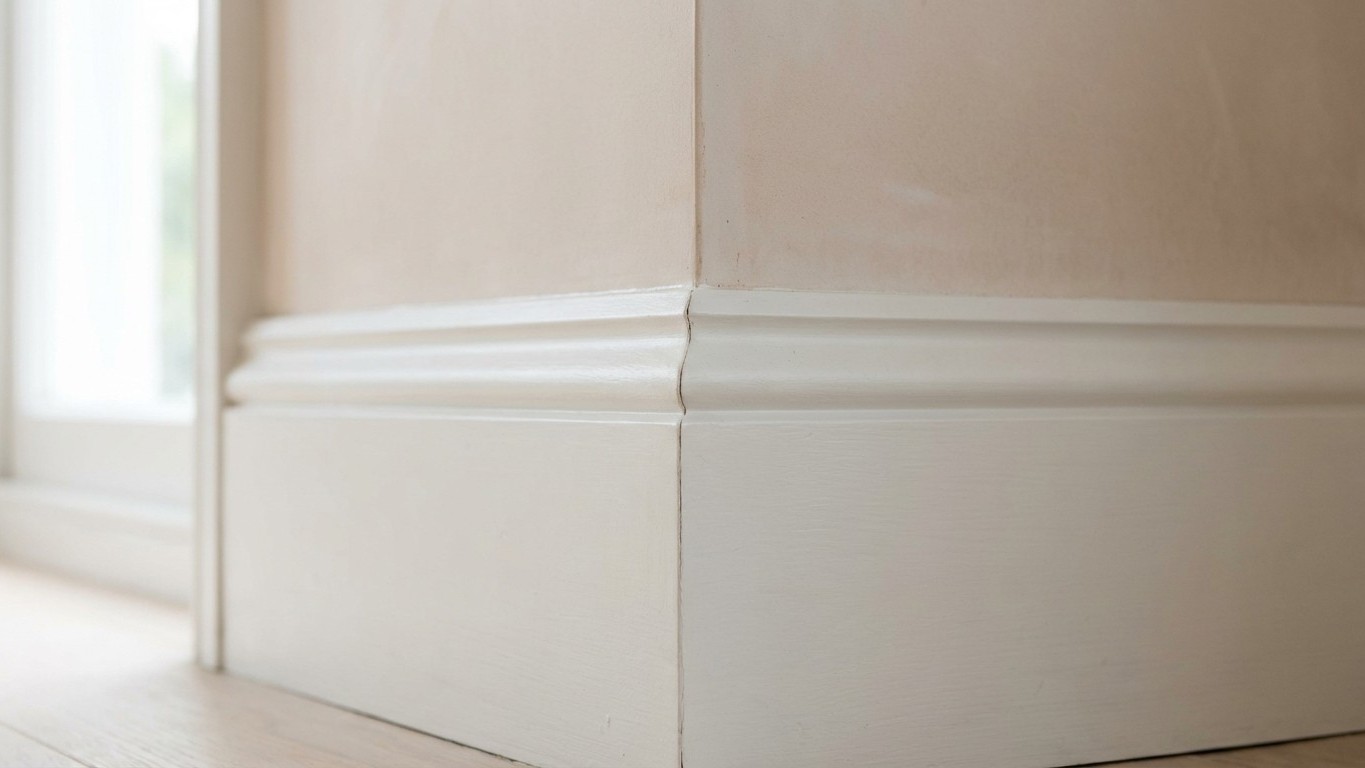
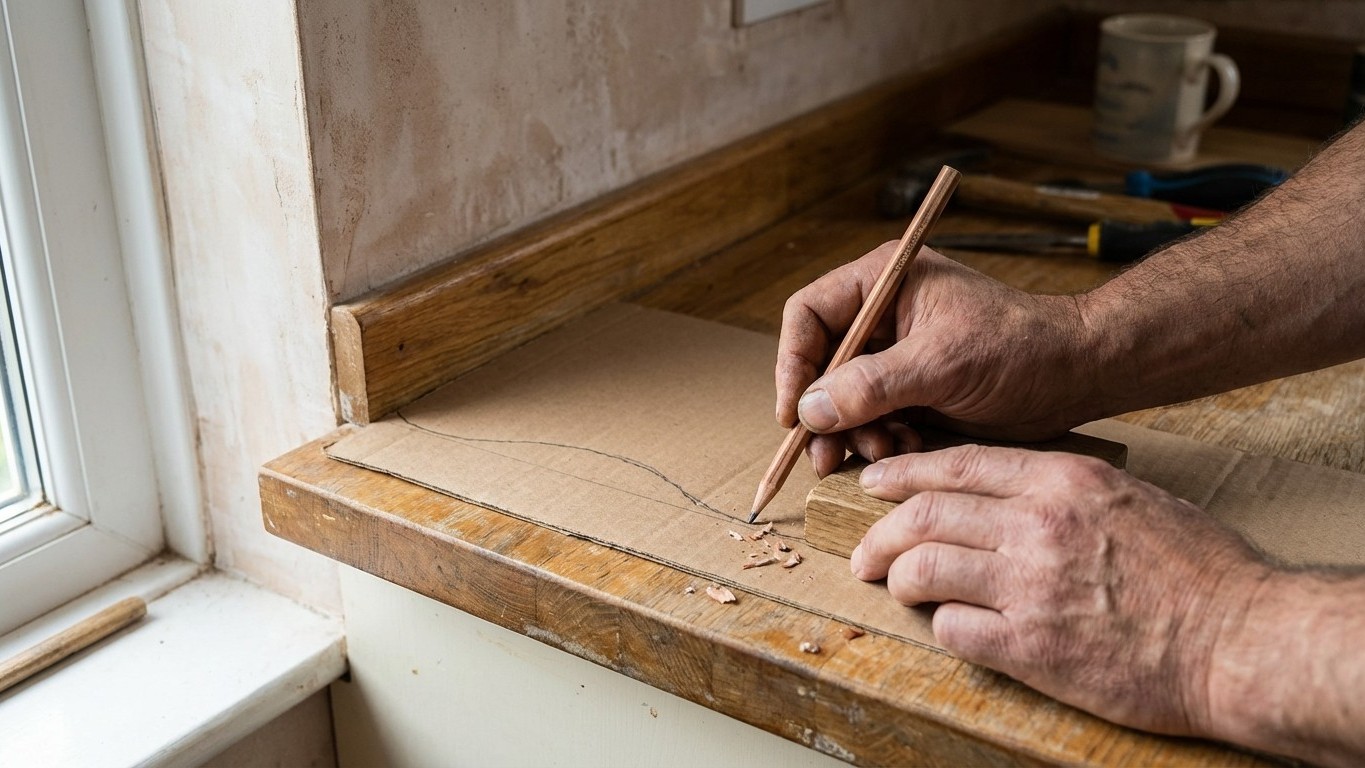
Why 45-degree mitre joints fail on skirting corners

Why Professionals Stopped Using 45° Angles on Interior Corners—And What They Do Instead

That perfect 45-degree miter joint you’ve been cutting on every interior corner? Professional carpenters abandoned that approach decades ago. Discover the scribing technique that creates seamless, gap-free corners even in out-of-square rooms—and why it’s the real mark of professional work.

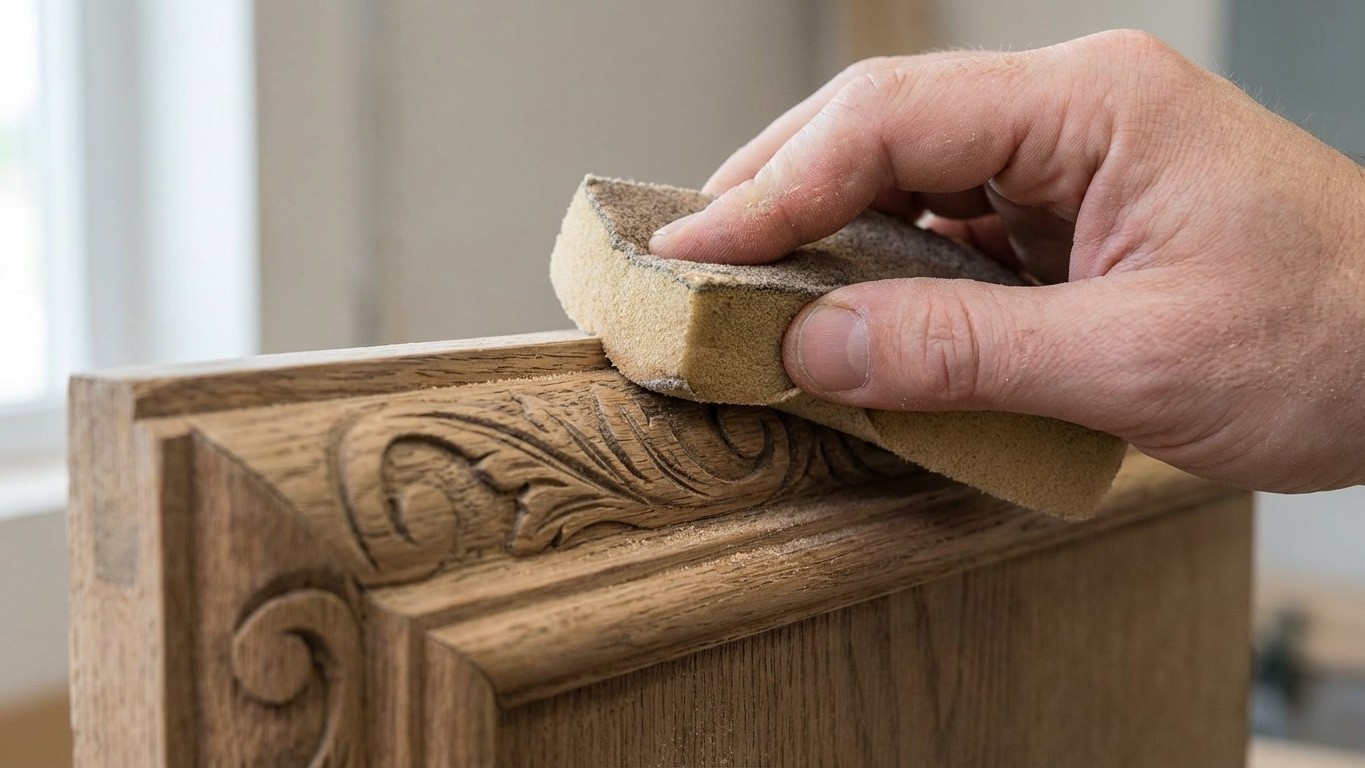
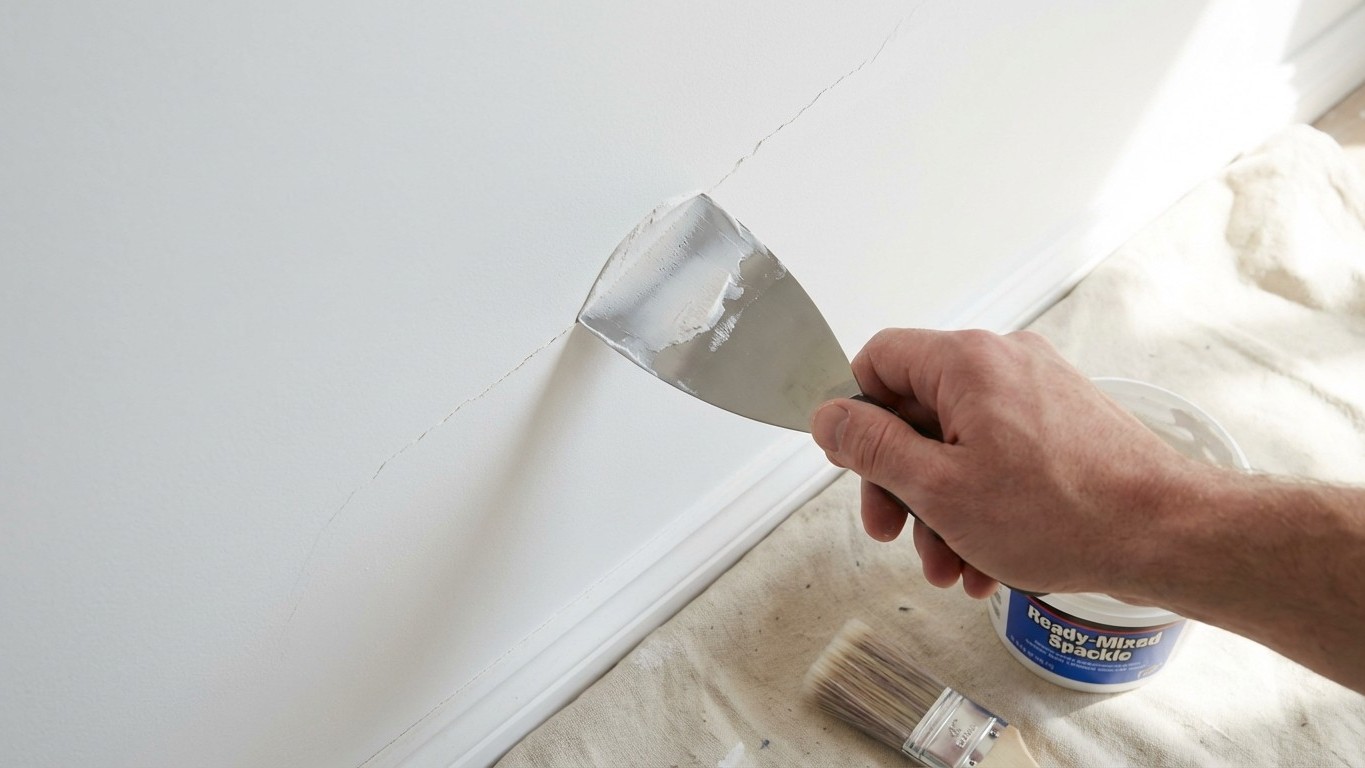
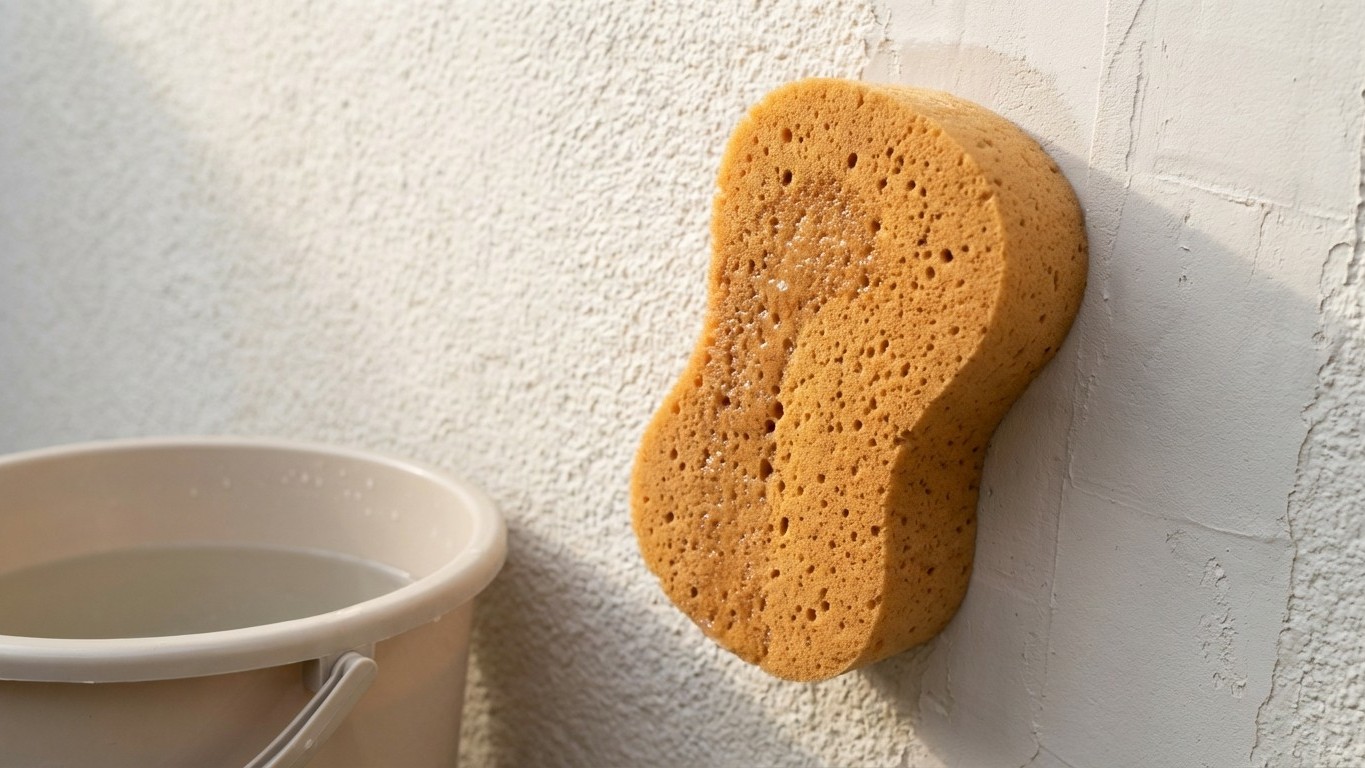
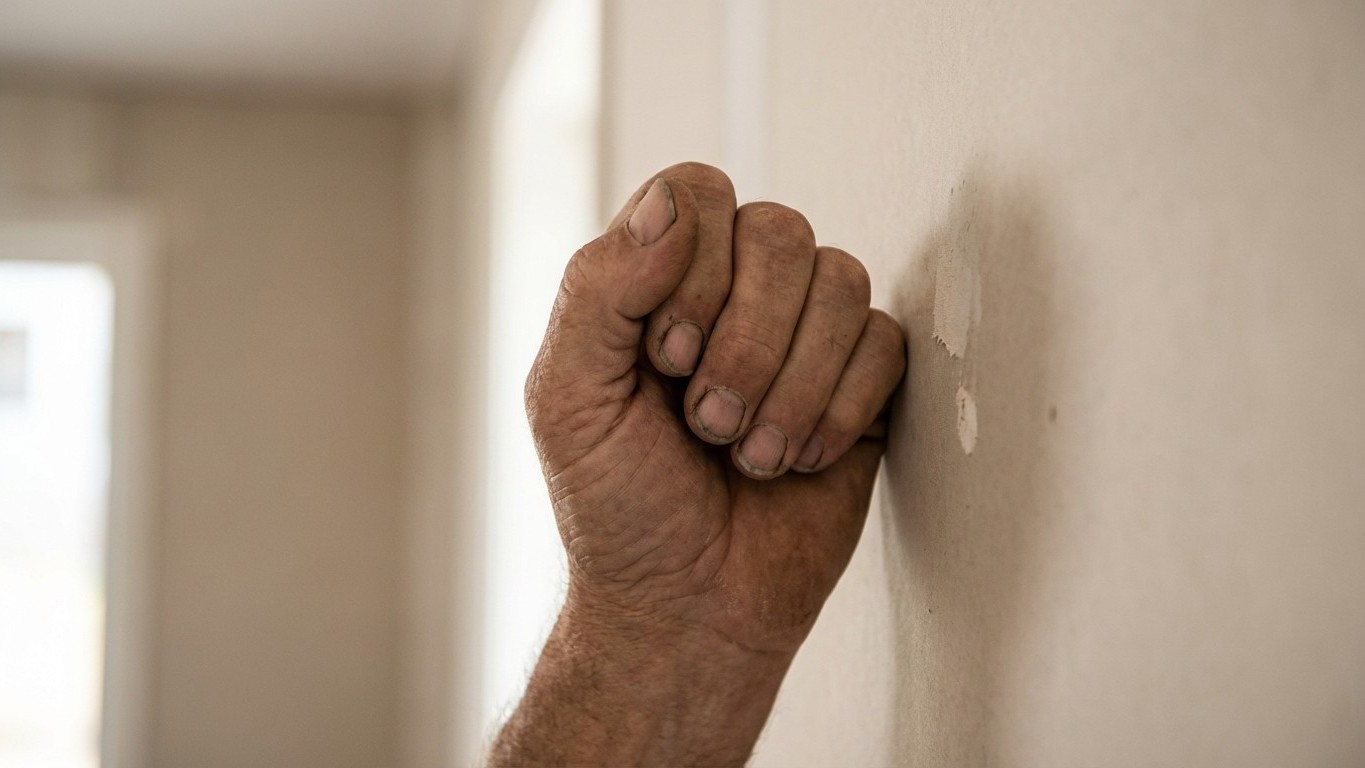
How to sand textured walls with a damp sponge instead

20 Years of Sanding Textured Walls: How a Damp Sponge Makes It Obsolete

A seasoned decorator reveals the game-changing damp sponge method that eliminates the health hazards and physical toll of sanding textured walls. Using nothing more than joint compound and water, you can achieve beautifully smooth surfaces in older homes—without the crystalline silica dust or three-day cleanup ordeal.

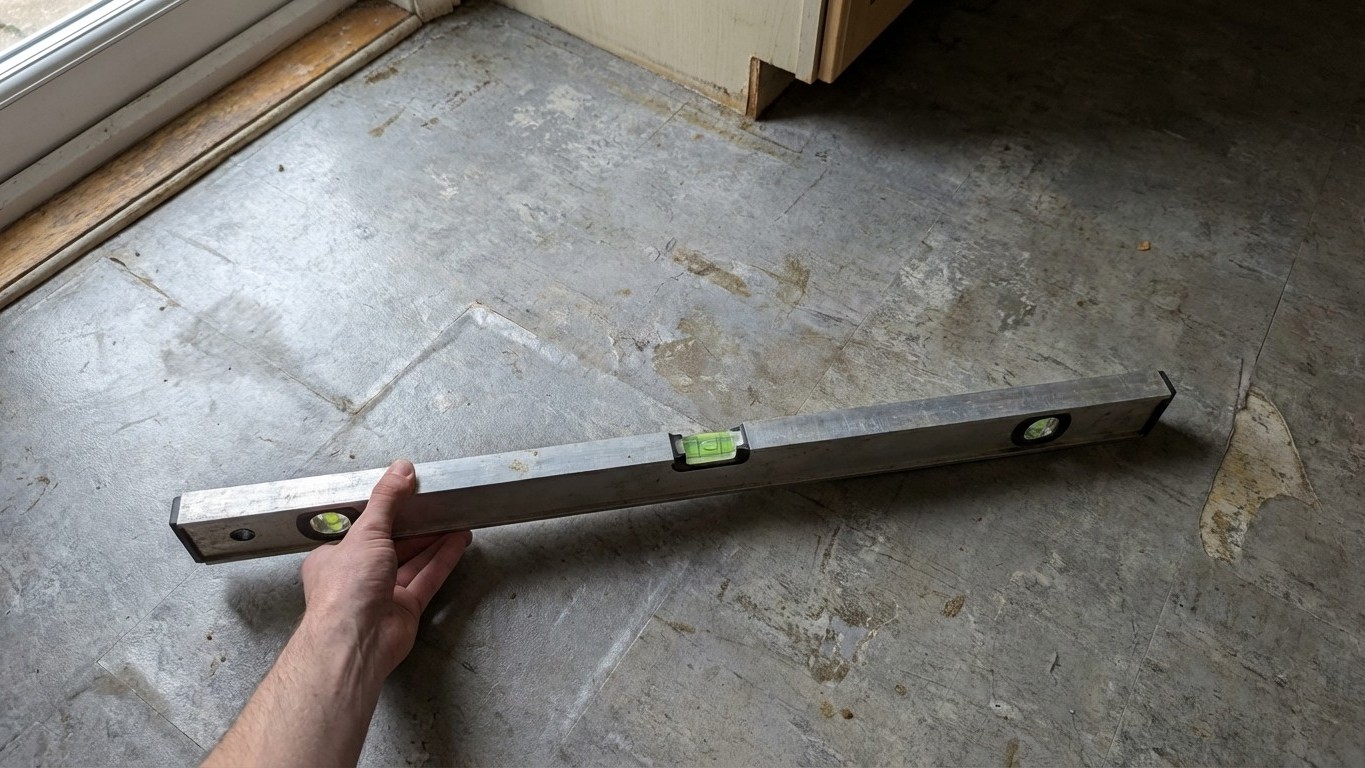
What to check before laying click vinyl tiles over old lino

Skip This One Step Before Laying Click Vinyl Tiles and Watch Your Floor Fall Apart

Laying click vinyl over old lino should be straightforward, but one overlooked preparatory step is behind almost every installation failure—rocking tiles, failed locks, and mysterious bumps. Discover why self-levelling compound is the invisible hero that makes everything work perfectly.

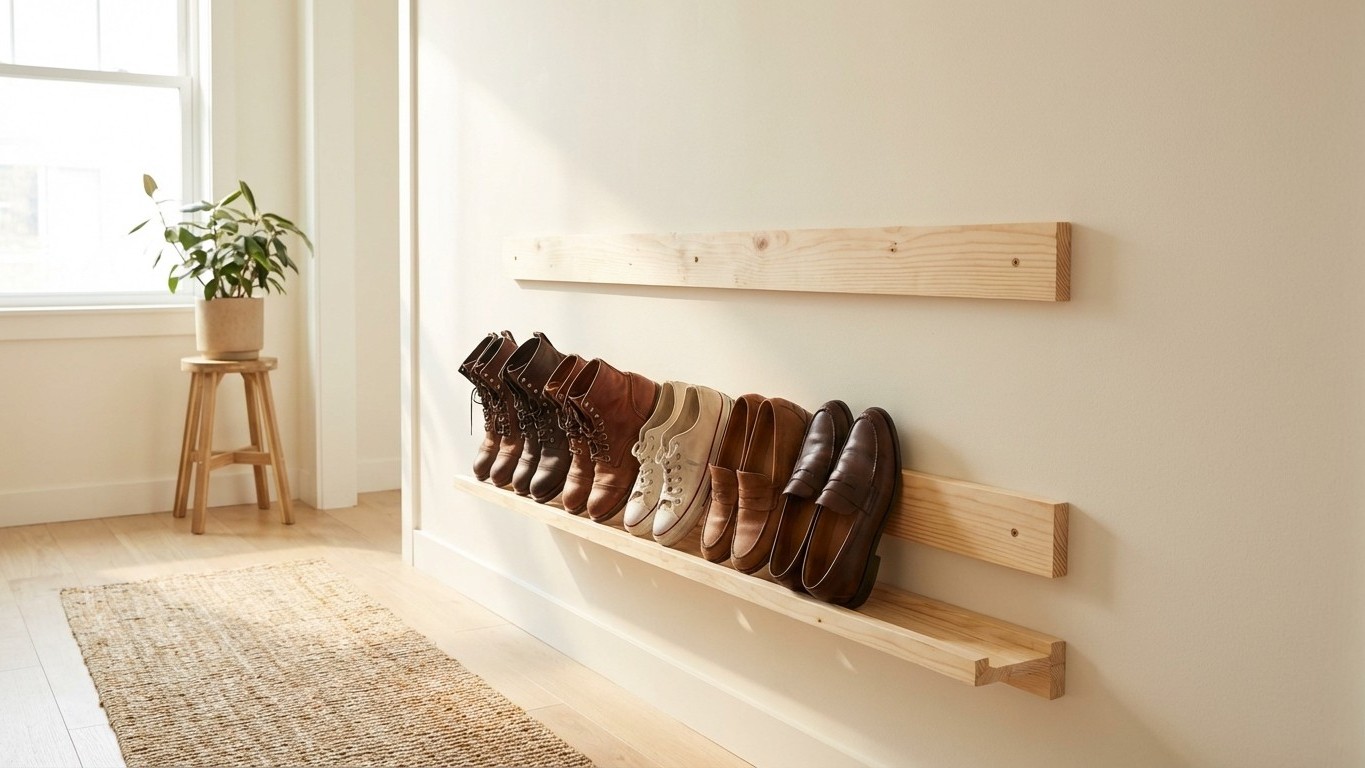
How to Make Floating Shelves from Pallet Wood with Hidden Brackets

Free Pallet Wood Floating Shelves: The Hidden Bracket Trick for Truly Invisible Results

Floating shelves that disappear seamlessly into your wall are easier to achieve than you think. Using reclaimed pallet wood and concealed bracket systems, you can create designer-quality shelving for virtually nothing — if you know the invisible trick that separates homemade from intentional.