
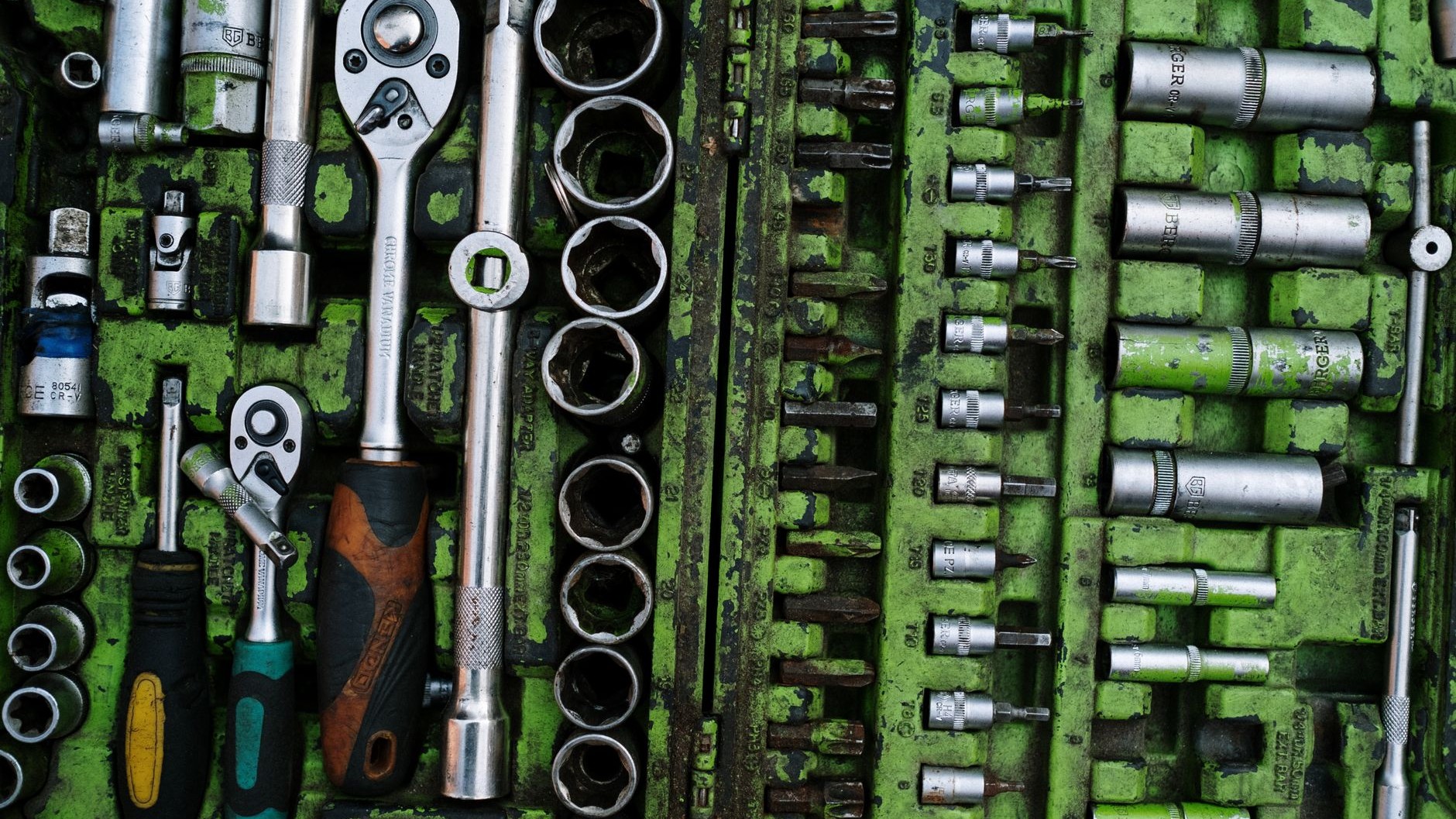
White, unassuming, and cheap as chips: a plain tube of Toothpaste has quietly earned its place in more toolboxes than you’d think, mine included, ever since my father tucked one between his spanners and a roll of electrical tape. I used to tease him mercilessly about it. Now I keep one in mine too, and I owe him an apology I never quite got round to giving.
The trick behind his habit has nothing to do with fresh breath and everything to do with chemistry. Ordinary toothpaste is built around a fine mineral abrasive, usually hydrated silica, that’s designed to buff away stains without wrecking your enamel. Hydrated silica works for cleaning teeth through gentle mechanical action, with ultra-fine mineral particles gliding over enamel to dislodge plaque and stains without damaging or dulling the surface. That same gentle scrubbing action, it turns out, works just as well on plastic, metal, and painted plaster as it does on molars. Dad never knew the word “silica” in his life. He just knew the white stuff in the tube fixed things, and that was good enough for him.
Key takeaways
- A simple tube of toothpaste has been hiding in toolboxes for generations—but nobody talks about why
- The same ingredient that cleans your teeth can patch walls, buff out scratches, and neutralize impossible odors
- One man figured out decades ago what hardware stores won’t tell you: sometimes the cheapest solution is already in your bathroom
The wall repair that made me a convert
The first time I saw him use it properly was patching a picture hook hole before a house viewing. No spackle in the house, no filler, just a battered tube of Colgate and his thumbnail. When you don’t have spackle on hand, toothpaste is a quick fix for filling tiny nail holes in walls: simply squeeze it into the hole, smooth it out with a putty knife or your finger, and let it dry. It isn’t a permanent solution, mind, and I wouldn’t rely on it for anything larger than a picture hook, but for a Sunday viewing with an hour’s notice, it’s a small miracle. Once it dries, you can lightly sand it to blend it in, making the hole nearly invisible.
He used the same tube on scratched vinyl and, later, on my brother’s collection of scuffed CDs. If you have any old CDs or DVDs that you want to preserve, toothpaste can rub out shallow scratches and smudges when applied as a thin coating, rubbed gently, and rinsed off, repeated if needed. It won’t resurrect a disc with a scratch through to the data layer, but for the everyday scuffs from being shoved back in the wrong case, it genuinely earns its keep. The same logic explains why he’d occasionally dab a bit onto scuffed linoleum in the hallway and buff it out with an old towel, a trick apparently common enough that it’s been passed down through generations of frugal households.
Beyond the toolbox: the bits nobody warns you about
What really converted me, though, wasn’t the wall filling. It was watching him rub toothpaste into his hands after gutting fish or handling creosote, something I thought was frankly bizarre at the time. Pungent smells from chopped garlic or handled fish can linger no matter how much soap you use, but washing your hands with toothpaste instead works wonders for getting rid of stubborn odours thanks to its smell-neutralising properties. It sounds like an old wives’ tale until you try it after a weekend of creosoting a fence, and then it becomes gospel.
He’d also dab a spot onto midge bites on his forearms in summer, something I initially assumed was pure eccentricity. Toothpaste can offer quick relief for an itchy insect bite: applying a small amount to the affected area helps dry out the wound, reducing itching and swelling and promoting faster healing. I’m not suggesting you swap out your usual after-bite cream, but in a shed with no first aid kit and a wasp problem, it’s better than nothing.
Where the trick falls apart
None of this makes toothpaste some miracle universal fixer, and I think it’s worth being honest about that. Whitening formulas with peroxide or extra-strength abrasives can do more harm than good on delicate surfaces. Some types of toothpaste may contain harsh chemicals and abrasives that can damage certain surfaces, so it’s best to do a spot test on a small, inconspicuous area first, and toothpaste should never be used on delicate materials such as silk or leather. Reach for a plain white paste, not a gel, not a charcoal formula, and definitely not one bristling with micro-beads for “extra polishing power.” The cheapest own-brand tube on the shelf, the sort that costs pennies, is actually the better tool for the job precisely because it’s unfussy.
It’s also, crucially, a stopgap rather than a proper repair. Toothpaste in a nail hole buys you a tidy wall for a house viewing; it won’t survive a damp cloth being dragged across it repeatedly, and it certainly won’t hold a fresh nail if you rehang the picture in the same spot. Treat it the way my father treated it: as the thing you reach for when the right tool isn’t within arm’s reach, not as a replacement for filler, metal polish, or a proper plaster.
These days my toolbox has the usual tube wedged next to the WD-40, slightly squashed, cap probably missing. My father’s habit wasn’t eccentricity after all. It was just someone who’d worked out, decades before anyone wrote a listicle about it, that the tube in the bathroom cabinet was doing more or less the same job as the fine polishing compounds he’d have had to buy separately from the ironmonger’s, for a fraction of the price and twice the convenience.
Sources : lemon8-app.com | davids-usa.com