
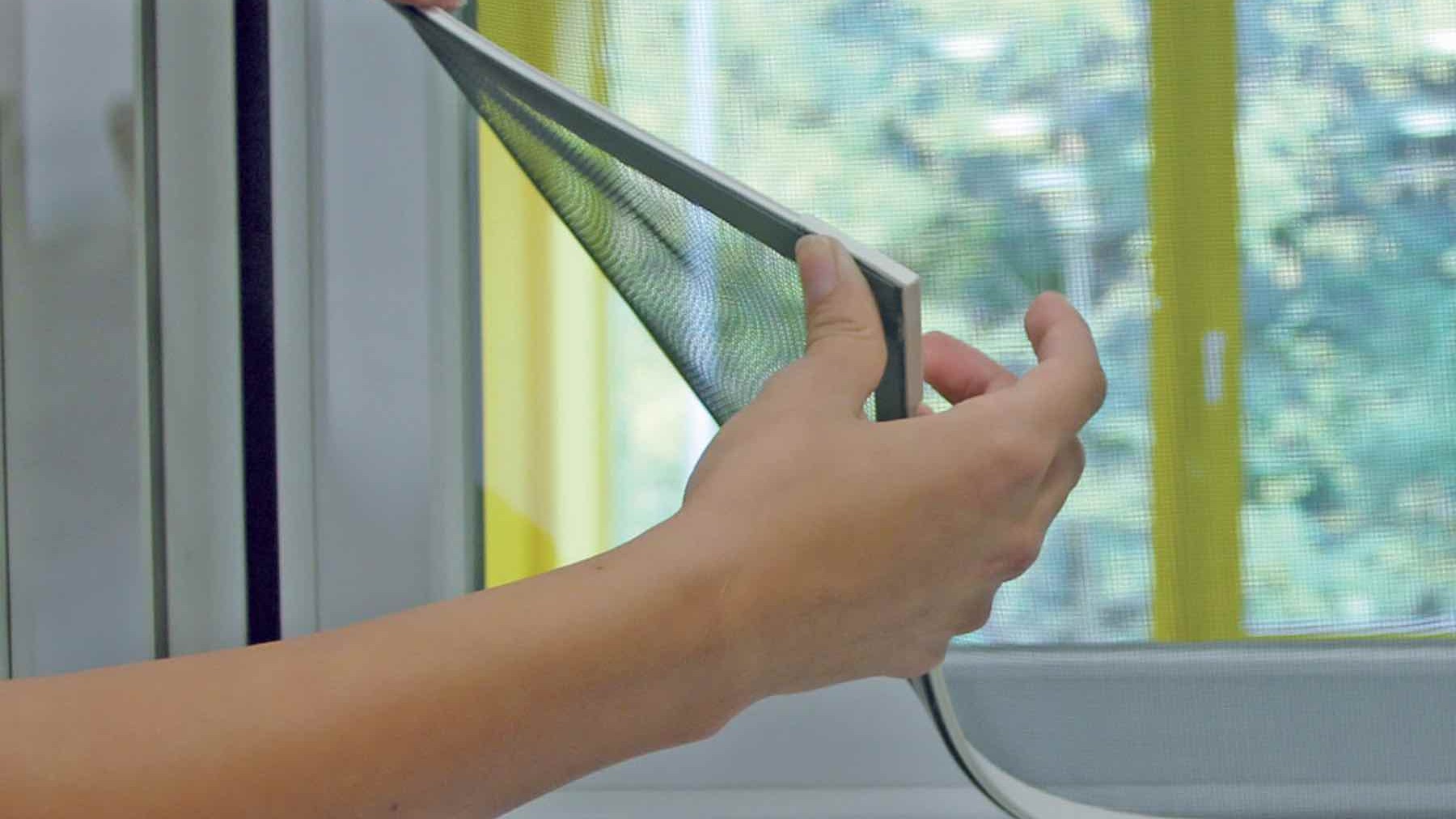
Every summer, thousands of British homeowners pick up a drill and confidently set about screwing fly screen frames into their window surrounds. It seems perfectly logical at the time. The result, predictably, is a neat row of screw holes in PVC or timber that cannot be undone, screens that wobble because the frame was never quite square, and the dawning realisation that removing the whole thing in October is going to involve even more damage. A handyman friend put me right with a single, almost embarrassingly simple suggestion: a magnetic fly screen held in place by self-adhesive strips. No drill. No holes. And, frankly, no regrets.
Key takeaways
- A single handyman revealed a magnetic alternative that eliminates the irreversible damage caused by traditional drilling
- The adhesive strips leave zero residue and work on windows of any size—even those that aren’t perfectly square
- What seems like a minor upgrade solves a massive problem for renters, homeowners with period properties, and hay fever sufferers
Why drilling your window frames is a mistake you cannot easily reverse
Traditional fly screens typically require permanent fixtures, hinges screwed into door frames, mounting brackets secured to walls, or tension systems that might stretch or damage window frames. On a timber sash window in a Victorian terrace, that sort of interference can be particularly damaging. PVC frames are worse still: once you’ve drilled through them, the structural integrity around that hole is compromised, and any future draught-sealing around the recess becomes an exercise in patchwork.
There is also the question of rental properties, where the stakes are higher. If you live in a rental property, you may not be able to drill holes in any windows, painted or plastered surfaces, this makes it very hard to make your rented property into a home, since everyday comforts normally require drilling and screwing to install. Most tenancy agreements are clear on the matter, and the cost of making good can easily be deducted from a deposit. The traditional approach to fly screens, was designed for a world in which people owned their homes outright and never planned to move. Most of us are not living in that world.
How the magnetic trick actually works
A magnetic screen consists of a fine mesh panel bordered by a strip of flexible magnets. This magnetised border attaches to a corresponding magnetic strip that you fix to your window frame using a peel-and-stick adhesive. When you bring the screen close to the frame, the magnets attract each other and lock the screen into position along all four edges. The seal is firm enough to stay in place during a breeze, but light enough to peel away with one hand whenever you need to close the window or remove the screen for cleaning.
The adhesive side of the equation matters enormously, and the good news is that modern formulations are genuinely impressive. Dedicated industrial-strength 3M adhesive, high viscosity and long lasting, is used, and no sticky residue is left after peeling. That last detail is worth dwelling on. The strips can come off cleanly, leaving your frames exactly as you found them. A complete beginner can install a magnetic window screen correctly on the first attempt in under ten minutes — and for someone outfitting an entire home, this time saving adds up to hours compared to traditional screening methods.
One small but important preparation step is often skipped: make sure the frame is clean and free of grease and press the magnetic tape firmly on the frame. Ideally, the magnetic tape should be pressed on well overnight to achieve the best possible adhesive performance. Rushing this part and expecting the screen to grip properly on a dusty, painted frame straight away is where people go wrong. Wipe down the surface first with a damp cloth, let it dry fully, and then apply.
Getting the sizing right and trimming to fit
Older British housing stock is notoriously inconsistent in its dimensions, and no two windows in a Victorian or Edwardian terrace are ever quite the same. This is, unexpectedly, where magnetic screens have a real advantage over rigid framed options. On older homes where no two windows are the same size and sometimes out of square, magnetic screens are ideal because they are individually measured to fit with millimetre accuracy to ensure that they fit perfectly.
Many kits sold in the UK can be trimmed down. Window fly screens with innovative magnetic attachment can be cut to size up to 150 x 130 cm, with no drilling or screwing required. The process is simple enough: to determine the measurements for the flyscreen, add 6 cm each to the measured length and width of the window. This allows you to attach the net to the 3 cm wide magnetic tape, leaving enough room for the window space. Cut the net to size and smooth it out on the floor. A pair of scissors and a measuring tape. That is genuinely the full toolkit required.
There is one caveat worth knowing about if your windows are timber-framed rather than aluminium or uPVC. Timber frames require a slightly different approach, since wood isn’t naturally magnetic. Not all window frames are magnetic-friendly, while many modern casement windows feature aluminium or steel components that work well with magnetic systems, some frames might need additional magnetic strips or metal tape for proper adhesion. A quick test with one of the magnets from your kit before committing will tell you everything you need to know.
Seasonal removal, cleaning, and the bonus of pollen protection
One of the most overlooked pleasures of the magnetic system is how easily it stores away. Fixed frame screens are notoriously tedious to remove and reinstall, the clips corrode, the springs lose tension, and the frames bend if handled carelessly. Many homeowners leave fixed screens in place year-round simply because removing them is too much hassle, even when they would prefer unobstructed windows during cooler months. A magnetic screen peels off in seconds and goes back on just as quickly. Roll the mesh panel flat, tuck it into a drawer, and your windows are clear for the winter. The adhesive receiver strip on the frame stays put and causes no bother whatsoever.
Cleaning is similarly painless. Use a soft brush or a vacuum cleaner to remove any dust or debris. For a deeper clean, wash the screen with warm soapy water. Rinse it thoroughly and make sure to dry it completely before reattaching it to prevent any dampness or mould. Regular cleaning will help to prolong the lifespan of your window screens and ensure they continue to function optimally.
Magnetic fly screens can keep out a variety of insects and bugs, including mosquitoes, flies, wasps, and bees. For hay fever sufferers, and there are a great many of us in the UK, the mesh type you choose makes a considerable difference beyond just insects. Flyscreens can help reduce how much pollen actually makes it into your home in the first place. According to the Met Office, pollen levels in the UK peak between March and May, peaking in April as trees and grasses release large amounts into the air. On dry, breezy days, pollen can travel surprisingly far, easily finding its way into homes through even the smallest openings. Specialist anti-pollen mesh, available in magnetic-fit formats from several UK suppliers, uses a much finer weave than standard fly screen mesh, these screens are particularly useful during the summer months, when insects are prevalent, but also for people who suffer from hay fever, as they restrict pollen from entering the home.
One final practical note that tends to be mentioned only in passing: with proper care and maintenance, a quality magnetic window screen can last for several years of regular seasonal use. The mesh material itself is resistant to UV degradation and weathering, while the magnets retain their holding strength indefinitely under normal conditions. The component most likely to need replacement over time is the adhesive backing on the frame strip, which may gradually lose its grip after prolonged use. Replacing just that strip, rather than the whole screen, costs very little and restores Everything to full working order. Compare that with the cost of filling and repainting drilled holes in a uPVC frame, and the handyman’s advice starts to look very wise .
Sources : simplescreens.company | streme.co.uk