
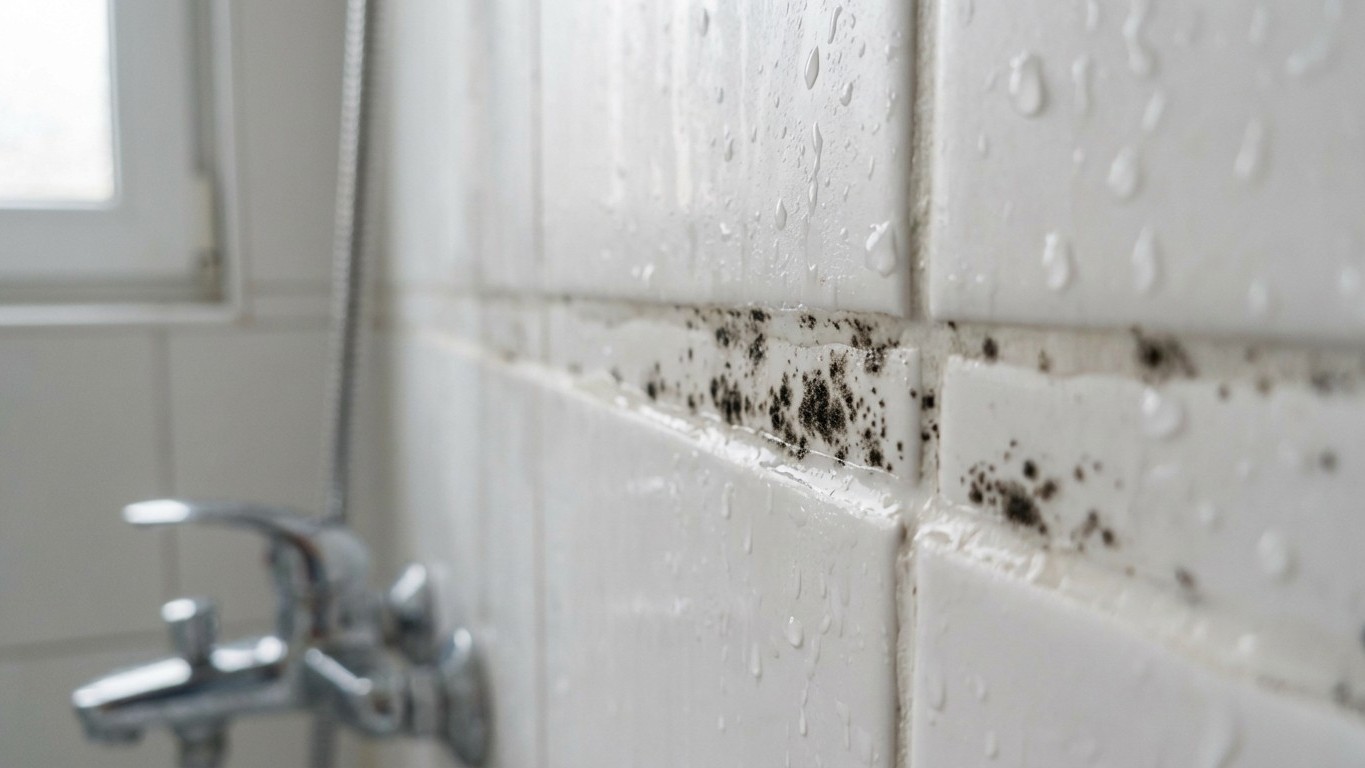
Black patches creeping along the grout lines, a faint musty smell that lingers even after you’ve opened the window, bathroom mould is one of those household problems that never quite announces itself politely. One week it’s a tiny dark smudge near the shower tray; the next, it’s colonised half the silicone seal. The good news is that you don’t need a bottle of chlorine bleach and a coughing fit to deal with it. Several natural ingredients sitting in your kitchen cupboard right now are genuinely effective against bathroom mould, and they’re safe enough to use around children, pets, and anyone with a sensitive respiratory system.
Why Does Mould Appear in the Bathroom?
Understanding the Role of Humidity and Condensation
The bathroom is, by design, the most humid room in any home. Every hot shower pumps warm, moisture-laden air into a small, often poorly ventilated space. When that warm air meets a cooler surface, the wall tiles, the ceiling, the window glass, it condenses into tiny water droplets. Those droplets don’t need to sit there long before mould spores, which are present in virtually every indoor environment, find them and settle in for a long stay.
Grout lines and silicone seals are particularly welcoming because their porous or slightly textured surfaces trap moisture and organic residue (soap, skin cells, shampoo) that feeds fungal growth. A bathroom without an extractor fan, or one where the window is rarely opened, can maintain relative humidity levels above 70% for hours after a shower, conditions in which mould colonies can establish themselves surprisingly quickly.
The Risks for Your Health and Your Home
Most household bathroom mould is one of several common species, including Cladosporium and Aspergillus, but the dark greenish-black patches you often see on silicone seals may include Stachybotrys chartarum, which has a more troubling reputation. Regular exposure to mould spores can trigger or worsen respiratory symptoms, allergies, and asthma, and for young children or anyone with a compromised immune system, the risks are higher. Beyond health, unchecked mould gradually degrades grout and silicone, eventually requiring costly re-sealing or replastering, which is reason enough to deal with it before it becomes a structural issue.
Natural Methods to Remove Mould in the Bathroom
White Vinegar: How to Use It and What to Watch Out For
White vinegar is the workhorse of natural mould removal, and with good reason. Its acetic acid content (typically around 5–8% in standard household vinegar) creates an inhospitable environment for many common mould species. To use it, pour undiluted white vinegar into a spray bottle and apply it directly to the affected area. Let it sit for at least one hour, longer for stubborn patches. Then scrub with an old toothbrush or a stiff brush, working the vinegar into the grout lines, and wipe clean with a damp cloth.
A word of caution: do not rinse the surface immediately afterwards if you can avoid it. Leaving a faint residue of vinegar acts as a mild deterrent against regrowth. One thing vinegar cannot do is penetrate deeply into porous materials where mould has taken a firm hold, in those cases, you may need to repeat the treatment several times over a week or two. And avoid using it on natural stone tiles such as marble or limestone, where the acid will etch and damage the surface.
Bicarbonate of Soda: A Gentle Scrub with Real Punch
Bicarbonate of soda (baking soda) works differently from vinegar. Rather than acidic action, it provides mild abrasion and a slightly alkaline environment that discourages mould. Mixed into a paste with a small amount of water, roughly two tablespoons of bicarbonate to one tablespoon of water — it becomes a gentle scrub you can apply with an old toothbrush directly onto grout lines and silicone seals.
Leave the paste on for 10–15 minutes, then scrub and rinse. For a more powerful combined approach, apply your vinegar spray first, wait an hour, then apply the bicarbonate paste on top. You’ll get a gentle fizzing reaction (perfectly harmless, it’s just the acid and alkali meeting) which helps lift debris from porous surfaces. This combination is excellent for grout, though it’s worth knowing that the fizzing, while satisfying, is not the active cleaning mechanism. Both ingredients work independently; together they add mechanical action to the chemical effect. For a broader look at how this duo performs in different situations, our guide to natural cleaning hacks explores their combined use across the whole house.
Essential Oils with Antifungal Properties
Tea tree oil has a well-established antifungal reputation, backed by a reasonable body of laboratory research showing its active component (terpinen-4-ol) disrupts fungal cell membranes. To use it in the bathroom, add 20 drops of tea tree oil to 500ml of water in a spray bottle, shake well before each use, and spray onto affected areas. Unlike vinegar, you don’t need to rinse it off, in fact, leaving it in place is part of how it works. The smell is strong and medicinal, though it dissipates within an hour or two.
Clove oil and lavender oil are sometimes suggested as alternatives, and both have shown antifungal activity in laboratory settings. That said, essential oils are best used as a supplementary treatment or a preventive measure after cleaning, rather than as the primary weapon against a heavy mould infestation. They are not a substitute for the physical removal of mould. Always ensure the bathroom is ventilated when using them, and keep them out of reach of small children and pets, these oils are concentrated and can be irritating in direct contact.
Hydrogen Peroxide and Other Natural Alternatives
Standard 3% hydrogen peroxide solution (available in pharmacies) is an effective and genuinely non-toxic mould remover. It produces oxygen radicals on contact with organic material, which breaks down mould cell walls. Spray it undiluted onto the mouldy surface, leave it for 10 minutes, scrub, and wipe away. It has a mild bleaching effect, which can help lift staining from grout without the harsh fumes of chlorine bleach.
Salt and lemon juice paste is another traditional option worth mentioning for light surface mould on tiles, the acid in lemon juice combined with the abrasiveness of salt can shift early-stage patches before they become entrenched. It won’t tackle established mould colonies, but as a weekly wipe-down on suspect areas, it earns its place in the natural cleaning toolkit.
Practical Steps: Removing Mould from Different Surfaces
Tiles, Grout, Silicone, and Plastic Surfaces
For wall tiles, the vinegar spray method followed by a bicarbonate paste scrub is usually the most effective approach. Work in small sections, keeping the surface wet with vinegar throughout. Grout lines respond well to a stiff toothbrush and the bicarbonate paste, but be prepared to repeat the process if the mould has penetrated below the surface layer.
Silicone seals are a different challenge. If the mould is on the surface, tea tree oil spray or hydrogen peroxide can shift it. If the mould is inside the silicone (you can tell because it appears as dark spots that don’t budge however hard you scrub), no amount of natural cleaning will eliminate it, the silicone seal will need to be removed and replaced. This is a job many householders tackle themselves with a silicone removal tool and a fresh tube of mould-resistant bathroom sealant.
Plastic shower trays and panels can be wiped down with undiluted white vinegar, left for 30 minutes, then scrubbed. For a comprehensive approach to keeping all your bathroom surfaces clean naturally, the natural bathroom cleaning hacks guide covers everything from tiles to taps in one place.
Shower Curtains, Bath Mats, and Fabric Items
Shower curtains made of polyester or vinyl can usually be machine-washed on a cool cycle with a cup of white vinegar added to the drum instead of fabric conditioner. Remove them promptly after washing and hang to dry fully before reattaching them. Bath mats are best treated similarly, a vinegar soak (one part vinegar to four parts cold water for 30 minutes before washing) can shift mildew effectively. Always check the care label, naturally.
Precautions and Mistakes to Avoid
The most common mistake people make is mixing natural cleaners indiscriminately. Vinegar and hydrogen peroxide should not be combined in the same container, together they form peracetic acid, which is more corrosive than either ingredient alone. Use them sequentially if you wish (apply one, rinse, then apply the other), but never simultaneously.
Wearing rubber gloves during cleaning is sensible regardless of which natural method you choose, not because these ingredients are dangerous, but because repeated contact with any cleaning solution can dry out the skin. Always ventilate the bathroom well while you work: open the window, run the extractor fan, and keep children and pets out of the room until surfaces are dry.
Do not ignore black mould on ceilings. Ceiling mould is harder to treat because it’s above your head and often covers a larger area. If you have extensive ceiling mould that keeps returning despite cleaning, this can indicate a more serious ventilation or damp problem requiring a professional assessment.
Preventing Mould from Coming Back Naturally
Improving Ventilation and Reducing Condensation
The single most effective thing you can do to prevent bathroom mould is improve air circulation. Run your extractor fan during every shower and for at least 15–20 minutes afterwards. If you don’t have an extractor fan, opening the window (even just a crack) during and after showering makes a measurable difference. Keeping the bathroom door closed while showering traps humidity; if privacy allows, leave it slightly ajar.
A small bathroom dehumidifier can be transformative in poorly ventilated spaces, it doesn’t need to run constantly, just during and after bathing. Wiping down shower walls and screens with a squeegee or a dry cloth after each use removes the water before it has a chance to encourage mould growth. It takes about 30 seconds and becomes habit faster than you’d expect.
Natural Daily Maintenance Habits
A weekly spritz of diluted tea tree oil (20 drops per 500ml of water) over grout lines, silicone seals, and the base of the shower tray is an excellent preventive measure. Keep shower curtains pulled fully open after use so they dry properly rather than trapping moisture in their folds. Wash bath mats regularly and dry them completely between uses.
For taps and shower heads where limescale build-up traps moisture and creates ledges for mould to colonise, regular descaling is part of a mould-prevention strategy, you can read more about that in our guide to remove limescale naturally from taps and shower. A clean, scale-free tap simply has fewer places for mould to get started.
Quick Answers to Common Questions
How do you remove mould from bathroom walls naturally? Spray undiluted white vinegar onto the affected area, leave for one hour, scrub with a stiff brush, then wipe clean. Follow up with a bicarbonate of soda paste on grout lines for stubborn patches. Repeat as needed over several days for established mould.
Can vinegar and baking soda kill bathroom mould? Both can, yes, though they work better used separately in sequence rather than mixed together (the neutralisation reaction reduces their individual effectiveness). Vinegar’s acetic acid tackles fungal cell structures; bicarbonate adds mechanical abrasion and an alkaline surface that discourages regrowth.
What is the safest way to prevent mould without chemicals? Consistent ventilation, running the extractor fan after every shower, using a squeegee on wet surfaces, and keeping the bathroom aired — is the most effective preventive strategy. Adding a weekly tea tree oil spray on vulnerable areas provides an additional natural barrier.
How do you clean mould from silicone naturally? Apply hydrogen peroxide or tea tree oil spray directly to the silicone, leave for 10–15 minutes, then scrub with an old toothbrush. If the mould is inside the silicone rather than on its surface, the seal will need replacing, no natural cleaner can reach mould that has penetrated the sealant itself.
Do essential oils really work against bathroom mould? Tea tree oil in particular has genuine antifungal properties supported by laboratory research. It works best as a preventive treatment or a supplement to physical cleaning, rather than as a standalone cure for heavy infestations.
Further Reading for a Naturally Clean Bathroom
Natural mould removal is just one part of keeping a bathroom genuinely clean without reaching for harsh chemicals. If you’d like to go further, our guide to the natural way to clean toilet bowl covers everything from limescale rings to hygiene maintenance using only safe household ingredients. For the full picture of eco-friendly bathroom care, the natural bathroom cleaning hacks guide brings together all the methods, tiles, joints, limescale, and more, into one practical resource.
Keeping a bathroom mould-free with natural methods is genuinely achievable, but it does require consistency rather than occasional heroic scrubbing sessions. The households that manage it best tend to treat prevention as a five-minute weekly ritual rather than a once-a-month battle. Which raises an interesting question: if it takes less time and effort to prevent mould than to cure it, why do so many of us wait until the problem is visible before acting? Something to think about the next time you reach for the squeegee after your morning shower.