
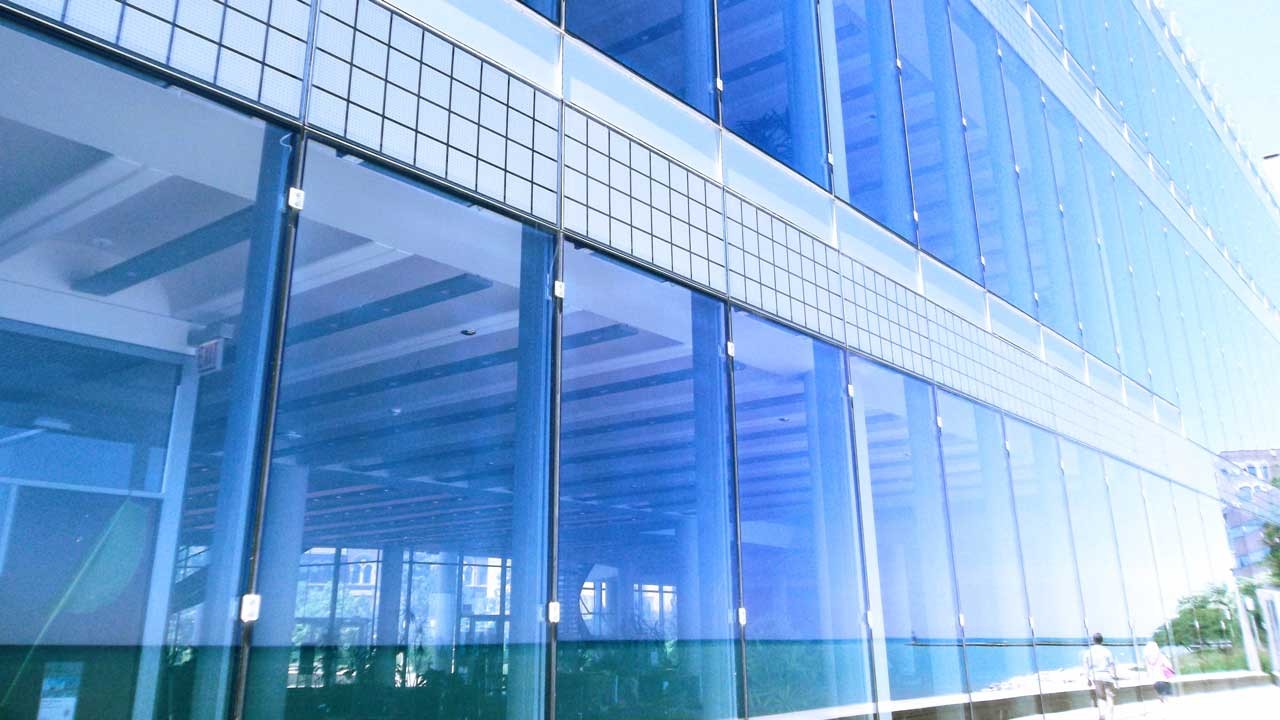
South-facing windows are wonderful things, all that light, all that warmth on a grey February morning. But by July, the same glass can turn a living room into something resembling a greenhouse, and the hunt for a solution begins. Window film seems like the obvious answer: affordable, reversible, and rather satisfying to apply. The trouble is, when you eventually peel back a corner to check on things, you can sometimes find a rather unpleasant surprise lurking underneath. Understanding why that happens, and how to prevent it, makes the difference between a smart upgrade and an expensive mistake.
Key takeaways
- Dark window film on south-facing glass can trap heat inside sealed double-glazed units, accelerating seal failure
- Condensation and fogging between panes are two entirely different problems—one is cosmetic, one requires expensive replacement
- Most homes have Low-E coated glass that reacts unpredictably with certain solar films, creating dangerous thermal stress
What window film actually does to your glass
Solar control window film is designed to reflect and absorb solar heat, preventing it from penetrating through the glass, acting as a barrier that reduces heat gain while still allowing natural light to illuminate the space. On a south-facing pane that bakes from late morning onwards, that sounds like exactly what you need. Solar and reflective films can cut solar heat gain by reflecting a significant percentage of radiation, sometimes up to 70–80% with low-E products. In a room that was previously unusable by noon in summer, that is a genuinely transformative result.
The film itself is a layer of durable polyester that can block the sun’s light as well as harmful UVA and UVB rays. Better still, professional films advertise approximately 99% UV block, slowing fading on wood floors, carpets, art, and upholstery. So far, so good. But here is where things get more complicated, especially if you have a south-facing double-glazed unit and opted for a dark tinted film bought cheaply online.
The hidden problem: what forms beneath the film
When you peel back a corner of window film that has been sitting on a south-facing pane for a season or two, you might find one of two things: either a fine film of trapped condensation along the edges, or, more worryingly, the beginning of a milky, foggy haze between the glass panes themselves. These are two entirely different problems with two entirely different causes, and it helps to know which one you are dealing with.
Condensation can cause unsightly water stains and damage to your windows, and it can also lead to mould growth and a damp indoor environment. Tight curtains or blinds create a still, cold pocket of air next to the glass, and moisture can’t disperse, condensing along the edges and feeding mould around the frame line. A closely fitted window film can create a very similar effect, especially if it was applied over glass that was not scrupulously clean and dry. Any tiny trapped pocket of moisture becomes a micro-climate, sitting warmly against the glass through the day, then cooling sharply at night. As warm air cools down, it loses its ability to hold moisture, leading to the formation of water droplets.
The second scenario, misting between the panes, is where things get genuinely serious. Condensation between window panes means the seal in your insulated glass unit has failed, allowing moisture to enter and insulating gas to escape, reducing energy efficiency. When you apply a dark, heat-absorbing solar film to the inside surface of a standard double-glazed unit, the film absorbs solar energy and warms up, trapping that heat partly within the sealed cavity between the panes. In non-toughened double-glazed units, this creates thermal stress, which over time can contribute to seal failure and fogging between the panes. The foggy patch that results cannot be wiped away. The condensation is trapped inside the sealed space between the panes, so regular cleaning won’t reach it, and this fogging usually requires professional repair or replacement of the insulated glass unit.
The specific risk on south-facing glass
South and west-facing windows get a massive dose of direct sunlight, and ceramic or spectrally selective films are ideal there. The emphasis on film type matters enormously. Dark solar film on toughened double glazing is generally safe with correct specification, but on older annealed-glass units, dark film can approach the glass’s thermal stress threshold in high-solar-exposure conditions.
A detail many homeowners miss entirely concerns what is already on the glass. Most modern UK double glazing built since approximately 2000 contains a Low-E coating: a microscopically thin metallic layer applied to one surface of the inner pane, designed to reflect long-wave infrared back into the room, improving thermal insulation, and now standard in new-build domestic and commercial glazing. The compatibility concern arises because some solar control films interact with Low-E coatings in ways that trap additional heat within the glass assembly, if the film absorbs solar energy and the Low-E coating simultaneously prevents that heat from dissipating normally, the thermal load within the unit can exceed what either product would create alone. This is not an obscure edge case. Millions of British homes have Low-E double glazing, and a dark film slapped on without checking is asking for trouble.
There is also what specialists call “solar pumping” to consider. In summer, direct sun can cause the air inside the unit to heat up, expand, and push against the seals. When it cools at night, it contracts and pulls air back in. Solar radiation accelerates sealant degradation, especially on south and west-facing windows that receive intense afternoon sun, as the chemical bonds in the sealant break down, becoming brittle and losing adhesion to the glass. Adding an internal dark film to this already-stressed scenario can push an ageing sealed unit over the edge.
How to get this right from the start
None of this means window film is a bad idea for south-facing glass. Far from it. The problem is almost always a matter of choosing the wrong product or applying it incorrectly. Most potential issues are the result of either poor installation or improper choice of window film, and most window film risks are completely preventable if you select the correct types and install them properly.
Some installers tuck the film edge underneath the edge seal for a neater finish, which physically compromises the weatherproof seal. Correct installation cuts the film 3–6mm back from the edge of the glass and leaves the seal entirely undisturbed. For a DIY job, that means measuring carefully and not trying to push the film right into the corners. Films can sometimes trap moisture against the glass if applied incorrectly, so working on a clean, dry pane in warm, settled weather gives the adhesive the best possible start.
For south-facing double glazing specifically, the straightforward solution is to select a film specifically tested and approved for sealed double-glazed unit applications, or to use an external-grade solar control film applied to the outside face of the glass, external film intercepts and dissipates heat before it reaches the sealed unit, eliminating the thermal stress risk entirely, and external installation is particularly recommended for south-facing double-glazed facades. External solar film lasts eight to twelve years because direct weather exposure shortens the service life, and longevity depends on the film, glazing orientation, and whether the glass is maintained and cleaned with appropriate methods. Shorter-lived than an internal film, yes — but your sealed unit stays intact.
Once the film is in place, address the wider moisture picture too. Proper ventilation is essential for reducing condensation, as it helps to circulate the air and remove excess moisture, ensure that your home has adequate ventilation systems, such as extractor fans in kitchens and bathrooms. Maintaining indoor humidity below 60% can help deter mould growth and moisture retention. Keep trickle vents open, never hang laundry on radiators directly below the window, and check the silicone seal around the frame annually for any soft or dark patches.
One detail worth knowing for anyone whose double-glazed unit has already started to mist: defogging can remove the moisture and improve visibility temporarily, but it doesn’t fix the failed seal or restore insulation, it is typically a short-term solution that might work if the frame is still in great shape and you’re trying to buy time before a full replacement. If the unit is more than fifteen years old and the misting is persistent, replacing the sealed unit (not the whole frame) is almost always the more sensible investment than trying to patch the problem with film.
Sources : solarscreen.eu | advancedsolutionswindowtinting.com