
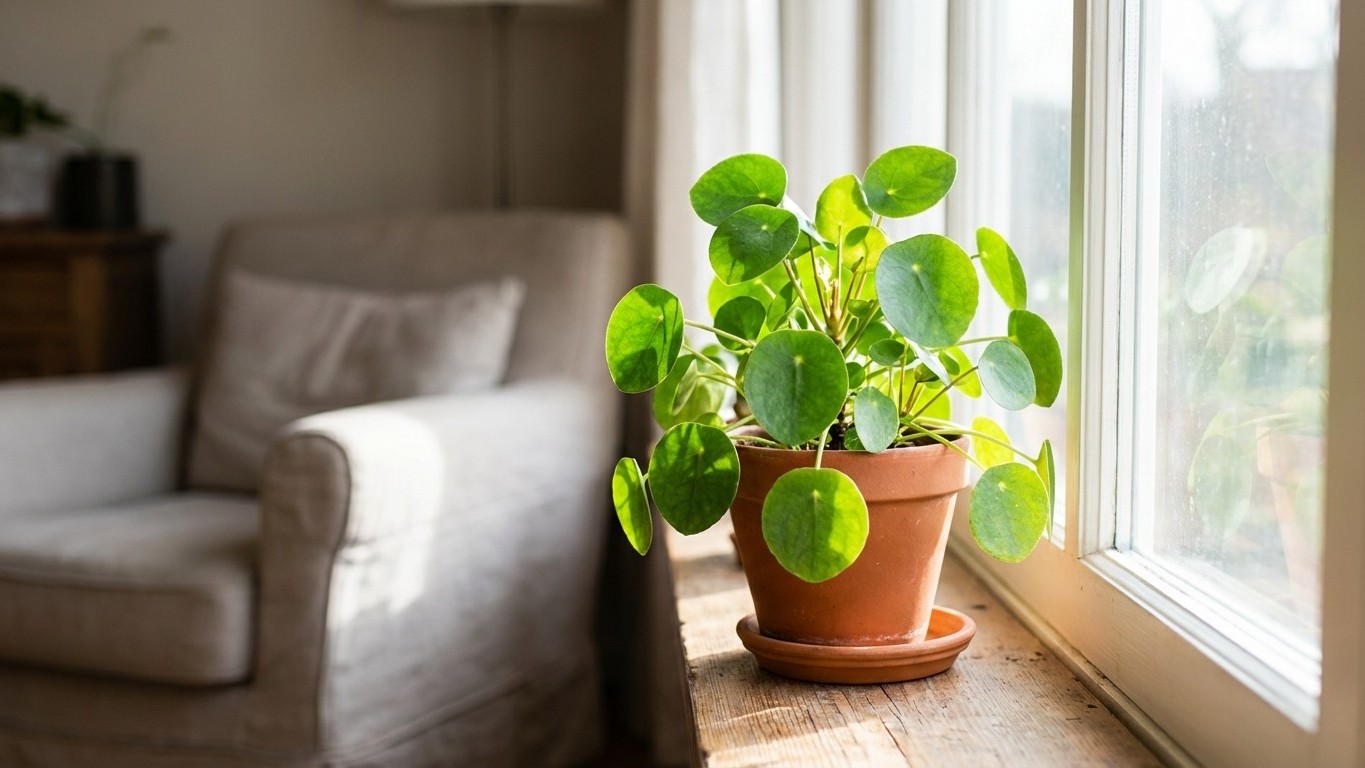
As winter wanes and the promise of spring beckons, many houseplants may appear lacklustre, bearing the toll of shorter days and indoor heating. Professional gardeners have honed natural methods to rejuvenate these indoor companions without resorting to chemicals. Here’s how you can breathe new life into your houseplants as the seasons change.
Key takeaways
- Why indoor plants struggle during winter and how to spot the signs.
- Simple natural methods pros use to restore plant health without chemicals.
- Secrets to optimizing light, humidity, and watering for revitalized plants.
Assessing the Damage
Begin by closely examining each plant. Look for signs of distress such as yellowing leaves, brittle stems, or stunted growth. These symptoms often result from winter’s reduced light and fluctuating indoor temperatures. Identifying the specific issues is crucial to tailor your care effectively.
Optimising Light Exposure
During winter, diminished daylight can leave plants craving more light. To counter this:
- Relocate Strategically: Move plants to the brightest spots in your home, ideally near south-facing windows where they can receive maximum natural light.
- Clean Leaves and Windows: Dust on leaves and grime on windows can obstruct light. Gently wipe leaves with a damp cloth and ensure windows are clean to allow unobstructed light penetration.
- Supplement with Grow Lights: For plants that require more light, consider using LED grow lights. Position them about 12 inches above the plants and keep them on for 10–12 hours daily to mimic natural conditions.
Adjusting Watering Practices
Overwatering is a common issue during winter months. To prevent this:
- Check Soil Moisture: Before watering, insert your finger about an inch into the soil. If it feels dry, it’s time to water; if moist, wait a few days.
- Use Lukewarm Water: Cold water can shock plant roots. Always use water at room temperature to avoid stressing the plant.
- Ensure Proper Drainage: Make sure pots have drainage holes to prevent water from accumulating at the bottom, which can lead to root rot.
Enhancing Humidity Levels
Indoor heating systems often reduce humidity, which can adversely affect houseplants. To increase humidity:
- Group Plants Together: Placing plants close to each other creates a microenvironment with higher humidity.
- Use Humidity Trays: Fill trays with water and place them near plants. As the water evaporates, it increases the surrounding humidity.
- Employ a Humidifier: Using a humidifier in the room can help maintain optimal humidity levels for your plants.
Pruning and Cleaning
Removing dead or damaged foliage improves appearance. Also, encourages new growth. Here’s how:
- Prune Dead Leaves and Stems: Use clean, sharp scissors to cut away any brown or yellowing leaves and stems.
- Clean Leaves Regularly: Dust can clog leaf pores, hindering photosynthesis. Wipe leaves gently with a damp cloth to keep them clean.
Monitoring for Pests
Winter conditions can sometimes lead to pest infestations. To keep pests at bay:
- Inspect Regularly: Check the undersides of leaves and stems for signs of pests like spider mites or aphids.
- Natural Remedies: If pests are detected, use a mild solution of water and dish soap to gently wash the affected areas. Neem oil is also an effective natural pesticide.
Repotting Considerations
While it’s generally advisable to avoid repotting during winter, if a plant is severely root-bound or the soil has degraded, repotting may be necessary. If you choose to repot:
- Choose the Right Time: Late winter or early spring is ideal for repotting, as plants are entering their active growth phase.
- Use Fresh Soil: Select a high-quality, well-draining potting mix suitable for your specific plant.
- Handle Roots Carefully: Gently loosen the roots and remove any that are dead or rotting before placing the plant in its new pot.
By implementing these natural, chemical-free strategies, you can effectively revive your houseplants after the challenges of winter. With attentive care, your indoor garden will flourish, bringing vibrant life and greenery into your home as the seasons transition.