
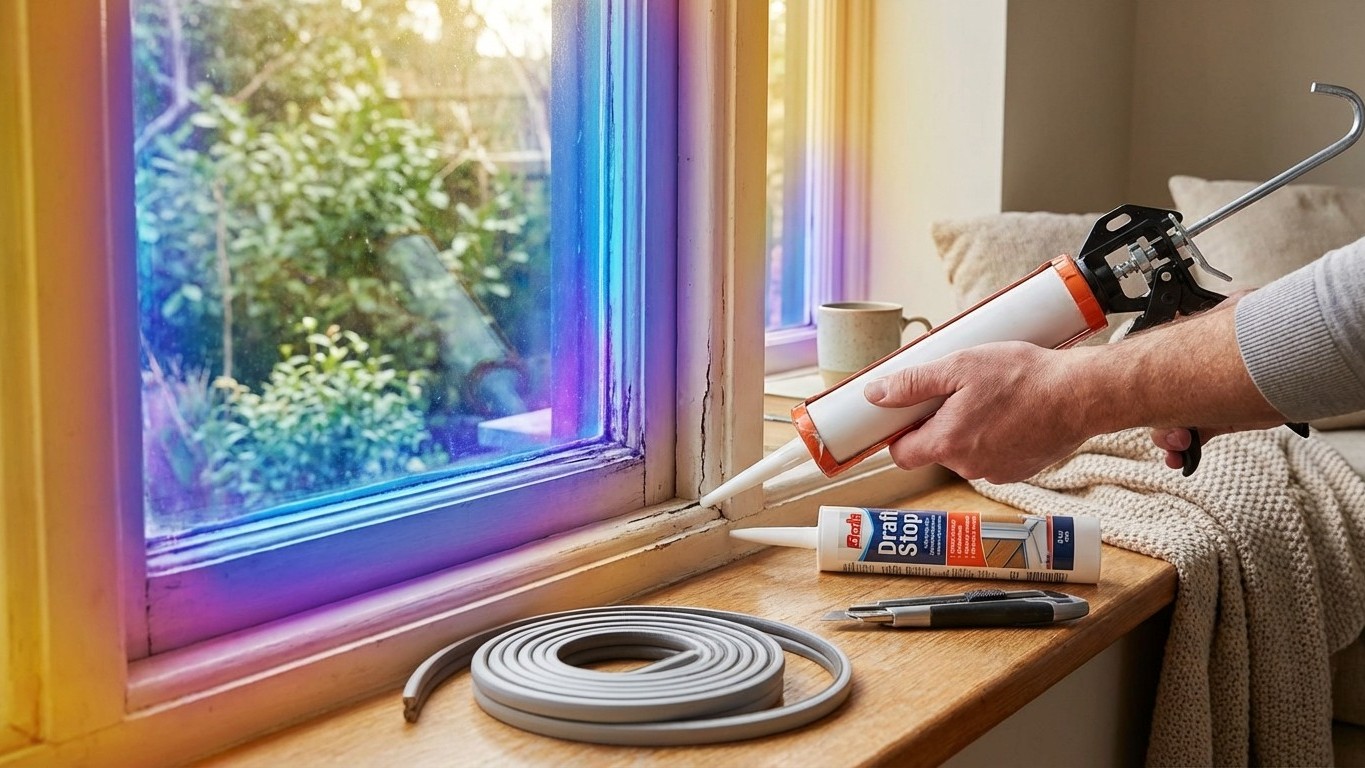
As winter’s chill lingers and spring approaches, many homeowners find themselves grappling with unexpectedly high energy bills and rooms that just won’t stay warm. Often, the culprit isn’t the heating system or the insulation in the walls, it’s the windows. Even the most charming, character-filled homes can harbour hidden window leaks that silently sabotage your home’s insulation. Let’s delve into how these sneaky draughts affect your comfort and energy efficiency, and explore practical steps to seal them before the warmer months arrive.
Key takeaways
- Why your windows might be the biggest heat loss culprits in your home.
- The subtle signs that reveal sneaky window leaks you didn’t know about.
- Simple solutions you can implement now for lasting insulation benefits.
Understanding the Impact of Window Leaks
Windows are more than just portals to the outside world; they’re integral to your home’s thermal envelope. Poorly insulated window frames and single-glazed panes can account for up to 20% of heat loss in the average home. insulation This means that a significant portion of the warmth generated by your heating system is literally slipping through the cracks.
Several factors contribute to this heat loss:
- Single Glazing: Older windows with a single pane of glass offer minimal insulation, allowing heat to escape easily.
- Gaps and Cracks: Over time, window frames can develop gaps due to wear and tear, leading to draughts.
- Inadequate Seals: Weatherstripping and seals can degrade, reducing their effectiveness in blocking air leaks.
The result? Rooms that feel perpetually chilly, increased energy consumption, and a heating system working overtime to compensate for the loss.
Identifying Hidden Window Leaks
Before you can fix the problem, you need to find it. Here are some telltale signs of window leaks:
- Visible Gaps: Inspect the edges of your window frames for noticeable cracks or separations.
- Cold Drafts: On a windy day, run your hand around the window frame to feel for incoming air.
- Condensation: Persistent moisture on the inside of the glass can indicate poor insulation.
- Rattling Panes: Windows that shake or rattle suggest loose fittings and potential air leaks.
Addressing these issues promptly can prevent further energy loss and enhance your home’s comfort.
Effective Solutions to Seal Window Leaks
Once you’ve identified the problem areas, it’s time to take action. Here are some effective methods to seal those pesky leaks:
1. Draught-Proofing Strips
Applying self-adhesive foam or rubber strips around the window frame can effectively seal gaps. This is a cost-effective and straightforward DIY solution. heat loss in a house
2. Secondary Glazing
If replacing windows isn’t feasible, consider adding a second layer of glazing. This involves installing a pane of glass or clear acrylic inside the existing window frame, creating an insulating air gap. It’s particularly useful for listed buildings where window replacement isn’t an option. insulation
3. Thermal Curtains and Blinds
Investing in heavy, lined curtains or thermal blinds can significantly reduce heat loss. These window coverings add an extra layer of insulation, trapping warm air inside. heat loss in a house
4. Window Insulation Film
This involves applying a clear plastic film over the windowpane, which is then sealed using heat (typically from a hairdryer). It’s an affordable and temporary solution that can make a noticeable difference. inexpensive and non permanent ways to insulate a draughty window
5. Caulking and Sealing
For more permanent fixes, use caulk to seal any cracks or gaps around the window frame. This prevents air infiltration and enhances insulation. how to insulate windows
Preparing for Spring: Why Act Now?
While it might seem logical to address insulation issues in the lead-up to winter, spring offers a prime opportunity for maintenance. The milder weather allows for easier installation of solutions like caulking or secondary glazing without the discomfort of cold drafts during the process. Additionally, addressing these issues now ensures your home remains comfortable during unpredictable spring temperatures and is well-prepared for the next winter.
By taking proactive steps to identify and seal hidden window leaks, you enhance your home’s comfort. Also, contribute to energy conservation and cost savings. It’s a win-win situation that starts with a simple inspection and leads to a cosier, more efficient living space.