
Hydrangeas are a beloved feature in many British gardens, renowned for their lush foliage and vibrant blooms. However, it’s not uncommon for these plants to disappoint by failing to flower. Understanding the reasons behind this can help you take the necessary steps to ensure a spectacular display next year.
Key takeaways
- Are you pruning your hydrangeas at the wrong time without realizing it?
- Could hidden soil and nutrient problems be sabotaging your blooms?
- What late winter gardening moves guarantee epic flowers next year?
Common Reasons Hydrangeas Fail to Bloom
Several factors can contribute to a hydrangea’s reluctance to flower. Identifying these issues is the first step toward rectifying them.
Improper Pruning
Pruning at the wrong time is a frequent culprit. Hydrangeas are broadly categorised into those that bloom on old wood and those that bloom on new wood. For instance, bigleaf hydrangeas (Hydrangea macrophylla) set their flower buds in the previous season. Pruning them in late winter or early spring can remove these buds, leading to a flowerless summer. It’s advisable to prune these varieties immediately after they finish flowering in late summer or early autumn. Conversely, varieties like panicle hydrangeas (Hydrangea paniculata) bloom on new wood and can be pruned in late winter or early spring to encourage vigorous growth and abundant blooms. gardeningknowhow.com
Environmental Stress
Hydrangeas are sensitive to their surroundings. Late spring frosts can damage developing buds, especially in varieties that bloom on old wood. Protecting your plants with mulch and ensuring they’re in a sheltered location can mitigate this risk. Additionally, while hydrangeas prefer morning sun and afternoon shade, too much shade can hinder blooming. If your plant is in deep shade, consider relocating it to a spot with dappled sunlight. idealhome.co.uk
Soil and Nutrient Imbalances
Over-fertilising, particularly with nitrogen-rich feeds, can lead to lush foliage at the expense of flowers. It’s best to use a balanced fertiliser and avoid excessive feeding. Moreover, hydrangeas thrive in well-draining soil with a slightly acidic to neutral pH. Poor soil conditions can impede their ability to bloom. gardeningetc.com
Late Winter Strategies for Spectacular Blooms
Late winter is a pivotal time to prepare your hydrangeas for the upcoming growing season. Implementing the following practices can set the stage for a bountiful bloom.
Pruning Techniques
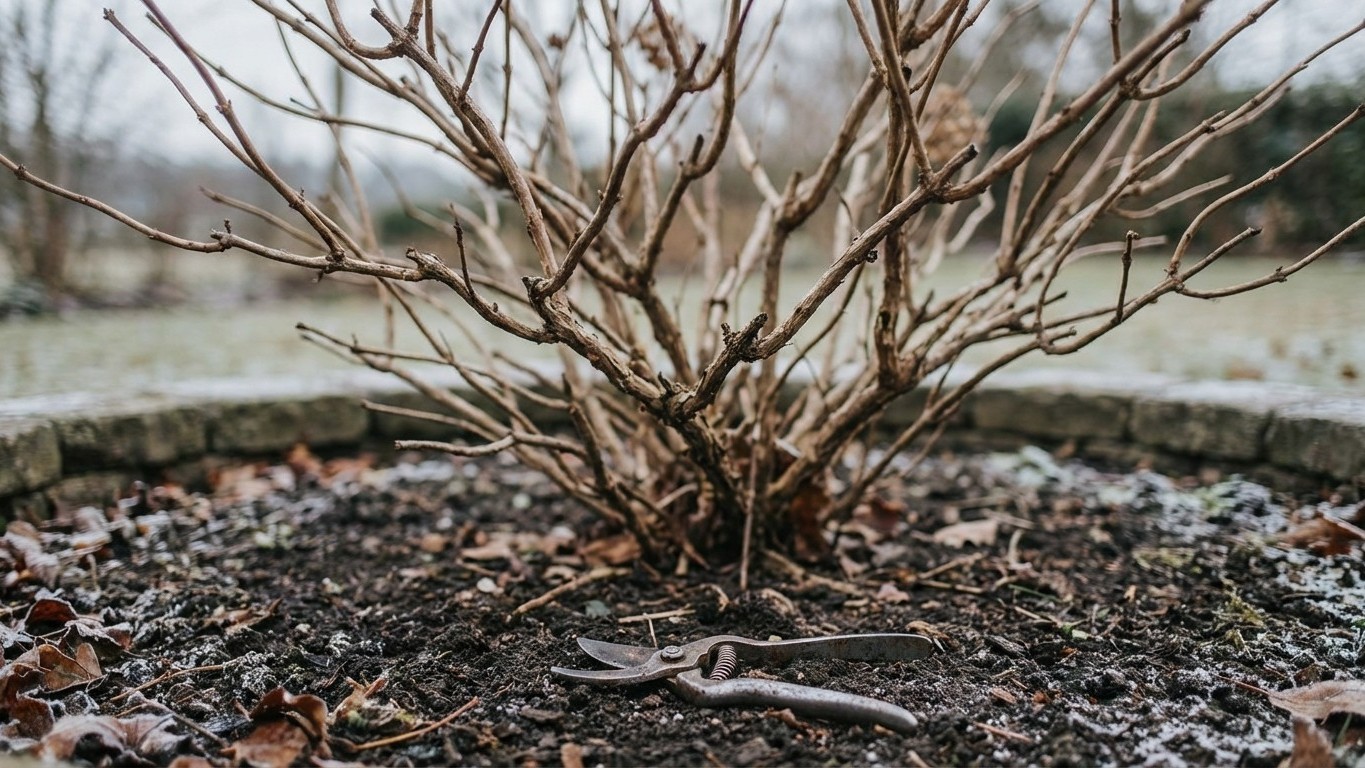
For hydrangeas that bloom on new wood, late winter is the ideal time to prune. Cut back the stems to about 20–25 cm above the ground. This hard pruning encourages the plant to produce strong new growth, resulting in larger and more abundant flowers. Ensure your pruning tools are sharp and clean to make precise cuts and prevent disease. gardeningknowhow.com
Soil Preparation
Assessing and amending your soil during late winter can significantly impact blooming. Conduct a soil test to determine pH and nutrient levels. If the soil is too alkaline, adding sulphur can increase acidity, which is beneficial for certain hydrangea varieties. Incorporating organic matter like compost can improve soil structure and fertility, providing a robust foundation for your plants. gardendesign.com
Mulching and Protection
Applying a layer of organic mulch around the base of your hydrangeas helps retain moisture, suppress weeds, and regulate soil temperature. This is particularly important in late winter to protect emerging buds from temperature fluctuations. Be sure to keep the mulch a few centimetres away from the stems to prevent rot. idealhome.co.uk
Monitoring and Adjusting Watering Practices
While hydrangeas require consistent moisture, overwatering can be detrimental. Ensure the soil is moist but not waterlogged. In late winter, as temperatures begin to rise, monitor soil moisture levels and adjust your watering schedule accordingly. gardeningetc.com
By understanding the specific needs of your hydrangeas and implementing these late winter care strategies, you can look forward to a garden filled with vibrant and healthy blooms in the coming season. Remember, patience and attentive care are key to unlocking the full potential of these charming plants.