
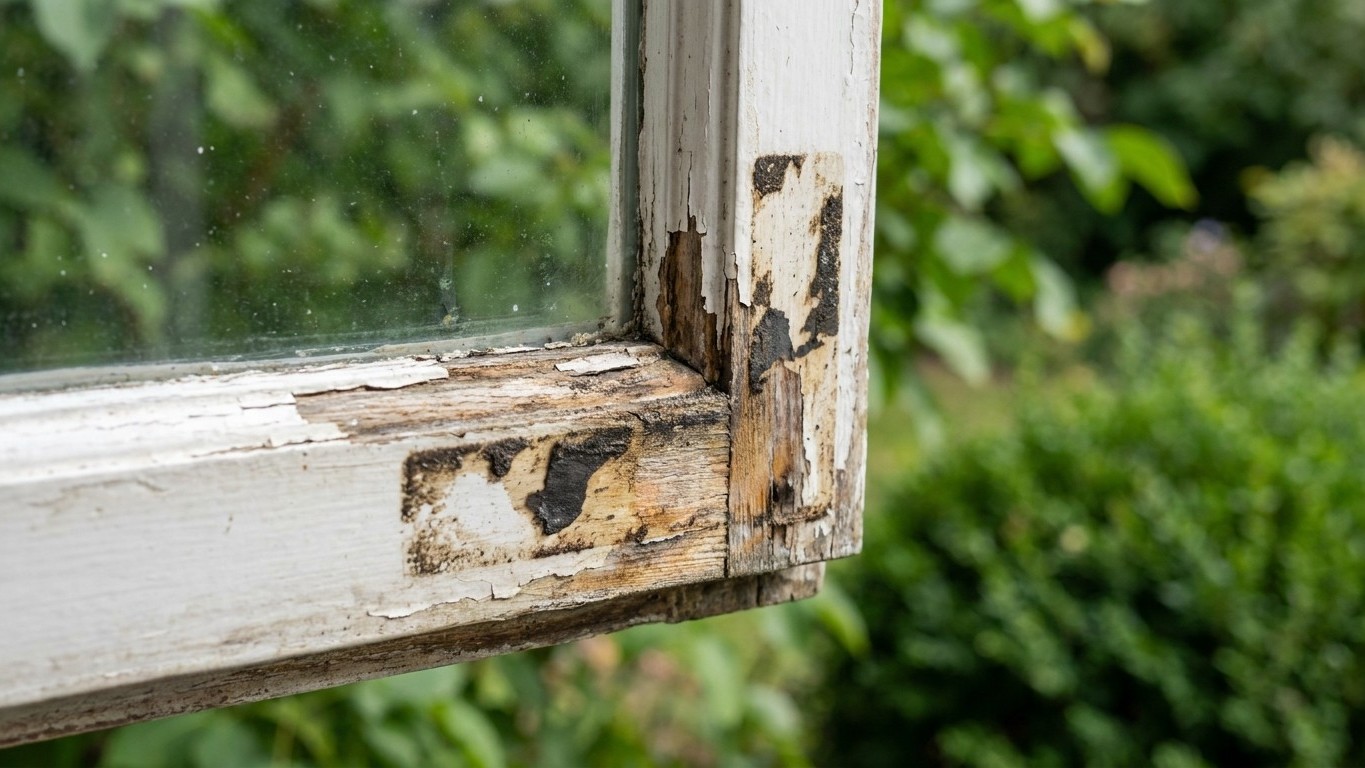
Three weeks of blazing sunshine had baked that strip of masking tape onto my window frames until it became, quite literally, part of the paintwork. What started as a simple job to protect the glass while I touched up some flaking woodwork turned into an afternoon of scraping, swearing, and eventually reaching for a tin of white spirit I’d hoped never to need. The tape came off, but it took a thin layer of the fresh paint with it, along with a sticky residue that seemed to laugh at every household remedy I threw at it.
Heat is the enemy here, not time exactly, though the two work together rather nastily. Masking tape uses a rubber-based or acrylic adhesive designed to bond just enough to hold firm, then release cleanly when you’re ready. Warmth changes that chemistry. Once surface temperatures climb past roughly 25°C, which happens easily on a south-facing frame in direct July sun, the adhesive softens and migrates deeper into the pores of paint and wood. Left long enough, it partially cures in that state, turning a peelable film into something closer to a glued-on veneer.
Manufacturers usually recommend removing masking tape within a few days, and some specify no more than 24 to 48 hours in direct sunlight. I’d left mine for the better part of a month, checking the weather forecast more than the actual tape, which in hindsight was exactly backwards.
Key takeaways
- Heat changes how masking tape adhesive bonds—but there’s a specific temperature threshold where it all goes wrong
- Fresh paint and summer sun are a dangerous combination that few people prepare for
- The method you use to remove baked-on residue matters as much as how fast you act
Why the residue clings so stubbornly once it’s baked in
The sticky mess left behind isn’t just old glue sitting on top of the surface. Under sustained heat, the adhesive’s polymer chains cross-link further, a slow chemical reaction similar to how paint itself cures over time. This makes the residue harder, more brittle in some spots, and gummier in others, an unpredictable combination that shreds paper towels and clogs cloths within seconds.
There’s also the paint underneath to think about. Fresh paint, even after it feels dry to the touch, can take several weeks to fully cure depending on the product and conditions, according to guidance from paint manufacturers and building conservation bodies. Tape sitting on semi-cured paint through a heatwave effectively welds itself to a surface that hasn’t finished hardening, so pulling it away later takes a layer of paint with it far more readily than it would on properly cured woodwork.
I made the mistake of assuming dry meant cured. They are not the same thing, and that gap cost me a repaint on two window frames.
What actually got the residue off, and what made things worse
Scraping with a plastic edge, like an old loyalty card, lifted the bulk of the softened adhesive without scratching the paint beneath, which a metal blade nearly always will. For the stubborn patches, a cloth dampened with white spirit worked, applied in small dabs and left for perhaps thirty seconds before wiping, rather than scrubbing immediately. Rubbing too hard while the solvent was still active just spread the gluey mess further across the frame, something I learned the frustrating way on my first attempt.
A mixture of warm water and a few drops of washing-up liquid handled the lighter residue reasonably well, though it needed several applications and a lot of patience. I’d read that hairdryers on a low setting can help by gently re-softening old adhesive so it lifts more easily, and this did work, though holding a hairdryer against a window frame in July heat felt faintly ridiculous, like adding fire to a furnace.
What didn’t help was reaching for a kitchen scourer in frustration. It took the shine off the paint in two small patches, leaving dull marks that were more obvious, if anything, than the tape residue had been.
The simple habits that would have saved the afternoon
Checking tape every two to three days during warm weather, rather than waiting for the whole job to finish, seems obvious now. Painters and decorators generally treat masking tape as a short-term tool, removing it as soon as the paint is touch-dry rather than leaving it up until every coat is done, precisely because heat and time work against it the longer it stays.
Choosing the right tape Matters More Than I’d realised too. Standard masking tape, the beige stuff sold cheaply almost everywhere, isn’t designed for prolonged sun exposure. Tapes specifically labelled for exterior or UV-resistant use exist, formulated with adhesives that resist the kind of heat-driven bonding that caught me out, and they’re worth the extra cost if a job is likely to stretch over several sunny days.
Removing tape at an angle, pulling it back on itself slowly rather than yanking straight up, also reduces the chance of taking paint with it, since it distributes the stress along the bond line rather than concentrating it in one spot.
A small window of time makes all the difference
Next time, I’ll be treating masking tape like bread left out on a summer’s day, fine for a short while, ruinous if forgotten. The frames are repainted now, properly cured this time before any tape goes anywhere near them, and I’ve switched to checking progress every morning rather than trusting a job to look after itself over a few warm weeks. One detail I hadn’t expected: the residue on the glass itself came off far more easily than the residue on paint, since glass has no pores for the adhesive to work into, a small mercy that at least saved me from re-glazing on top of everything/”>Everything else.