
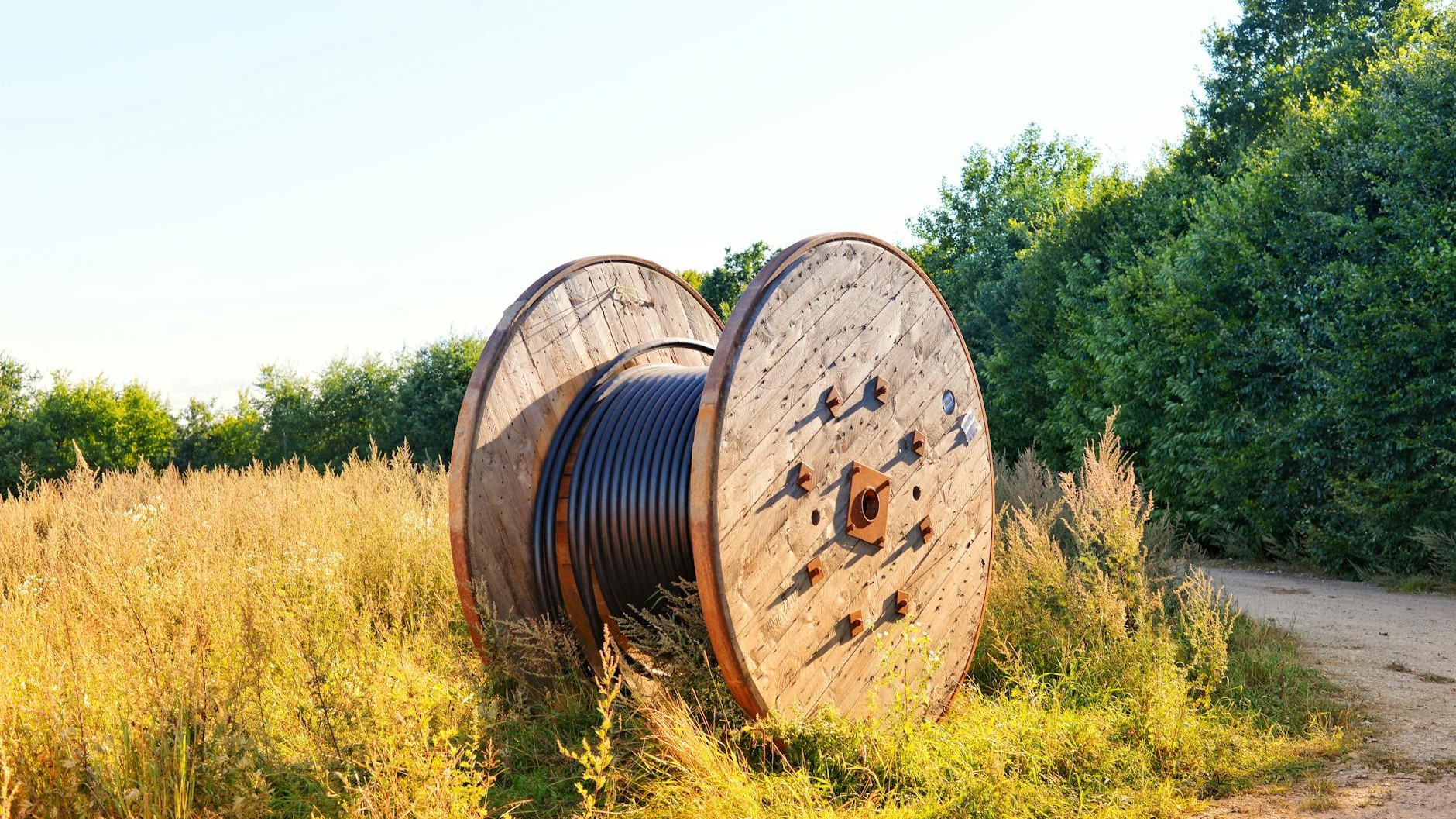
A coiled extension reel carrying a high-wattage heater is one of those quietly dangerous combinations that has been sitting in British garages and living rooms for decades. The extension cable looks perfectly fine from the outside, feels normal to the touch, and yet inside the drum, the wire can reach temperatures that melt insulation, trip breakers repeatedly, and in the worst cases, start fires. The breaker tripping is not a nuisance, it is doing exactly the job it was designed to do.
Key takeaways
- A 13-amp rated cable becomes unsafe at 5-6 amps when fully coiled—here’s why
- PVC insulation degrades at just 70°C, and a coiled reel can exceed that in minutes
- Partially unwinding the reel isn’t enough; even a few loops left inside can trigger dangerous overheating
Why a coiled cable behaves like a heating element
Copper wire always produces some heat when electricity passes through it. Under normal conditions, that heat dissipates harmlessly into the surrounding air. The problem with a coiled cable is that the loops of wire are packed tightly together, each one radiating warmth directly onto its neighbour. There is simply nowhere for the heat to go. The effect is similar to wrapping yourself in a duvet on a summer night, your body heat has no escape route and the temperature climbs rapidly.
The physics behind this is well established. Every cable has a current rating that assumes it is laid out flat in open air. Coiled inside a drum, the same cable can carry only a fraction of that current safely. A 13-amp rated cable, for instance, may only be safe to around 5 or 6 amps when fully wound, less than half its stated capacity. A standard 2-kilowatt electric fan heater draws roughly 8.7 amps. Put those two facts together and you can see why the breaker trips.
The insulation on the wire softens first. PVC insulation, which is what most domestic extension cables use, begins to degrade at sustained temperatures above around 70°C. A tightly coiled reel running a heater can exceed that threshold surprisingly quickly, sometimes within fifteen to twenty minutes. Once the insulation softens, neighbouring conductors can touch, creating a short circuit. That is the moment the breaker earns its keep.
Unwinding the reel is not optional
Many people partially uncoil a reel and assume that is sufficient. A few loops left inside the drum, a couple of metres trailing across the floor, surely that is fine? The answer, I am afraid, is no. Even three or four loops of wire left inside a drum while running a high-wattage appliance can generate dangerous heat. The cable needs to be fully unwound before connecting anything with a power draw above roughly 700 watts.
Most decent extension reels sold in the UK carry a printed warning on the cable or the drum itself. Look for the phrase “unwind fully before use” or a symbol showing the ampere rating for coiled versus uncoiled use. If your reel does not carry this information, treat it with additional caution and unwind it regardless. Some older reels sold before modern safety markings became standard carry no such warning at all, which is one reason this hazard has caught so many people off guard over the years.
The legal context is worth knowing too. Under UK electrical safety standards, extension reels intended for domestic use must be rated to carry their full load only when completely unwound. The reduced coiled rating is not a minor technical footnote, it is the reason the product is safe to sell. Using it coiled with a high-wattage load is, technically, using it outside its design parameters.
Choosing the right cable for heating appliances
The safest approach for running a heater, or any appliance above 1,000 watts, is a short, heavy-duty extension lead rather than a reel. A 1.5mm² conductor cable rated at 13 amps, used at full extension and never coiled, is the right tool. For a heater that you use regularly in one spot, it is worth buying a lead that is just the right length for the room rather than relying on a long reel with metres of slack.
Outdoor extension reels, which are built to handle garden tools and pressure washers, often use thicker cable and heavier insulation. They still need to be fully unwound before connecting high-wattage loads, but their construction gives them slightly more tolerance. Indoor drum reels, the compact orange or yellow ones sold for general household use, are typically built to a lighter specification and should be treated with more respect around heaters.
One practical rule of thumb that has served households well for generations: if the cable is warm to the touch anywhere along its length while in use, something is wrong. A properly rated, properly unwound cable running within its limits should remain cool. Any warmth is a signal to switch off, investigate, and either replace the cable or reduce the load.
What to check after a tripped breaker
If your breaker has tripped because of a coiled extension reel and a heater, resist the urge to simply reset the breaker and carry on. Before doing anything else, unplug the extension lead from the wall and feel along the full length of the cable for any sections that feel unusually stiff, deformed, or discoloured. Overheated PVC insulation sometimes develops a slightly shiny or crinkled appearance where it has softened and reset.
A cable that has visibly distorted, even once, should be discarded. The insulation integrity is compromised, and no amount of careful use will restore it. Extension cables are not expensive items, replacing one costs far less than calling an electrician to investigate scorched wiring inside a skirting board, and infinitely less than the alternative scenarios nobody wants to think about on a winter evening.
There is one more thing worth knowing: a tripping breaker that keeps tripping on reset is telling you the fault has not cleared. A breaker that resets once and holds, with the coiled load removed, has likely done its job cleanly. But if the breaker trips again immediately or within a few minutes of resetting, the cable may have already sustained internal damage, and it should go straight in the bin before the reel is used again.