
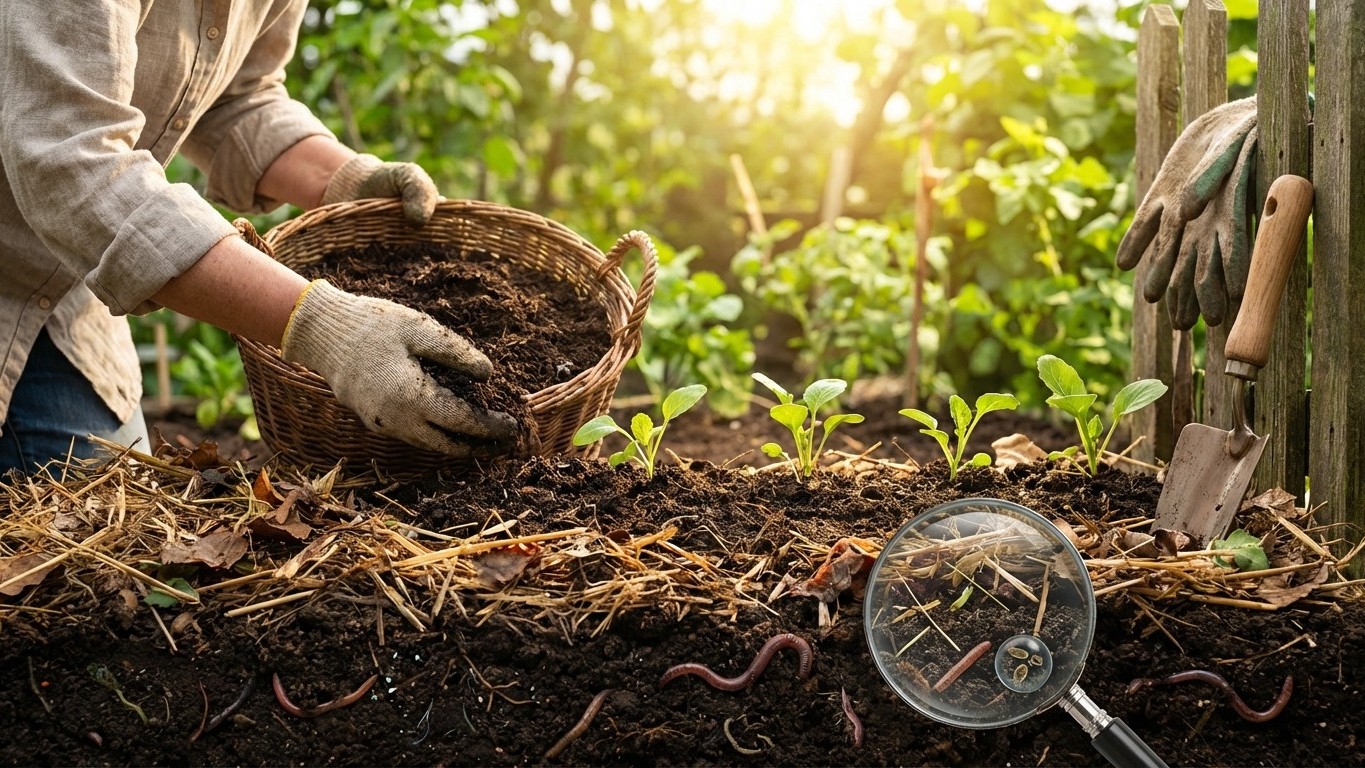
As the days lengthen and the first signs of spring emerge, many gardeners instinctively reach for their spades, eager to prepare their vegetable patches for the growing season. However, an age-old gardening practice suggests that refraining from digging in spring can lead to healthier soil and more bountiful harvests. This method, known as “no-dig” gardening, has been championed by horticulturists and soil scientists alike for its numerous benefits.
Key takeaways
- What if digging your veggie patch in spring does more harm than good?
- Explore how soil life thrives without disturbance and why it matters.
- Uncover the unexpected benefits of adding organic layers instead of turning soil.
Understanding the No-Dig Approach
No-dig gardening is a technique that involves minimal disturbance to the soil. Instead of turning the earth over with a spade, gardeners add layers of organic matter, such as compost or well-rotted manure, directly onto the soil surface. This approach allows natural processes to enhance soil fertility and structure without human intervention.
By avoiding digging, the intricate web of soil life, including earthworms, beneficial fungi, and microorganisms, remains undisturbed. These organisms play a crucial role in breaking down organic material, aerating the soil, and making nutrients available to plants. Disrupting this network through digging can hinder these natural processes, leading to less fertile soil.
The Surprising Benefits of Not Digging
One of the most immediate advantages of the no-dig method is a significant reduction in weed growth. Traditional digging often brings dormant weed seeds to the surface, where they can germinate and proliferate. By leaving the soil undisturbed and applying a mulch layer, these seeds remain buried and are less likely to sprout. This means less time spent weeding and more time enjoying your garden.
Moreover, no-dig gardening enhances soil structure. When soil is left intact, it maintains its natural composition of pores and channels, which improves aeration and water movement. This structure allows roots to penetrate more deeply and access nutrients and moisture more efficiently. Additionally, the presence of organic mulch helps retain soil moisture, reducing the need for frequent watering during dry spells.
Environmental considerations also favour the no-dig approach. Digging can release stored carbon dioxide from the soil into the atmosphere, contributing to greenhouse gas emissions. By keeping the soil structure intact, carbon remains sequestered, aiding in the fight against climate change. Furthermore, the use of organic mulches feeds soil organisms, promoting a healthy ecosystem without the need for synthetic fertilizers or pesticides.
Implementing No-Dig Gardening in Your Veggie Patch
Transitioning to a no-dig garden is straightforward and can be done at any time, though spring is an excellent opportunity to start. Begin by clearing the area of any large weeds or debris. If the ground is particularly weedy, lay down a layer of cardboard to suppress growth. Ensure the cardboard overlaps to prevent weeds from finding their way through gaps.
Next, apply a generous layer of organic matter, compost, well-rotted manure, or leaf mould, about 10 to 15 centimetres thick. This layer will serve as both mulch and a nutrient source for your plants. Over time, earthworms and other soil organisms will incorporate this material into the soil beneath, enriching it naturally.
Planting can commence immediately after applying the mulch. Sow seeds directly into the compost layer or transplant seedlings as usual. The organic matter provides a fertile medium for germination and growth, and as roots develop, they will penetrate into the underlying soil.
It’s important to note that while no-dig gardening reduces weed growth, it doesn’t eliminate it entirely. Regular monitoring and the prompt removal of any emerging weeds will keep your garden in top condition. Additionally, ensure that the organic matter used is well-rotted to prevent any potential issues with plant growth.
Embracing Tradition for Modern Gardening Success
The no-dig method is not a newfangled trend but a time-honoured practice rooted in understanding and working with natural processes. By resisting the urge to dig your vegetable patch this spring, you allow the soil’s ecosystem to thrive, leading to healthier plants and more abundant harvests. So, put down the spade, layer on the compost, and let nature do the work for you. Your back, and your veggies, will thank you.