
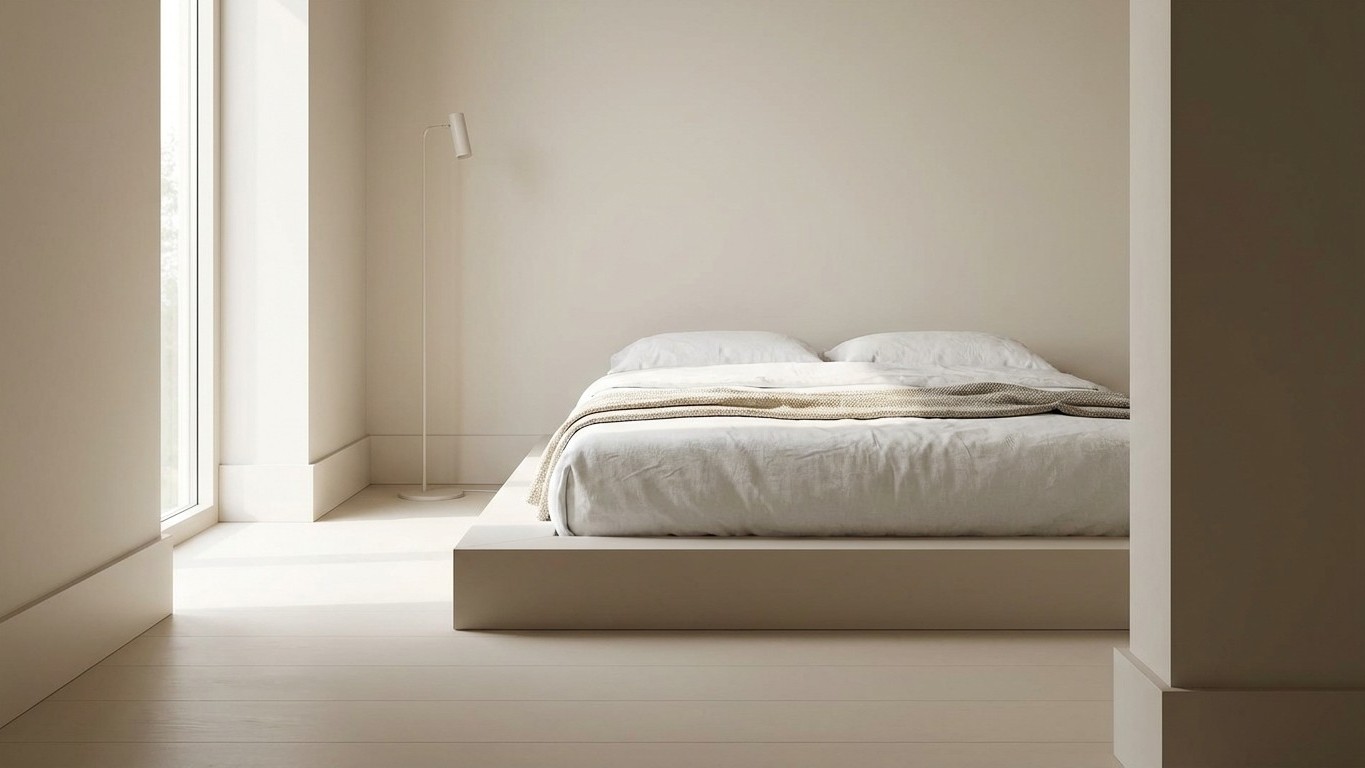
A single tin of paint. A brush, some masking tape, and an afternoon to spare. For around £15, you can make almost any room in your home look a good 30cm taller, no builders required, no planning permission needed. The secret lies in those humble strips of wood running along the base of your walls, and it has nothing to do with ripping them out.
Key takeaways
- One simple paint trick that professionals have been hiding from homeowners for years
- Why white skirting boards are secretly making your ceilings look lower than they actually are
- The exact colour-matching technique that transforms ordinary rooms into elegant, spacious-feeling spaces
The white socks problem nobody talks about
Think of a stark white skirting board as the equivalent of wearing high white socks that draw the eye down and make your trouser legs look too short in length. This is exactly why many interior designers say painting skirting boards the same colour as the walls is a must. It sounds almost too simple, doesn’t it? Yet this is precisely the detail that separates rooms that feel effortlessly tall and airy from those that somehow always seem to be closing in.
Using the same shade for walls and skirting boards is an easy way to use paint to make a room look bigger, by creating a continuous flow where the walls reclaim the height of the skirting boards to extend the perception of the distance from floor to ceiling. Your eye, deprived of that horizontal interruption, naturally travels upward. The ceiling appears further away than it actually is. And in the typical British home, where standard ceiling heights usually sit at around 240cm, every visual centimetre counts.
“Painting your skirting boards the same colour as your walls removes visual boundaries and draws the eye upwards, rather than downwards. It’s a more modern and minimalist look, whereas contrasting skirting feels more traditional.” There’s also something quietly stylish about it. “It can make rooms feel larger because there are no lines to distract the eye, creating the illusion of a large space. It’s also a good trick in cosier rooms, where this approach can create an intimate, cocooning atmosphere.”
How to actually do it (without making a mess)
The practical side is genuinely straightforward. Before you reach for that brush, though, do note that for the best finish on your skirting boards, you should use a wood or trim paint such as gloss, satinwood, or eggshell. Regular wall emulsion isn’t hardy enough for skirting and will mark more easily. If you’re buying the paint yourself, expect to pay between £18 and £25 per litre for top-quality skirting board paint. One litre is usually enough to do the skirting in a small room and have some left over, even with two coats. Shop around the major DIY retailers and you can often find perfectly good satinwood options at the lower end of that range, well within that £15 budget for a single bedroom or a modest sitting room.
Preparation is what separates a professional-looking result from a patchy disappointment. Skirting boards in a busy family room can be quite grubby. Wash them down with sugar soap, lightly sand to create a key, and wipe away the dust. If your skirting has previously been painted in gloss, sanding is especially important for the new paint to adhere properly. Then, painting the skirting boards and other woodwork last ensures a cleaner, crisper finish. Use painter’s tape and coverings to protect your freshly painted walls and floors while painting these final details.
The finish you choose matters too. It’s best to use the same colour but a different finish for the skirting boards and walls. For walls, a matt or eggshell finish works well. For skirting boards, opt for something more durable, like satinwood or eggshell designed for woodwork. This subtle difference in sheen actually adds a lovely depth to the scheme, Everything reads as the same colour from across the room, yet there’s just enough variation up close to stop it looking flat.
Should you go further? The colour-drenching option
Once you’ve matched the skirting to the walls, you may find yourself standing in the doorway thinking: what if I went a step further? Colour drenching is the design trend that involves saturating an entire room in one colour. This includes furniture, as well as painting walls, woodwork, and even ceilings in one cohesive colour palette that ‘stretches’ the space by making the walls appear endless. One continuous shade from the skirtings to the coving is a modern way to use paint and ensures a continuous flow of colour. This prevents the eye from being distracted by woodwork around the door and architectural features.
That said, colour drenching isn’t for everyone and you certainly don’t need to commit to the whole thing to see results. You can consider a colour-drenched scheme, painting your walls and skirting in the same shade for an encompassing feel. Even just painting your lower walls and skirting in one colour can create the illusion of height and space. Start small. Live with the skirting change for a few weeks. I’d wager you won’t want to stop there.
One thing worth flagging: this trick works brilliantly with most shades, but if you’re working with a very dark wall colour, it’s actually more important, not less. This is incredibly distracting when decorating with dark paint colours, meaning in that instance it’s always advisable to paint the woodwork in the same shade, with the right paint finish, of course. A dark room with white skirting looks unfinished, as though someone ran out of paint or changed their mind halfway through.
The board height bonus nobody tells you about
Here’s something that takes this trick a layer deeper. The height of your skirting board itself also plays a role in how tall a room feels. A taller, well-proportioned skirting board can actually draw the eye upwards, making ceilings feel higher and a room feel more spacious and elegant. 145mm is the most popular choice, based on sales data from thousands of UK homes. This height balances well with standard 2.4m ceiling heights and works in most room styles.
If you’re planning a more significant refresh and your boards are looking tired anyway, it’s worth considering a modest step up in height. Standard skirting boards used to sit at around 100mm high. Now, homeowners are choosing heights of 150mm, 200mm, and even 220mm. The visual impact is immediate and dramatic. Spaces instantly feel more spacious and elegant, and the increased height draws your eyes upward, creating the illusion of higher ceilings. Paired with colour-matching paint, this combination punches well above its weight.
One word of caution: proportion is Everything. An overly tall skirting board in a room with a low ceiling can feel oppressive, visually ‘crushing’ the room and making the walls feel shorter than they are. A good rule of thumb is to make your skirting board height roughly one-tenth of your ceiling height. For example, a 2.4m ceiling works well with a 120-150mm skirting board.
The question really isn’t whether this trick works, the evidence from decorators and homeowners across the country is clear that it does. The more interesting question is why it took us all so long to stop slavishly following the white gloss convention. Sometimes the most effective changes in a home cost next to nothing and involve nothing more dramatic than reconsidering something you’d assumed was fixed.
Sources : homebuilding.co.uk | idealhome.co.uk