
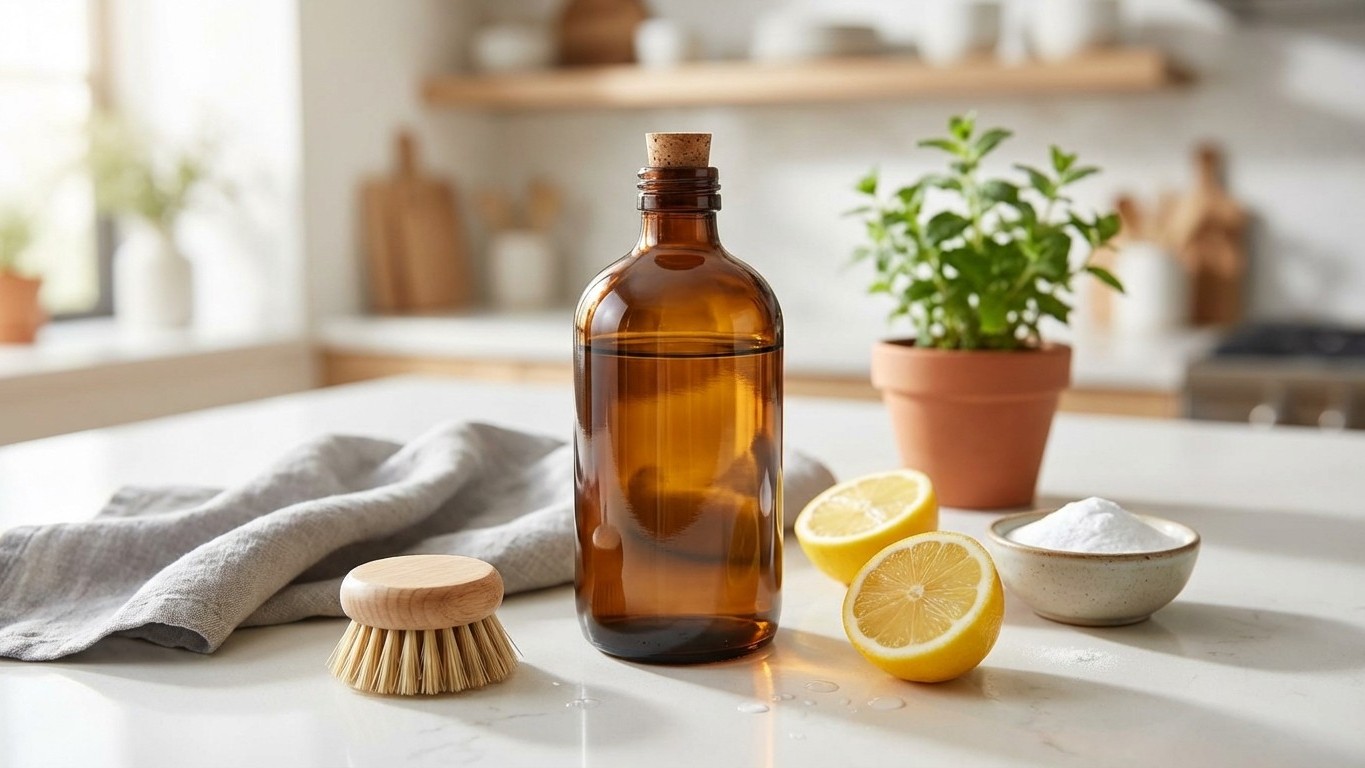
Tucked away in most British chemists and supermarkets, that unassuming brown bottle of hydrogen peroxide has been quietly doing remarkable things since the Victorian era. Long before antibacterial sprays filled our cupboards, households relied on this clear, water-like liquid to clean wounds, brighten fabrics, and shift stubborn stains. Today, with more of us reaching for gentler, planet-conscious alternatives to bleach and harsh detergents, hydrogen peroxide natural cleaning uses are enjoying a well-deserved renaissance. And with good reason: when used correctly, it disinfects, deodorises, and whitens without leaving toxic residues behind.
What Is Hydrogen Peroxide? A Quick Primer
Hydrogen peroxide (H₂O₂) is essentially water with an extra oxygen atom. That single addition makes all the difference: the molecule is unstable, and when it breaks down it releases oxygen, which is precisely what makes it so effective at killing bacteria, moulds, and viruses. The product decomposes into plain water and oxygen gas, leaving no chemical ghost behind on your worktop. For anyone trying to run a genuinely natural home, that breakdown process is rather appealing.
Forms Available and Concentrations to Know
Walk into any chemist and you’ll typically find a 3% solution, sold for first-aid use. Hardware shops and online suppliers occasionally stock stronger versions, 6%, 12%, or even 35% food-grade hydrogen peroxide. The concentrations matter enormously. The 3% variety is perfectly suited to everyday household cleaning tasks and is the one this article focuses on. Food-grade 35% is a different beast entirely: it requires significant dilution before use, and handling it undiluted can cause serious chemical burns. For general home cleaning, there is simply no need to go above 6%, and 3% handles the vast majority of jobs beautifully.
Food-Grade, Medical, and Household: What’s the Difference?
The label on the bottle matters more than people realise. Standard chemist-bought hydrogen peroxide is stabilised with small amounts of additives that make it unsuitable for internal use but perfectly fine for cleaning. Food-grade hydrogen peroxide, by contrast, is produced without those stabilisers, which is why it’s sometimes used (very cautiously) in food processing environments. Medical-grade falls somewhere between the two. For household cleaning, the standard 3% chemist version is your friend. It’s affordable, widely available, and exactly the right tool for the job.
Hydrogen Peroxide Natural Cleaning Uses Around the Home
The range of surfaces and situations where hydrogen peroxide proves its worth is genuinely broad. The key is knowing where it excels and where a different natural ingredient would serve you better.
Disinfecting Kitchen and Bathroom Surfaces
Pour undiluted 3% hydrogen peroxide into a clean spray bottle and you have a surprisingly effective surface disinfectant. Spray it onto kitchen worktops, the outside of the loo, bathroom taps, and door handles, leave it for five to ten minutes, then wipe clean with a damp cloth. That dwell time is important: the oxygen needs a moment to do its work. Studies examining household disinfectants have confirmed that 3% hydrogen peroxide reduces common bacterial counts on hard surfaces considerably, though it works best on surfaces that are already visibly clean (organic matter, grease and grime blunt its effectiveness, so wipe down first with soapy water before applying).
Whitening Grout and Tackling Mould
This is where hydrogen peroxide genuinely earns its place in the cleaning cupboard. Grout lines in kitchens and bathrooms turn grey and sometimes black over the years, a combination of soap scum, mineral deposits, and mould. Apply undiluted 3% hydrogen peroxide directly to the grout lines with an old toothbrush, leave it for at least ten minutes (longer for stubborn staining), scrub gently, and rinse. The results can be startling. For surface mould on bathroom sealant or tiles, the same approach works well, though deeply embedded mould in porous materials may require repeated treatments or professional attention.
Cleaning Chopping Boards, Fridges, and Food Accessories
Wooden chopping boards are notoriously difficult to sanitise: they can’t go in the dishwasher, and soaking them warps the wood. A light spray of 3% hydrogen peroxide, left for five minutes before rinsing thoroughly, deals with surface bacteria without damaging the wood or leaving any taste or odour behind (it decomposes to water and oxygen, remember). The same spray works inside the fridge: remove the shelves, spray the interior, leave, then wipe down with a clean cloth. No bleach smell, no concern about food contact.
Stain Removal on Fabrics, Carpets, and Upholstery
Hydrogen peroxide is a gentle bleaching agent, which means it’s wonderful for certain stains and potentially disastrous for others. Applied carefully to white or light-coloured fabrics, it lifts protein-based stains beautifully: blood, sweat, wine, and grass respond well. The method is simple: dab (don’t rub) a small amount of 3% hydrogen peroxide onto the stain, leave for five to ten minutes, then rinse with cold water. Always test on a hidden area first, because hydrogen peroxide can lighten dyes on coloured textiles. For carpets, the same dab-and-wait approach works, followed by blotting (never rubbing) with a clean white cloth.
Practical Recipes and Methods for Home Use
A Simple Disinfecting Spray
Pour 3% hydrogen peroxide directly into a dark-coloured or opaque spray bottle (light degrades it quickly). No dilution needed for general disinfection at this concentration. Spray, wait five to ten minutes, wipe. If you want a light fresh scent, add five drops of tea tree or lavender essential oil per 300ml of solution, though the disinfecting action comes from the peroxide, not the oil. Make a fresh bottle each month, as hydrogen peroxide loses potency over time once opened.
Grout Whitening Paste
Mix two tablespoons of bicarbonate of soda with just enough 3% hydrogen peroxide to form a thick paste, roughly one to two tablespoons. Apply the paste to grout lines with an old toothbrush, leave for fifteen to twenty minutes, then scrub and rinse. The bicarbonate adds a gentle abrasive action, and together they tackle both staining and surface mould. For more ideas on pairing these two ingredients, the guide to cleaning with vinegar and baking soda hacks offers excellent complementary techniques.
Deodorising Bins and Waste Bins
Empty the bin, rinse it out, then spray the interior liberally with 3% hydrogen peroxide. Leave for ten minutes, rinse, and allow to dry completely before replacing the liner. This eliminates odour-causing bacteria rather than masking the smell with fragrance. Repeat monthly or whenever you notice a lingering whiff. It’s far gentler on the bin material than bleach, and there’s no harsh chemical smell in your kitchen afterwards.
Fabric Care and Anti-Yellowing
White cotton shirts and linens have a habit of yellowing at the collar and underarms over time. Soak the affected areas in a solution of equal parts water and 3% hydrogen peroxide for thirty minutes before washing as normal. Avoid tumble-drying until you’ve confirmed the stain has lifted, as heat sets stains permanently. Never use hydrogen peroxide on silk, wool, or leather, as the oxidising action can damage these delicate fibres.
Precautions and Mistakes to Avoid
Hydrogen peroxide is natural, but natural does not automatically mean harmless in all situations. A few clear guidelines keep things safe.
Dangerous Combinations
The most common mistake people make is mixing hydrogen peroxide with vinegar. Each is a useful cleaner on its own, and you’ll find plenty of recipes online combining them. The problem is that combining the two creates peracetic acid, which is an irritant to eyes, lungs, and skin, particularly in enclosed spaces like bathrooms. Use them separately: one day vinegar for limescale, another day hydrogen peroxide for disinfection. Never mix them in the same bottle. Similarly, avoid combining hydrogen peroxide with ammonia (found in some glass cleaners) or with chlorine bleach. The broader world of cleaning with vinegar and baking soda hacks offers safer pairings that complement hydrogen peroxide without these risks.
Health Risks and Vulnerable Households
At 3%, the risks are low but not zero. Prolonged skin contact can cause temporary whitening and irritation, so wearing rubber gloves for longer cleaning tasks is sensible. Avoid spraying near the eyes, and ensure good ventilation when working in small rooms. The product should be stored out of reach of children and pets: it looks exactly like water, which creates obvious confusion. Ingestion causes foaming, nausea, and in larger quantities can be dangerous. If you have cats, be aware that they are considerably more sensitive to oxidising compounds than humans, so rinse treated surfaces thoroughly before allowing pets access.
Storage and Shelf Life
Hydrogen peroxide is genuinely fragile stuff. Light, heat, and contamination all accelerate its breakdown into plain water, rendering it useless. Keep it in its original dark bottle or transfer it to an opaque spray bottle. Store in a cool, dark cupboard, away from direct sunlight. An opened bottle is typically effective for around three months; an easy test is to pour a small amount onto the sink: fresh hydrogen peroxide fizzes slightly on contact with organic matter, whereas degraded solution just sits there like water. Buy in small quantities and replace regularly rather than stockpiling.
Hydrogen Peroxide vs. Other Natural Cleaning Ingredients
No single natural ingredient does everything, and hydrogen peroxide is no exception. White vinegar excels at dissolving limescale on taps, kettles, and showerheads, a task for which hydrogen peroxide is poorly suited. If you’re battling hard water deposits, the cleaning hacks with lemon for limescale approach will serve you far better. Bicarbonate of soda brings gentle abrasion to the table, ideal for scouring without scratching. Castile soap is your workhorse for general greasy surfaces and floors. Lemon juice adds both mild acidity and antibacterial properties with the pleasant bonus of a fresh scent.
Where hydrogen peroxide genuinely stands apart is in disinfection and whitening. It’s the natural ingredient of choice when you need to kill pathogens on food-prep surfaces, restore grout to something approaching its original colour, or lift a stubborn protein stain from a white shirt. Think of it as the specialist in your natural cleaning toolkit, brought out for specific jobs rather than used for everything. For a complete picture of how all these ingredients work together, the natural cleaning hacks guide covers the full range of options across every room in the house.
Frequently Asked Questions
What concentration should I use for disinfecting surfaces? Standard 3% hydrogen peroxide, used undiluted, is sufficient for the overwhelming majority of household disinfection tasks. Higher concentrations offer no meaningful benefit for home use and introduce unnecessary risk.
Does it leave residues or odours? No. Hydrogen peroxide decomposes into water and oxygen, leaving no chemical residue and no lingering smell. Surfaces treated and rinsed are food-safe once dry.
Can you mix it with bicarbonate of soda? Yes, safely, as a paste for grout cleaning or stain treatment. Unlike the vinegar-peroxide combination, mixing with bicarbonate doesn’t produce harmful compounds, though the fizzing action does reduce the active concentration somewhat, so apply promptly and don’t store the mixture.
Is it safe around children and pets? At 3%, surfaces rinsed and dried after use present no meaningful risk. The liquid itself should always be stored securely, out of reach, and treated with the same respect you’d give any cleaning product. Cats in particular should not have direct contact with treated wet surfaces until fully rinsed.
The brown bottle from the chemist may not look exciting sitting next to the fancy eco-branded sprays, but it has earned its place in any genuinely natural cleaning routine. Used thoughtfully, it disinfects, brightens, and deodorises without the chemical load of conventional products. The question worth asking yourself isn’t whether hydrogen peroxide belongs in your cleaning cupboard, but which specific jobs you’ve been giving to harsher products that this gentle, decomposing-to-water solution could handle just as well.