
Mould is a common nuisance in many homes, thriving in damp, poorly ventilated spaces and posing potential health risks. However, with a few practical steps, you can keep your home mould-free and the air fresh throughout the year.
Key takeaways
- Why does mold thrive in your home—and what you can do about it.
- The surprising role of temperature and ventilation in mold prevention.
- Easy natural remedies that complement your home’s mold defense.
Understanding the Causes of Mould
Mould spores are ever-present in the environment, but they require moisture to grow. Common household activities like cooking, bathing, and drying clothes indoors can increase humidity levels, creating ideal conditions for mould. Additionally, structural issues such as leaking pipes or inadequate insulation can contribute to dampness.
Effective Ventilation: Let Your Home Breathe
Proper ventilation is crucial in preventing mould growth. Regularly opening windows allows moist air to escape and fresh air to circulate. In rooms prone to high humidity, such as kitchens and bathrooms, using extractor fans during and after activities like cooking or showering can significantly reduce moisture levels. Ensure that air vents are unblocked and clean to facilitate natural airflow. prevent mould tips for residents
Managing Indoor Humidity
Maintaining indoor humidity between 40% and 60% is ideal. Using a hygrometer can help monitor these levels. If humidity is consistently high, consider using a dehumidifier, especially in damp areas like basements or bathrooms. Additionally, drying clothes outdoors or in well-ventilated rooms can prevent excess moisture buildup. prevention
Consistent Heating: Keeping the Chill at Bay
Cold surfaces attract condensation, which can lead to mould growth. Maintaining a steady indoor temperature, ideally between 16°C and 21°C, helps keep walls and other surfaces warm, reducing the likelihood of condensation. Avoid drastic temperature fluctuations by keeping heating on a low, consistent setting during colder months. prevent mould tips for residents
Regular Cleaning and Maintenance
Regular cleaning removes dust and organic materials that mould feeds on. Pay special attention to high-risk areas like bathrooms, kitchens, and basements. If you spot mould, clean it promptly using appropriate mould-killing products. Be cautious when handling mould to avoid health risks. how prevent damp mould and condensation your home
Natural Remedies and Preventative Measures
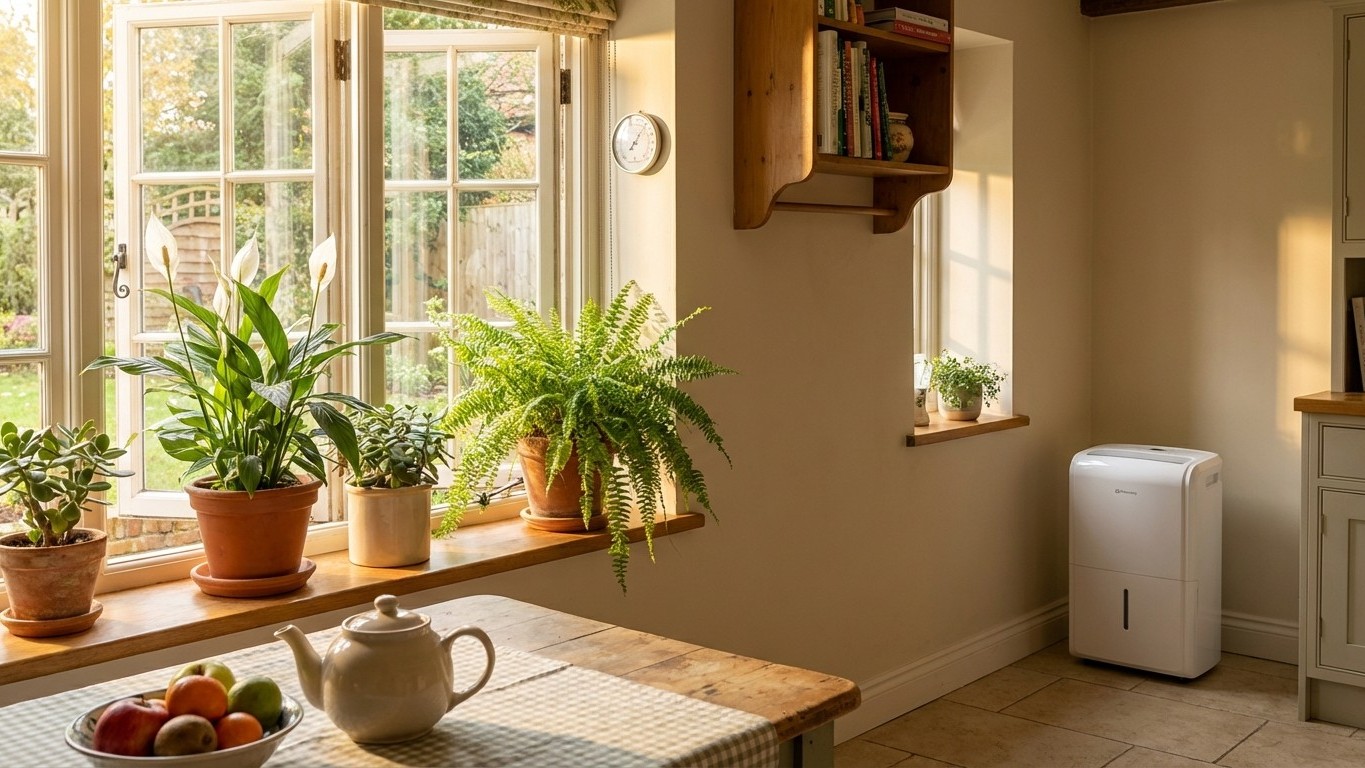
Certain houseplants, such as Peace Lilies and Boston Ferns, can help reduce indoor humidity and purify the air. Placing bowls of rice or baking soda in wardrobes can absorb excess moisture, preventing mould growth on clothes. These simple, cost-effective measures can complement other efforts to keep your home mould-free. your wardrobe could be a mold magnet this winter but experts swear by this usd3 fix
By implementing these strategies, you can create a healthier living environment, free from the troubles of mould and stale air. Remember, consistency is key; regular maintenance and vigilance will keep your home fresh and comfortable all year round.