
Spring arrives, the sun makes a tentative appearance, and suddenly every homeowner in Britain gets an irresistible urge to fix, paint, drill, and generally improve everything in sight. It’s a beautiful impulse. But each year, countless well-meaning people end up spending far more than they planned, not because the projects were expensive, but because of entirely avoidable mistakes made right at the start. A little forewarning now can save you a genuinely painful bill later.
Key takeaways
- One universal habit makes DIY projects fail—and it happens before you even pick up a tool
- The paint tin that seems plenty suddenly reveals itself mid-project, and there’s no fixing what comes next
- A late frost can quietly ruin months of work, leaving you to discover the damage only when it’s too late
Rushing the preparation work
The single most expensive habit in DIY is treating preparation as optional. Painting over walls without proper cleaning or priming, laying new flooring over an uneven subfloor, or sealing exterior gaps without addressing underlying damp first, these all share the same flaw. You’re solving the surface while ignoring what’s underneath. Within a season, sometimes less, the problem resurfaces and you find yourself doing the whole job again from scratch.
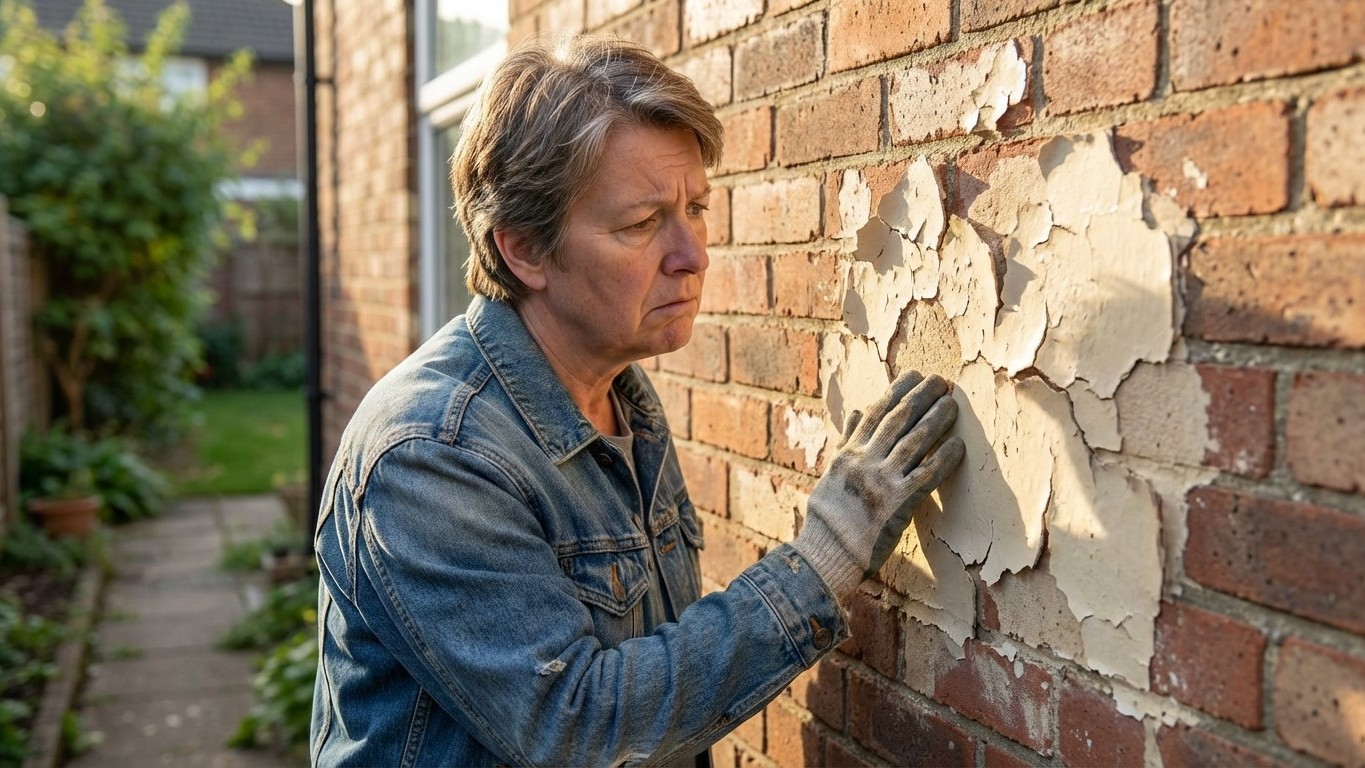
Take exterior painting as a classic example. Skipping the step of washing down the surface and allowing it to dry completely means your fresh coat of masonry paint will begin to peel within months, especially with our wonderfully unpredictable British weather. The prep work feels tedious precisely because it produces no visible result. But that invisible effort is the difference between a job that lasts two years and one that lasts ten. My own grandmother used to say that a paintbrush should spend more time resting on the tin than actually painting, meaning the gaps between coats matter just as much as the coats themselves. She wasn’t wrong.
Underestimating materials (and overestimating yourself)
There’s a particular optimism that strikes people in DIY shops. You walk in with a rough idea of what you need, eyeball the space in your mind, and convince yourself that a single tin of filler, two lengths of skirting board, or one box of tiles will definitely be enough. It almost never is. A reliable rule of thumb for most materials, tiles, flooring, paint, is to add at least ten to fifteen percent to your calculated quantity to account for cuts, waste, and the inevitable mistake on piece number three.
Running out mid-project is more than inconvenient. Batch numbers on paint and flooring change between production runs, meaning the replacement you buy three weeks later may be a subtly different shade. You’ll notice. Guests might not, but you absolutely will, every single time you walk past it. Buying slightly too much and returning the surplus (keep your receipts, most large DIY retailers accept unopened returns) is infinitely less stressful than hunting for a perfect match that no longer exists.
The other half of this mistake is overestimating one’s own skill level for a particular task. Confidence built on successfully painting a bedroom can lead someone directly into attempting to re-grout an entire bathroom, re-hang a door, or tackle electrical work, each of which carries a very different learning curve and, in the case of electrics and gas, genuine legal requirements around who can sign off the work. Knowing where your competence ends is a skill in itself, and an honest one.
Ignoring the weather and the calendar
Spring feels like the perfect time to tackle outdoor projects, and in many ways it is. But early spring in the UK is a trickster. Temperatures can still drop sharply overnight, and many adhesives, sealants, grouts, and exterior paints have minimum application temperatures printed on the tin for very good reason. Applying them below that threshold means they cure poorly, bond weakly, or crack as temperatures shift. A fence post set in concrete during a late frost can heave and loosen before summer has properly arrived.
The calendar matters indoors too. Decorating a freshly plastered wall too soon is one of the most common and costly errors in home renovation. New plaster needs time, often weeks, depending on thickness and ventilation, to dry out completely before it can be painted. Applying emulsion to damp plaster traps moisture behind the surface, eventually leading to blistering, staining, and in persistent cases, mould. A simple moisture meter, available inexpensively at most hardware shops, takes the guesswork out entirely. Worth every penny.
Cutting corners on fixings and fittings
Here is where frugality can quietly become very expensive. The wood screws, wall plugs, brackets, and fixings that hold your project together are not the place to economise. A flat-pack wardrobe assembled with under-length screws into a wall that was never properly checked for hollow sections will eventually come down, possibly taking plaster, shelving, and whatever was stored inside with it. The fixings themselves rarely cost much. The replastering afterwards costs considerably more.
Before drilling into any wall, particularly in older properties, always use a detector to check for pipes and cables. This sounds obvious because it is, but it gets skipped constantly in the enthusiasm of getting started. Similarly, check what your wall is actually made of before selecting your wall plugs, a standard plug designed for solid brick will do almost nothing useful in a stud partition wall, and the shelf you’ve confidently mounted will demonstrate this dramatically at the most inconvenient possible moment.
The same logic applies to external fixings exposed to weather. Choosing screws or brackets not rated for outdoor use means corrosion sets in within a couple of seasons, weakening structures like pergolas, decking frames, or gate hinges. Stainless steel or hot-dipped galvanised fixings cost a touch more at the outset and save a full replacement down the line.
Spring DIY, done thoughtfully, is one of life’s genuinely satisfying pleasures. There’s real pride in standing back and looking at something you’ve fixed or built yourself. The question worth sitting with, before you reach for the drill or the paintbrush, is simply this: have you given the job the preparation it actually deserves, or just the preparation it takes to feel ready?